Why you probably won’t read this: The science behind staying in your lane

By: Avi Wyler

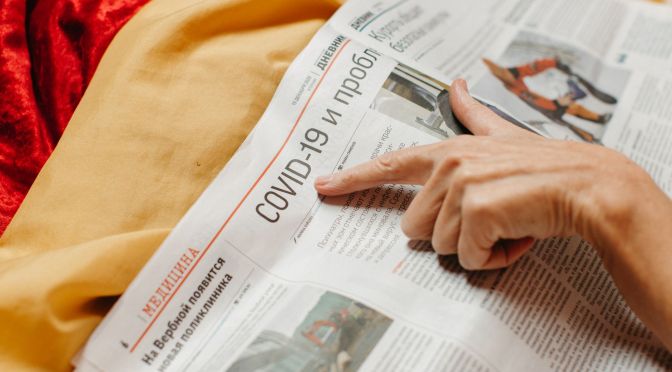
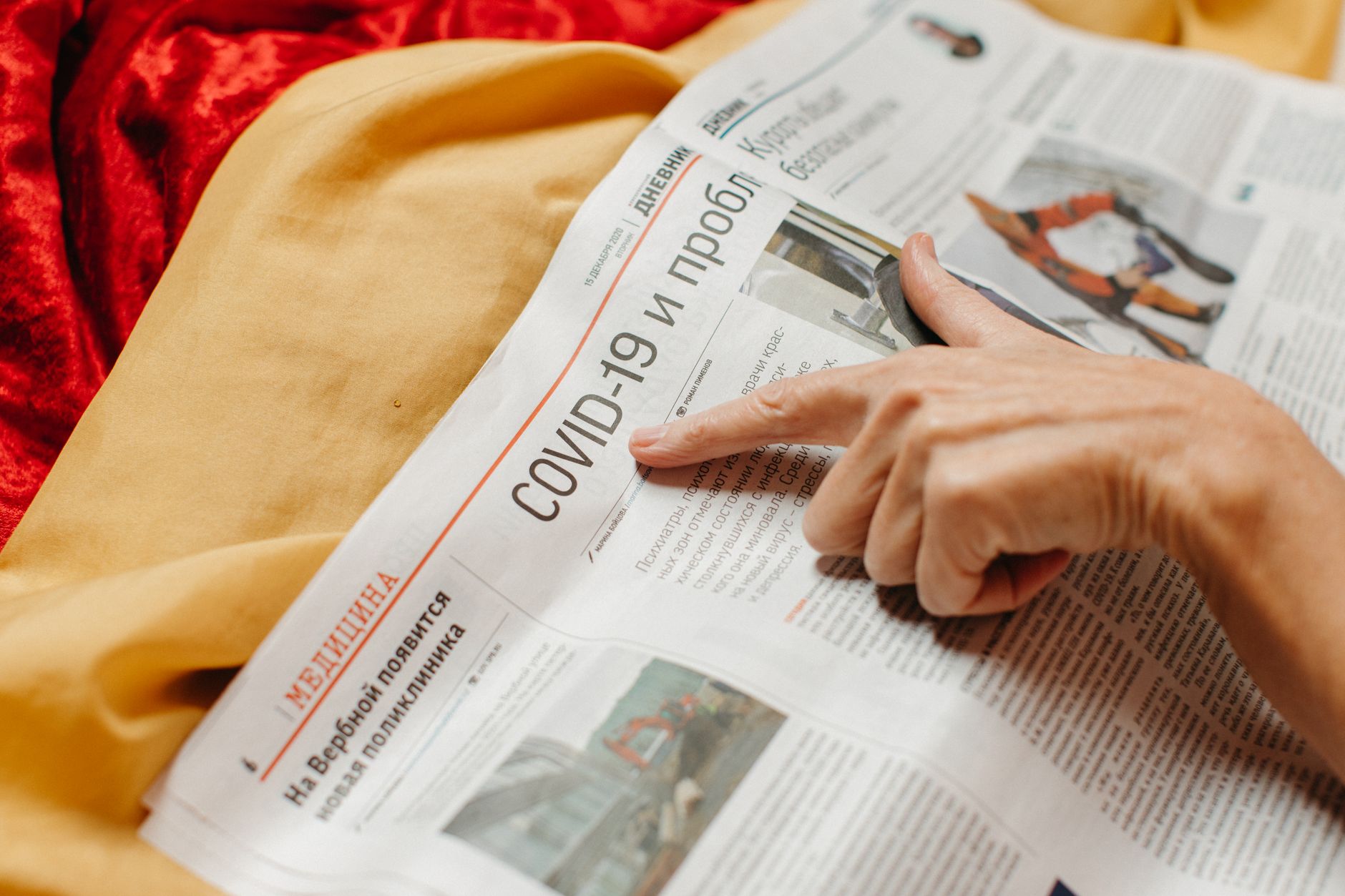
woman pointing on a newspaper page with the word COVID-19 on it
Photo by Anastasia Shuraeva on Pexels.com

We all have our favorites – our favorite foods, places and past-times. These things bring us comfort and make us happy for a variety of reasons, and so we stick with them. But for some people, favorite things become more than just something that brings comfort; they become things people hang onto and don’t stray from. Why is this? Why is it that so often, when we find something we like, we stick to it without looking towards anything else? Why is it that so many of us shy away from trying new things?

The answer stems from the fear of change. We all have it: our brains are biologically wired to feel most comfortable when we know how something will go and feel in control of it. When we feel uncertain about something, our brain responds negatively: according to an NIH article published by Felicia Jackson, Brady Nelson and Greg Hajcak, the way our brains process uncertainty and error are intertwined. In the best case, we often feel uncomfortable not knowing. In the worst case, uncertainty can cause intense worry and anxiety. Because we don’t have the knowledge needed to be certain about new things, we respond negatively to them by default.

This fear of uncertainty also ties into our inherent need to pursue truth. In his article “Knowledge, fear of the unknown, opinion, and the pandemic”, Joshua Raub explains that our brains prefer the quickest path to certainty over one that’s most credible – it’s a survival instinct that protects us from immediate dangers. Unfortunately, this can quickly lead to misunderstandings or stereotyping, which can put someone off from new things even more.

Of course, fear of the unknown isn’t the only thing we base decisions on. Raub continues his article discussing the three main elements of decision making which, besides our uncertainty, includes our knowledge of a situation and our intuition. But it can be hard for our brains to maintain an equal balance of the three – said balance requires us to use our fear of the unknown as a way of motivating our search for new knowledge, else we get stuck using uninformed opinions to satisfy our want for truth.
Highlands 1st Hmong New Year ‘26 – ‘27

By. Selena Thao

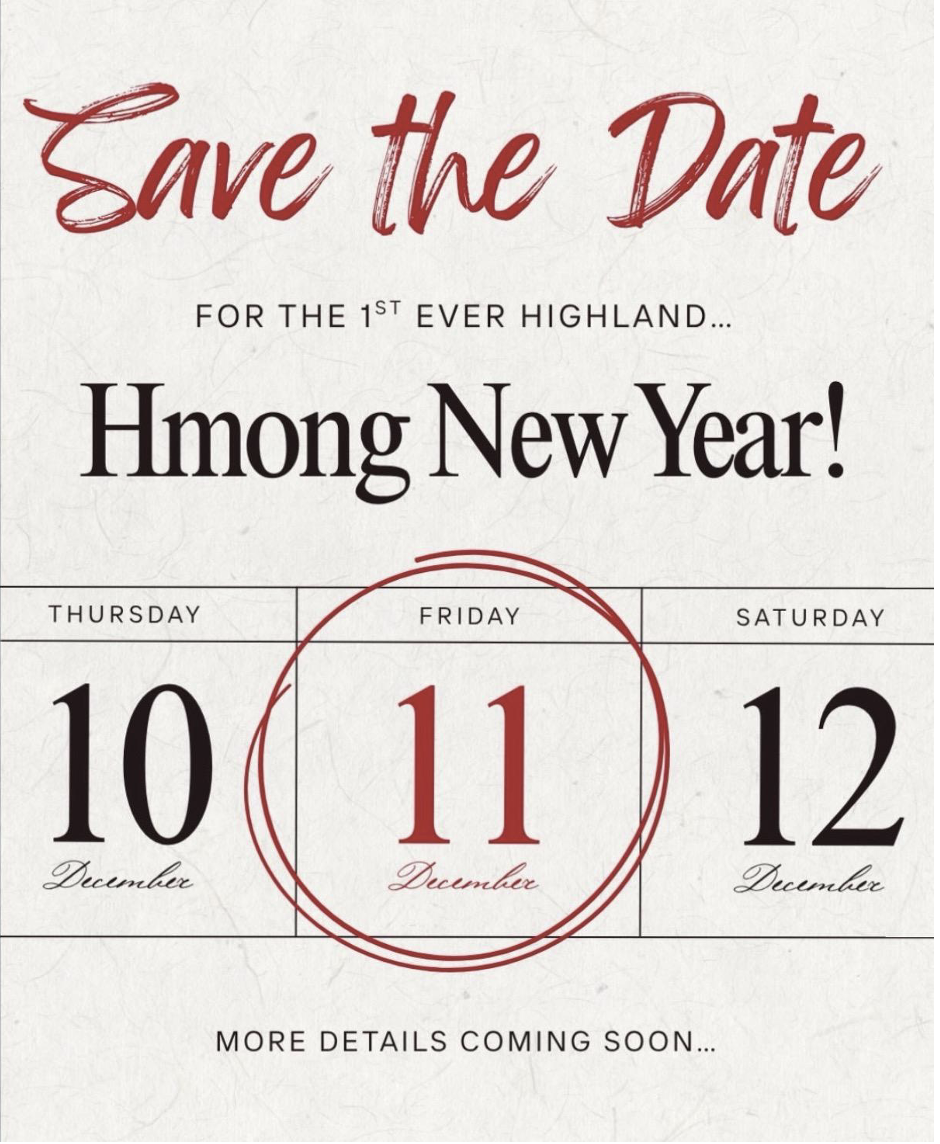
This year is going to be Highland Park’s first ever Hmong New Year! If you’re looking forward to it, don’t forget to mark it down on your calendar on December 11th.

As it is Highland’s first HNY, I’m sure you guys are unfamiliar with what it is. Hmong New Year is a celebration for the end of harvest season and to give thanks to our ancestors/ask for blessings. Although the New Year is celebrated differently overseas versus in the states, both sides love to eat.

The Hmong translation of Hmong New Year is “Nog Peb Caug” which means “eat thirty” and within 3-10 days, 30 dishes are to be prepared and eaten.

Since this is Highland Park’s first Hmong New Year, we would like all culture groups to show up and show out. We mainly want to focus on Hmong culture but we wouldn’t mind if other culture groups came to join in all the fun!

We would like for Highland Park students and teachers to be educated in our culture due to how small our community is here at Highland.

During our preparation meetings every Wednesday after school, we always discuss food. Food is how we express our love for others; for example, I would be at my cousin’s house and their grandma would say, “Ntxhais, los noj mov.” Or “Tub, los noj mov.” Which means, “Daughter, come eat.” And “Son, come eat.” Hmong people are always willing to feed one another to show respect and love. Even when food isn’t prepared or is being prepared, aunties/wives will ask, “Tus ntxhais/Tub, koj tshaib plab noj mov?” Meaning, “Daughter/son, are you hungry to eat food?”

Another thing about our culture is that elders call their sons, daughters, grandchildren or other young people “son/Tub” , “daughter/Ntxhais” in respect.

Let’s hop back onto Highland’s HNY. During our performances, we hope that students and teachers learn from our culture other than our bright colors and performances; we hope that everyone sees our passion, pride and love from the Hmong Community here at Highland. Our culture is more than our powerful performances. Our songs write stories about love, sadness and religion; finding the beauty in every emotion and past tragedies or stories. In Hmong culture, we believe that everything happens for a reason, whether it’s a mistake or a purpose. All of it is a lesson.

We want people to walk into the auditorium with questions about the Hmong culture, and leave while taking our stories out with them. All our lives we worked hard to make a place here in the U.S. and now that most of us settled down here in Minnesota, Wisconsin, and California, we’d like everyone to hear our stories.

Midterms

By: Louise Wallraff

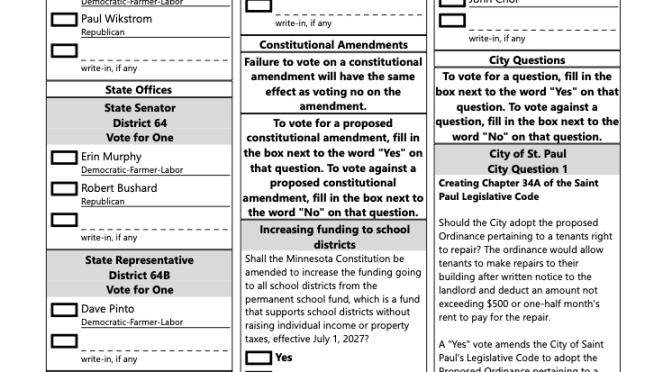
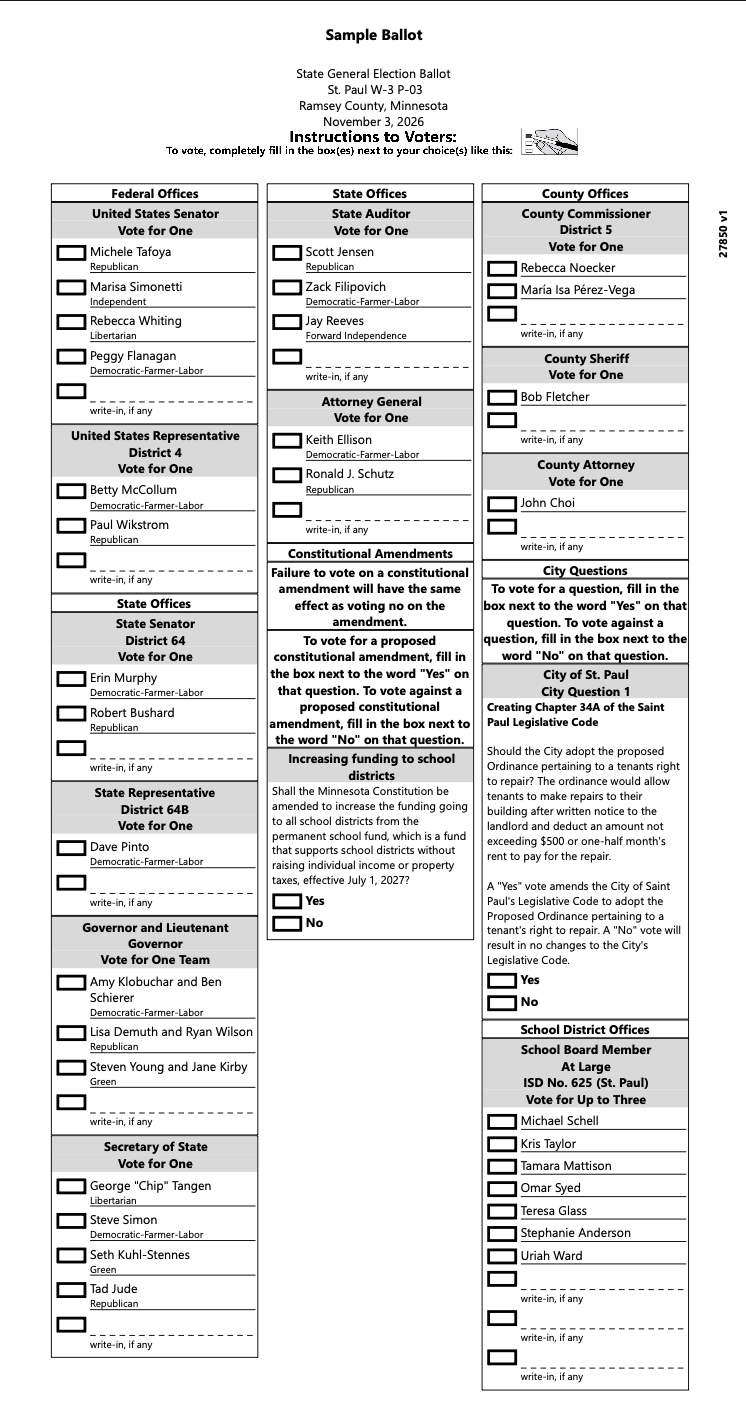
Midterm elections are TOMORROW! (Tuesday, November 3rd) The best way to make change in Minnesota and in your community is to VOTE. Midterm elections take place two years after presidential ones, and serve the purpose of electing new senators, representatives, governors, and more, who all work to represent and lead Minnesota.  Because Midterms have less voting turnout, your voice matters that much more. Even if you are not 18, you can still remind your family and friends to drive to the polls.

It is important to research what the candidates are running for. Make sure to look at a variety of sources to prevent bias: there are many ads targeted at candidates that focus on getting an emotional reaction rather than informing you. There is a list of sources at the end of the article further detailing who is running, and you can do research on your own time as well.

These midterms are especially important as CBS News states: “Whether the Democrats or the Republicans win will determine whether Congress acts as a check or an enabler on presidential power for the final two years of Donald Trump’s presidency.” Essentially, if the house and senate get more democratic leaders, President Trump will have less control over the country than he does now with a republican house and senate.

These midterms are also the most expensive elections that have ever happened in the US, with billions of dollars spent by megadonors like Elon Musk and super PACs (U.S. political committees that can raise and spend unlimited money for or against candidates).

There have also been attempts at undermining people’s voices with misleading voters, redrawing voting maps (redistricting), and making people scared to go out and vote. This shows just how crucial winning the election is for the people running, but what do average Americans care about? Bringing down food and gas prices, ending the war in Iran, and cheaper healthcare are all priorities.

Two important elections happening in Minnesota are:

Peggy Flanagan VS Michele Tafoya for US Senate

Peggy Flanagan is our current lieutenant Governor, she is campaigning on a progressive platform for Medicare for All, universal child care, and economic affordability. Michelle Tafoya is a broadcast journalist endorsed by Donald Trump who describes herself as a pragmatic, pro-choice conservative. She is running on strict law and order policies in MN, and mainly shares President Trump’s policies.

Amy Klobuchar VS Lisa Demuth for Governor

Amy Klobuchar is our current U.S. Senator. She is running on eliminating state fraud, lowering healthcare costs, expanding housing development, and protecting abortion rights. Lisa Demuth is the speaker for the Minnesota house of representatives, she is running on tax relief, less state budget spending, and targeting fraud.

On top of that, Steve Simon and Tad Jude are competing for Secretary of State, and Keith Ellison and Ronald Schutz for Attorney General.

On the national level, races like Abdul El Sayed VS Mike Rogers in Michigan, Josh Turek VS Ashley Hinson in Iowa, James Talarico VS Ken Paxton in Texas, and Mary Peltola VS Dan S Sullivan VS Daniel J Sullivan Jr. in Alaska are all getting plenty of media attention.

They are all races that determine which senators will be elected, because although media outlets are confident democrats will win the house, whether or not the senate will be red or blue is still somewhat uncertain.

For more information, please visit: