
By: Mia Delgado
Recently, I have noticed a recurring problem within modern anime. And the thing isn’t just with dialogue, it’s a mix of bad storytelling, a loss of creative passion, and corporate greed that overall, makes the medium unwatchable.
The main issue with dialogue is a direct result of bad storytelling, and is particularly found within modern manga adaptations. Studios and directors have trouble depicting a story without the addition of unnecessary dialogue. For some reason, they believe that the audience would not pay attention to the plot and/or understand without the addition of this dialogue.
The thing is, the dialogue we do get isn’t even good, it is often redundant and takes away more than it adds to the story.
But of course, the amount of dialogue heavily depends on the demographics of the audience. Seinen anime, for example, because it targets a more mature audience, generally avoids this kind of bad dialogue, whereas Shonen and Shojo suffer more from this problem particularly because they are targeted towards a younger audience.
Even then, I still don’t get why they do this. It is as if they believe we are unable to piece together simple plot points and require everything to be spelled out for us. This goes to show just how much our attention spans have shortened over time.
This problem doesn’t only apply to anime, but to entertainment as a whole. If you were to look back to the 2000s and before, you’d find that a lot of anime and entertainment handled pacing differently. Series were much slower, quieter, and a lot more comfortable in telling stories without the addition of unnecessary dialogue.
You could say that they were much more mature, ambitious, and highly experimental compared to newer media.
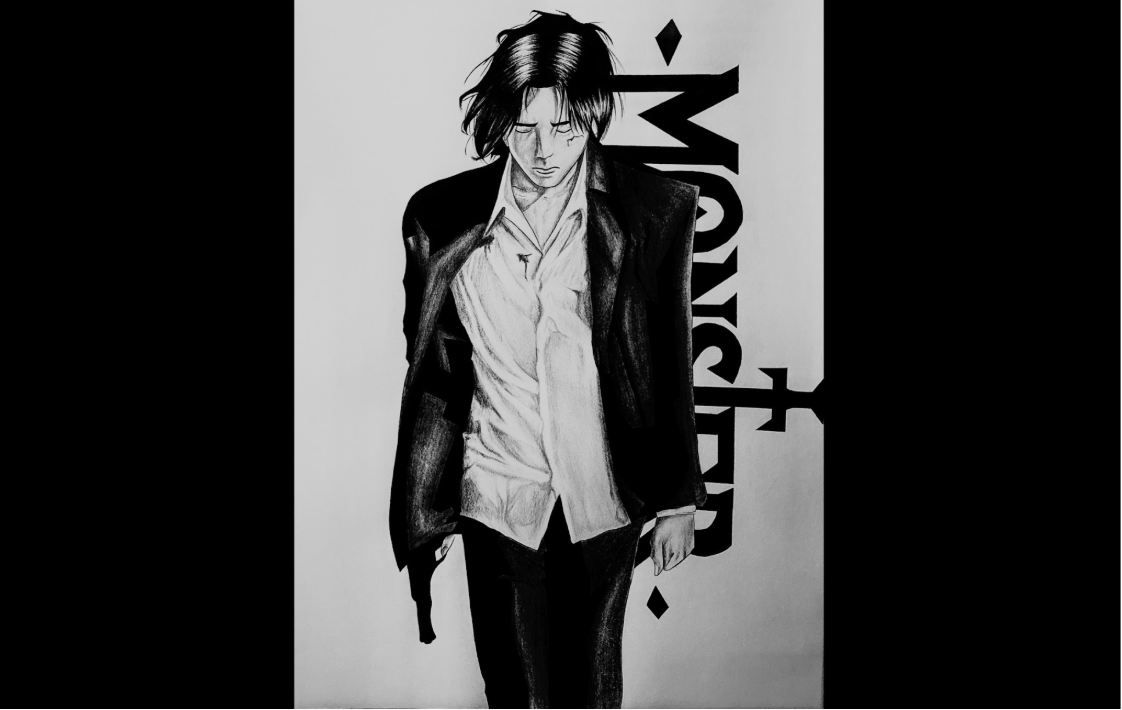
For example, there is a distinct atmosphere and melancholy that defines shows like ‘Texhnolyze’ (2003) and ‘Monster’ (2004). ‘Texhnolyze’ stands out specifically because of its unapologetic approach; the series relies more on visual storytelling rather than exposition. The first episode features nearly eleven minutes of complete silence before a single word is spoken.
Even though there are long stretches of time that go without dialogue and character motives aren’t always clear, I would still consider ‘Texhnolyze’ to be one of my favorite anime series of all time. That is because instead of spoon-feeding us the plot, it uses color palettes, gritty art design, and ambient soundscapes to establish a mood.
‘Texhnolyze’ was more of an experience rather than a story.
And I think that is something many modern anime fail to do. They try so hard to tell a story rather than letting the viewer experience it. They dismiss the fundamental element of mature storytelling, that being “show don’t tell”.
This results in modern anime often feeling too forced—almost soulless. By relying too heavily on overused tropes, characters feel predictable and boring. I believe this points to a deeper issue within the writing process: many creators seem unable to write complex, multidimensional characters, often leaving them flat and without purpose.
You could say that studios have gotten noticeably “lazier” to create better adaptations. Even with access to better technology, they fail to capture the authenticity of the original work by making unnecessary plot changes simply to save themselves the effort of animation.
A prominent example of this corporate corner-cutting is Studio Pierrot’s 2014 adaptation of ‘Tokyo Ghoul’. The studio essentially stripped away the manga’s essence and psychological depth by cutting major world-building, character developments, and completely deviating from the original storyline.
As a result, the adaptation became a massive disappointment, with fans labeling it the “most disappointing and botched manga adaptation in modern anime history” and as a total disservice to Sui Ishida’s original masterpiece.
One of the most recent cases of this is the 2025 adaptation of ‘Wadance’. Since the production relied heavily on motion-captured 3D graphics, it left the animation feeling rigid, lifeless, and completely devoid of the raw energy found in the original manga. The execution was so poor that the creator himself began to experiment with hand-drawn animation to prove just how much more could have been achieved.
With all of this in mind, it really feels like studios and editors are more focused on creating for an audience rather than creating for the art itself. They are so driven by a fear of how the media will be interpreted that they turn to homogenizing everything, which ultimately results in incredibly bland and standardized animation.
That is not to say that these problems arise out of nowhere; it is obvious that animators work under grueling conditions, strict deadlines, and face low wages. But my point is that it’s quite devastating seeing such an unique art form slowly fade away. Much like the rest of the entertainment industry, anime is losing its distinct visual identity to mass-produced uniformity, trading off genuine passion for commercial profit.

