By: Arturo Benetiz-Osorio




By: Arturo Benetiz-Osorio
By: Sema’Jae Tate
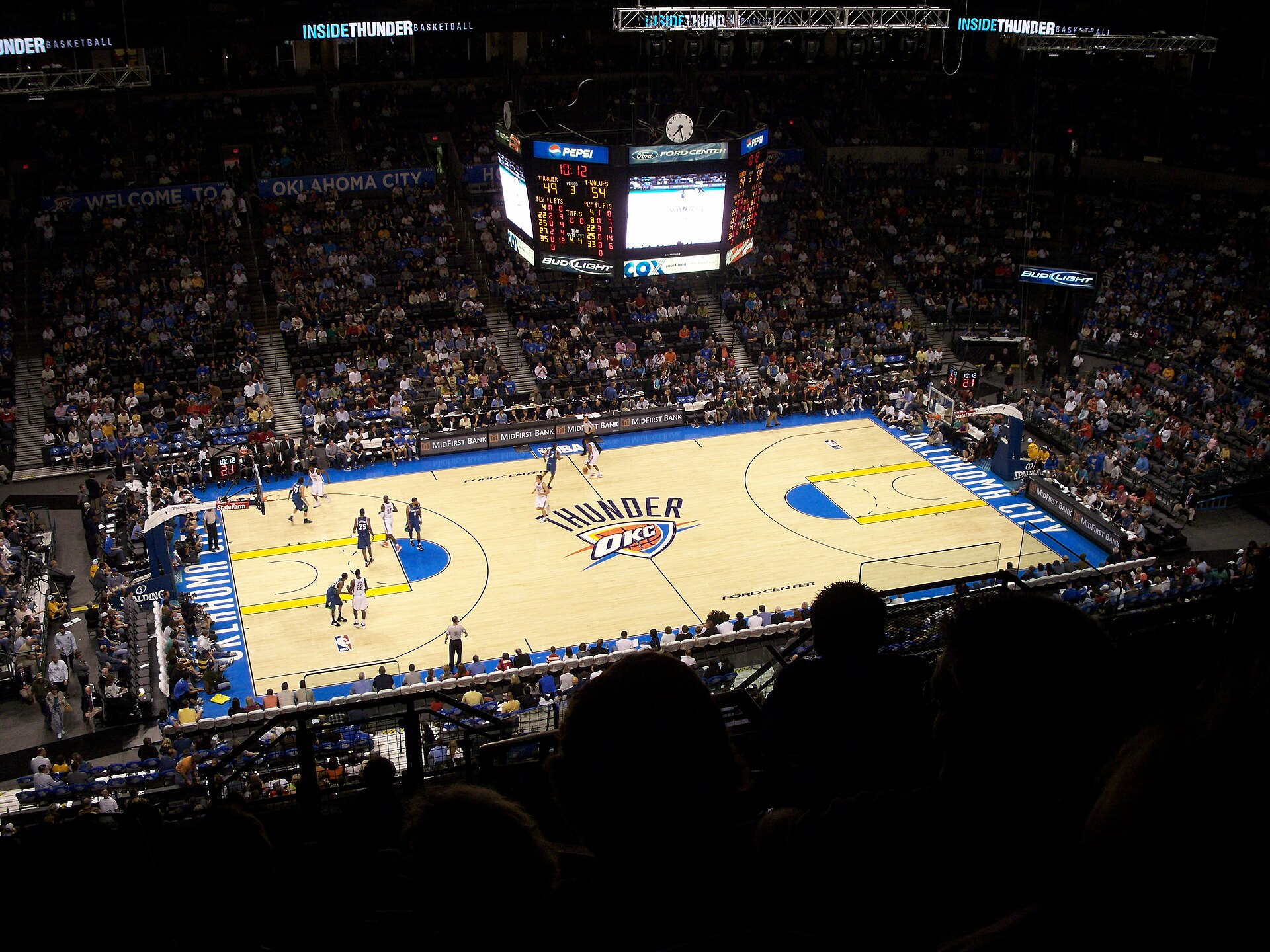
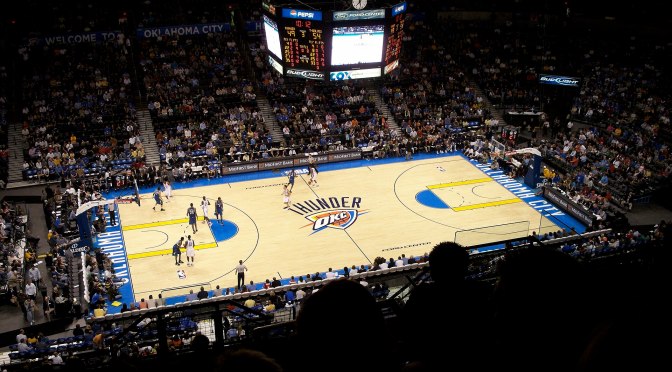
The Spurs and OKC’s game was actually a really good game because both teams kept matching each other’s energy the whole night. OKC ended up winning 122-113, but it was never like the Spurs were completely out of it. The Thunder played way more aggressively in this game after losing Game 1. Their offense looked smoother, they moved the ball better, and they hit a lot of important shots to keep the game close.
OKC also played with more intensity on defense which helped them force turnovers and get easy points in transition.
The Spurs still played solid though. They stayed competitive most of the game and kept fighting back every time OKC was gaining momentum. Their ball movement was good and they had stretches where the offense looked hard to stop, but they gave up too many easy buckets late in the game.
After 2 games, the series is tied 1-1, so it feels like it could honestly go either way depending on who plays better defense and handles pressure more in the next games. But the game really showed how this series can go either way.
One thing I noticed about the Spurs is they never really gave up even when they were down. They kept attacking the basket and trying to stay physical, but their defense started slipping later in the game. OKC took advantage of that by getting easy transition points and controlling the pace more in the fourth quarter. Both teams played hard though, which is why the series feels way more competitive now.
My feedback about the is I think the Spurs would’ve won if Dylan Harper didn’t get injured but they also need to tighten up defensively if they want to win the series because OKC is too good offensively and foul baiters.
At the same time, OKC has to keep playing with the same energy because when they move the ball and play aggressively they look hard to stop.
Overall, it was a really good game and it definitely made the series more interesting going into the next matchup.
| ATHLETIC EVENTS SCHEDULE MAY 24 – MAY 30 | |||
| SUNDAY | MAY 24 | ||
| TIME | BUS TIMES | EVENT | LOCATION |
| MONDAY | MAY 25 | ||
| TIME | BUS TIMES | EVENT | LOCATION |
| TUESDAY | MAY 26 | ||
| TIME | BUS TIMES | EVENT | LOCATION |
| 4:30pm | 3:15pm | 6:30pm | Baseball Sections vs. Holy Angels | Donaldson Park |
| 5:00pm | Boys Volleyball Sections vs. Humboldt | Humboldt High School | |
| WEDNESDAY | MAY 27 | ||
| TIME | BUS TIMES | EVENT | LOCATION |
| Boys Golf Section Tournament | Manitou Ridge Golf Course | ||
| 9:00am | Girls Golf Section Tournament | Goodrich Golf Course | |
| 3:30pm | Track and Field Section Championships | Macalester College | |
| 4:30pm | 3:00pm | 6:30pm | Baseball Sections vs. Southwest | Parade Stadium |
| THURSDAY | MAY 28 | ||
| TIME | BUS TIMES | EVENT | LOCATION |
| 9:00am | Girls Golf Section Tournament | Goodrich Golf Course | |
| FRIDAY | MAY 29 | ||
| TIME | BUS TIMES | EVENT | LOCATION |
| Boys Golf Section Tournament | Bunker Hills Golf Course | ||
| 3:30pm | 1:30pm | 8:00pm | Track and Field Section Championships | Macalester College |
| SATURDAY | MAY 30 | ||
| TIME | BUS TIMES | EVENT | LOCATION |
By: Maizie Hughes and Avi Zmira
By: Alexsia Williams

Kamala Harris who was born to Shyamala and Donald Harris, was born on October 20th, 1964, in Oakland, California. In her early childhood years Harris attended Thousand Oaks Elementary School, in Berkeley’s public school system. Alongside attending school, Harris also attended both a Black Baptist church and Hindu temple, to honor her biracial heritage.
In her teenage years, Harris attended Westmount High school In Montreal, Canada, which was 60% percent white and 40% percent Black at the time. Although she initially struggled with the language barrier at the French speaking school because she spoke no French, her peers and friends during that time described her as “very smart” and “eloquent.”
After high school, Harris majored in political science and economics at Howard University in Washington D.C. During her time at Howard, she chaired the economic society, led the debate team, and was a member of a sorority.
After attending Howard, she returned to California to attend law school to earn her Juris Doctor from the University of California, Hastings College of the Law in 1989, where she served as the president of the Black Law Students Association.
After passing the bar exam in 1990, Harris began her career as a deputy district attorney in Alameda County to focus on prosecuting child sexual assault cases. Not long after, she moved to the San Francisco district attorney’s office, where she ran the carrier criminal unit.
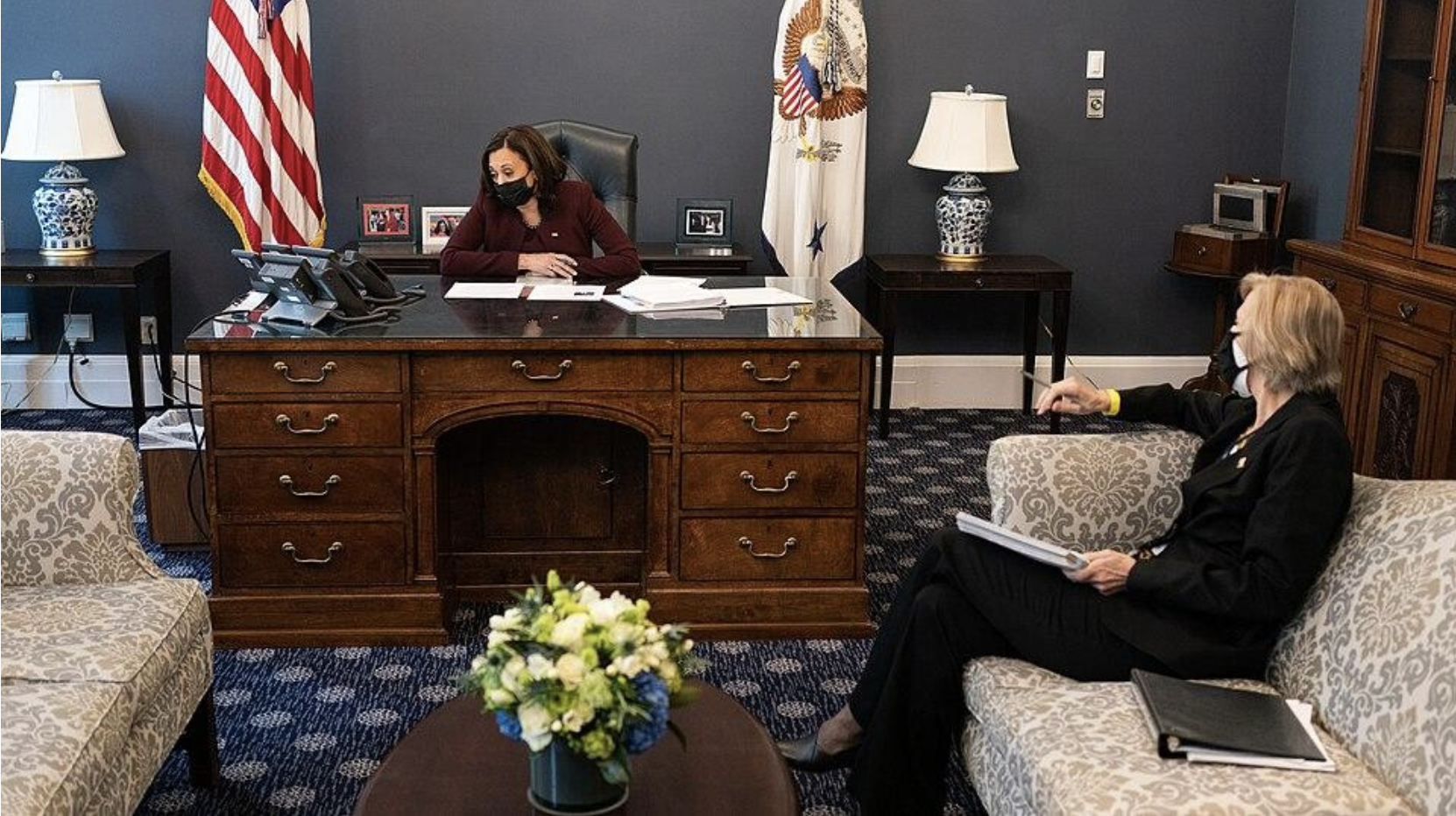
Moving forward in later years, Harris served as the 49th vice president, alongside president Joe Biden through 2021 to 2025. With president Biden withdrawing from the race in July 2024, Harris became the democratic nominee for president but ultimately was defeated in the general election by Donald Trump.
Although not winning the 2025 election, Harris is recognized for being the first Black American, and the first South Asian American to hold the vice presidency. She continues to still advocate and be a leading voice for abortion rights, gun violence prevention and many other policies.
By: Story Houghton and Damiya Payne
By: Daniel Kendle
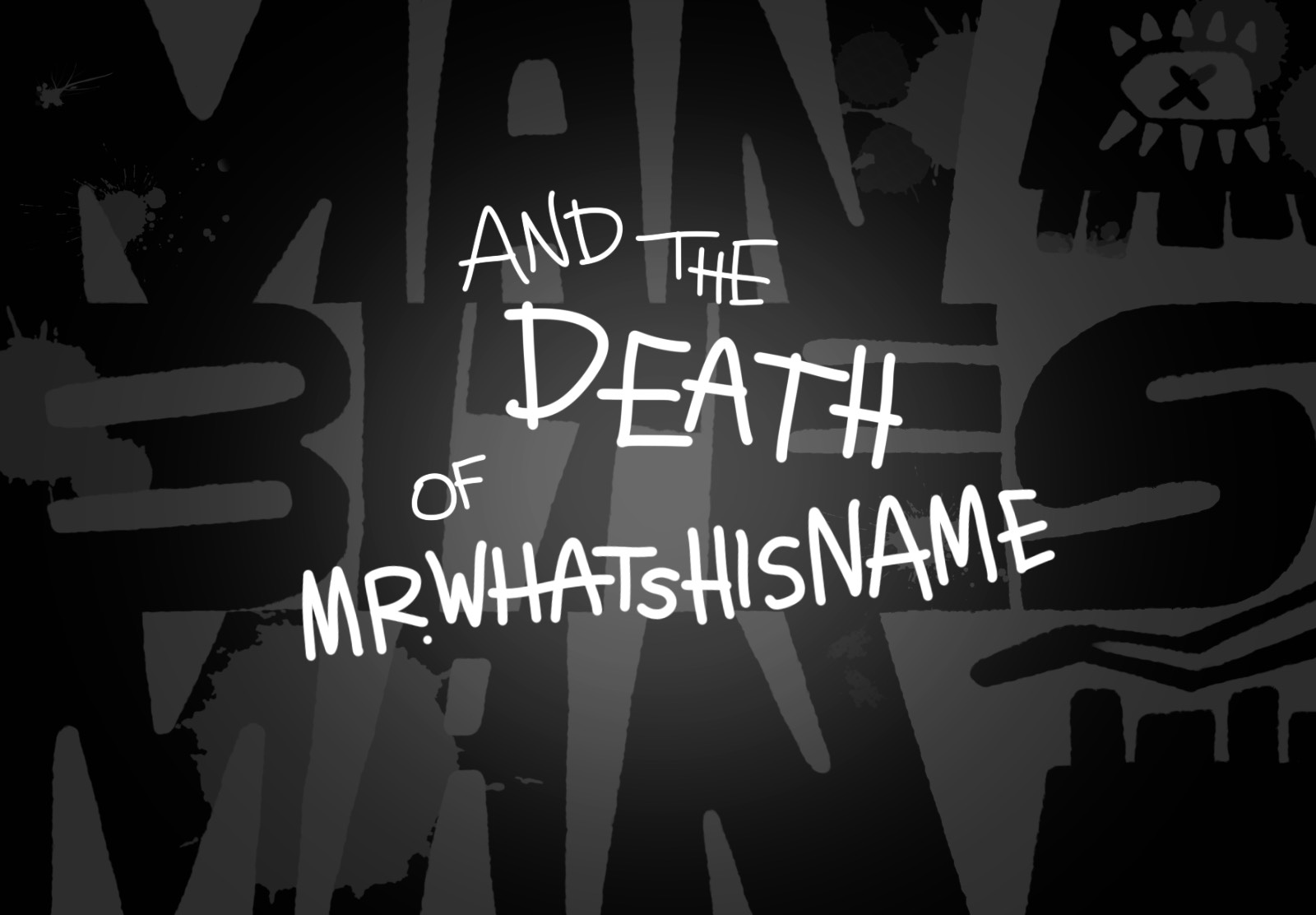
They got him, of course.
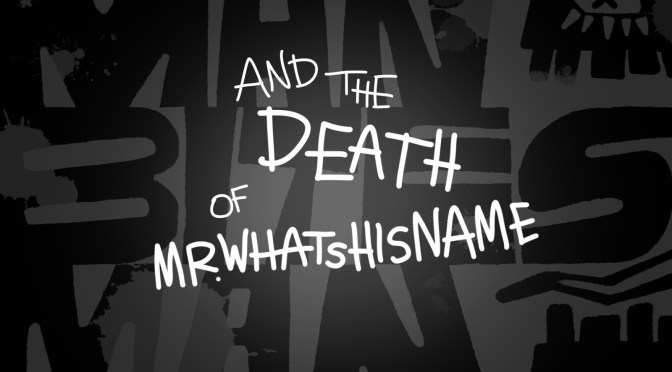
“Got him” being a simplified term, (“They” as well, I suppose). It didn’t take long after Mr. Whatshisname first deserted his home in pursuit of the Rocky Mountains when, his destination only a mere hundred miles due East, the poor sap was apprehended by the horde of villains. Villains of articles he’d once written, now alive in a strange fantasy world the author somehow also lived in himself.
But that’s a discussion for a different day. What mattered was that the elusive mink that was Mr. Whatshisname had been caught by the metaphorical serpent of the villain catalogue. Predator and prey had finally convened on one another as the rival factions fought in a brief standoff outside of the Colorado border. The quarrel ended as quickly as it began, the sole high schooler faring little chance against the crew of gods, demons, and bears.
In a sense, this event marked a lyrical end to Mr. Whatshisname and his articles, depicting the metaphorical point at which articles from him ceased; his creative abilities constricted as a result of his apprehension via the aforementioned evils. News and radio stations dry of any more interesting stories (heck, any stories period) would report on the matter and cement Mr. Whatshisname’s imprisonment as a doorway to his inevitable death, murdered at the hands of foes seeking vengeance for their past mistreatment in his written stories.
That’s not what happened. Because Mr. Whatshisname lived.
Secured in a strange, artificial pod, his body, injected with a myriad of untested drugs and prescriptions, fell limp to the hands of his new captors. He was kept in the cryogenic chamber in order to remain alive, exposure to the outside world and its horrors being fatal for his frail physique. There, the experiments began.
Serum-8008 was the main point of research throughout the villain’s testing. They’d partnered with a pharmaceutical company prior to the reviewer’s capture, aiming to explore the prescription’s possibilities in the pursuit of lengthening the human lifespan. While a noble effort for a rag-tag team of maniacal marauders, the experiments ultimately ended with an alternative outcome, one that both aided and discarded its aim of extended life.
After his body accepted the serum, strange things began happening to Mr. Whatshisname. Despite his comatose state, recurring uncontrollable bodily functions were exhibited by him: defecation, vomiting of blood, rapid secretion of mucus, the like. These symptoms, however strange and grotesque they may be, were all in mere anticipation of what was to come.
Serum-8008’s true consequence, revealed: rapid acceleration of evolution. What physical features may have taken humanity millions of years to develop were formed by him in mere weeks. In his chamber, now covered in viscous liquid from top to bottom, his bones, flesh and skin writhed in confused madness, Mr. Whatshisname undergoing levels of pain incomparable to anything else on Earth.
This continued for days, weeks, months…it turned out that the vaccine had extended his life, though to a degree even its researchers had never thought possible. Eventually, 2.2 billion years after his first injection — Mr. Whatshisname’s constant metamorphosis capsized.
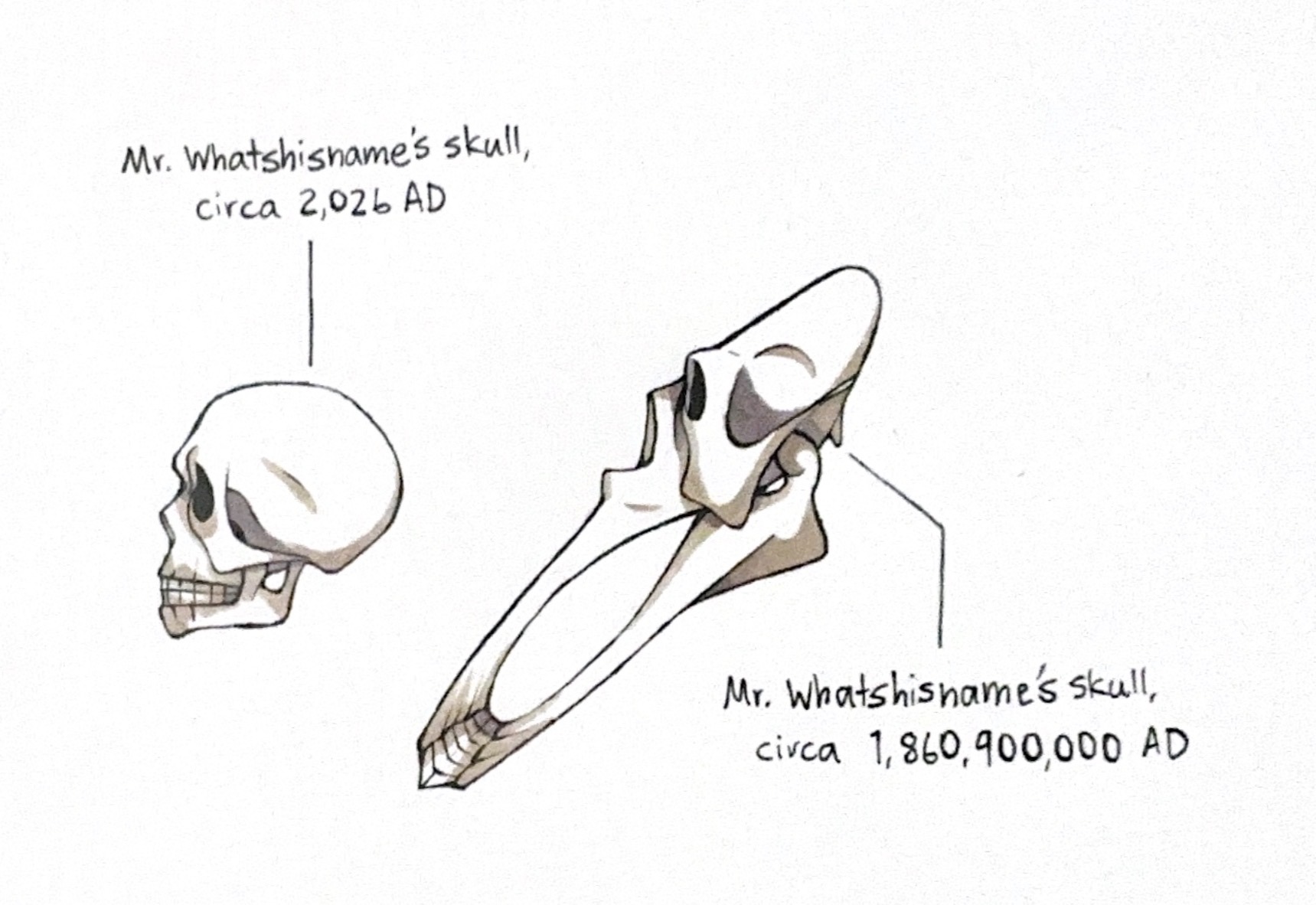
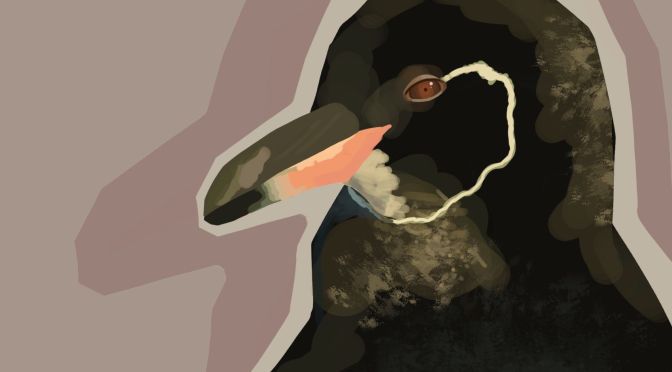
Fig. 1: A diagram comparing 2 hypothesized skulls of Subject M. Whatshisname throughout his constant evolution. The leftmost diagram is dated around the time experimentation on him first began.
His form at this point was, as one would expect, completely-foreign to when he’d originally started. Once a sprite young high-school graduate, his being had progressed — or as some would assert, regressed — into an animalistic mass. His gait was now more or less akin to a large, elephantine gazelle, his knuckles and toes transformed into hoof-like appendages. Dubbed a “false ungulate,” his brain had become stunted long ago, his existence now filled with the eating of grass and leaves, as well as evading natural predators on a now alien Earth.
Mr. Whatshisname’s saga ends here along with JOYSTiCK Reviews. His story finishes with not so much a triumphant roar but a whimper. The reviewer had lived long, lived hard, yes — but in the end, was it really so different from death?
. . . . .
I relay all of this information to you for a couple of reasons. Firstly, my thesis paper requires examination of a past historical figure, so that part’s obvious. But there is another purpose for this story.
As I write this sentence, the year is 2,040,497,300 A.D. Humans, a now-extinct species whose descendants have since transformed into others, are an, at best, sparsely-researched topic of historians. My tendrils clutch at the thought of my ancestors’ legacies being forgotten, thus leading me to explore Homo sapiens sapiens for my university final exam.
Every single article written by Mr. Whatshisname — whose real name and surname remain unknown — has been included as sources in this project. Every single one you’ve read has been transcribed by me, reformatted by me, and synthesized onto the website you’re currently using. He is dead. His legacy is now mine to share, of which I have been doing for the last 3.5 years.
But why do I do this? That question I have yet to answer. It’s simple: despite their lack of importance in society today, humans fascinate me. Their societies, their cultures, everything surrounding them and their ancient creations is astounding. I can only imagine the average person looking around at their world with all of their creations, feeling a sense of pride out of how far their species had come.
And yet, they’ve become forgotten. Mere echoes of dynasties long past their prime. That…saddens me. But unfortunately, that’s the reality we live in: time will always outpace, outrun you…and there’s nothing you can do about it.
So that’s why I leave you with this, reader: Live long. Live right. Live a life full of love, happiness, kindness, and beauty. Live a life packed with experiences, with memories, and the friends and family you find along the way.
Whether it be planets, galaxies, or even universes that separate us, know that someone out there cares about you. Your existence, whether spent subjugated to imprisonment or writing about ancient races, matters.
Finally, if any long-dead humans are somehow reading this…
…thanks for everything.
Sincerely,
Banacus Grox of the Wustar Galaxy Alliance Z
University of Vordulla
By: Fred Gallatin

The NBA and NHL seasons began overlapping in the 1970’s and have not looked back from there. There are a wide range of positive aspects to this, but they are met with negatives that spark the question, “Should the NHL and NBA seasons overlap with each other?”
The positives of the overlap include sports equinoxes, cultural impact, shared audiences, and the display of technological prowess by arena staff and engineers.
A sports equinox is a nickname given to a night where all four U.S. major sports have a game in progress simultaneously. Sometimes, cities have a multitude of teams playing at the exact same time mere minutes away from each other.
A great example of this is the recent Minnesota sports equinox. The Minnesota Wild, Timberwolves, and Twins all won their games in the Twin Cities mere hours apart from each other. Additionally, the Wolves and Wild clinched playoff series victories with these wins, making it arguably the greatest night in Minnesota sports history.
For a state with historically awful playoff reputations, it was huge for these teams to advance in the playoffs on the same night, at home, and in front of their loyal fans. This equinox was a huge event for the entire state and will be talked about for years to come.
Another positive of the overlap is shared audiences. A group of fans tuning into an NBA playoff game a little bit early have the opportunity to see the ending to an electric playoff hockey game that they otherwise would not have seen. New fans are born, more people talk about other leagues, and TV ratings go up.
Hundreds of millions of dollars are poured into stadiums across America annually. The NHL and NBA overlap is their time to show off the modern technological advances and aesthetic designs that elevate sports to another level.
In cities like Boston, Los Angeles, and New York City, the largest arenas can switch from a hockey arena to a basketball court, or vice versa, in just a few hours. This means it is entirely possible for someone to sit down for a Boston Bruins NHL playoff game and stay for a Boston Celtics NBA playoff game without moving from their seat.
This goes hand in hand with the previously listed positives because it adds to a city’s excitement for, and participation in, sports and the surrounding activities.
Although the positives are very strong, there are definitely negative aspects to the league overlap. Viewership dilution, unfair media coverage, and fatigue are often brought up in opposition to the overlap.
Since there are NBA and/or NHL playoff games every single day for two straight months, there is bound to be some unavoidable scheduling overlap. When this occurs, restaurants and bars have to cut audio, fans have to decide between games, and electric moments are either missed or ignored.
Typically, fans will choose to watch the NBA when given the choice. In fact, the NBA gets nearly four times as much viewership as the NHL. This leads to the next negative aspect of the overlap, which is unfair media coverage.
ESPN, SportsCenter, and other media outlets like social media pages are fighting for their lives each spring. Eliminations, budding rivalries, important injuries, and other storylines simply are not given the attention they deserve. This primarily affects the NHL, which, in turn, makes it even less likely that people will choose it over the NBA.
If you follow sports and open social media anywhere between April and June, you are guaranteed to see some NBA coverage, clips, or news. The same cannot be said for the NHL. Some feel that the sport must work harder to be publicized, but I believe that it comes down to poor TV deals and a cultural shift towards basketball and football as opposed to hockey.
Finally, fan and player fatigue are a huge drawback for these long, overlapping league calendars. No matter how relaxing you think watching sports may be, it is wildly different during the playoffs. Passionate fans count down the hours until a pivotal game in the series, and it undoubtedly takes a toll on them.
I can speak on this firsthand. During the in-tandem Wild and Wolves playoff series earlier this month, it was difficult giving both the attention they deserved while not letting it affect my daily schedule more than it should. Additionally, even by the end of the second round, it got overwhelming having such important games every single day.
Many players have also said this, and it is a relatively common belief that early playoff series should be shortened to preserve the energy and excitement. Too often, fans are bored by the time that the NBA or Stanley Cup Finals roll around. This results in an anti-climactic ending to a super important stretch for many teams, cities, and fans across the country.
Overall, the overlapping NBA and NHL league calendars have positive and negative aspects. In my opinion, this format adds excitement to an otherwise dull portion of the sports calendar. In the absence of football, basketball and hockey have to carry the American sports scene for the spring and summer due to baseball being near its all-time low.
I believe that this league overlap is a good thing. The cons are not enough to outweigh the pros, which include city pride, cultural events, newfound passions, and investments into city economies. Although chaotic, these overlapping playoff campaigns bring unmatched excitement to sports fans and organizations alike. As the NBA and NHL playoffs begin to wind down in June, remember to appreciate the beautiful chaos that ensues every season with these sports.
As a die-hard Minnesota sports fan, I will never forget the sports equinox that saw us eliminate the Denver Nuggets and Dallas Stars three hours apart. The future is now, and next spring should be one to remember for the Wolves and Wild as they look to continue their ascension to championship contention.
By: Cael Schwartzbauer

By: Karl Salkowski


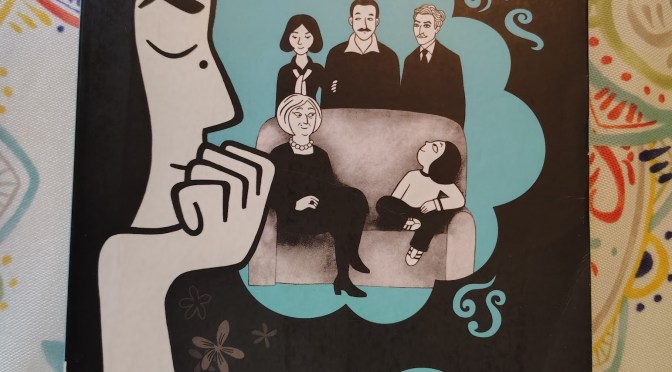
Who is Marjane Satrapi and what is the influence of the book ‘Persepolis’.
Marjane Satrapi was born on November 22nd, 1969, in Rasht, Iran. She grew up in the city of Tehran in an upper middle class family. In addition, her parents were both active leftists against the Shah monarchy. In 1983, at age 14, she fled Iran, moving in with a family friend in Vienna, Austria. She stayed in Vienna for the rest of her schooling, attending the Lycée Français de Vienne. After being evicted from the convent she was forced to move into, she became homeless and lived on the streets of Austria for 3 years. Satrapi decided to return home to Iran due to loneliness, deep depression, and a feeling like she did not belong in Europe.
When Satrapi was 30 years old, in the year 2000, she published an autobiographical memoir about her life, entitled ‘Persepolis’. The novel begins and follows a ten-year-old Marjane Satrapi navigating life following the Iranian revolution. ‘Persepolis’ is critically acclaimed, having been translated into over 24 languages, and selling over two million copies. The book was originally published in French, in France, but was later translated to English in 2003.
‘Persepolis’ challenges Western views of Iranian people and the revolution, telling a coming of age story from the perspective of someone experiencing the revolution firsthand. The book was hated by the Iranian government, who viewed it as propaganda, supporting modern leftist movements. Still to this day, Marjane Satrapi is unable to return to Iran almost 30 years after ‘Persepolis’s’ publication.
Just a few years after the book’s widespread success, in 2007, Marjane Satrapi directed and oversaw ‘Perepolis’s’ film adaptation. The film would later go on to share the Jury Prize with a Mexican film titled ‘Silent Light’ at the 2007 Cannes Film Festival. However, the Iranian government would see this award as “an unconventional and unsuitable act,” and the government would later have the film dropped from the Bangkok International Film Festival, a major cinematic event that showcased over 200 films from over 40 different countries.
I personally really enjoyed the book ‘Persepolis’, and I would highly recommend it. It is one of the most engaging graphic novels I have ever read with some of the most interesting artwork and structure. I could not put the book down, and it is one of my favorite books I have read so far in 2026. I would give this book a 9/10, and I believe everyone should read it at least once.