
USA history

By: Abreham Debele

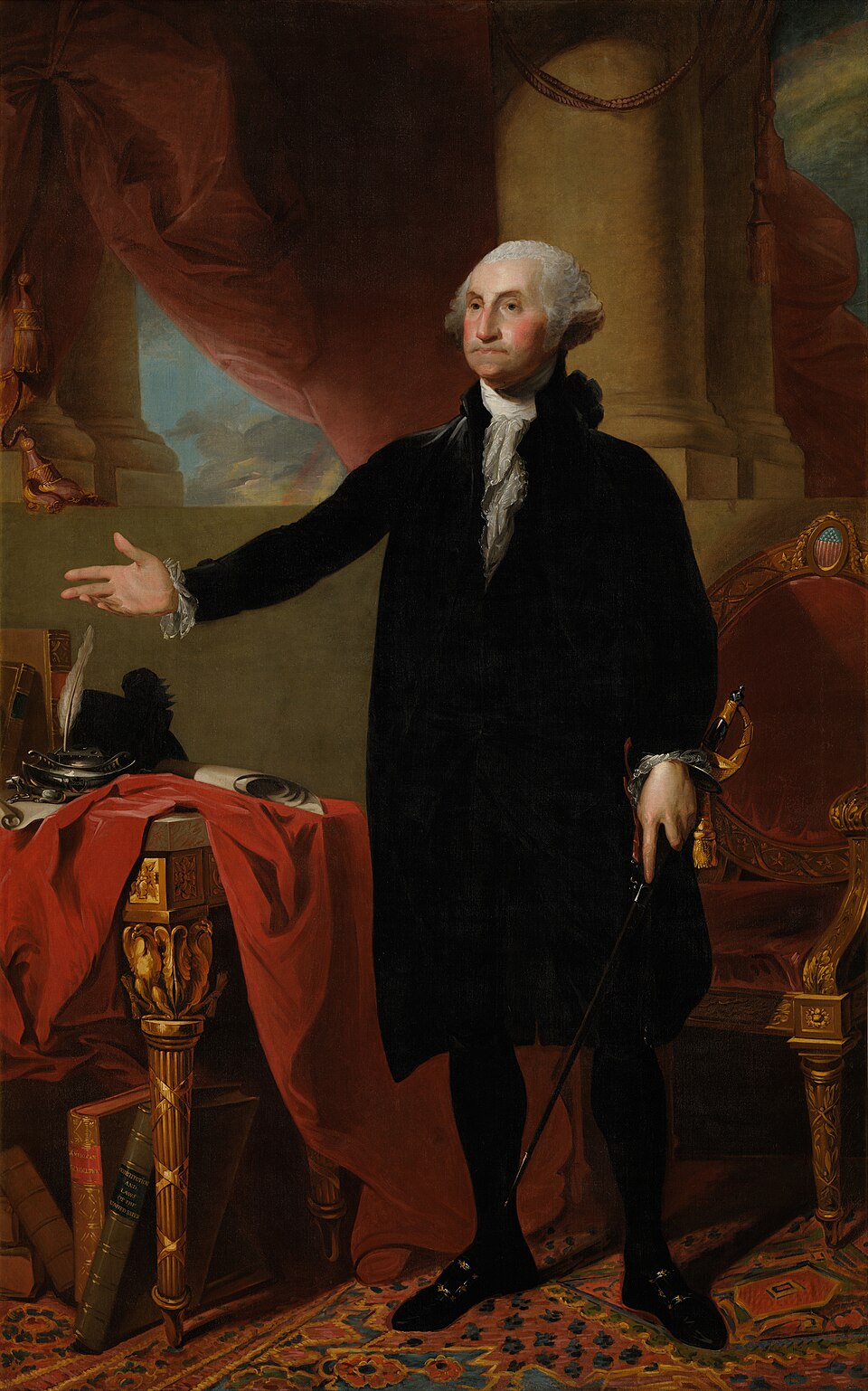
George Washington, by: Gilbert Stuart (1755–1828) via Wikimedia Commons

The American Revolution was a war that was between the 13 American Colonies and the Great British Army. The colonists were angered with the fact that Great Britain kept making them pay taxes, even though they had no representation in the British government. Because of these unfair rules and regulations, the colonists started protesting. Over time, these arguments and disagreements grew more tense and led to serious conflict between the two armies. This led to a war that would rage on from 1775 to 1783.

In 1775, the war would have officially begun, and the colonies formed their own army calling it the Continental Army. It was led by its commander-in-chief George Washington. The first battles took place at Lexington and Concord in Massachusetts. At Lexington, the colonists were sadly outnumbered and had to retreat. However, at Concord, the colonists fought back and eventually forced the British troops to retreat back to Boston.

The colonists mostly wanted independence so they could govern its own land. On July 4, 1776, the Declaration of Independence was signed and adopted mostly by Thomas Jefferson. This document was created so people understood their reasonings for retaliating against the British army and gave everyone basic rights.

The war lasted several gruesome years and was difficult for the colonists. Throughout the war, the colonists dealt with many diseases such as smallpox, malaria, and pneumonia. This ultimately happened because the conditions throughout the war were very poor and soldiers often didn’t possess clean water, food, or proper shelter.

During the war, the colonists received important aid from France, who gave them aid such as money, soldiers, and ships. These supplies were very beneficial because it benefited them during the final battle at Yorktown.

The war eventually ended in 1783 with the Treaty of Paris. This agreement recognized the United States as its own independent country and gave them the ability to form its own government.
Why gas prices are so high

By: Simon Pluger

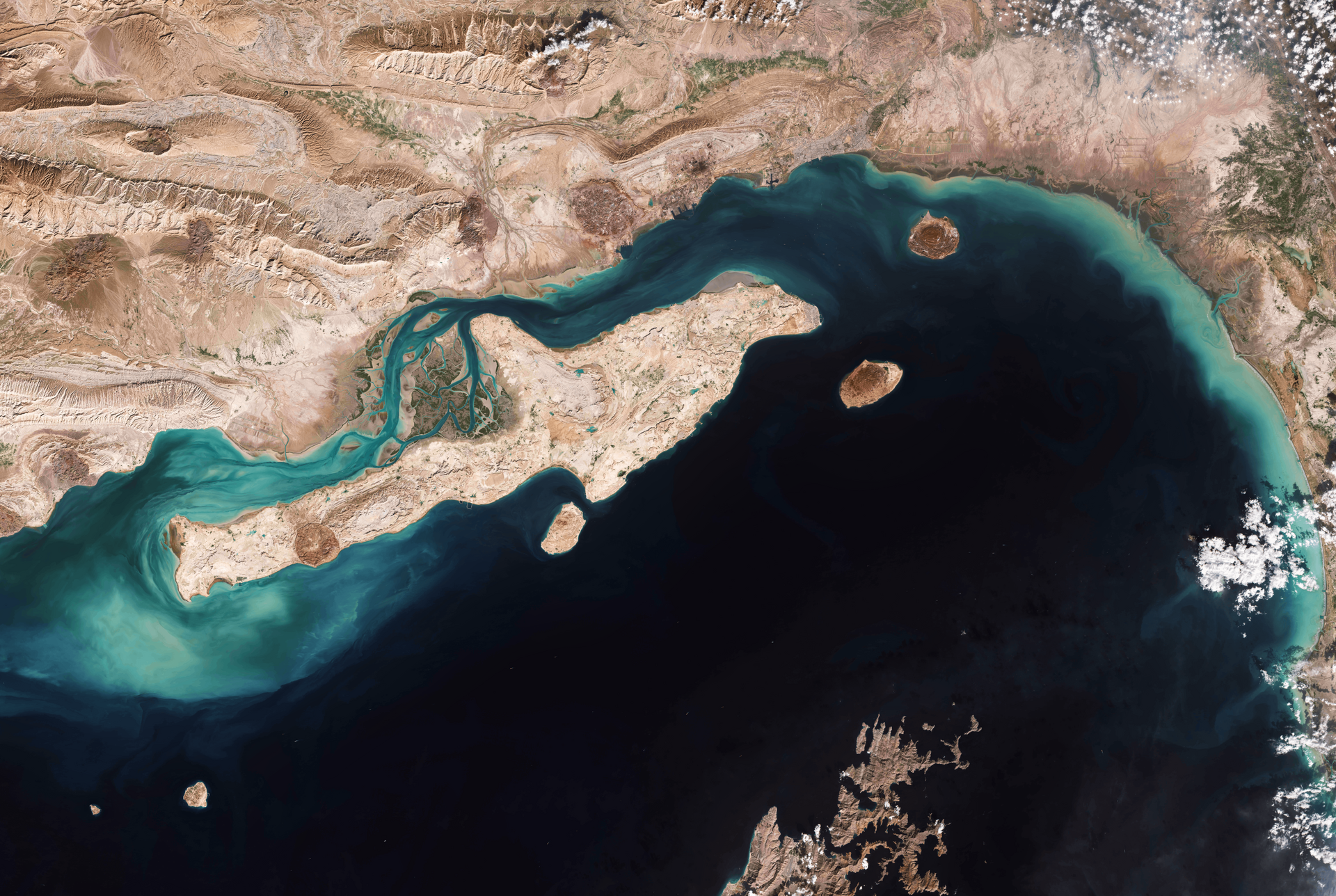
Strait of Hormuz, 14 May 2021 by: European Space Agency (ESA) via Wikimedia Commons

Since the beginning of 2026, the biggest question is when are the gas prices going to go down? Really, we don’t know but we can statistically track when they will.

Ever since Trump helped Israel launch several bombs to Iran it hasn’t been good. Many people have died mainly in Iran. We bombed hospitals and places with kids but that’s not what we are talking about today.

Since Trump has been very violent towards Iran recently they have been cutting ties and trying to close the Strait of Hormuz which is a narrow body of water in Iran. 20% of the world’s crude oil is passed through the Strait of Hormuz, making it really important. Because of the closure, the ships that are carrying the oil have to redirect and go different routes making it take longer and using more gas and oil itself.

It is not the gas itself that is expensive but it is expensive right now because it is taking more time and importantly, more work, for the oil to arrive where it needs to be. Even if we go to real war with Iran, gas will stay relatively the same price because we will most likely just switch providers of where we buy our gas from and different ways to ship it. As soon as our conflict with Iran stops though, the gas prices will steadily go down as shipping boats are able to go through the Strait of Hormuz. People would think that it would become cheaper very fast, but it won’t because there will still be ships that are going the new alternative ways.

Also, it’s not just the physical shipping that costs money. Other countries need oil too. The supply and demand goes up everywhere so that makes prices go up as well. Since companies don’ t know when they might get their oil, they charge higher prices as they still need to make money, and they are having to spend more.

The hardest part to understand is why things won’t get better the second the fighting stops. The change won’t be rapid, but instead will be more slow. Ships are going to still be stuck at the Strait, or they are going to still be going around Africa. It’s going to take a while for the shipping routes to get back to normal, so we probably shouldn’t expect cheap gas for a few months after peace starts.