

By: Merob Geleto, Dahlia Man and Calvin Westin
Tag Archives: NBA
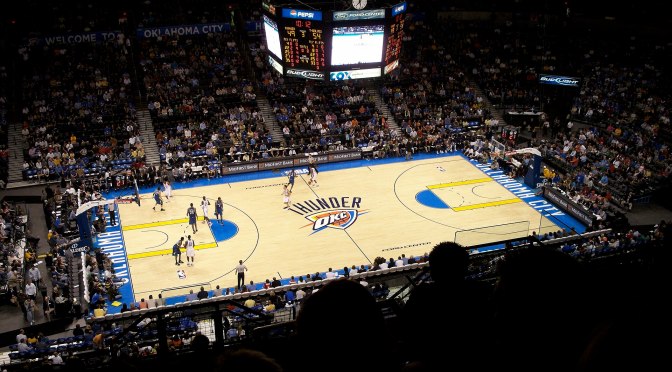
San Antonio Spurs vs OKC: 2026 Playoff Game 2
By: Sema’Jae Tate
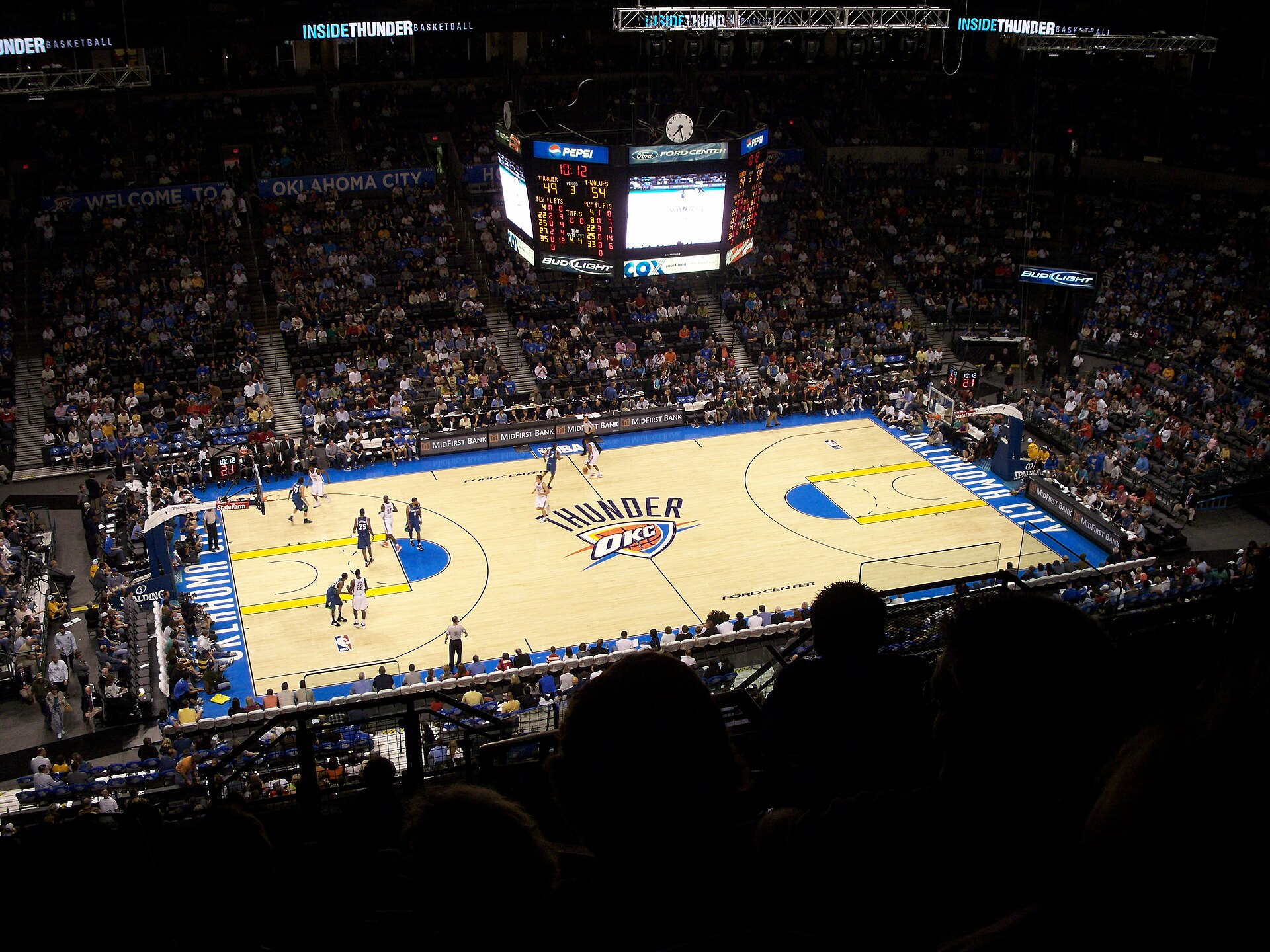
The Spurs and OKC’s game was actually a really good game because both teams kept matching each other’s energy the whole night. OKC ended up winning 122-113, but it was never like the Spurs were completely out of it. The Thunder played way more aggressively in this game after losing Game 1. Their offense looked smoother, they moved the ball better, and they hit a lot of important shots to keep the game close.
OKC also played with more intensity on defense which helped them force turnovers and get easy points in transition.
The Spurs still played solid though. They stayed competitive most of the game and kept fighting back every time OKC was gaining momentum. Their ball movement was good and they had stretches where the offense looked hard to stop, but they gave up too many easy buckets late in the game.
After 2 games, the series is tied 1-1, so it feels like it could honestly go either way depending on who plays better defense and handles pressure more in the next games. But the game really showed how this series can go either way.
One thing I noticed about the Spurs is they never really gave up even when they were down. They kept attacking the basket and trying to stay physical, but their defense started slipping later in the game. OKC took advantage of that by getting easy transition points and controlling the pace more in the fourth quarter. Both teams played hard though, which is why the series feels way more competitive now.
My feedback about the is I think the Spurs would’ve won if Dylan Harper didn’t get injured but they also need to tighten up defensively if they want to win the series because OKC is too good offensively and foul baiters.
At the same time, OKC has to keep playing with the same energy because when they move the ball and play aggressively they look hard to stop.
Overall, it was a really good game and it definitely made the series more interesting going into the next matchup.
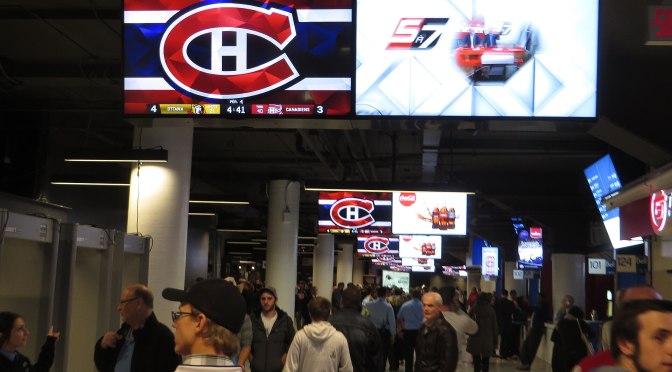
NBA and NHL overlap
By: Fred Gallatin

By: Ken Lund from Reno, Nevada, USA via Wikimedia Commons
The NBA and NHL seasons began overlapping in the 1970’s and have not looked back from there. There are a wide range of positive aspects to this, but they are met with negatives that spark the question, “Should the NHL and NBA seasons overlap with each other?”
The positives of the overlap include sports equinoxes, cultural impact, shared audiences, and the display of technological prowess by arena staff and engineers.
A sports equinox is a nickname given to a night where all four U.S. major sports have a game in progress simultaneously. Sometimes, cities have a multitude of teams playing at the exact same time mere minutes away from each other.
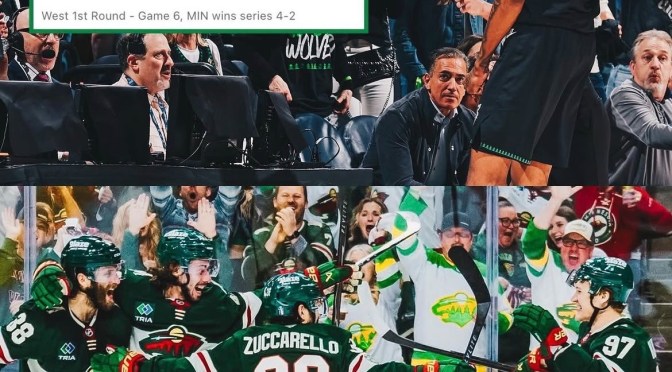
A great example of this is the recent Minnesota sports equinox. The Minnesota Wild, Timberwolves, and Twins all won their games in the Twin Cities mere hours apart from each other. Additionally, the Wolves and Wild clinched playoff series victories with these wins, making it arguably the greatest night in Minnesota sports history.
For a state with historically awful playoff reputations, it was huge for these teams to advance in the playoffs on the same night, at home, and in front of their loyal fans. This equinox was a huge event for the entire state and will be talked about for years to come.
Another positive of the overlap is shared audiences. A group of fans tuning into an NBA playoff game a little bit early have the opportunity to see the ending to an electric playoff hockey game that they otherwise would not have seen. New fans are born, more people talk about other leagues, and TV ratings go up.
Hundreds of millions of dollars are poured into stadiums across America annually. The NHL and NBA overlap is their time to show off the modern technological advances and aesthetic designs that elevate sports to another level.
In cities like Boston, Los Angeles, and New York City, the largest arenas can switch from a hockey arena to a basketball court, or vice versa, in just a few hours. This means it is entirely possible for someone to sit down for a Boston Bruins NHL playoff game and stay for a Boston Celtics NBA playoff game without moving from their seat.
This goes hand in hand with the previously listed positives because it adds to a city’s excitement for, and participation in, sports and the surrounding activities.
Although the positives are very strong, there are definitely negative aspects to the league overlap. Viewership dilution, unfair media coverage, and fatigue are often brought up in opposition to the overlap.
Since there are NBA and/or NHL playoff games every single day for two straight months, there is bound to be some unavoidable scheduling overlap. When this occurs, restaurants and bars have to cut audio, fans have to decide between games, and electric moments are either missed or ignored.
Typically, fans will choose to watch the NBA when given the choice. In fact, the NBA gets nearly four times as much viewership as the NHL. This leads to the next negative aspect of the overlap, which is unfair media coverage.
ESPN, SportsCenter, and other media outlets like social media pages are fighting for their lives each spring. Eliminations, budding rivalries, important injuries, and other storylines simply are not given the attention they deserve. This primarily affects the NHL, which, in turn, makes it even less likely that people will choose it over the NBA.
If you follow sports and open social media anywhere between April and June, you are guaranteed to see some NBA coverage, clips, or news. The same cannot be said for the NHL. Some feel that the sport must work harder to be publicized, but I believe that it comes down to poor TV deals and a cultural shift towards basketball and football as opposed to hockey.
Finally, fan and player fatigue are a huge drawback for these long, overlapping league calendars. No matter how relaxing you think watching sports may be, it is wildly different during the playoffs. Passionate fans count down the hours until a pivotal game in the series, and it undoubtedly takes a toll on them.
I can speak on this firsthand. During the in-tandem Wild and Wolves playoff series earlier this month, it was difficult giving both the attention they deserved while not letting it affect my daily schedule more than it should. Additionally, even by the end of the second round, it got overwhelming having such important games every single day.
Many players have also said this, and it is a relatively common belief that early playoff series should be shortened to preserve the energy and excitement. Too often, fans are bored by the time that the NBA or Stanley Cup Finals roll around. This results in an anti-climactic ending to a super important stretch for many teams, cities, and fans across the country.
Overall, the overlapping NBA and NHL league calendars have positive and negative aspects. In my opinion, this format adds excitement to an otherwise dull portion of the sports calendar. In the absence of football, basketball and hockey have to carry the American sports scene for the spring and summer due to baseball being near its all-time low.
I believe that this league overlap is a good thing. The cons are not enough to outweigh the pros, which include city pride, cultural events, newfound passions, and investments into city economies. Although chaotic, these overlapping playoff campaigns bring unmatched excitement to sports fans and organizations alike. As the NBA and NHL playoffs begin to wind down in June, remember to appreciate the beautiful chaos that ensues every season with these sports.
As a die-hard Minnesota sports fan, I will never forget the sports equinox that saw us eliminate the Denver Nuggets and Dallas Stars three hours apart. The future is now, and next spring should be one to remember for the Wolves and Wild as they look to continue their ascension to championship contention.
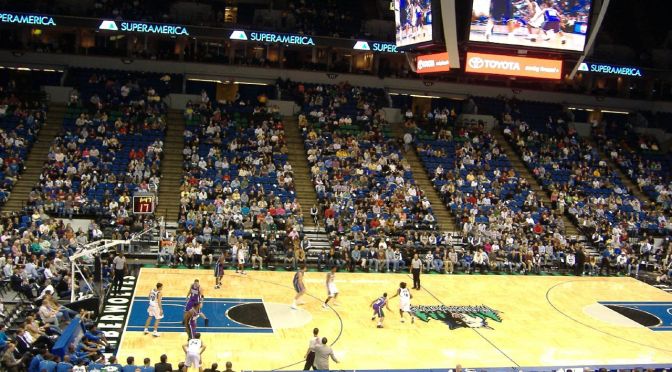
GAME 5 PLAYOFF GAME: MINNESOTA TIMBERWOLVES VS SAN ANTONIO SPURS
By: Sema’Jae Tate
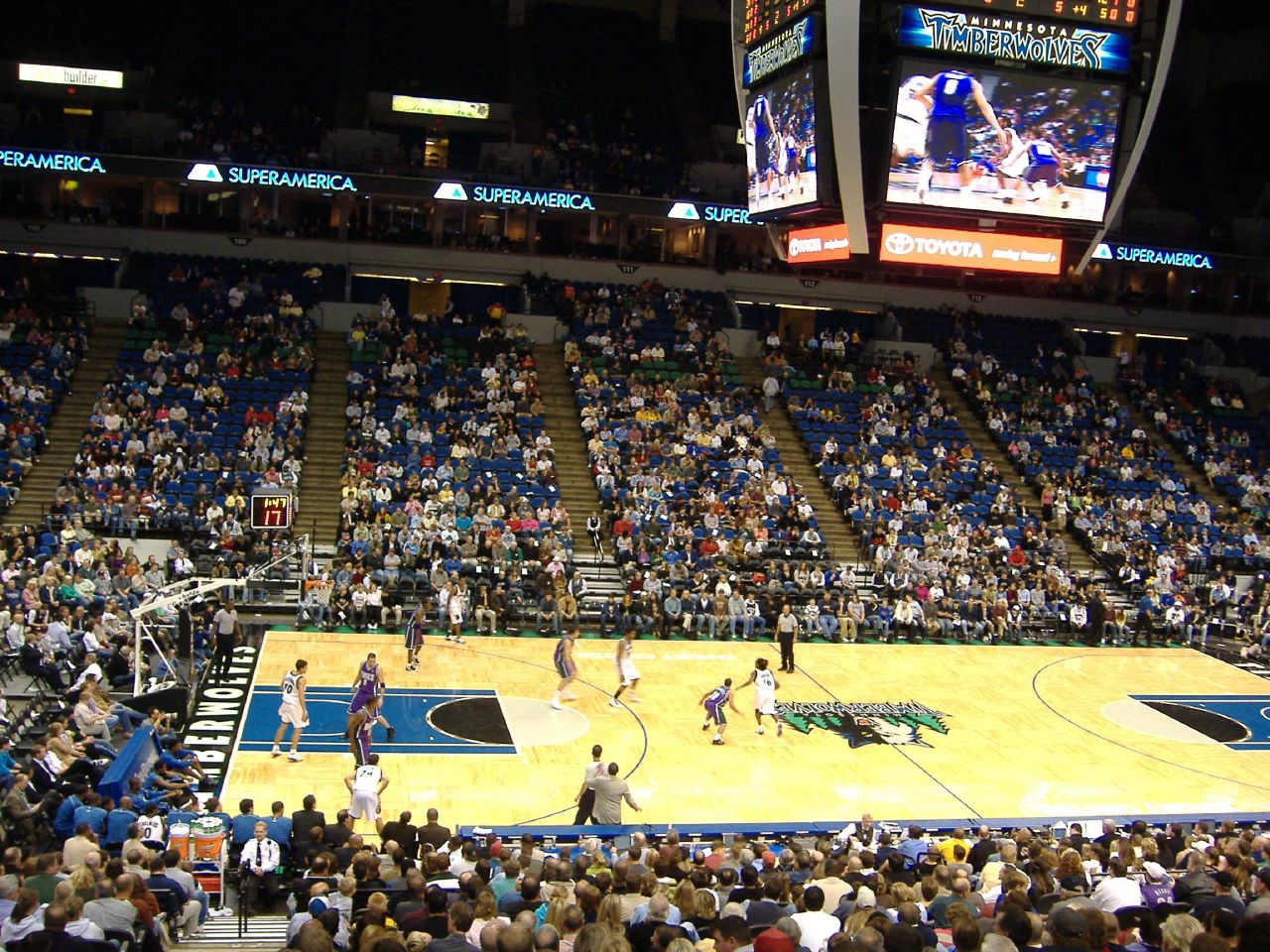
The Minnesota Timberwolves had a rough night in Game 5 against the San Antonio Spurs, losing 126-97 as the Spurs took a 3-2 lead in the playoff series. San Antonio came out aggressive right away and controlled the first quarter behind a huge start from Victor Wembanyama, who was scoring from everywhere and protecting the paint. The Spurs built an early lead and kept the momentum going in the second quarter while Minnesota struggled to get stops defensively.
By halftime, the Timberwolves were already down big and had to try to fight their way back into the game. Anthony Edwards started attacking more in the third quarter, and Minnesota made a little run to cut the lead down, but San Antonio answered almost immediately with big plays from Wembanyama, De’Aaron Fox, and Keldon Johnson. The Spurs ended up winning every quarter completely taking over.
Overall, Minnesota just looked out of rhythm for most of the game. The defense wasn’t locked in, turnovers were a big reason for most of the part, and they had no answer for Victor Wembanyama all night. Minnesota did bad, but had players like Anthony Edward trying to keep them up, finishing with 20 points, while Julius Randle and Jaden McDaniels both were stacking up points, both having 17, but it still wasn’t enough because the Spurs were moving the ball better and getting easier shots. San Antonio also dominated the rebounds and controlled the pace from start to finish.
My feedback about the Minnesota Timberwolves vs The San Antonio Spurs is the Timberwolves just came into this game not ready and let the Spurs take their confidence early. Once San Antonio got rolling, Minnesota never really recovered or never took the momentum back. The team needed more energy on defense and better communication because there were too many open looks and fast break plays that lead to big scoring advantages.
Anthony Edwards tried to keep the team alive, playing with 2 knee injuries, and play like Julius Randle and Jaden McDaniels, but they needed more help around them. If the Timberwolves want to stay alive in the series, they have to play way more physical in Game 6, start faster and learn how to play all around and stop letting Wembanyama control the whole game.
Minnesota Timberwolves game 6 playoffs 2026
By: Sema’Jae tate
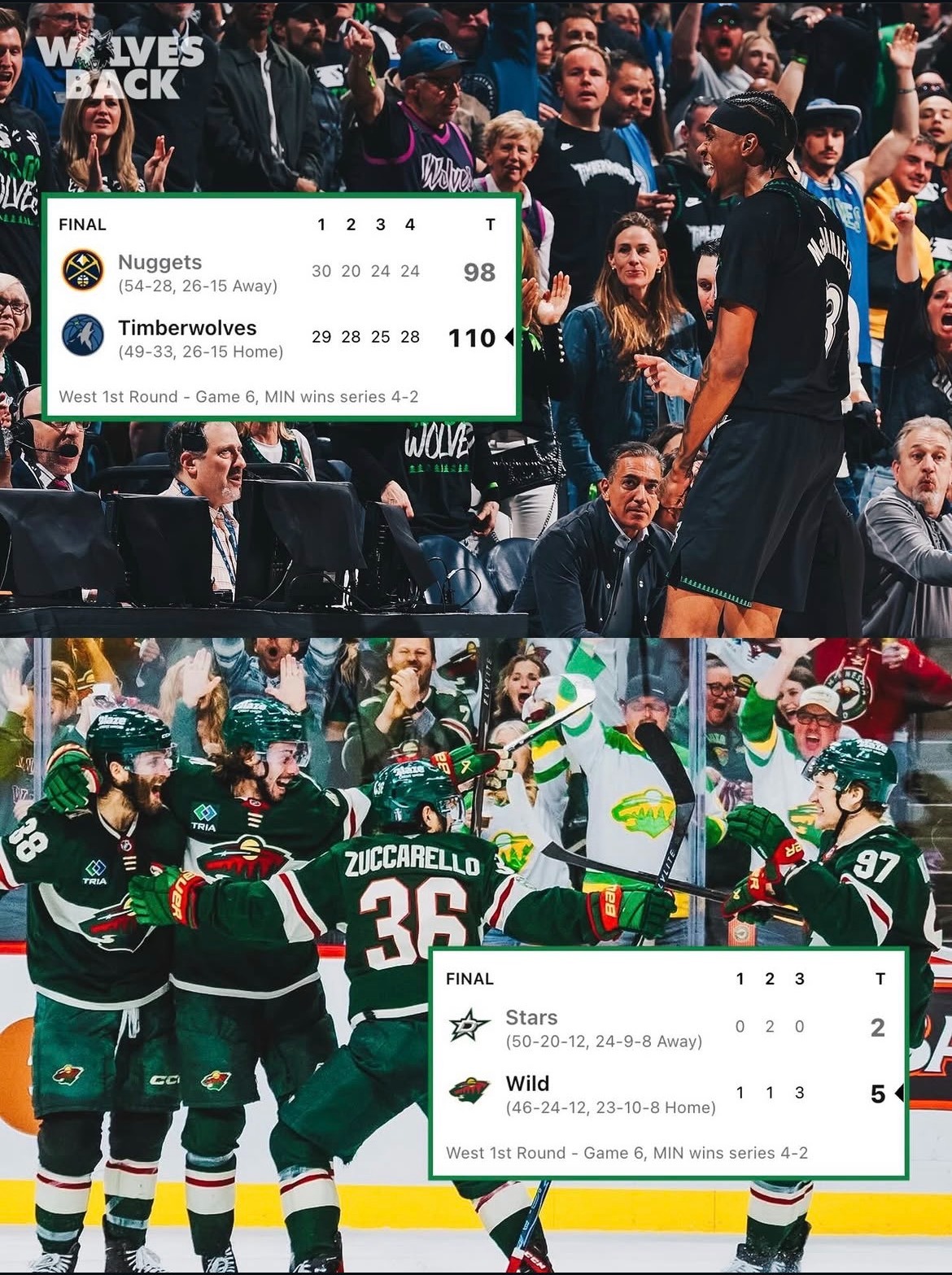
Game 6 was honestly a tough but impressive showing from the Timberwolves. Even though the final score was 110–98, you can tell Denver didn’t just roll over—they competed the whole way. Jaden McDaniels really stepped up big time with 32 points on 13-25 shooting, carrying a lot of the offensive load and showing he can be that guy when needed (Anthony Edwards, the Wolves’s star player, was out). Julius Randle added 18, and Terrence Shannon Jr. chipped in 24, which gave the team some solid scoring balance. Naz Reid also gave a strong 15 off the bench.
It wasn’t perfect—some guys struggled with efficiency, because they weren’t used to playing with each other, and we didn’t get a ton from the bench overall—but there was still effort and fight all game.
What makes it even more real is that we weren’t even at full strength. Not having our star players out there definitely hurt (aside from Ant, they were also missing DiVincenzo), especially when it came to closing the gap and controlling momentum. You could feel that missing presence late in the game when we needed a bucket or a leader to take over. Still, the way the team battled without them says a lot.
My overall feedback about the game is that I feel like our back-up players came out and showed out carrying us to the victory with guys like Naz Reid coming off the bench and dropping 15 strong, Jaden McDaniels dropping 32 points and being the lead scorer (this being one of his best games so far in the playoffs), and Terrence Shannon Jr. dropping 24 points. It was kind of rocky the first quarter but we came back strong in the 2nd half.
If we keep it up, we should be ready for the Spurs because they are coming off some hot wins. They have Victor Wembanyama, the Defensive Player of the Year, coming off of scoring 17 point/14 rebounds, De’Aaron Fox scoring 21 points, Julian Champagnie scoring 19 and etc. They knocked the Trailblazers out of the playoffs so these are going to be some tough and competitive match ups, but we’re going to see who takes it all home.
*Update: Anthony Edwards came back from his injury and scored 18pts in a game 1 win for the Wolves.
MINNSOTA TIMMBERWOLVES PLAYOFFS PERFORMENCE
By: Sema’Jae Tate
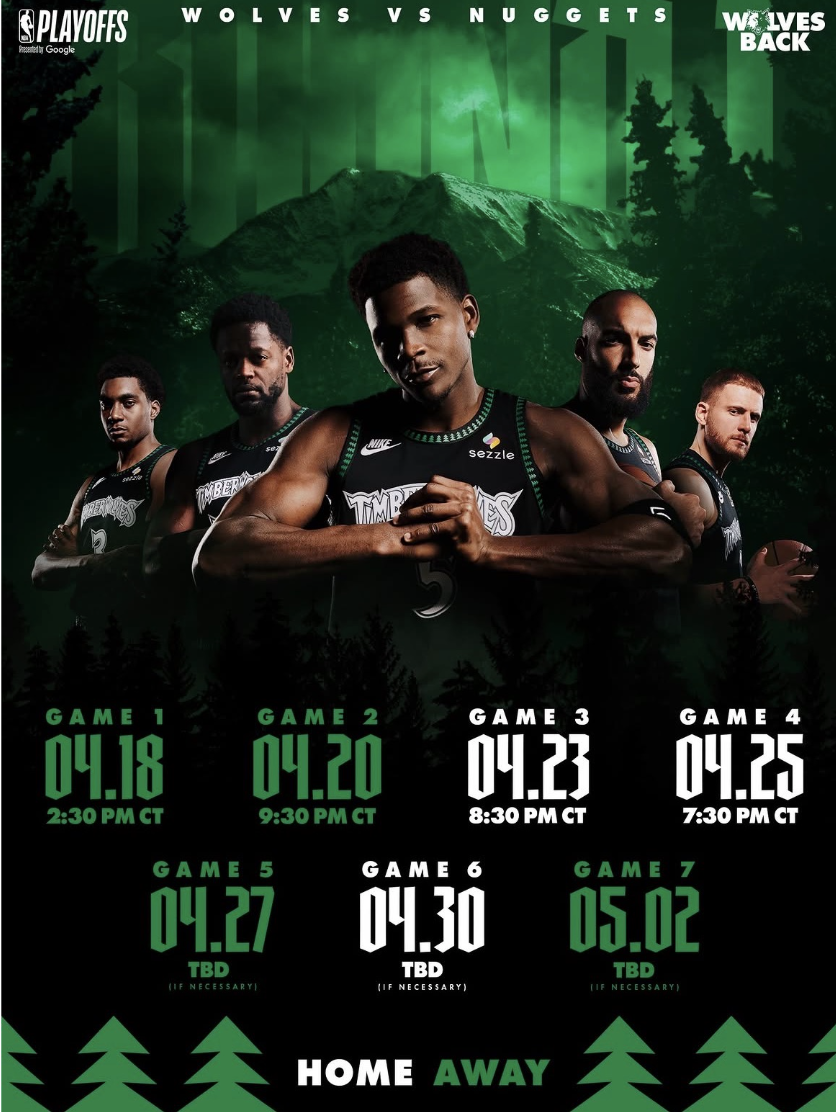
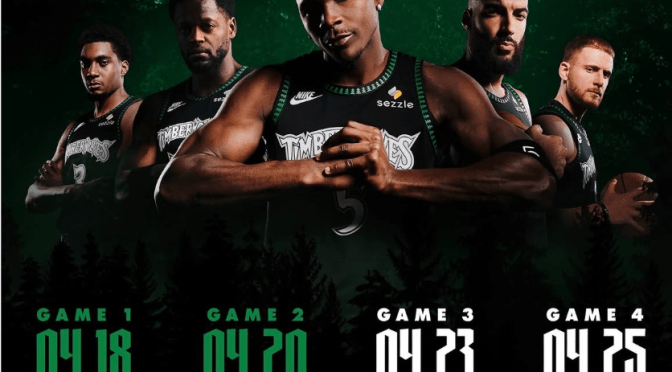
Game 1
Nuggets 116 – Timberwolves 105 (Loss)
Minnesota started the series a little slow. Denver controlled the pace and shot efficiently, pulling away in the second half. The Timberwolves struggled defensively and couldn’t keep up with the scoring late in the game.
My biggest takeaway was that the team chemistry wasn’t good on defense.
Game 2
Timberwolves 119 – Nuggets 114 (Win)
The Timberwolves bounced back with a strong offensive performance. They played faster, moved the ball better, and executed well in the fourth quarter to even the series. This game showed their ability to respond under pressure.
In this game, the Wolves came out to play and learned from the 1st game and stopped them.
Game 3
Timberwolves 113 – Nuggets 96 (Win)
Back at home, Minnesota took control with strong defense and a balanced attack. They held Denver under 100 points and built a comfortable lead, showing dominance on both ends of the floor.
I liked how Gobert was going after Jokic back and forth.
Game 4
Timberwolves 112 – Nuggets 96 (Win)
Minnesota continued their momentum and took a 3–1 series lead. This game was intense, with physical play and even some late-game tension between players. Despite injuries to key players, the Timberwolves had a huge performance off the bench and controlled the game from start to finish.
Ant (Anthony Edwards), the Wolves start player, was injured in this game. But it was OK because the team still played strong and came out with the win.
Overall Series So Far
The Timberwolves currently lead the series 3–1, showing major improvement after losing Game 1. They’ve been winning with defense, depth, and strong scoring runs, especially in the second half of games. Their biggest strengths have been controlling the pace and stepping up in clutch moments, while their early inconsistency in Game 1 is the main weakness they’ve corrected.
Everything you need to know about the NBA playoffs so far
By: Karl Salkowski

The NBA playoffs feature a best of 7 format with a home-away game structure of 2-2-1-1-1. The playoffs last several months, beginning on April 18th and, assuming the finals go to a game 7, until June 19th. Similar to American football, the NBA has two conferences, the Western and the Eastern conferences.
On each side of the bracket, the top 6 teams from the regular season automatically earn their spot in the playoffs, but teams ranked 7-10 get the chance to compete for the final two positions. This is called the Play-In Tournament and happens post-regular season but before the beginning of the playoffs. It is a single-elimination style tournament where the 9th and 10th seeds must win 2 games in order to proceed, while the 7th and 8th seeds only need to win 1.
So far, every team in the playoffs has played 3-4 games, with multiple lower seed teams possibly upsetting higher ranked teams. As expected, the top rated team, and defending champions, the Oklahoma City Thunder, are leading their series 3-0, and the 2nd seed in the West, the San Antonio Spurs are winning 3-1 against the 7th seeded Portland Trail Blazers.
However, the Minnesota Timberwolves, the 6th seed in the West, are upsetting the 3rd seed, the Denver Nuggets, 3-1 even after 2 of their starters have faced major injuries. On April 25th, the Timberwolves shooting guard, Donte DiVencenzo, tore his Achilles just over a minute into their fourth game against the Nuggets, and just a couple minutes later in the first half of the same game, Anthony Edwards suffered a left knee injury, possibly taking him out for the rest of the season.
To round out the Western Conference, the Lakers are leading 3-1 against the Houston Rockets even without two of their starters, Luka Dončić and Austin Reaves.
Moving on to the Eastern Conference, one of the biggest upsets so far is the 8th seeded Orlando Magic leading the first seed in the East, the Detroit Pistons, 2-1. In addition, the 2nd seed Boston Celtics are leading the 76ers 3-1 after a blowout game 4. The rest of the Eastern Conference is tied 2-2 after game 4 with no clear winners in sight.
Best scorers in NBA history and why
By: Ro’Mel Bryant-Oliveraz
Being the best scorer in NBA history isn’t just about total points or averages. It’s also about who is the biggest threat every time they touch the ball and can score in the most ways. NBA legends like Michael Jordan, Kobe Bryant, LeBron James, Kevin Durant, Steph Curry, and even modern players like Luka Doncic all redefined scoring through skill, technique, and IQ.
Michael Jordan is always seen as the gold standard for many. As a pure scorer, he combined unmatched athleticism, an almost undefendable drive, and one of the best mid range shots. Opponents had to guard every part of the floor because Jordan could jump above defenders or fade away under pressure. He has the record of 10 scoring titles, heavily adding to his scoring reputation.
Kobe Bryant is also one of the best behind MJ, taking Jordan’s blueprint and adding his own pre planned footwork and bag of fakes. With a very fast release and the ability to spin into layups or pull-up jumpers, and ability to fake them, Kobe made every possession a calculated threat of scoring. He has the record of third most points scored in a game at 81 points.
LeBron James brings unmatched physical dominance and longevity. The all-time leading scorer has averaged around 25+ points for over 20 years. His size, speed, strength, and evolving shooting make him almost unstoppable in transition and the half court.
Kevin Durant is the ultimate scoring machine. At 7 feet with movement and handles like a small guard, and a pure shooting stroke, KD can score from anywhere at all; pull up threes, mid range, or over smaller defenders at the rim. His length makes his shot almost unblockable, while also refining his shooting to be one of the most pure, effortless, and automatic. He is a 4-time NBA scoring Champion, and a prominent member of the 50-40-90 club, meaning at least 50% from field, 40% from three, and 90% from the line.
Steph Curry changed the game with his unlimited shooting range and off ball movement. He forces defenses to guard 30 feet or more from the basket, creating space for himself and teammates, and being able to shoot impossible shots from impossible distances. He also has one of the best handles and body manipulation for a small guard. He holds the record of career made 3 pointers, and is the only player to record a 50-40-90 season while leading the league in scoring. He also has a 42.3% shooting from deep, which is unheard of, and more importantly the only player to have a Unanimous MVP.
Today, Luka Doncic uses top tier rhythm manipulation to make his movement slow yet unpredictable. Also being able to score from anywhere on the court from deep threes, mid range fade aways, or tough layups. Combine that with elite playmaking and willingness to take tough shots, makes him one of the most offensively best players. He has the highest scoring averages in NBA history, and second highest career playoff PPG behind Jordan.
Overall, the greatest scorers are those who force defenses to change strategy. Jordan, Kobe, LeBron, KD, Curry, and Luka, each proved scoring is about skill, versatility, achievements and mentality; not just points.
The NBA All Star game
By: Sema’Jae Tate
Team USA Stars
Coach: J.B. Bickerstaff
- Scottie Barnes: Pts 19.3 AST 5.6 Reb 8.4
- Devin Booker: Pts 25.2 AST 6.3 Reb 4
- Cade Cunningham : Pts 25.3 AST 9.6 Reb5.6
- Jalen Duren: Pts 17..7 AST 1.8 Reb 10.4
- Anthony Edward’s: Pts 29.3 AST 3.7 Reb 5.2
- Chet HolmGren: Pts 17.5 AST 1.6 Reb 8.6
- Jalen Johnson: Pts 23.3 AST 8.2 Reb 10.6
- Tyrese Maxey: Pts 28.9 AST 6.8 Reb 4.1
Team USA Stripes
Coach: Mitch Johnson
- Jaylen Brown: Pts 29.3 AST 4.7 REB 6.9
- Jalen Brunson: Pts 27 AST 6.1 REB 3.3
- Kevin Durant: Pts 25.8 AST 4.4 REB 5.3
- De’aaron Fox: Pts 25.8 AST 6.3 REB 3.8
- LeBron James: Pts 22 AST 7.1 REB 5.8
- Kawhi Leonard: Pts 27.9 AST 3.7 REB 6.4
- Donovan Mitchell: Pts 29 AST 5.9 REB 4.5
- Stephen Curry: Pts 27.2 AST 4.8 REB 3.5
Team World
Coach: Darko Rajakovic
- Victor Wembanyama: Pts 24.4 AST 2.8 Reb 11.1
- Nikola Jokić: Pts 28.7 AST 10.7 REB 12.3
- Luka Dončić: Pts 32.8 AST 8.6 REB 7.8
- Pascal Siakam: Pts 23.7 AST 3.9 REB 6.7
- Jamal Murray: Pts 25.7 Ast 7.6 REB 4.4
- Deni Avdija: Pts 25.5 2 AST REB 7.2
- Karl-Anthony Towns: Pts 19.8 Ast 2.9 REB 6.7
- Alperen Şengün: Pts 20.7 Ast 6.3 REB 9.4
- Norman Powell: Pts 23 Ast 7.6 REB 3.6
- Shai Gilgeous – Alexander (injured DNP): Pts 31.8 Ast 6.4 Reb 4.4
- Giannis Antetokounmpo (injured DNP): Pts 28 Ast 5.6 Reb 10
*Note: All player stats are season stats
The all star game is for players from other team to come together and play with each other. Although they’re having fun, they also play competitively to win. The games were very close and some players did better than others.
Stars vs World: This game was good with Stars on top and the score being 35 to 37.
Stars vs Stripes: Although Stars are coming off a win they were defeated by Stripes 40 to 42.
World vs Stripes: The Stripes were undefeated with coming off a win vs Stars and won against World 45 to 48.
The championship was game Star vs Stripes with Stripes coming off two wins back to back. This game wasn’t close at all though with the score being 47 to 21 Stars for the win.
My feedback about the games is that the team World was terrible. They didn’t win one game, but overall, I liked the tournament set-up. My favorite player was Anthony Edwards, winning MVP with 32 points, 9 rebounds and 3 assists winning the Kobe Bryant trophy. But somebody I also liked was Victor Wembanyama, even though team World didn’t win, Victor gave it his all.
Overall, the all star game was a 7.5 /10.

