
By: Fred Gallatin

By: Ken Lund from Reno, Nevada, USA via Wikimedia Commons
The NBA and NHL seasons began overlapping in the 1970’s and have not looked back from there. There are a wide range of positive aspects to this, but they are met with negatives that spark the question, “Should the NHL and NBA seasons overlap with each other?”
The positives of the overlap include sports equinoxes, cultural impact, shared audiences, and the display of technological prowess by arena staff and engineers.
A sports equinox is a nickname given to a night where all four U.S. major sports have a game in progress simultaneously. Sometimes, cities have a multitude of teams playing at the exact same time mere minutes away from each other.
A great example of this is the recent Minnesota sports equinox. The Minnesota Wild, Timberwolves, and Twins all won their games in the Twin Cities mere hours apart from each other. Additionally, the Wolves and Wild clinched playoff series victories with these wins, making it arguably the greatest night in Minnesota sports history.
For a state with historically awful playoff reputations, it was huge for these teams to advance in the playoffs on the same night, at home, and in front of their loyal fans. This equinox was a huge event for the entire state and will be talked about for years to come.
Another positive of the overlap is shared audiences. A group of fans tuning into an NBA playoff game a little bit early have the opportunity to see the ending to an electric playoff hockey game that they otherwise would not have seen. New fans are born, more people talk about other leagues, and TV ratings go up.
Hundreds of millions of dollars are poured into stadiums across America annually. The NHL and NBA overlap is their time to show off the modern technological advances and aesthetic designs that elevate sports to another level.
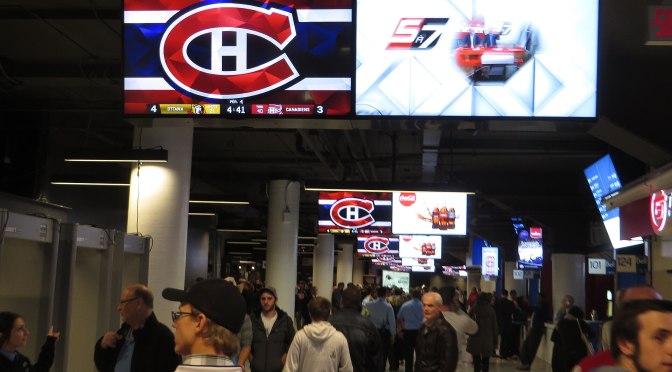
In cities like Boston, Los Angeles, and New York City, the largest arenas can switch from a hockey arena to a basketball court, or vice versa, in just a few hours. This means it is entirely possible for someone to sit down for a Boston Bruins NHL playoff game and stay for a Boston Celtics NBA playoff game without moving from their seat.
This goes hand in hand with the previously listed positives because it adds to a city’s excitement for, and participation in, sports and the surrounding activities.
Although the positives are very strong, there are definitely negative aspects to the league overlap. Viewership dilution, unfair media coverage, and fatigue are often brought up in opposition to the overlap.
Since there are NBA and/or NHL playoff games every single day for two straight months, there is bound to be some unavoidable scheduling overlap. When this occurs, restaurants and bars have to cut audio, fans have to decide between games, and electric moments are either missed or ignored.
Typically, fans will choose to watch the NBA when given the choice. In fact, the NBA gets nearly four times as much viewership as the NHL. This leads to the next negative aspect of the overlap, which is unfair media coverage.
ESPN, SportsCenter, and other media outlets like social media pages are fighting for their lives each spring. Eliminations, budding rivalries, important injuries, and other storylines simply are not given the attention they deserve. This primarily affects the NHL, which, in turn, makes it even less likely that people will choose it over the NBA.
If you follow sports and open social media anywhere between April and June, you are guaranteed to see some NBA coverage, clips, or news. The same cannot be said for the NHL. Some feel that the sport must work harder to be publicized, but I believe that it comes down to poor TV deals and a cultural shift towards basketball and football as opposed to hockey.
Finally, fan and player fatigue are a huge drawback for these long, overlapping league calendars. No matter how relaxing you think watching sports may be, it is wildly different during the playoffs. Passionate fans count down the hours until a pivotal game in the series, and it undoubtedly takes a toll on them.
I can speak on this firsthand. During the in-tandem Wild and Wolves playoff series earlier this month, it was difficult giving both the attention they deserved while not letting it affect my daily schedule more than it should. Additionally, even by the end of the second round, it got overwhelming having such important games every single day.
Many players have also said this, and it is a relatively common belief that early playoff series should be shortened to preserve the energy and excitement. Too often, fans are bored by the time that the NBA or Stanley Cup Finals roll around. This results in an anti-climactic ending to a super important stretch for many teams, cities, and fans across the country.
Overall, the overlapping NBA and NHL league calendars have positive and negative aspects. In my opinion, this format adds excitement to an otherwise dull portion of the sports calendar. In the absence of football, basketball and hockey have to carry the American sports scene for the spring and summer due to baseball being near its all-time low.
I believe that this league overlap is a good thing. The cons are not enough to outweigh the pros, which include city pride, cultural events, newfound passions, and investments into city economies. Although chaotic, these overlapping playoff campaigns bring unmatched excitement to sports fans and organizations alike. As the NBA and NHL playoffs begin to wind down in June, remember to appreciate the beautiful chaos that ensues every season with these sports.
As a die-hard Minnesota sports fan, I will never forget the sports equinox that saw us eliminate the Denver Nuggets and Dallas Stars three hours apart. The future is now, and next spring should be one to remember for the Wolves and Wild as they look to continue their ascension to championship contention.

