

By: Maizie Hughes and Avi Zmira
All posts by HPSH Plaid Line

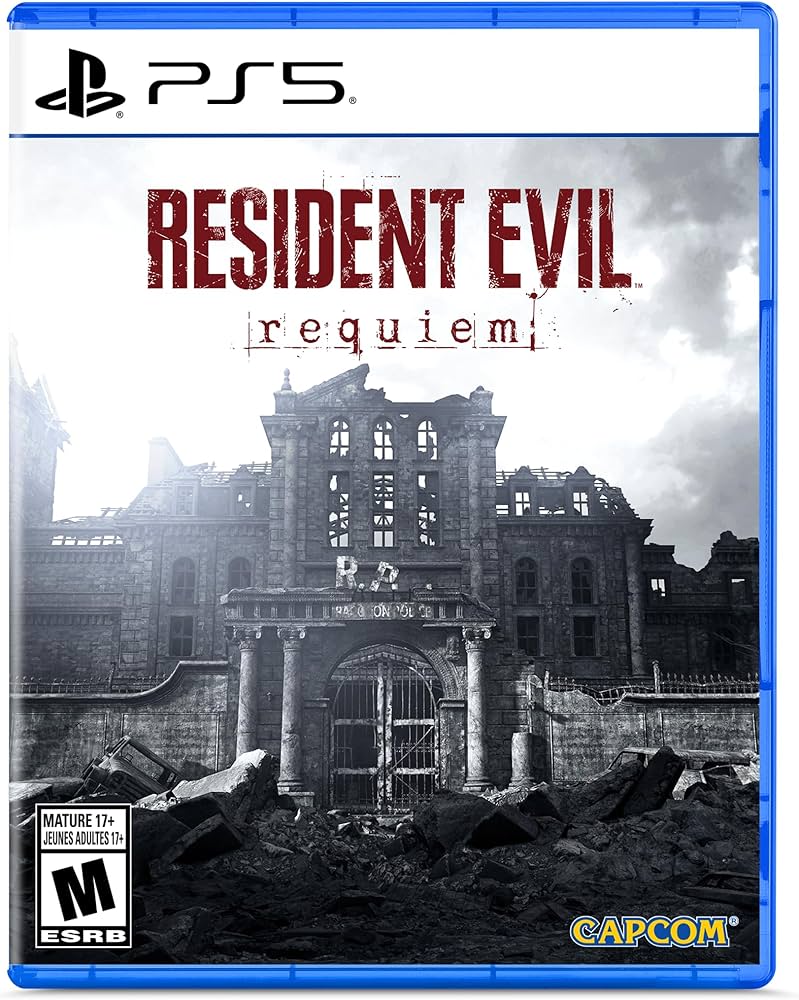
‘Resident Evil Requiem’ review
By: Weston Halgunseth
Warning: This review contains spoilers
‘Resident Evil Requiem’ is a crazy new game. It manages to mix scary moments with the kind of fighting that you would find in games like ‘Doom’. What makes it special is how it uses 2 different characters to tell its story. This keeps the game feeling new and exciting from the beginning to the end. If you love good jumpscares, epic boss fights and crazy lore this game is exactly what you need to try.
The feel of the game
The coolest part of Requiem for me is that you actually get 2 games in one basically because of the 2 main characters Grace and Leon.
When you are playing as Grace most people choose to play in first person POV. Grace isn’t trained at all and is only an FBI blood analyst that was in the wrong place at the wrong time. Her parts are all about just survival, walking through shadows, hiding from monsters, and solving puzzles. It was always super intense for me because every time an enemy showed up it was a jumpscare. Also, the flashlight would be very dim and most of the time unusable. Pair that with the low ammo and the low supplies for crafting and it makes a good mix for a survival horror game.
Then with Leon’s POV most people choose a third person POV. Leon is experienced in bioweapons and knows how to deal with them with 20+ years of experience. Leon is strong, fast, and smart even though he’s infected carrying heavy weapons such as a shotgun, rifle, sub machine gun, etc. Leon also shows his strength when he’s fighting things 2-3x his size with only basic weapons and an axe, and he also shows his strength with his ability to parry almost anything to a simple punch to a car. All these things together makes his parts feel like a perfect fighter game with a hint of horror.
These two POVs make a perfect mix for a game showing experience, skill, and aging; giving the game a rocky feeling.
Aspects of the game: A world that looks and sounds real
The game looks beautiful in a dark, creepy way. It takes place in the ruins of Raccoon City after its bombing 20+ years ago and its details in the atmosphere are impressive. You’ll walk through streets with vines growing up broken buildings, and rain puddles reflecting showing the details and thought put into the game.
But the sound is what actually kept me up at night. You can hear the wind whistling through broken glass, heavy thuds of footprints on the floor above you giving you a smooth gameplay. An enemy called “the girl” stalks Grace through a hospital. She doesn’t scream or anything loud she just whispers and mumbles when chasing you. Hearing her sounds coming down a hallway is terrifying.
Why it’s worth your time
The story lasts about 15 to 18 hours which feels just right because most games like this are short but this game ran on for so long it made me feel like this was multiple games. While you do repeat a lot of the same areas a lot, there are a lot of moments where new enemies show up so the player isn’t bored of the same area while keeping them on their toes.
‘Resident Evil Requiem’ is a gem. It’s rare to find a game that is a terrifying experience and a fun action game at the same time without feeling boring, but this game nailed it. Other games that have done this are ‘Doom’, some Roblox games and that’s about it because it’s just so rare and hard to make a game like this.
My personal review
If I had to rate this game on a scale of 1-10 I would simply give it a 9/10 just because the fact the game looks and feel are something I have never seen in any other game from things like simple decay on furniture to the entire city. The look of ruins being portrayed perfectly makes the game perfect, also the lore makes fans of ‘Resident Evil’ happy because there is so many Easter eggs from earlier games such as ‘Resident Biohazard’, ‘RE3’, etc with things like the collectibles to Mr. X and Mr. Tofu which is a playable character in ‘Resident Evil’.
My favorite character
My favorite character is Grace even though it was fun to play Leon it was fun to have a game so good at showing the horror side of a game so well.
Scariest part
I think the scariest moment of the game was with the beginning of the hospital with “the girl” stalking or chasing you and you’d have to run into the light to be safe, and all around just a horrifying part of the game.
Least favorite thing
My least favorite part of the game is at the end when Zeno, a look alike of Whesker was about to fight Leon, but lost his powers and then getting taken out by Victor Gideon. I didn’t like how we didn’t get to fight Zeno. I wish I could but I understand why they choose to do that to show the new anti-virus to us.

Everything you need to know about the NBA playoffs so far
By: Karl Salkowski

The NBA playoffs feature a best of 7 format with a home-away game structure of 2-2-1-1-1. The playoffs last several months, beginning on April 18th and, assuming the finals go to a game 7, until June 19th. Similar to American football, the NBA has two conferences, the Western and the Eastern conferences.
On each side of the bracket, the top 6 teams from the regular season automatically earn their spot in the playoffs, but teams ranked 7-10 get the chance to compete for the final two positions. This is called the Play-In Tournament and happens post-regular season but before the beginning of the playoffs. It is a single-elimination style tournament where the 9th and 10th seeds must win 2 games in order to proceed, while the 7th and 8th seeds only need to win 1.
So far, every team in the playoffs has played 3-4 games, with multiple lower seed teams possibly upsetting higher ranked teams. As expected, the top rated team, and defending champions, the Oklahoma City Thunder, are leading their series 3-0, and the 2nd seed in the West, the San Antonio Spurs are winning 3-1 against the 7th seeded Portland Trail Blazers.
However, the Minnesota Timberwolves, the 6th seed in the West, are upsetting the 3rd seed, the Denver Nuggets, 3-1 even after 2 of their starters have faced major injuries. On April 25th, the Timberwolves shooting guard, Donte DiVencenzo, tore his Achilles just over a minute into their fourth game against the Nuggets, and just a couple minutes later in the first half of the same game, Anthony Edwards suffered a left knee injury, possibly taking him out for the rest of the season.
To round out the Western Conference, the Lakers are leading 3-1 against the Houston Rockets even without two of their starters, Luka Dončić and Austin Reaves.
Moving on to the Eastern Conference, one of the biggest upsets so far is the 8th seeded Orlando Magic leading the first seed in the East, the Detroit Pistons, 2-1. In addition, the 2nd seed Boston Celtics are leading the 76ers 3-1 after a blowout game 4. The rest of the Eastern Conference is tied 2-2 after game 4 with no clear winners in sight.

Spring Poem
By: Arturo Benitez-Osorio


Sports schedule for: Apr 26-May 2
| ATHLETIC EVENTS SCHEDULE APRIL 26 – MAY 2 | |||
| SUNDAY | APRIL 26 | ||
| TIME | BUS TIMES | EVENT | LOCATION |
| Central: 4:00pm CDH: 5:00pm | Girls Flag Football vs. Central and CDH | HOME | |
| MONDAY | APRIL 27 | ||
| TIME | BUS TIMES | EVENT | LOCATION |
| V: 2:50pm JV: 3:20pm | Varsity Girls Golf vs. Johnson JV Girls Golf Conference Match | V: Highland National GC JV: Highland 9 | |
| 4:00pm | 2:45pm | 6:45pm | JV Boys Golf Conference Match | Como Golf Course |
| 4:00pm | Varsity Boys Tennis vs. Washington | HOME | |
| B: 4:00pm JV: 4:00pm V: 5:30pm | 3:15pm | 6:45pm | Boys Volleyball vs. Hmong College Prep | Hmong College Prep Academy |
| V: 4:30pm JV: 4:30pm | Baseball vs. Harding | V: HOME JV: Harding High School | |
| V: 4:30pm JV: 4:30pm | Softball vs. Central | HOME | |
| TUESDAY | APRIL 28 | ||
| TIME | BUS TIMES | EVENT | LOCATION |
| 12:00pm | Varsity Boys Golf 18-Hole Tournament | Highland National GC | |
| V: 4:00pm JV: 4:00pm | Badminton vs. Johnson | HOME | |
| 4:30pm | Varsity Baseball vs. St. Croix Lutheran | HOME | |
| 4:30pm | 3:15pm | 6:15pm | JV Softball vs. Concordia Academy | Central Park – Victoria Field #2 |
| B: 5:00pm JV: 5:00pm V: 6:30pm | 3:45pm | 7:30pm | Boys Volleyball vs. Johnson | Johnson High School |
| JV: 5:30pm V: 7:00pm | Girls Lacrosse vs. Hill-Murray | Hill-Murray | |
| JV: 5:30pm V: 7:00pm | Boys Lacrosse vs. Hill-Murray | Two Rivers High School | |
| WEDNESDAY | APRIL 29 | ||
| TIME | BUS TIMES | EVENT | LOCATION |
| 3:30pm | Varsity Boys Golf vs. Humboldt | Highland National GC | |
| 3:30pm | JV Girls Golf Conference Match | Cedarholm Golf Course | |
| V: 4:00pm JV: 4:00pm | 3:15pm | 5:00pm | Badminton vs. Burnsville | Burnsville High School |
| V: 4:00pm JV: 4:00pm | JV: 3:15pm | 5:30pm | Boys Tennis vs. Central | V: HOME JV: Central High School |
| JV: 4:30pm | 3:15pm | 6:30pm | JV Baseball vs. Central | Toni Stone Stadium |
| THURSDAY | APRIL 30 | ||
| TIME | BUS TIMES | EVENT | LOCATION |
| 11:00am | Varsity Girls Golf 18-Hole Tournament | Goodrich Golf Course | |
| 3:00pm | JV Boys Golf Conference Match | Highland 9 | |
| V: 4:00pm JV: 4:00pm | 3:15pm | 5:00pm | Badminton vs. Central | Central High School |
| 4:00pm | 2:30pm | 7:00pm 2 Buses | Track and Field True Team Meet | Harding High School |
| 4:30pm | Varsity Softball vs. Camden | HOME | |
| V: 4:00pm JV: 4:00pm | Boys Tennis vs. Mounds Park Academy | V: Mounds Park Academy JV: HOME | |
| B: 5:00pm JV: 5:00pm V: 6:30pm | Boys Volleyball vs. Central | HOME | |
| FRIDAY | MAY 1 | ||
| TIME | BUS TIMES | EVENT | LOCATION |
| V: 4:00pm JV: 4:00pm | Boys Tennis vs. Woodbury | V: HOME JV: Woodbury High School | |
| SATURDAY | MAY 2 | ||
| TIME | BUS TIMES | EVENT | LOCATION |
| JV: 10:00am V: 11:30am | Boys Lacrosse vs. Proctor | Two Rivers High School | |
| JV and B Boys Volleyball Tournament | Eastview High School | ||

What’s your Favorite Artist?
By: Veronica Lopez Sosa, Sofia Patricio Mateo, and Evelyn Solano Ruiz
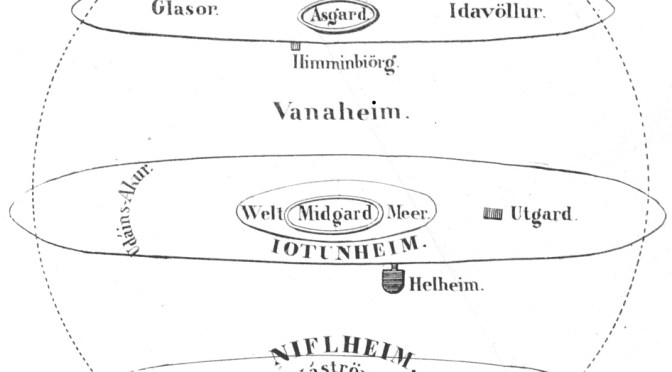
Norse mythology beginnings of each realm explanation: Part I
By: Ro’Mel Bryant-Oliveraz
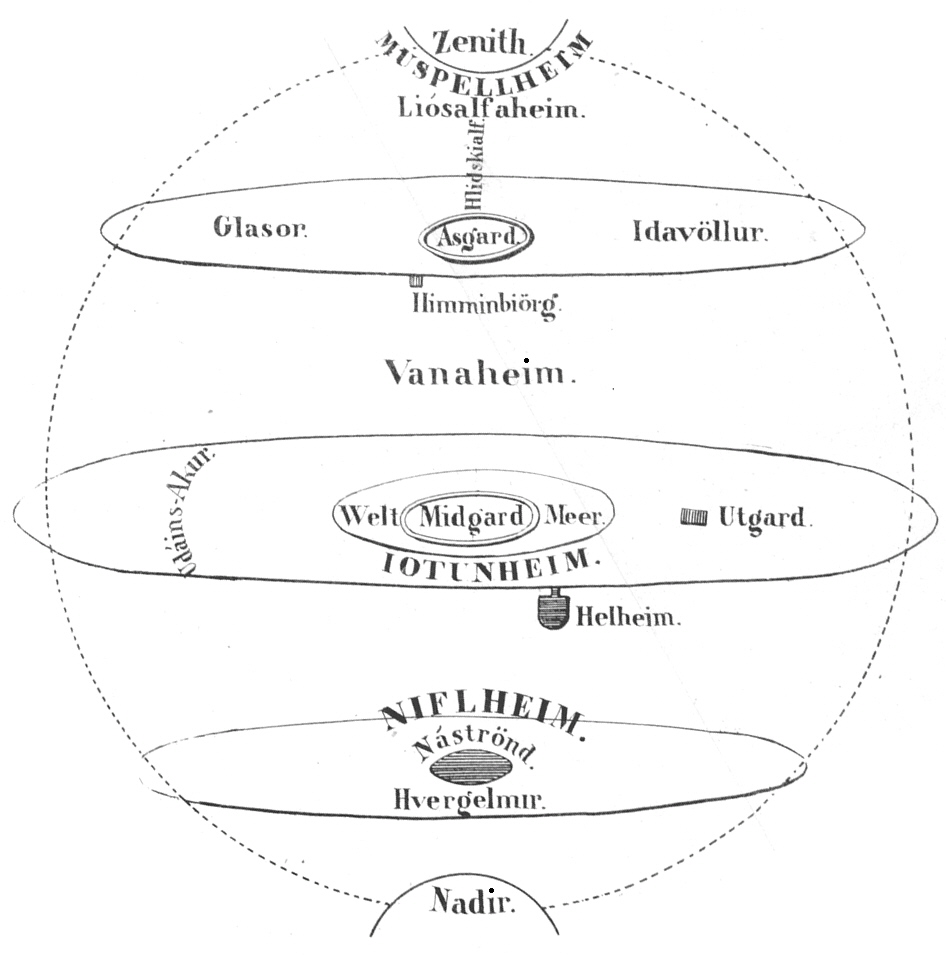
Norse mythology is one of the most confusing and ambiguous mythologies. Most of the material about it is incomplete, lost, been re-written by someone else with changes, or has contradictions with previous stories. It was practiced by Norsemen, the Viking Age Scandinavians, before their conversion to Christianity. It’s defined by an event called Ragnarök, a prophesied battle where most of the gods and the world is destroyed.
The world is made of 9 realms, and different races. The Aesir, The Vanir, The Jotun, The Dwarves, etc. But how did each of the realms come to be? Who lives there? When did it happen? Who are the major characters and events?
This is most of the beginnings of Norse Mythology from the creation of the universe to the Aesir-Vanir War, with explanations of the races and realms that came in between.
The very beginning of everything:
Before anything, before the 9 realms or any being, there was a great void called Ginnungagap. It wasn’t a void as in absolute nothing, it was raw energy with no form.
On one side of the void was energy of pure heat, lava, volcanoes, and everything hot. Also home to a primordial being called Surtr, a giant who has been standing there with a flaming sword since before time existed, the only being older than everything. He is like the personification of fire itself, and meant to represent the guardian/alpha/omega protecting the primordial realm of the heat and spark of everything. His sword is called Surtalogi. It isn’t made of steel as there were no Dwarves or earth yet, and it’s described as a shining sword that is brighter than the sun. This part of the void was called Muspelheim.
On the opposite end of the void there was energy of pure ice, cold rivers, darkness, mist, and everything cold, the opposite of Muspelheim. In the center of this place was a roaring, bubbling spring called Hvergelmir. It wasn’t just any spring, it was the source of the eleven primordial rivers that carry the “Eitr”; a venomous life fluid of the universe, into the void. Eitr is the source of the deepest layer of life, being both venomous and the source of life, representing the duality of life. This part of the void was called Niflheim.
The very first being:
The energies manifested for no exact reason, there was just always cold and heat. Eventually the energies flowed and drifted closer until they merged. The Eitr from Nifleheim flowed into the vacuum of Ginnungagap and hardened. Then the hardened Eitr in the void got heat blown towards it from Muspelheim, and started to drip. After the Eitr continued to drip the drops gathered together, creating the first being Ymir. Ymir is the first ever being and is classified as a Jotun, or a Giant. Not all giants are huge, but Ymir being the first being was massive. Alongside Ymir also manifested a giant cow called Auõumbla. It provided milk for Ymir so it could grow and have energy to manifest offspring by itself. There is no explanation for how Auõumbla manifested, usually it’s just there and is always a balancer or nurturer needed for the raw power.
First appearance and origin of the first race, Giants/Jotun:
As Ymir kept existing 3 giants manifested from Ymir’s sweat. Since they were born from Ymir, and Ymir was made of melting Eitr, the giants inherited that venom in their blood. A female and male Jotun manifested from the sweat of Ymir’s armpits, while a third multi-headed Jotun manifested from the sweat of Ymir’s feet. This is likely because Jotun can be humanoid or not, and having two humanoids but one non-humanoid one in the beginning explains why they can be so diverse. The multi-headed giant was actually named Thrudgelmir; he later had a son named Bergelmir.
Aesir gods first appearance and origin:
Also Auõumbla after feeding Ymir eventually got hungry and to get nourishment, she licked ice from Niflheim. Behind the ice revealed a creature named Buri, there is no explanation for how Buri existed but he already was, and was only revealed, not created. Buri also already had a child named Bor upon being discovered. The name Buri actually translates to “Father” or “Provider”, and Bor’s name translates to “Son”, a very literal progression towards the gods, like they are just beings of order, and just planted themselves in somehow.
Bor had children with one of the female Jotun named Bestla, the daughter of Jotun Bölporn who is an ancient Jotun known for “thorny” elements, like dangerous weird magic. The children from Bestla and Bor were Odin, Vili, and Vé. It’s said the gods’ magic side and ability to do magic came from their Jotun side, Bestla and Bölporn, meaning the Aesir got magical elements and power from their giant half but order and control from the Bor line.
Creation of the world, Midgard, how, and the consequences for giants:
After a time the Jotun race from Ymir grew too large, and they aren’t destructive, but they are like pure nature or elemental beings that just grow naturally without order. Odin, Vili, and Vé killed Ymir, and created the world out of his body. They used each part of his body for a part of the world. They used Ymir’s flesh for the earth and land, his blood became the seas and lakes, his bones became the mountains, his teeth and small bones became rocks and pebbles, his hair became trees and plants and nature, his skull became the sky, his brains became the clouds, and they used his eyebrows to define a middle area of the world where they could operate and be safe, which was called Midgard. In the process of killing Ymir the entire Jotun race drowned in his blood, besides two Jotun, Bergelmir and his unnamed wife who escaped to the outskirts of the world using something called Lúõr, which is believed to be a primitive hollowed out tree trunk. The gods didn’t hunt them down, but made sure to define the middle safe area far away from them and let them try to survive the harsh outskirts of the world which is very dangerous, and they were expected to die.
Creation and origin of the Dwarves, and Svartalfheim:
Alongside the killing of Ymir the three gods, mostly Odin, saw maggots come from Ymir’s body as it decayed and decided to create life from it. They gave beings with only movement; the maggots, wit and shape, transforming them. The beings created were Dwarves. In most stories the first dwarves were Norõri, Suõri, Austri and Vestri, in English; North, South, West, East. They are four statue-like beings that don’t actually have the ability to move or talk or anything. They are purely statue-like tools for the gods to be able to hold up the clouds and sky so it doesn’t fall, and define the directions.
Also in other stories, or alongside them, the first Dwarf was Mótsognir, the lord of the dwarves. It’s said he was the first maggot to receive Wit and he is actually the one who shaped the rest of the maggots into shape and dwarves. And also the second dwarf Durinn, who worked alongside Mótsognir to help manage the smaller work as a small little helper.
All the other dwarves, which became an entire race, were intended to be created by the gods to be tools. They are very connected to the earth itself, and can forge weapons, armor, or tools much better than anything else due to that connection. They don’t just forge earth’s materials, they can feel them and speak to them. The sun kills the dwarves, turning them into stone because dwarves are essentially living rocks and the sun turns them back into rocks. When dwarves die they don’t have an afterlife like other races, they just go back into the earth.
The gods put them in a “lower” realm, underneath Midgard’s earth technically but its own realm, a dark, cave-like, underworld called Svartalfheim. It is filled with the constant clinks of hammers on anvils and massive underground furnaces, it sounds like a huge constant factory. They don’t have houses but instead Great Halls, which are buildings carved strictly into the roots of the mountains. Everything is made of polished stone, iron, and precious gems. It is a functional luxury. It’s not a horrible place, but it’s like a giant factory underneath the earth.
Introduction to Asgard:
After creating Dwarves the gods entered the Golden Age, described as a time the gods played golden board games on grass. There is no definitive time but it lasted long enough for the gods to think they “beat the game”. The gods used the dwarves and the new world they created to get anything they wanted. They built their home, Asgard, above the clouds. Asgard isn’t like building a city, they took a massive portion of the world, directly in the center most point of Midgard and the world, and elevated it. Asgard sits on a high plateau called the plain of Iõavöllr, which is so high that it actually pokes above the clouds. From Asgard you can see the clouds below you. Asgard is described to be filled with massive shining halls made of gold and silver that never tarnish.
Explanation of Bifröst, and origin and explanation of Heimdall:
Since it is so high there is no natural way to get there, so the gods created Bifröst, a rainbow burning bridge of three colors that only the Gods and their chosen can cross. The three colors each represent an aspect. Red for a burning, roaring, magical red fire which is specifically why the Frost Giants and later other giants can’t walk on it. Blue for Air for the heavens and air, symbolizing the bridge’s connection to the sky and its ethereal nature, also it being made of air makes it weightless and why it can float above the clouds. Green or white for Mist or shimmering water, which gives the bridge its shimmer or unstable look, and also signifies it is not a physical object but a manifestation of light and energy that the gods can turn on or off. It starts on the floor of Midgard and stretches all the way to the clouds to the front gate of Asgard.
The Bifröst is also guarded by the Aesir god Heimdall. He has the most mysterious and weird birth of the gods. He doesn’t have a single mother but was born from The Nine Sisters, who are the personifications of the oceans waves. The Nine Sisters are the daughters of Aegir the sea giant, and Rán the sea goddess. Each of the 9 Sisters are the personification of each type of wave, a surging wave, a frothing wave, a dark wave, etc. It’s said he was born on the edge of the world where the sea meets the land. He was created with the strength of earth, moisture of the sea, and heat of the sun. He is a boundary or liminal being, belonging to the sea, earth, and sky all at once making him the perfect person to guard the bridge that connects those worlds.
Heimdall even went to Midgard and introduced classes to humans. He created the classes of thralls, peasants, and nobles, further cementing his role as the bridge or boundary being of the divine and the mundane.
Asgard conclusion, story of Hrimthurs:
Asgard is meant to be a place of perfection, above everything, its also a fortress, after building their palaces the gods had a giant named Hrimthurs create an unbreakable wall around the entire realm.
Hrimthurs was a frost giant that somehow got to Midgard disguised as a man. He made a deal where he only had one winter to build the massive impossible wall, and he had to work alone with no help from any man. Even if it was 99% done, but not 100% it won’t get payment.
The giant’s deal was that he could use his horse, the gods agreed thinking that a horse couldn’t make a difference. But the horse was a beast of legend, during the night it would haul stones the size of mountains, then Hrimthurs could use the stones in the day to build. Loki, a trickster god, transformed into a magnificent mare in heat, and attracted the horse out the woods. Hrimthurs had to spend all night chasing the horse, and couldn’t move a single stone. After he couldn’t finish the wall in time and got no payment, the gods later found out he was one of the Jotnar, and Odin called Thor who swiftly killed him.

Ranking kaiju designs
By: Daniel Kendle
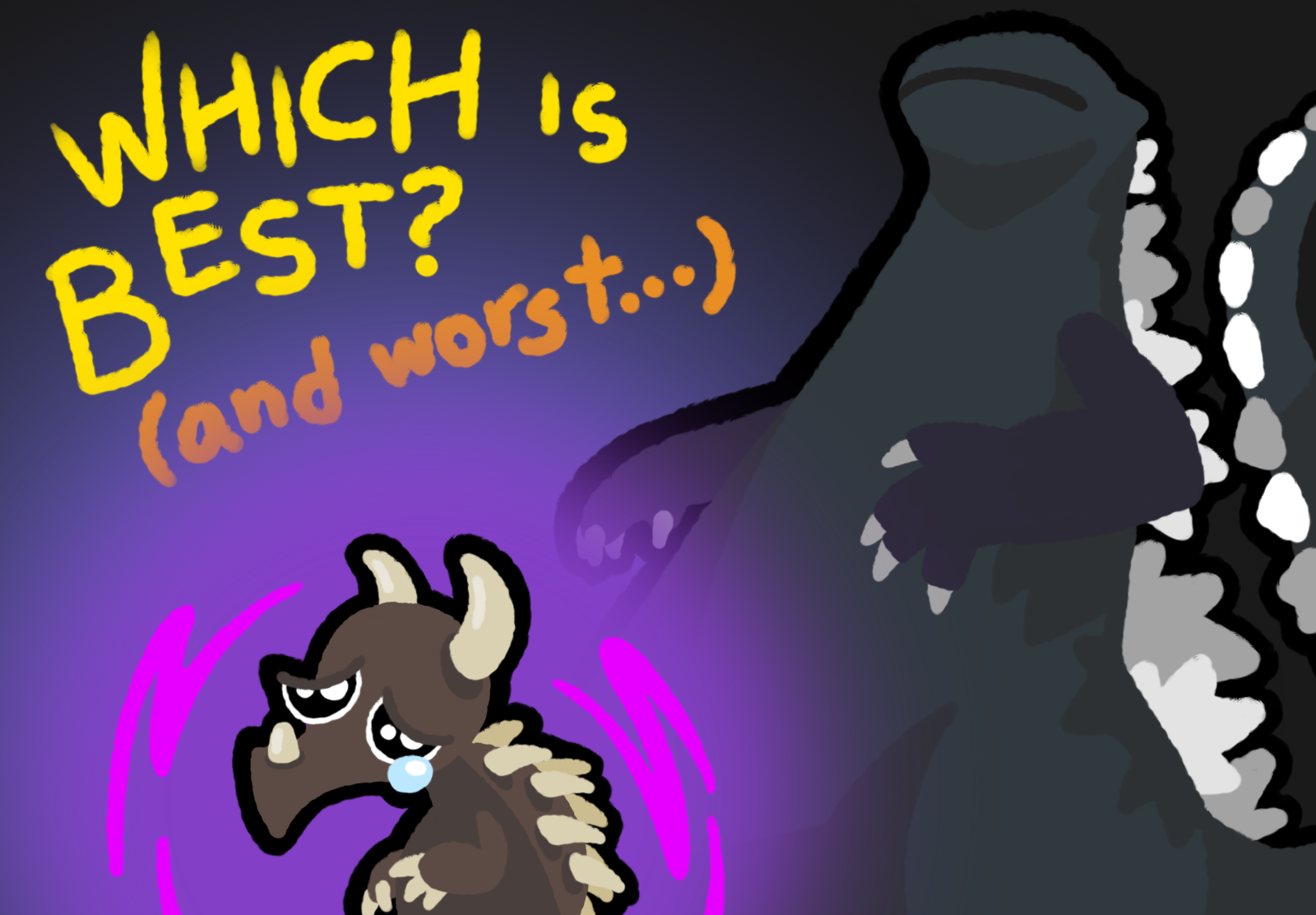
‘Ello, ace! It’s me: famed paleontologist and wildlife documentarian Frederick von Franchisesequelheimer II. Never heard of me before, I take it? (Chuckles) Don’t worry mate, I’m not gutted. Matter of fact, I’m chuffed to bits to have a new apprentice to regale my tales of grandeur to.
Since 1954, I have been trekking the world in search of the most marvelous creatures I can find, hoping to document my findings for this field journal you’re now reading. Dragons! Unicorns! The mythic Sasquatch! Why, there’s only a single individual of the latter-most species left in the world, and yet I’ve poached 3 of them!
Yet there remains a class of beasts of whom I’ve never been able to properly capture, nor kill and harvest from. Ever since I was a wee lad in my home in Britain, I’ve always dreamed of making skin medication out of one of their horns…and yet have failed every single attempt I’ve made to catch them. What am I talking about? Simple: kaiju.
Kaiju (roughly translating from Japanese to “strange beast”) is a term denoting large, powerful cryptids the size of mountains. Many have become popular over the years from film and television — and no doubt my numerous reports on them — as icons of national and international pop culture. Of course, that makes them all the more lucrative to myself and other fellow poach-! I mean…wildlife expeditionaries.
Of course, some of these chaps are more prized than others, so I’d be a mug if I didn’t try and capitalize on that fact. So I thought: ‘a ranking of all these kaiju is a swell idea, innit?’ And you know what, lad? I was right! So here’s a ranking of a handful of kaiju from films around the world, ordered by personal preference. Enjoy!
. . .
#12: “Meganulon(s)”
Film of origin: ‘Rodan’ (1956)
Bloody hell, these beasts are atrocious. They’re basically these cow-sized bugs that crawl around, killing people. Cool, right? But that’s the problem: that’s all they do. They can’t fly, swim, shoot lasers…really, they’re the closest kaiju on this list to resembling a regular animal.
They weren’t even the main monsters of the movie they come from! Don’t even bother hunting Meganulons down: their hide is tacky, their claws, weak, and don’t even get me started on their ghastly eyes. Bunch of chavs, the lot of them.
#11: “Space Godzilla”
Film of origin: ‘Godzilla vs. Space Godzilla’
(Sniffs) I’m not much of a space enthusiast myself. I find the idea of aliens existing ridiculous, preposterous, absurd, droll, vacuous, facetious, gelastic, and really, a bit dumb. In my years of traveling around the world, poaching any animal stupid enough to cross my way, I’ve never been able to figure out a way to hunt an alien; they just float around up there in space, barely out of reach of my Poachin’ Pistols™. Perhaps that’s why I hold some animosity towards Space Godzilla. That, and its design being the dumbest on this list. Yikes.
#10: “Anguirius”
Film of origin: ‘Godzilla Raids Again’
Anguirius is to other Kaiju what Pluto is to other Mickey Mouse characters: they’re all technically animals, yet some are, for whatever reason, bestowed with consciousness. What’s up with that? How come Goofy and Pluto — both dogs, mind you — can occupy the same space, yet only the former can freely express and communicate themselves like an intelligent being? Not to delve too deep into fictional canine class relations, but these questions have plagued me ever since my childhood in Belfast.
Anguirus is a kaiju like all the others, yet somehow feels like the dog of the group. Get off your hands and knees, Anguirus! Stop looking like a dope and actually do something cool! What a lame-o.
#9: “Baragon”
Film of origin: ‘Frankenstein vs. Baragon’
Despite the movie it originated from having an ironically-hilarious title, this dude’s just kind of boring. Better than the last 3, yeah, but what kind of poacher would I be to want this fella’s head over my mantle board? Not even a mother could love a face like that! Oh well: Baragon was apparently an inspiration for the Pokémon Nidoking, so as a poacher who enjoys #gaming, I suppose that’s cool.
#8: “King Kong”
Film of origin: ‘King Kong’
When it comes down to it, liking King Kong is basically dependent on how much you like gorillas. As for moi, they’re…fine, I guess? They’ve never been a favorite animal of mine, so the idea of trying to take down a colossal version of one has never been my fancy. Apparently this guy fights, like, dinosaurs back home, so that’s kinda sick. Whatever.
#7: “Gamera”
Film of origin: ‘Gamera, the Giant Monster’
I like turtles. Who doesn’t? Yeah, snakes are infinitely-cooler, but hey — nobody’s ever complained about adding 4 legs to one. And a shell.
Gamera’s an iconic figure in both pop culture and hunting circles, the latter of which I’m much more invested in. That out of the way, they really are just…a fire-breathing turtle. It’s as if its character designers didn’t really know how to make a giant turtle cool, so they bit the bullet and let it partake in everyone’s favorite pastime: arson. And y’know what? That kind of works for it!
#6: “Rodan”
Film of origin: ‘Rodan’
Ducks, pheasants and other medium-sized birds are popular game for hunters, and I’m no different. So that begs the question: does that admiration translate over to pterodactyls? Uh…yeah. Maybe.
Look, the idea of a giant pterosaur that flies at supersonic speeds is cool, but Rodan was really let down by its appearance in early films. It really just looked like an oversized turkey; I found myself chortling in my cinema seat when first viewing it. Granted, later ‘Godzilla’ films have made me reconsider potentially hunting and poaching it; they look a lot cooler. Still relatively-low on this list, but Rodan could still become one of my most sought-after choices of game someday.
#5: “Mechagodzilla”
Film of origin: ‘Godzilla vs. Mechagodzilla’
Wha-? …what am I, a wildlife hunter, supposed to say about a robot? (Sighs) Maybe this list wasn’t such a great idea: here I am, rambling about random monsters, while I could be out scalping wildebeests like I usually do.
My stance on Mechagodzilla is similar to that of King Kong: if you like what it’s based on, you’re probably gonna like its respective kaiju too. The good thing is that I find world-destroying lizards far cooler than boring apes, so by proxy I guess I like Mechagodzilla. I mean, ANYTHING’S better than Space Godzilla, at least.
#4: “Mothra”
Film of origin: ‘Mothra’
I’ve got a mate back home that’s into entomology; chap’s gonna be livid with this placement. Oh, his name? Franz Kafka.
Mothra seems to be a fan favorite amongst both film and poaching circles. Do I like it as much as others seem to? Nah. Do I respect it, though? Yeah, of course! Without any context, the song the 2 fairies sing about it in ‘Mothra vs. Godzilla’ is a bop, and it’s pretty inspiring to see an overgrown grub beat up a radioactive reptile. You go, queen!
#3: “Biollante”
Film of origin: ‘Godzilla vs. Biollante”
I’ve never seen a production of ‘Little Shop of Horrors,’ but I’ve always been into the carnivorous plant archetype of creature designs because of it and this lad. Biollante is a rad concept for a Kaiju, combining a flower, a lizard and the damned soul of a child into one awesome opponent. Heck, I’ve got all 3 of those things in my basement, I could make my OWN Biollante if I wanted to!
Oh, that reminds me: I need to go home and water my plants real quick. Don’t worry, I left a written note for the next ranking. See you in a second.
#2: “Godzilla”
Film of origin: ‘Godzilla’ (1954)

#1: “King Ghidorah”
Film of origin: “Ghidorah, the Three-Headed Monster”
Ever since I first picked up poaching, I knew from the start what my dream game would be to bag. King Ghidorah is my all-time favorite Kaiju, with its film being among the best ‘Godzilla’ movies too. There’s just something so compelling about this 3-headed beast that’s made it my white whale. Elusive, yes — but that’ll just make it all the sweeter when I finally add it to my collection of taxidermied trophies.
. . .
Welp! (Slaps thighs) I guess that’s that: the ranking’s done, and I’ve finally made up my mind as for what to pursue next. Er, well…hmph.
I don’t know if I should be telling you this, reader, but…a few days ago I got a call from someone asking to put a hit on another. Now, I may be adept at hunting wildlife, but murdering another man…I couldn’t imagine it. Still, I reluctantly took the job to ensure my bills get paid. Good coin was offered, anyways.
While unorthodox for even me, I suppose this is my next operation. It’s horrible, yes, but what else could I do? Hunting all of these Kaiju isn’t easy, and I need all the funds I can get. Should be a pretty easy job, too: the person on the phone even mailed me a picture of them.
So that’s all from me, gang. Cheers, and thanks for reading. And while I’m at it, if any of you guys have any intel on this person I’m set to murder, feel free to reach. Until then, however…

…I’ll be waiting.
Nature Pictures
By: Daniela Tajonal Flores
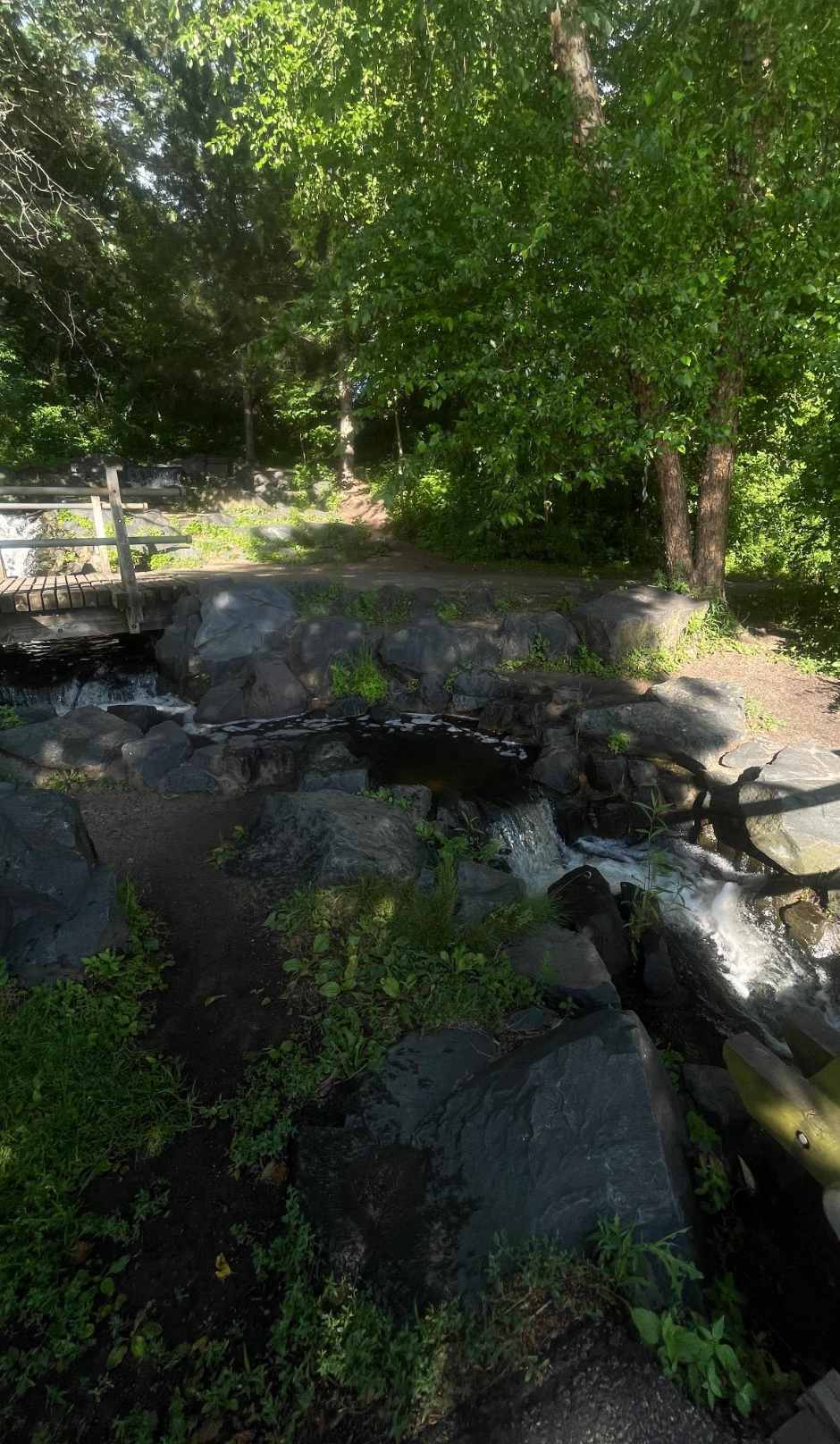
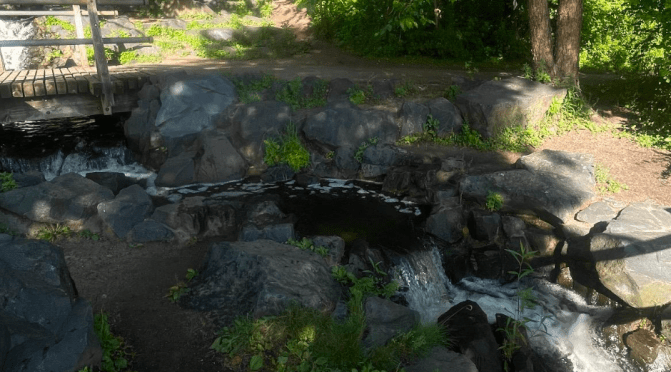
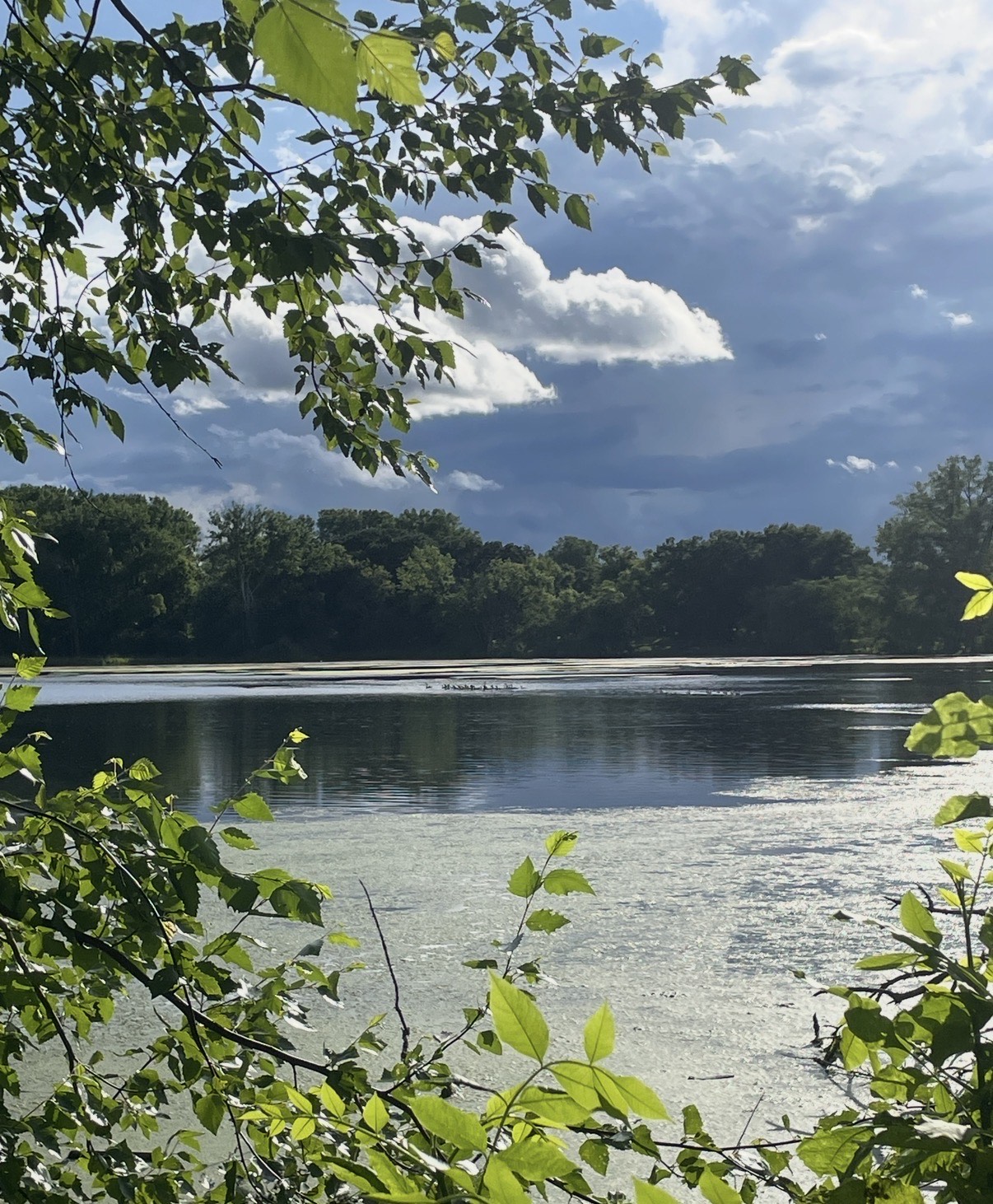
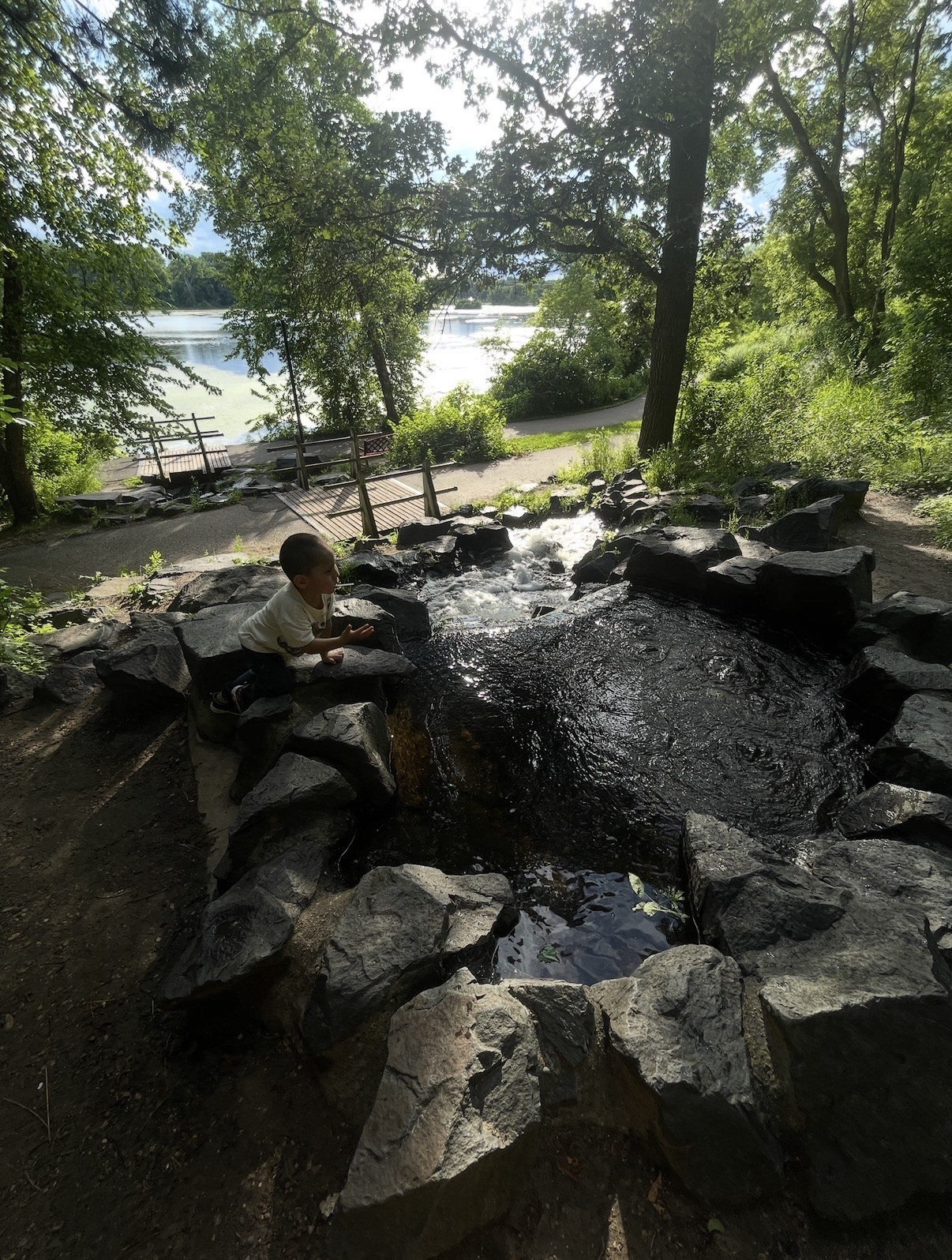
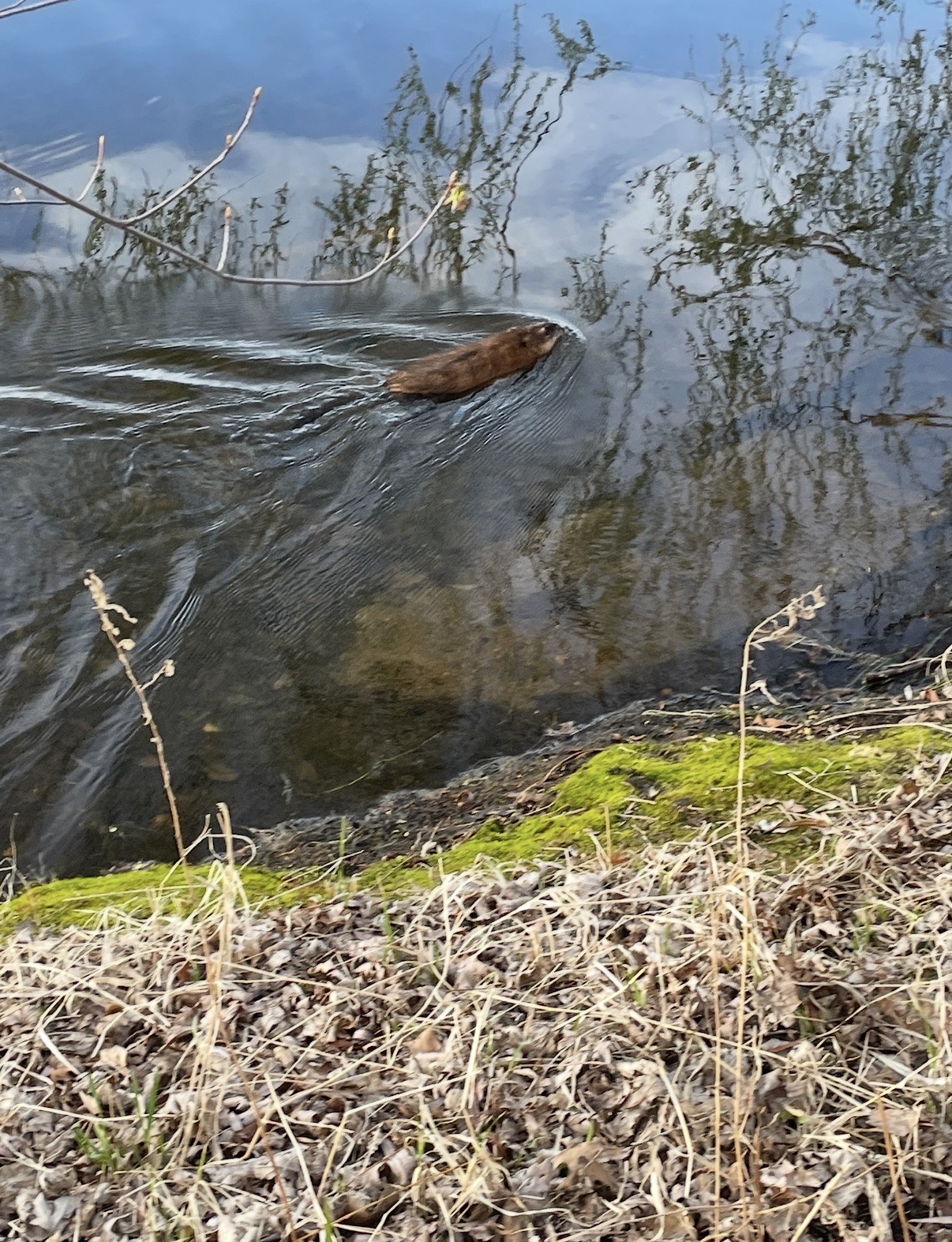
This picture was taken in a park in Roseville. I was going on a walk and noticed how beautiful the green trees and plants were looking. Hearing the water flow was relaxing.


The ethical concerns about the development of AI
By: Calvin Westin

The story about Prometheus, where fire stolen by a mythical figure from the gods became a symbol of the destructive and bad side of progress. While giving humankind a tool for making civilization and ruling the world, the fire itself remained uncontrollable. Mary Shelley used this same idea while creating the book of Victor Frankenstein, whose creation had made something too powerful to stay under its creator’s control, similar to fire in ancient times. And now, as the development of artificial intelligence technology progresses at a fast speed, it seems humans are once again following this pattern. By publishing these powerful artificial intelligence algorithms, companies like OpenAI are committing theft of fire, therefore risking disruption of domains of human intelligence.
People are also worried that our current safety rules aren’t enough to keep up. In Chapter 5 of Shelley’s book, Victor Frankenstein’s sadness creates an unsettling relationship. Having brought the monster into being, Frankenstein goes on, “This was then the reward of my curiosity; and I became myself capable of bestowing existence on whom I had created. Perhaps a corpse would be reanimated; galvanism had give tokens of such a wonder.”
This story is a major warning for us today. Scientists like Geoffrey Hinton believe that computers will soon beat humans in terms of dealing with data analysis and handling data. Once developers lose control over the results produced by the machines, there will be serious consequences following after that.
Consequently, it appears to be time that IT professionals start actually managing and executing their responsibilities more effectively. New tech isn’t an excuse to do sketchy stuff in this field, so experts working on AI really need to follow some strict safety rules while they’re doing their research.
In the end, the people who create anything have full moral responsibility for it.

