Have you ever bought a piece of clothing to fit in? You probably have, but I’m sure soon enough that was too “outdated”, so you had to fit in by buying another piece of clothing. Those are fashion trends, and this article will explain why they happen.
Let’s start with defining a fashion trend. A fashion trend is when a piece of clothing with a certain silhouette, material, color or style becomes more popular in a short amount of time.
The earliest evidence of fashion trends is when in the 14th century, richer individuals like royals would show off many different clothing styles since they were the only people at the time who could afford to.
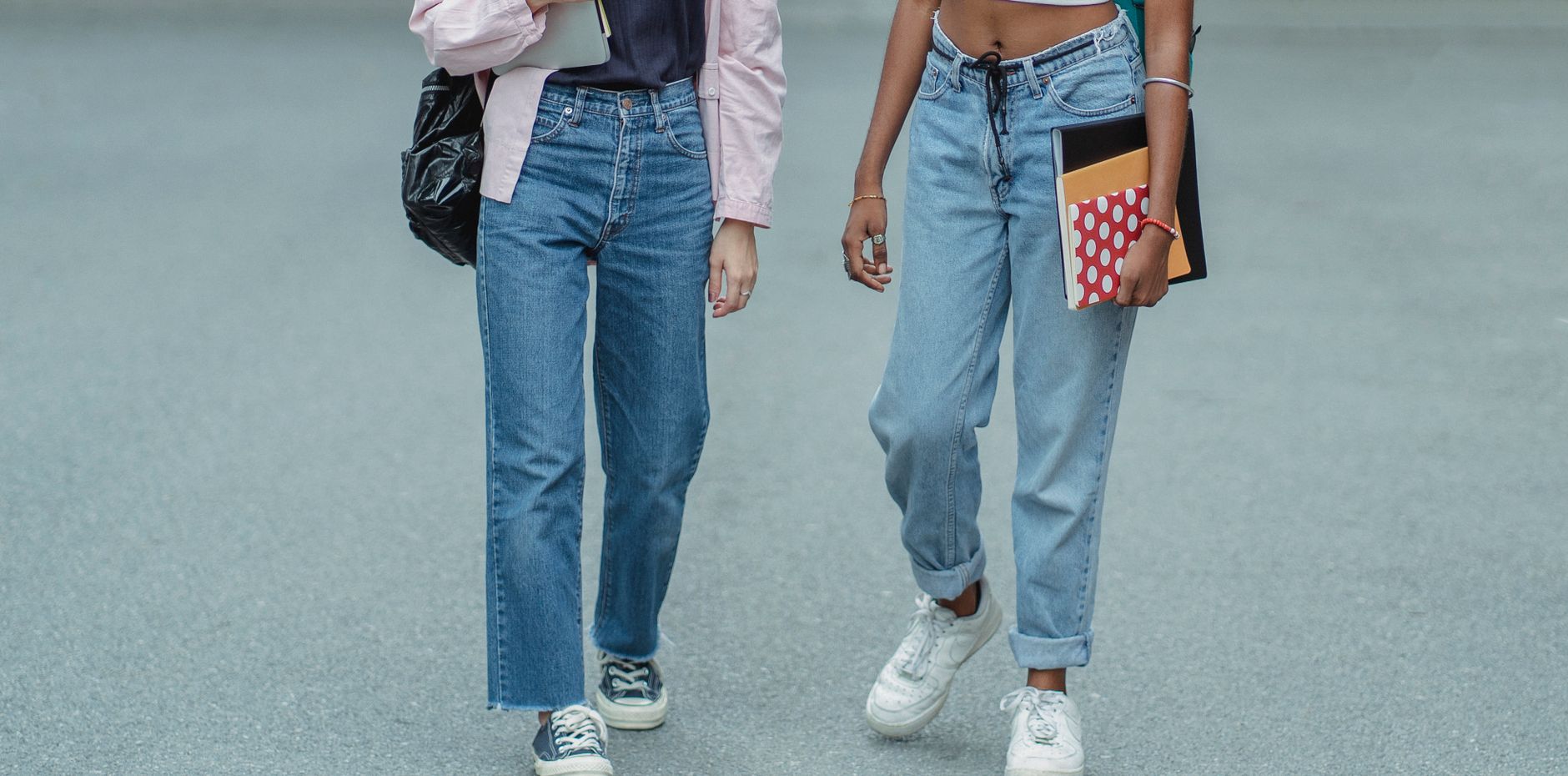
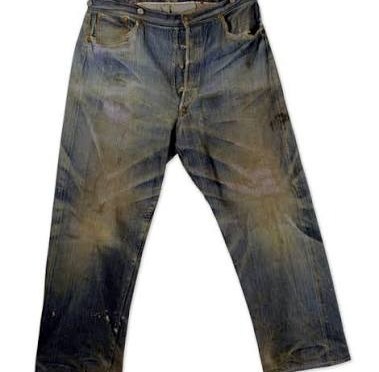
A more recent example would be baggy jeans. Baggy jeans became popular because of nostalgia for the Y2K era of fashion and people wanting to replicate the looks from then. Fashion trends often cause more and more fashion trends and an example is; baggy jeans made more types of denim popular such as Raw and Selvedge denim.
Things like pop culture, social media, nostalgia and even war can cause fashion trends. The most common cause of fashion trends is nostalgia; people love replicating the popular looks from their childhoods or even times before they were born. We see in modern day that Y2K fashion is very popular, that’s because the people with the most influence online are people who grew up in the 2000s. In the 2010s we saw The Grunge aesthetic from the 1990s become popular because the people who grew up in the 90s had the most influence then. You can keep going back in the years and see the same pattern of people recreating the aesthetics from their childhoods.
Usually when a fashion trend starts big “Fast Fashion” companies hop on that trend and mass produce products. This causes the trend to die because everyone has easy cheap access to the clothing making people think it’s less and less cool.
If you don’t want to fall into a cycle of following trends or buying “Fast Fashion” I recommend buying durable clothing that will last you a lifetime. Usually these articles of clothing can cost upwards of $200, but if you find something that properly makes you feel good when you wear it, and won’t fall apart in under 2 years, you may have found a worthwhile investment.
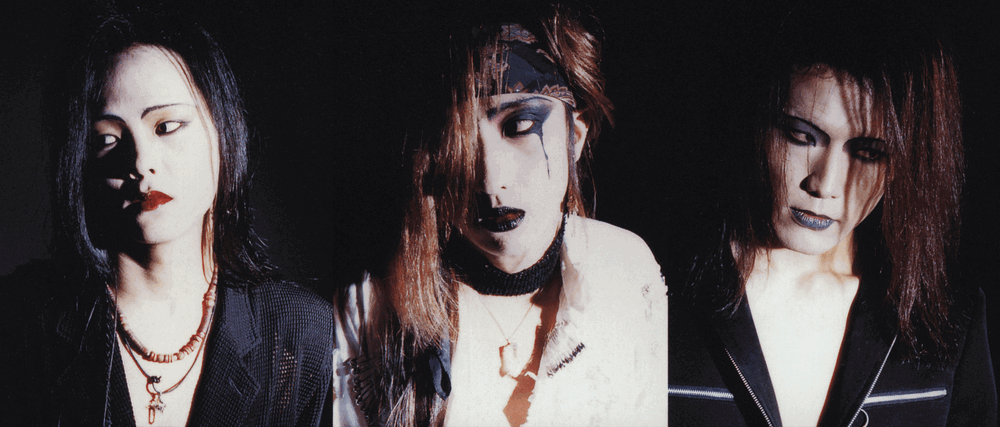
An advertisement image of the band Kuroyume, a 1990s Japanese Visual kei band featuring band members Hitoki (bass), Kiyoharu (vocals), and Shin (guitar), pictured from left to right.
There is a fascinating corner of the Japanese music scene that rarely gets talked about — that being Visual kei — in this article, I will explore its history and later on delve into one of its subgenres, Nagoya kei.
First of all, what exactly is Visual kei? Visual kei, also known as V-kei, is a Japanese musical movement that emerged in the 1980s — where the looks of a band are equally as important as the music.
The movement is characterized by its use of elaborate androgynous and flamboyant fashion, dramatic makeup, and extravagant hair styles — unique characteristics that made it easily recognizable among other Japanese musical movements from that time period.
At first, Visual kei was heavily rooted in glam rock, goth rock, punk, and metal. It started off as an underground movement with pioneers like X Japan, Buck-Tick, D’erlanger, Dead End, and Color.
It wasn’t until the 2000s, though, that the scene began to experience worldwide status through anime conventions and internet culture. This international exposure inspired other artists and formed non-Japanese Visual kei bands.
And yet, despite this expansion, Visual kei remained as a niche subculture — even to Japanese people— rather than a mainstream global phenomenon.
Coming up with a universal definition for the term Visual kei has proven to be quite difficult. It’s hard to define what Visual kei is, as it is a term only applied to the artists, not the fanbase. It’s debatable whether or not one can consider themselves “Visual kei”.
Identifying whether or not a band is Visual kei, is if the band themselves claim to be a part of the movement.
Something that is also discussed is whether or not a Visual kei band whose origins are not from Japan, can actually be considered to be Visual kei, as the term Visual kei is firmly tied to Japan.
Though classifications are nuanced, these bands are mostly defined as “Visual kei-influenced”.
The same goes for wanting to dress in Visual kei. One cannot label their fashion simply as Visual kei, as Visual kei refers to the entire movement, the music, the performers, etc.
One way you could call it is by its subculture such as “Kote kei” as it makes it easier to identify what kind of fashion exactly, or you could simply label it as “Visual kei-inspired”.
What makes Visual kei compelling is that it is not defined by a singular genre. Instead, there is a wide variety of subgenres that make up the movement. Such subgenres are: Kote kei, Tanbi kei, Nagoya kei, Oshare kei, and many more.
Here are a few examples of some of the subgenres:
Kote kei: Dir En Grey
Kote kei emerged in the mid-1990s. It is characterized by a dark, gothic, and often theatrical aesthetic. The sound is typically emotional and aggressive, drawing from goth rock and heavy metal.
Tanbi Kei: Versailles
Tanbi kei emerged in the mid-1990s as a subgenre heavily inspired by historical European aesthetics, particularly Baroque, Rococo, and Victorian eras. Their music frequently incorporates elements of classical, symphonic, and neoclassical music.
Nagoya kei: Merry Go Round
Nagoya kei emerged in the early 1990s as a darker, gloomier, and more music-focused subgenre of Visual kei. The music is heavily influenced by Western punk, gothic rock, and British punk rock.
Oshare kei: An Cafe
Oshare kei emerged in the early 2000s as a brighter, more colorful, pop-influenced subgenre. They typically play an upbeat style of pop-punk or pop-rock.
While there are obvious variations in styles, I want to focus solely on Nagoya Kei and why it matters so much to me.
Nagoya kei is a regional subgenre and aesthetic that developed in the early 1990s. It is a term that was originally associated with bands that emerged from the city of Nagoya or that were from other places in the Aichi prefecture.
However, the term soon became less about the geographical location of Nagoya and more about a shared aesthetic. It began to define any band that embraced the same dark, subdued style of Kuroyume.
The subgenre peaked into two waves: the first one being from 1993 to 1996, and the second being from 1998 to 2004. Silver~Rose and Kuroyume were widely recognized as the pioneer bands that created the Nagoya kei subgenre of Visual kei.
Yet, unlike other subgenres, Nagoya kei never truly made it mainstream, mainly because its elements directly opposed the requirements needed for mainstream appeal.
During the 1990s and early 2000s, Japan’s music industry was highly centralized in Tokyo. Because of this, Nagoya kei became deeply isolated from industry executives who commercialized the genre.
Nonetheless, the foundational bands of the genre chose to remain in the Aichi prefecture, which allowed them to build their own distinct and independent subculture.
Nagoya kei is known to have a reputation built off of its interconnectivity and emotional instrumentation. They have the unique and defining trait of “recycling” disbanded band members to form newer projects.
Bands in this scene tend to favor musical depth over the extravagance of fashion found in other scenes, which is another reason for why it never reached mainstream popularity. In most cases, the overall appearance of a band directly impacts their success.
Unlike the bright, extravagant, and theatrical costumes of mainstream Visual kei, Nagoya kei fashion tends to lean towards a more understated, subtractive, and casual aesthetic. Members often wear simple dark clothing that is influenced by modern punk and gothic aesthetics.
Ultimately, Nagoya kei significantly shaped the visual kei movement by introducing a darker, more music-centric alternative to the visually extravagant scene — a shift that is particularly true for the second wave. The sound of this specific era leaned more towards a literary, poetic, and melancholic atmosphere described as “only appreciated by real music lovers”.
By the late 1990s, most mainstream Visual kei bands reached a breaking point: iconic pioneer groups experienced massive disbandments due to tragic losses of their members.
As of 2004, Nagoya kei bands had either broken up, relocated to Tokyo, or transitioned towards modern heavy music, causing the original scene to fade.
However, it did not vanish entirely; in the decades that followed, a new wave of Nagoya kei and Visual kei bands began to emerge, keeping the movement alive.
For my final thoughts on the scene, I wanted to share a list of my favorite Visual kei bands, along with some personal reflections on the music itself.
emmurée
gibkiy gibkiy gibkiy
GPKism
Madmans Esprit (an example of a non-Japanese Visual kei band)
deadman
Nagoya kei is a subgenre of Visual kei that I have recently discovered and I am still looking for newer recommendations. The first Nagoya kei band I ever listened to was deadman, and one of my most recent is gibkiy gibkiy gibkiy.
As part of one of the most recent generations of Nagoya kei, gibkiy gibkiy gibkiy has definitely brought hope for future generations of the genre. Fun fact: they are actually a band forged completely out of “recycled” band members from previous prominent groups.
I would consider them to be my favorite Nagoya kei band ever, though that is only because emmurée — who is my actual top favorite — isn’t technically from Nagoya. It’s a common misconception, but emmurée is one of the few bands who are frequently given the “honorary” Nagoya kei classification simply because of their dark aesthetic and sound.
The reason I am drawn to the subgenre is because their sounds are so intense, unfiltered, and raw that I become emotional just from listening to them. They have the incredible ability to combine gritty instrumentals with raw emotional vocalization, creating an atmosphere that is both ugly and beautiful at the same time.
And perhaps that’s why I enjoy being a part of the Visual kei community in the first place. They are able to vocalize and instrumentalize feelings so well to the point it becomes comforting. At least, that much is true for most of the fandom.
I also think that Visual kei is exceptionally good at bridging linguistic barriers; even though the music and lyrics are in a foreign language for most listeners, the meaning and interpretations of it remain universal.
Have you ever wondered why there is a small piece of fabric at the top of your shirts? What’s the purpose of them? Why do we associate them with wealth or status?
Collars first began to pop up in the mid 15th century; they were worn by clergy in the Church in order to keep their tunics from rubbing against their skin causing irritation. Since shirts were undergarments for most of history the collar was the only part of the shirt showing when the clergy wore them. Eventually collars became a symbol of purity and humility.
This caught the attention of nobles, or royals, who adopted collars making them much more elegant and caused them to be a symbol of status. Royals wore ruff collars with pleats and lots of small details. The bigger and more ruffs a collar had the higher the status of the wearer was.
Ruffs soon became less and less popular for their impracticality and people adopted collars much more similar to what you might see today. People kept wearing collars in order to protect their necks, but this did mean the collar often got very dirty. All the way back in the 18th century washing clothes was a much harder job than now; people needed to use washboards and very expensive labor. In 1827, Hannah Montague invented the detachable collar – it was a collar that you simply buttoned around your neck. Since the collar wasn’t attached to a shirt you wouldn’t have to do nearly as much work to wash them.
In the First World War soldiers found traditional stiff collars inefficient and instead adopted softer collars. War imagery made the soft collars much more popular around the world, as soldiers who people looked up to were wearing them.
And so, modern day collars are still on shirts because people see them as a symbol of many different things like status and occupation.
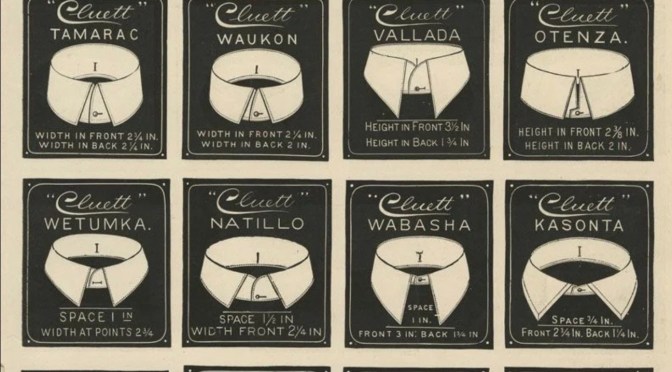
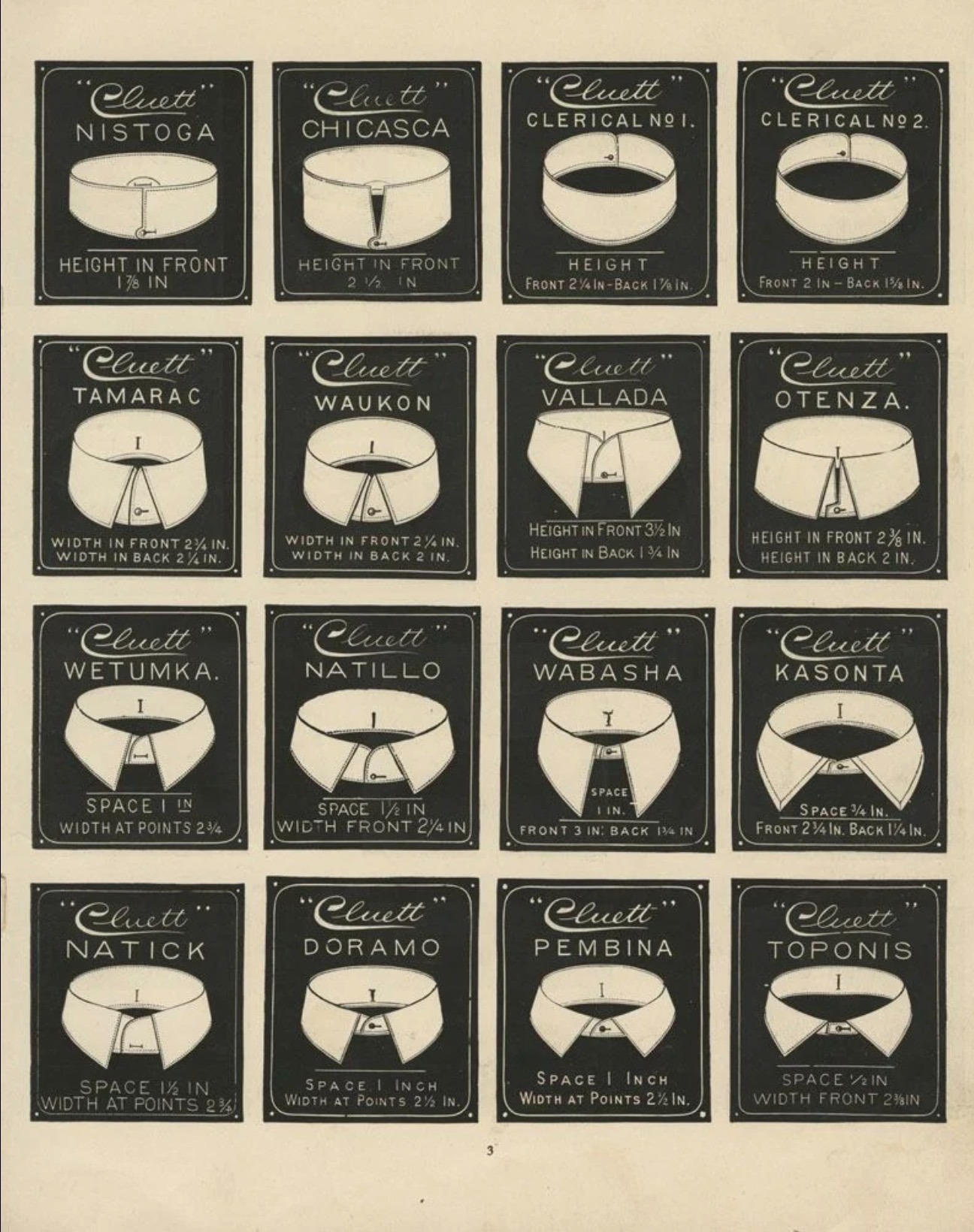
Types of collars chart:
Image of chart depicting different types of collars from around the world
When you walk into school you’re greeted by hundreds of other students standing around, talking with friends and such, but if you look at each and every one I’m willing to bet at least half of them are wearing a pair of jeans. Have you ever wondered where jeans came from, or why they were made? Have you ever wondered why they’re blue? If so, let’s talk about that. How did a pair of French working pants become an icon of worldwide casual outfits?
It all started in the town of Nîmes, France and Genoa, Italy when fabric weavers realized workers needed a more sturdy and durable fabric than was available. The names ‘jeans’ and ‘denim’ come from the names of the towns/cities: Genoa (Jea-noah), and Serge de Nîmes (de-Neemes) ‘meaning fabric from Nîmes’.
The first jeans were created with twill woven with two separate color pieces of fabric which is what causes the fading effect you see on jeans. The weft (white inside of jeans) was left undyed while the warp (blue outside of jeans) was dyed with indigo which was, at the time, a fairly new, cheap blue dye (blue dyes being rare before indigo).
Jeans initially up to about the start of the 20th century were primarily used by European miners and farmers, as they needed durable pants. When workers in the United States of America, primarily farmers, miners and cowboys adopted them as well, the romanticization of the American West became more common. More and more people made the journey across the country, with many adopting the jeans as well.
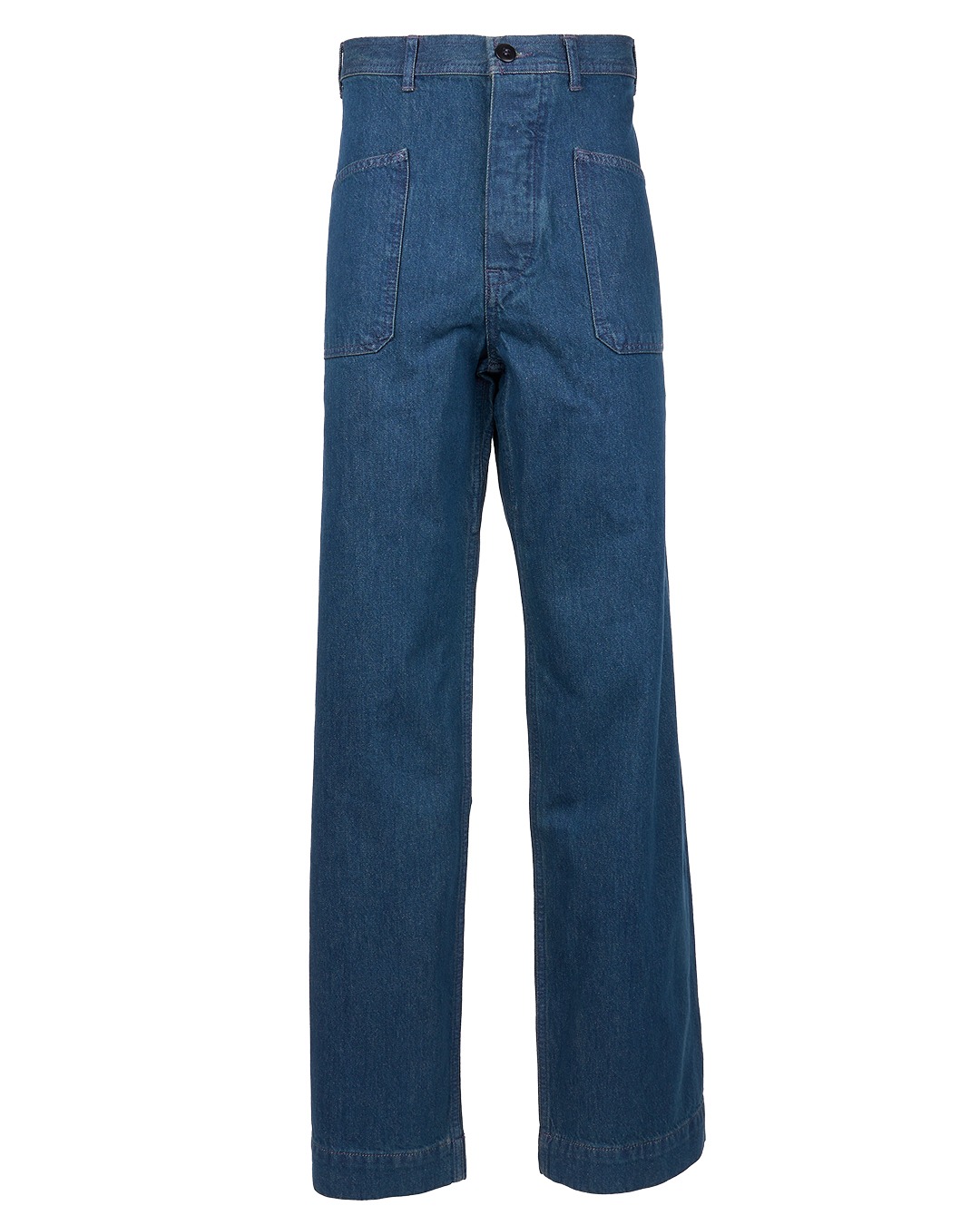
As the Second World War started many sailors brought their favorite pairs of jeans along with them to war. Although production of jeans did slow due to having fewer resources, all the war depictions of sailors wearing jeans made the pants blow up in popularity eventually becoming a staple of American workwear.
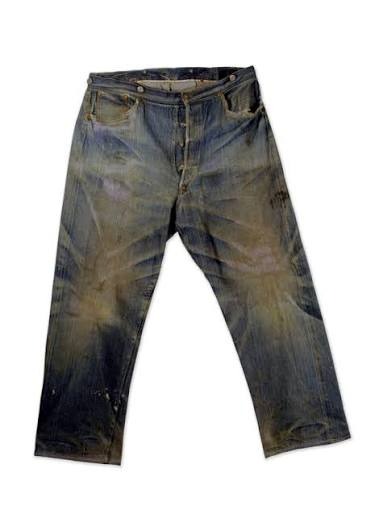
Pair of dungarees used by American sailors in WWII
In the late 1950s jeans were often associated with people who broke the rules of society. Near the beginning of the 1960s lots more people used clothes as more of a self expression; many young people in their 20s wore jeans as a protest against what was okay to wear in society and what wasn’t. Eventually, those groups invented the bell bottom jeans. Bell bottom jeans were a type of jeans that was skinny at the waist but flared out at the bottom, and at the time lots of queer people wore them in protest.
Soon enough, the 1970s came and by that time jeans were seen as more of a regular thing for people to wear, as the popularity had grown so much in the past fifteen to twenty years. The style soon returned to Europe, becoming more and more common across the world. As time went on different groups of people wore different jeans which surged in popularity; communities like hip hop popularized a more baggy fit of jeans, punk and grunge communities made ripped jeans more popular.
The 2025 Met Gala theme was, “Superfine: Tailoring Black Style,” with the dress code being, “Tailored for you.” The theme was a way to honor and pay homage to Black Dandyism. André Leon Talley, who epitomized Black dandyism, was a fashion journalist, and one of Anna Wintour’s close friends. He was known to wear tailored clothing, bold colors, and accessories which are characteristics of Black dandyism. This theme hinted more towards menswear while the dress code also gave the guests a chance to wear something that suited them. It was also noted that the dress code was “purposefully designed to provide guidance and invite creative interpretation.”
I will rank my favorite look from what is considered fashion’s biggest night, and how well they showed off their best interpretation of the Met Gala theme.
Coming in 10th place, Damson Idris wore a custom white racing suit, and a red, white, and blue helmet that featured 20,000 Swarovski crystals on it to promote his upcoming film, ‘F1.’ After that, Idris revealed another outfit underneath, a custom-made matching red tuxedo suit alongside the Tommy Tartan plaid that had “80 hours-worth of gold beading contrast against the special print.” His accessories featured a brooch and some personal jewelry from his brand collection.
I think his outfit went perfectly with the theme. It had bold colors and was the perfect representation of dandyism with its timeless elements.
Khaby Lame made his Met Gala debut wearing a custom BOSS suit, which he has collaborated with before on numerous campaigns. His look featured vintage pocket clocks on his waistcoat, which is a nod to the dandyism theme. It was a three-piece grey suit with a matching hat, a white shirt, and a tie. The outfit also had a trench coat, which was only on one shoulder.
His look complemented the theme by elevating menswear.
Making his Met Gala debut, Caleb McLaughlin, best known for ‘Stranger Things’, wore a grey suit that had an orange collar. His look was accessorized by colorful brooches, pins, a silk tie, teal gloves, a cane, and a Zenith DEFY Skyline sapphire watch. His look had a unique flair, elegance, and contemporary elements which went with the theme.
The Australian actress Sarah Snook, known for her role in the show, ‘Succession,’ had an outfit that consisted of a tailored tuxedo suit with a cape at the bottom that had red to it. Her outfit was complemented with multiple silver and red brooches by Rahaminov Diamonds and Saidian Vintage Jewels. She told Variety, “I also looked at photos from the 1980s, and Annie Lennox with that androgynous fashion and wide shoulders.” This look is in my top 10 because I love how she embedded black menswear while also tailoring to herself.
Brian Tyree Henry, an American actor secured the 6th spot with his very bold and vibrant look. He wore a custom-tailored red suit with a coat over it. The look showed hints of gold and featured some embroidery, brooches, boots, gloves, and a leather tie. He embodied the theme and was one of the few to pay tribute to André Leon Talley.
Instead of wearing a fitted suit, Nicki Minaj chose to transform a black and white striped pantsuit into a fitted gown with a mermaid-style skirt. One of her shoulders featured floral ruffles, which made the look even more unique and added a more tailored touch to it. To top it off, her hair was in this updo with a gold floral headpiece; she also had on some bright blue nails which gave the look a hint of color.
She did a wonderful job balancing homage and individuality in her look; her look was sharp, and bold, which is why I put it in 5th place.
Jodie Turner-Smith honored her heritage by wearing Burberry, a popular designer brand, she said, “Burberry is such a classic British brand, and it’s extra special to work with a fashion house that is representative of my roots, my beginnings.” She wore a tailored burgundy leather coat dress, and her look paid homage to Selika Lazevski, a Black equestrian who lived in Paris. Her look featured a cinched waist and a bustle which was a nod to the Victorian era in Selika Lazevski’s portrait. Her look was topped off with a tall hat that was angled at the side of her head. Her look was effortlessly timeless which is why I put her in 4th place.
Cardi B wore a green velvet-length suit with embroidery on it. Her stylist, Daniel Lee told Vogue, “For Cardi’s look, we liked the idea of a tailored, feminine dandy.” Underneath her open back coat, she wore a devoré shirt that had ruffles and cuffs, and matching green trousers. Daniel Lee took inspiration from 19th-style outfits, saying, “There was one particular image we found of an emerald green gown from the 19th century: The back of the gown had a circular cutout that, for the time, would have been controversial. We liked this idea of nonconformity, keeping with the spirit of dandyism.” The sharp tailoring gave the outfit a more elegant and luxurious vibe which is why she is in my top 3.
Coming in 2nd place is Ugbad. She wore a customer Michael Kors collection which paid tribute to the late André Leon Talley. Her look had a metallic charcoal paisley brocade cape with a faux silver fox collar, paired with a charcoal embroidered crystal pinstripe trouser suit. The outfit was accessorized with a bow tie, and a hat, the perfect example of the dandy style.
In the first place, we have Teyana Taylor. This look was widely praised all over social media, because it’s the perfect representation of the theme, “Superfine: Tailoring Black Style.” Teyana Taylor wore a custom burgundy zoot suit ensemble-inspired outfit. The look featured feathers, lace, crystals, and a hat with a matching durag. She also added some personal touches to her outfit by featuring an embroidery of her 2018 song, “Rose in Harlem.”
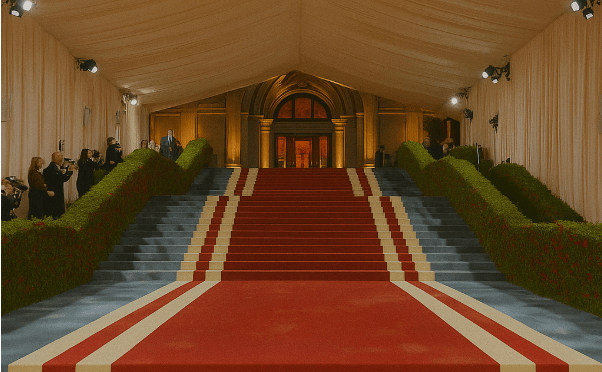
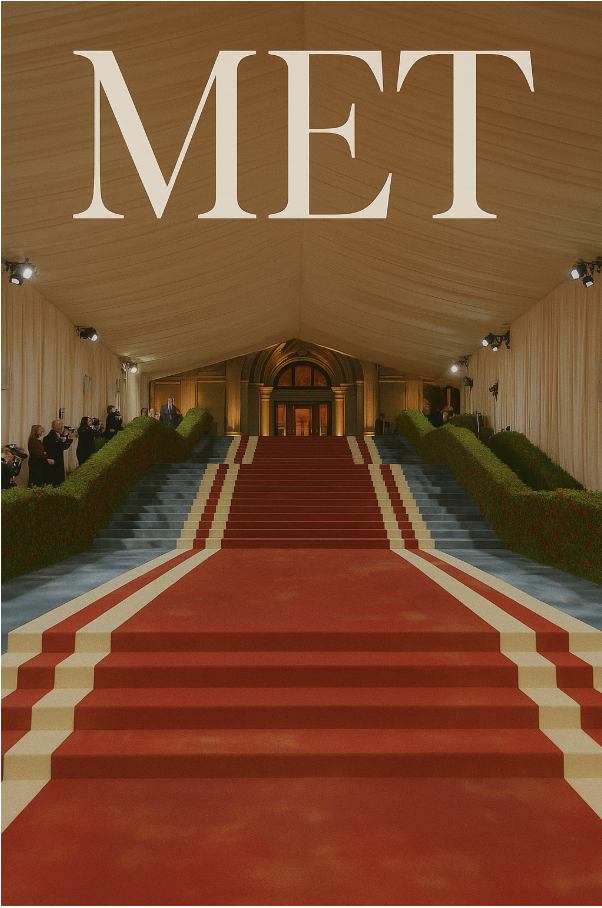
Often considered fashion’s biggest night, the Met Gala, also known as the Costume Institute Benefit, is an annual charity fundraiser held at the Metropolitan Museum of Art in New York City. It is held on the first Monday of May each year. Guests show up in extravagant outfits that resonate with that year’s dress code, which is inspired by the exhibit’s theme.
In honor of the annual Met Gala on May 5, I will be ranking the past themes from recent years (2014 – 2024).
2014:
Theme – Charles James: Beyond Fashion
Dress code – White tie and decoration
★★★☆☆
The exhibit paid tribute to the American Fashion designer, Charles James who inspired the dress code. He was known for his structural ball gowns. The guests were expected to wear full evening gowns, tailcoats, waistcoats, and bow ties. The most notable look for me was Karen Elson, a model, and singer-songwriter, who wore a dress designed by Zac Posen, and Blake Lively, an actress who wore a Gucci gown.
While this theme was beautiful, it was forgettable and safe. There was little room for uniqueness and innovation since everyone was expected to wear ball gowns, making it feel like just another red carpet event rather than the Met Gala, which is why I give it 3/5 stars.
2015:
Theme – China: Through the Looking Glass
Dress code – China: Through the Looking Glass (guests were expected to interpret the theme)
★★★★★
The theme was a way of celebrating the Chinese impact on Western fashion over the centuries. I give this theme a 5/5 because each attendee had a unique outfit on how they interpreted the theme. The theme was visually pleasing and there were a lot of cultural references.
My favorite look from that year was Rihanna’s. Her look was designed by Guo Pei, a Chinese fashion designer. The look featured a canary yellow coat dress with a large fur trim train, which took 2 years to complete, and it was worth it because Rihanna stole the whole night.
2016:
Theme – Manus x Machina: Fashion in an age of technology
Dresscode – Tech white tie
★★★★☆
Manus relates to creating with your hand while Machina means to use machines to create, the theme highlights how technology influences the creation of fashion, and the increasing impact it has on design and production. The dress code was inspired by the theme, which is meant to celebrate technical innovations.
The theme wasn’t bad itself, it’s just that everybody showed up in some sort of silver futuristic gown, my favorite being Kim Kardashian, who wore a metallic silver Balmain gown with a side slit on the dress that went up to her thigh. For my favorite more unique look, it was Emma Watson, who wore a custom Calvin Klein outfit, made out of a recycled plastic bottle which ties into the theme.
I give this theme an overall rating of 4-stars because there was some unique spin to the theme, such as Clare Danes wearing a light-up Zac Posen gown.
2017:
Theme: Rei Kawakubo/comme des Garçons: Art of the In-Between
Dress code: Avant-Garde
★★★☆☆
The theme for 2017 was honoring Rei Kawakubo, a Japanese fashion designer who is known for designing outfits that defy gender, form, and traditional beauty. The avant-garde definition is “new and unusual or experimental ideas, especially in the arts, or the people introducing them.”
My favorite look was by Rihanna, who wore an actual Rei Kawakubo design from her 2016 fall collection. The dress was an asymmetrical 3-D sculptural floral dress. This theme had a lot of potential, but most chose to play it safe by completely disregarding the theme which is why I give it 3 stars.
2018:
Theme – Heavenly Bodies: Fashion and the Catholic Imagination
Dress code – Sunday best
★★★★★
The themed exhibit was inspired by Catholicism, showing an intertwining of Religion and fashion, showing Pope garments, biblical artifacts, and religious symbolism. The outfits were stunning, everyone delivered which is why I gave it a 5 star mark. My favorite was Chadwick Boseman, who wore a custom Atelier Versace; he wore an all-white blazer and cape with gold crosses and a red tassel, the look went with the theme. My other favorites included Ariana Grande, Rihanna, Zendaya, and Blake Lively.
2019:
Theme – Camp: Notes on Fashion
Dress code – An expression of everything artificial
★☆☆☆☆
Camp is defined as “an aesthetic that is exaggerated, theatrical, and often intentionally ‘bad’ or ‘over the top’ in a way that is still enjoyable and playful.”
To be honest, I didn’t like the theme, it wasn’t good, which in a way makes sense. If I had to choose my favorite look, it would be Janelle Monae, who wore a custom Christian Soriano dress. The dress was a split design dress that included pink, and black, white, and red colors, the dress also included cutout designs and very “campy” details.
2021:
Theme – In America: A Lexicon of Fashion
Dress code – American Independence
★☆☆☆☆
When I think of the dress code, I imagine wearing designs popularized by American designers to honor the influence America has on fashion worldwide. The theme offered a very diverse styling since America is not a monolith, it’s a very diverse country.
Even though there is a vast majority of style influences that the guest could’ve chosen from, most still chose to dress in a more ’50s, ‘60’s old Hollywood fashion style, and if they didn’t dress up in old Hollywood, they just didn’t match the theme at all. The red carpet was all over the place, so with that being said, none of the looks from the ‘21 Met Gala really stuck out to me, so I rate this Met a 1 star.
2022:
Theme – In America: An Anthology of Fashion
Dress code – Gilded Glamour White Tie
★★☆☆☆
The theme and dress code was inspired by the Gilded Age era which ran from 1865 to 1902. When you look up gilded period outfits, you see skirts with a bustle, ribbons, hats, and corsets.
With the dress code being very specific, you would assume people would have an easier time following, but that was proven wrong; the majority of the outfits that guests wore didn’t follow the theme at all. With that being said, one look that did stick out to me was Billie Ellishe’s outfit, which fits the theme. She wore a Gucci gown that had a corset bodice. The gown also featured green and purple flower designs on the sleeve as well as on the bodice.
I rate the ‘22 Met Gala 2 stars, just because it didn’t live up to my standards of what I was expecting.
2023:
Theme – Karl Lagerfeld: A line of Beauty
Dress code – In honor of Karl
★★★☆☆
The theme honors Karl Lagerfeld, a German fashion designer who served in the fashion industry for 6 decades. He was best known for his work with Chanel, Fendi, Balmain, and Chloé as well as his own brand. His design characteristics were very structural, and black and white with sharp tailoring.
Pretty much everyone was on theme, Karl was a very influential designer that the majority of the guests had worked with in recent years, so I think that’s why they were easily able to interpret the theme in their own way. My favorite look being Anitta, she wore a Marc Jacobs gown that featured a long train, white opera gloves, and platform heels.
Even though everyone was on theme, the theme was a little boring, nothing special, so I rate it a 3 star.
2024:
Theme – Sleeping Beauties: Reawakening Fashion
Dress code – Garden of Time
★★★★★
The exhibit featured fragile, historically significant garments hence the theme “Sleeping Beauties.” This was honestly the best Met Gala they have had in recent years, and my ultimate favorite. My favorite looks included Harris Reed wearing his own design , Alia Bhatt wearing Sabyasachi, and Nicki Minaj wearing Marni.
Image taken by SZE SHEU gtm 001 from Wikimedia Commons
Brandy Melville is a very popular clothing brand, founded in Italy in the late 1980’s and started to get global attention in the early 2000’s. It is one of the most well known, and thriving brands among teenage girls and young women right now. As of today, Brandy Melville has over 100 stores across the world, but most stores are found in the United States.
There are a couple of things that Brandy Melville is especially known for, that make it stand out as a brand. Mainly, it’s the aesthetic and authenticity of Brandy Melville. It’s very clean, feminine, and dainty. Oftentimes there are recurring patterns and designs on items that are special to Brandy Melville like: hearts, flowers, animals, and many kinds of embroideries.
A major contributing factor to the success of the brand is the attention it gains from social media. Brandy Melville does have its own social media platforms, and often engages with its audience through posting latest collections and releases. Also, many viral influencers on social media right now are constantly encouraging the brand, to the point where Brandy Melville is a staple in almost every teenage girl’s closet now.
Although Brandy Melville is a very successful brand, it has faced controversies in the past. This is because of the “one size fits all” sizing of their clothing items. While there is a wide variety of items and patterns to choose from, there are not any sizing options. This is very problematic for people when it comes to wanting a specific fit, and especially inclusivity. There have been many attempts by the public to change this, but Brandy Melville has not shown any concern for the issue, and probably never will.
Overall, I think Brandy Melville is an amazing brand because even though it has its flaws, it’s still one of the best places to buy clothes from as a teenage girl. The clothes have so much detail and variety, and the pricing is rather affordable. It has overcome many controversies, and I’m sure it will continue to be very successful.
The Official Online Newspaper, Literary Magazine, and Video News of the Highland Park Scots