
By: Andrew de Sam Lazaro
When you walk into school you’re greeted by hundreds of other students standing around, talking with friends and such, but if you look at each and every one I’m willing to bet at least half of them are wearing a pair of jeans. Have you ever wondered where jeans came from, or why they were made? Have you ever wondered why they’re blue? If so, let’s talk about that. How did a pair of French working pants become an icon of worldwide casual outfits?
It all started in the town of Nîmes, France and Genoa, Italy when fabric weavers realized workers needed a more sturdy and durable fabric than was available. The names ‘jeans’ and ‘denim’ come from the names of the towns/cities: Genoa (Jea-noah), and Serge de Nîmes (de-Neemes) ‘meaning fabric from Nîmes’.
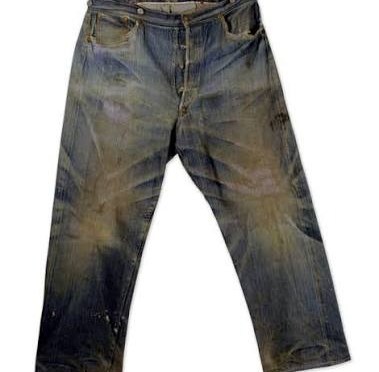
The first jeans were created with twill woven with two separate color pieces of fabric which is what causes the fading effect you see on jeans. The weft (white inside of jeans) was left undyed while the warp (blue outside of jeans) was dyed with indigo which was, at the time, a fairly new, cheap blue dye (blue dyes being rare before indigo).
Jeans initially up to about the start of the 20th century were primarily used by European miners and farmers, as they needed durable pants. When workers in the United States of America, primarily farmers, miners and cowboys adopted them as well, the romanticization of the American West became more common. More and more people made the journey across the country, with many adopting the jeans as well.
As the Second World War started many sailors brought their favorite pairs of jeans along with them to war. Although production of jeans did slow due to having fewer resources, all the war depictions of sailors wearing jeans made the pants blow up in popularity eventually becoming a staple of American workwear.
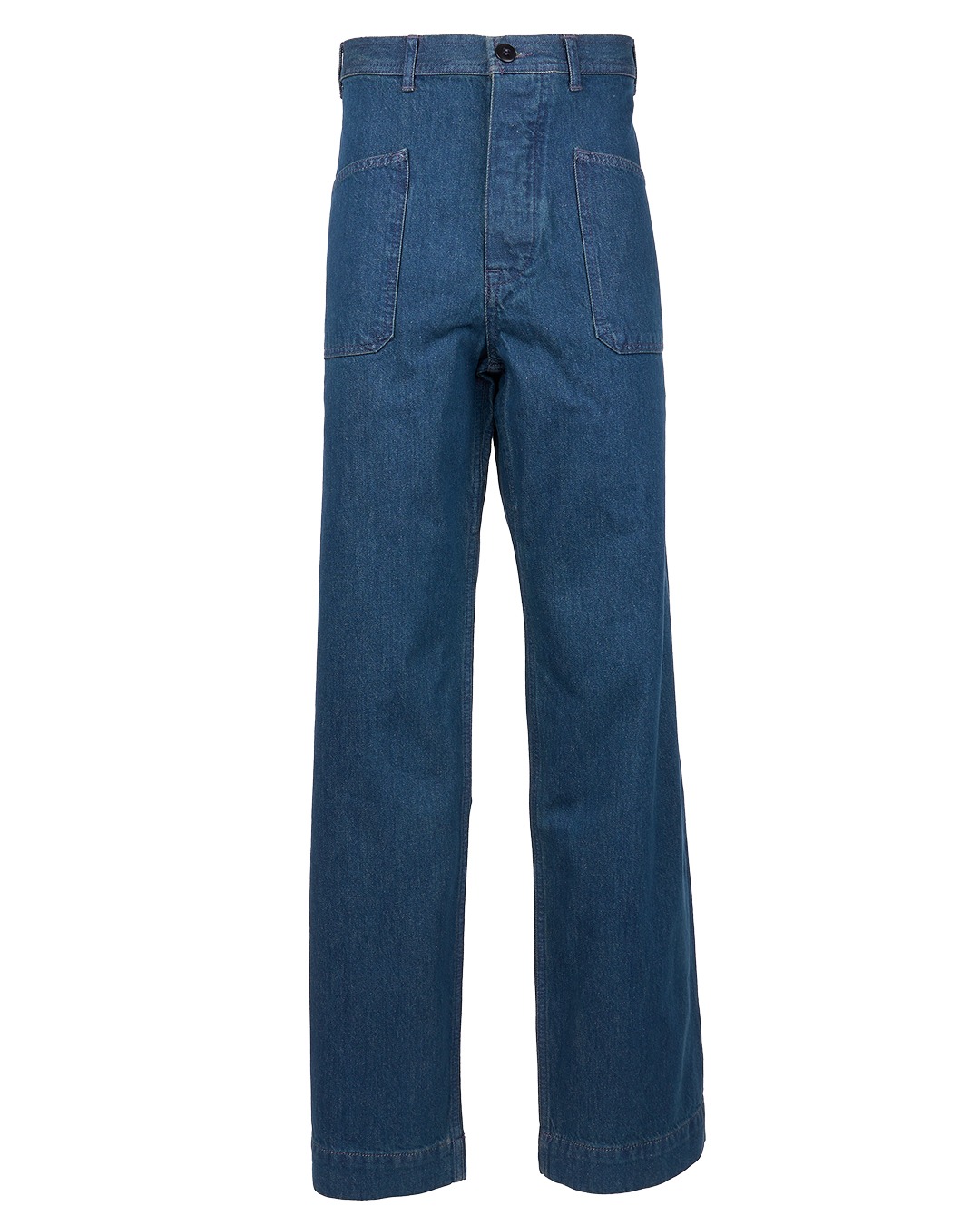
In the late 1950s jeans were often associated with people who broke the rules of society. Near the beginning of the 1960s lots more people used clothes as more of a self expression; many young people in their 20s wore jeans as a protest against what was okay to wear in society and what wasn’t. Eventually, those groups invented the bell bottom jeans. Bell bottom jeans were a type of jeans that was skinny at the waist but flared out at the bottom, and at the time lots of queer people wore them in protest.
Soon enough, the 1970s came and by that time jeans were seen as more of a regular thing for people to wear, as the popularity had grown so much in the past fifteen to twenty years. The style soon returned to Europe, becoming more and more common across the world. As time went on different groups of people wore different jeans which surged in popularity; communities like hip hop popularized a more baggy fit of jeans, punk and grunge communities made ripped jeans more popular.
For more information, please visit:

