
Tag Archives: critical ethnic studies

Why ethnic studies is an important class

By: Calvin Westin

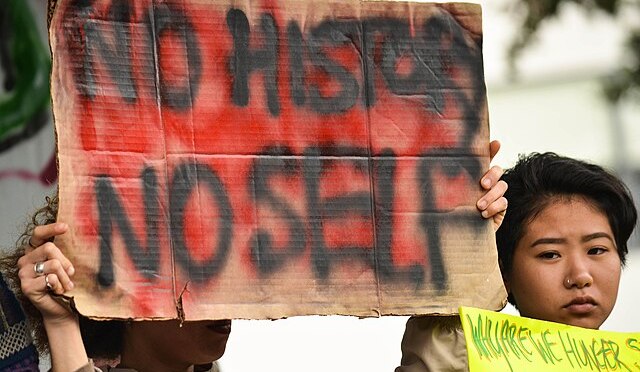
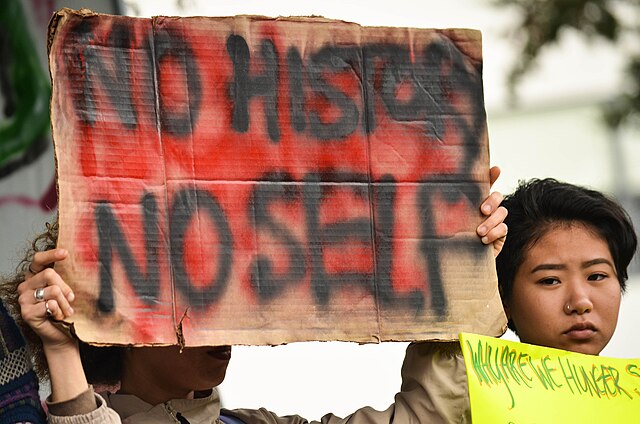
SF Students hold signs in solidarity and support of the Third World Liberation Front 2016, the name of the court students on a hunger strike to defend the SF State College of Ethnic Studies, during an emergency press conference in the Quad Monday, May 9. (Melissa Minton) via Wikimedia Commons

Ethnic studies was created during the longest strike in United States history at San Francisco State College to include marginalized groups and to re-enroll a student who was suspended for political speech. The strike lasted 80+ days and brought many different people from different backgrounds together, for example: Black, Asian, Latinx students, the Black Panther Party, the Third World Liberation Front, and many more. This strike led to the spread of ethnic studies across the country. The strike reformed the curriculum where white culture was dominant and changed how American colleges showed diversity.

At Highland Park Senior High School, Critical Ethnic Studies is taking these ideas and making them real for us right now. Instead of just reading out of a textbook, we get to see the actual stories of people from our communities whether that’s local, statewide, or internationally. In a city where 50% of the population belongs to minority groups, it is important that the things we do in school are current and reflect our communities. We learn about indigenous people in Minnesota, the history of Rondo, and the struggles of Hmong and Somali families who moved here. It’s different from a regular history class because it focuses on the deeper parts of history. We learn about systematic racism but also how people have practiced resistance against it.

This class at Highland Park is helping us become better at thinking for ourselves instead of just memorizing things. For example, we look at the 1969 San Francisco college strike and connect it to things that are happening in our world today. It also makes you realize that speaking up is important and your voice matters and that you can be part of making a change. By focusing on marginalized groups, the class shows us that all history is worth learning. It is one of the only classes where you can see and compare yourself in the lessons and understand how you and your family fits into the history of the US. Critical Ethnic Studies is not just about learning the past but instead it’s giving us the opportunity to understand our own lives and respect the people who came before us.

Issues multiracial people deal with

By: Siri David

Poem written by the author

As a sophomore at Highland all students are required to take critical ethnic studies. There is a semester project we do where we have to find a topic with local significance and share our knowledge about the topic and an action plan of how we’re going to get the information out into our community.

For my project, I wrote a poem about being multiracial and how society sets up these stereotypes that create insecurities and mental health issues for multiracial people all over the United States. This is a topic that is really important to me because I am multiracial and for the longest time this was something I was insecure about, so I wanted to bring more light to the topic.

Over the whole semester I have been researching the history of multiracial people. Multiracial people first came to be when European settlers would take Native women as companions, and once settlement increased, marriages and unions between European settlers and Natives became more common. For a long time multiracial marriages were illegal in the United States though. In 1967, the bill Loving V. Virginia was passed which allowed interracial marriage all over the nation.

Along with learning about history I also learned about the current issues that multiracial people struggle with. There are many stereotypes and issues set around multiracial people and these cause a lot of mental health issues. A lot of people imply the idea that multiracial people don’t belong anywhere since they aren’t 100% of a specific racial group. This leads multiracial people to struggle with their identity a lot. The mental illness that is related to this is called imposter syndrome. This is just one example of the effects from the negative ideas people create around multiracial people.

For my poem, I chose to write it about the current issues and not the history of the topic. I wanted to really show how multiracial people feel and the raw emotions that come with it. I also wanted to show how these ideas and ideas around putting people into “groups” start when we are so young. In my poem I don’t state that I am talking about multiracial people because I wanted people to have to think about it. I want them to think about who they think is affected in our society like this. After they read the poem there is context behind it that is shared. For example this article.