Tag Archives: climate change

Water and food crisis

By: Tenley Em

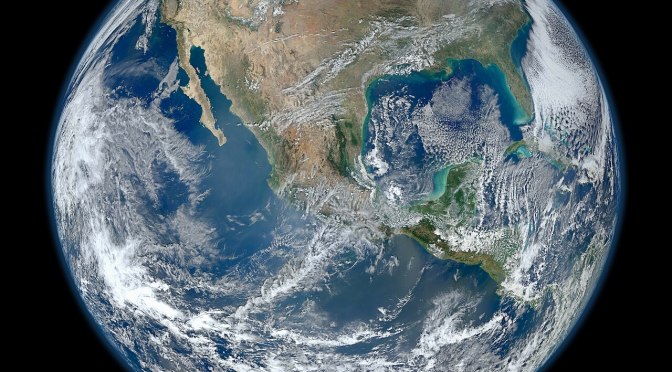
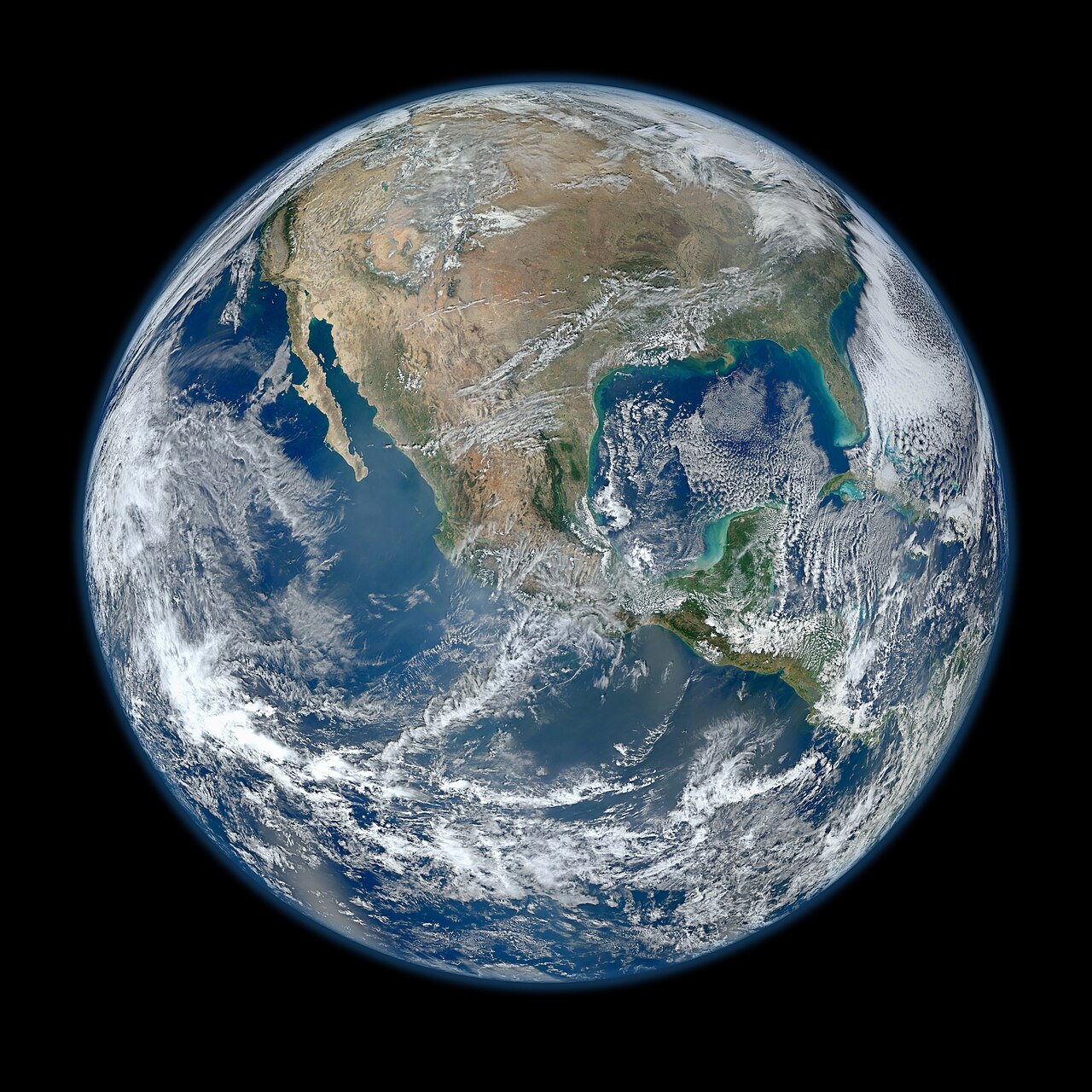
A view of most of North America taken from a low orbit of about 826 km altitude by NASA/NOAA/GSFC/Suomi NPP/VIIRS/Norman Kuring via Wikimedia Commons

Currently, about 266 million people are said to be at risk of hunger, and on the other hand 1.8 billion people don’t have access to a safe and reliable water source. We get our water from nature; it comes from rivers, lakes, etc. We are lucky to have the privilege to be able to use and drink this water, but when our ecosystems are overused, polluted, or damaged, we put our own water supply at risk. If water sources are not taken care of, the water we use could become unsafe, unreliable, or even more expensive. Water is something we need every single day, so when we damage the places that provide it, we are also putting ourselves at risk by making the water unsafe for ourselves.

Another major issue is climate change and the fact that we are continuing to warm the Earth. The world is already getting hotter, so making it even warmer can create even more serious problems. Climate change can affect where clouds and rainfall move. One example is the expansion of the Hadley Cell, which can cause areas like sub-Saharan Africa, the Middle East, and Central America to get less rain.

At the same time, other areas can experience more precipitation, leading to more flooding. At least 21 million people around the world are currently at risk from river flooding, and that number could possibly increase to 54 million by 2030. Floods can destroy homes, farms, roads, and even sources of clean water. For example, severe flooding in Bangladesh affected about 5.7 million people and caused 115 deaths. This shows just how serious flooding can be and how many people can be affected by it.

Healthy ecosystems are also a type of natural infrastructure. This means that nature can do some of the things that we would usually need to build systems for. Forests, wetlands, rivers, and plants can help provide clean water and protect communities from flooding. They can also filter pollution and prevent soil from being washed away. For example, wetlands can absorb and hold a large amount of extra water during a flood. Trees and other plants can also help keep dirt and pollution out of rivers and lakes. When we destroy forests and wetlands, we lose some of this natural protection. As a result, flooding and water pollution can become even worse.

All of this connects to the food crisis around the world. People need water to grow food, and farmers depend on water for their crops and animals. When there is a drought, crops can die because there is not enough water. On the other hand, floods can destroy crops by giving them too much water, and people can end up with less food.

Another issue that is happening around our world right now is the food crisis. In 2024, more than 295 million people in 53 countries and territories are going through hunger. Millions of children also suffered from this because they did not have enough food. There are many different reasons people go hungry. Wars can destroy their farms and make it harder for food to reach people. Food can also become too expensive for families to afford. Climate change can make these problems even worse by causing droughts, floods, heat waves, and severe storms.

In 2024, around 96 million people faced serious food insecurity because of climate-related problems. When farmers lose their crops, there is less food available. This can also cause food prices to go up, making it even harder for families who are already struggling to afford what they need. Water and food are closely connected. Without clean and reliable water, it becomes much harder to grow food. Without healthy ecosystems, it also becomes harder to keep our water clean. Climate change can make both of these problems worse. This is why protecting the environment is so important.

There are things we can do to help. We can protect forests, wetlands, rivers, and lakes instead of destroying them. Farmers can use water more carefully and take steps to protect their soil. We can also work to prevent pollution from getting into our water sources. The Earth provides us with almost everything we need to survive, including food, water, clean air, and healthy land. If we continue damaging the environment, our problems with water and food could become even worse. Taking care of nature is not just about protecting plants and animals. It is also about taking care of ourselves and making sure future generations have a healthy planet to live on.

For more information, please visit:
Climate change’s effects on Alaska

By: Siri David

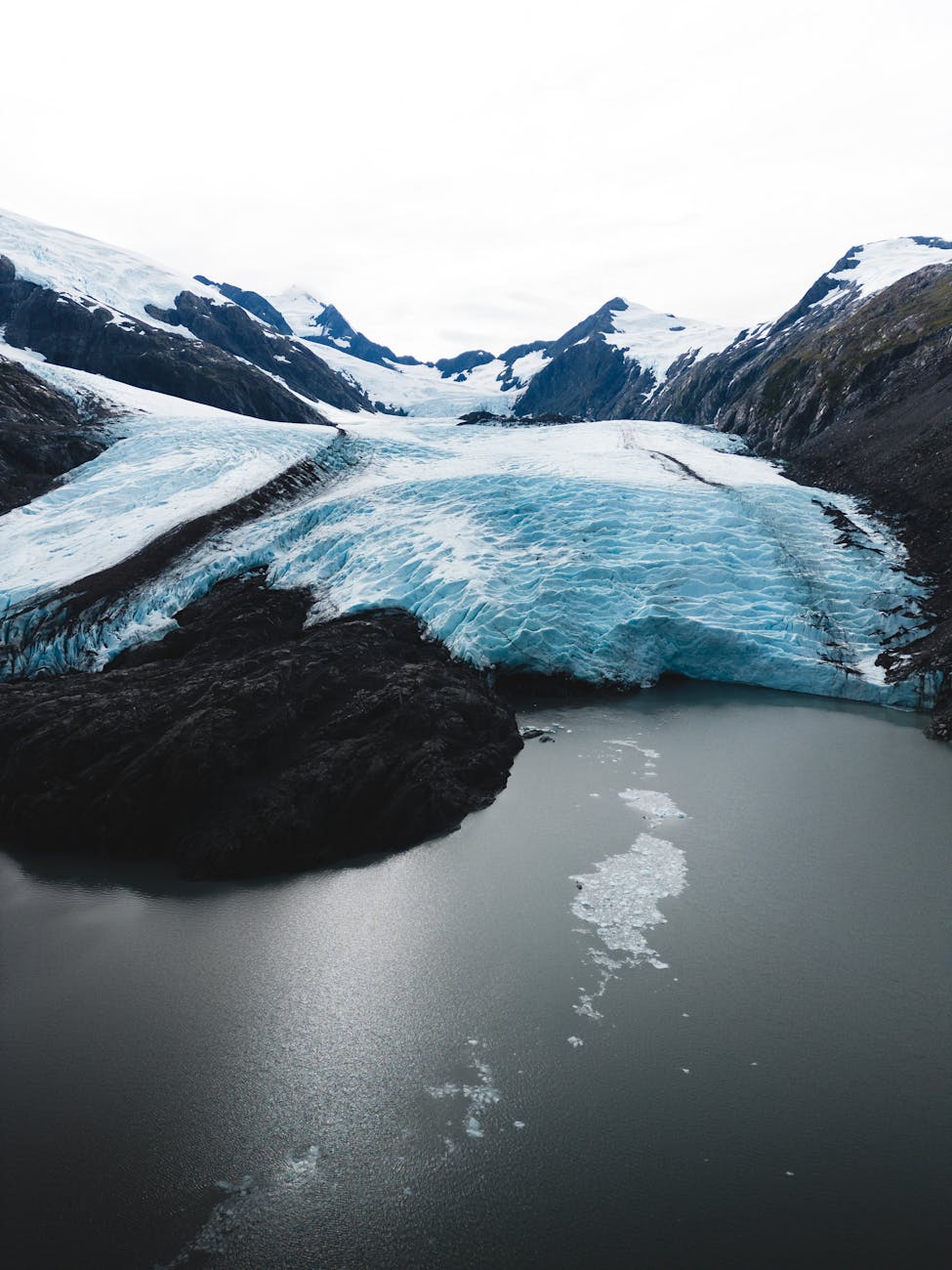
Photo by Tomu00e1u0161 Malu00edk on Pexels.com

Alaska is a prime example of climate change and the effects from it. Alaska has been facing these effects for more than 50 years. The environment there is changing everyday and there is only so much time left to be able to save it.

The state has warmed 3 degrees Fahrenheit, on average, in the summer and 6 degrees in the winter. This seems like a small change but it is actually a lot, and makes a big difference. The state has seen a lot of changes like glaciers shrinking, shores eroding, wildfires, and insects breaking out. These are all effects of climate change, and effects that are likely to continue rising.

These things are happening because of the earth getting warmer. Since the late 1700’s the amount of carbon dioxide that humans put into the atmosphere has increased by 40 percent. Along with that, heat trapping greenhouse gasses also increase at a fast rate. Both of these things cause humidity to increase which causes more rain in areas but can also cause droughts in other areas.

More carbon dioxide being put into the atmosphere also affects the oceans. Carbon dioxide mixed with water forms a carbonic acid which means that the ocean is more acidic. The ocean temperature has also been getting warmer which is why it feels like countries that are really cold face the most effects of climate change.

Whether it feels like it or not the world is suffering and we need to help it. There are a lot of big and little things we can do to help the environment and specifically Alaska. The smaller things include turning off lights when you leave a room, not letting your water run for longer than needed, and trying to walk/bike places more.

A larger thing you can do to make a difference is donating to organizations that work to clean up trash and the environment. If you don’t have the money for that you can personally work to clean up your community.

Something that I think really really does help is speaking up about it and staying updated on what is happening. Along with that, I think teaching people about what is happening to one of the most beautiful states in our country is so important and something we should all take action to fix.

For more information, please visit:
How climate change has affected recent hurricanes

By: Nathaniel de Sam Lazaro

Credit: Wikimedia commons: https://commons.wikimedia.org/w/index.php?search=Hurricane&title=
Special:MediaSearch&go=Go&type=image

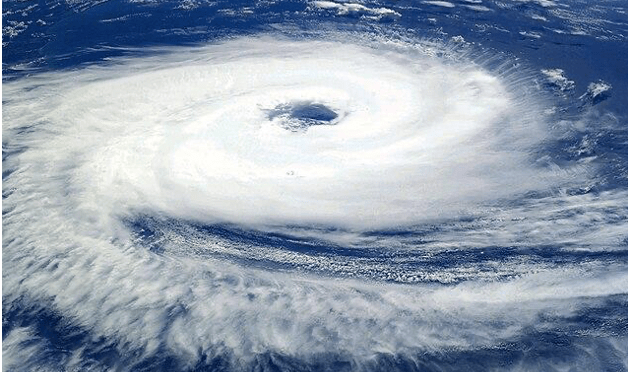
Last month, the nation watched as Hurricane Helene ravaged parts of Florida, Georgia, and the Carolinas. According to the Associated Press, the death toll is now 250 people and it is still unclear how many are missing. The hurricane caused billions of dollars in property damage, and 4 million people lost power. However, less than two weeks later, another hurricane pummeled toward the gulf coast of Florida, which had already been hit by Helene.

Hurricane Milton made landfall as a category 3 hurricane in Siesta Key, Florida, located near Tampa. According to Accuweather, at least 23 people died from this hurricane. While Milton was not as bad as expected, these hurricanes are still very deadly and dangerous. Large amounts of Florida were under evacuation zones, and the Tampa Bay Area has now been hit by two major hurricanes over the course of two weeks.

While these hurricanes are natural disasters that have been happening for centuries, it is undeniable that human actions have been making hurricanes more frequent and worse.

According to the Environmental Defense Fund, sea levels have risen by 4 inches since 1970, pushing water further inland and creating storm surges across the world, including in the volatile North Atlantic Ocean, which has seen major hurricanes (category 3 or higher) three times more frequently than it did 100 years ago. This rate has doubled since 1980. Additionally, hurricanes now have 10-15% more rainfall on average than they did 50 years ago.

Additionally, hurricanes have begun to move more slowly, making more water suck into them, making their storm surges more powerful. This is likely caused by the fact that the winds steering hurricanes move slower in warmer climates, and with a rapidly warming earth, this change is expected.

The truth is, climate change is already happening. It is more important than ever that we take steps to mitigate its effects. At the same time, humans must be able to adapt to some of the consequences of human caused climate change. In Florida, construction practices must change to be more resilient to worsening hurricanes. Governments should also enact policies that encourage the use of clean energy rather than fossil fuels. Only large, systemic changes can truly mitigate our climate crisis.  That is the only way we can stop climate change from getting worse than it already is. Our planet depends on it.