
By: Merob Geleto, Dahlia Man and Calvin Westin
All posts by HPSH Plaid Line

Chacarron vs Pibble
By: Sofia Patricio Mateo and Evelyn Solano Ruiz
Modern forms of Chakra for humans
By: Ro’mel Bryant-Oliveraz
Ninshu
In ‘The Sage Of Six Paths’, Hagoromo, filtered his power in a way humans can use. He didn’t want them to use it for violence so he invented Ninshu. Ninshu is taking the Chakra of everyone that can use Chakra, and sharing it with each other. This allowed humans to connect spiritually and mentally fully without speaking. This was meant to be very peaceful. Since humans lie with words, Ninshu allowed people to connect using their spiritual and physical energy and share their whole lives by just feeling and with no words. Ninshu is more ancient but it’s how all the rest are based on.
Ninjutsu
Is a way to convert Chakra into physical things using specific hand motions to manipulate the Chakra into specific shapes. It’s the most common and versatile use of human Chakra. This system was discovered by Indra, one of Hagoromo’s sons. He discovered that the Chakra people use to connect through Ninshu, can also be molded into certain shapes to create a reaction. He discovered certain hand signs trigger certain reactions. He also discovered the first Chakra Transformations, Lightning and Fire.
Chakra Transformations
It is Ninjutsu, but certain Ninjutsu require certain Chakra transformations, which everyone has an affinity to specific ones. The Chakra Transformations are Fire, Lightning, Wind, Water, and Earth. Everyone has a natural affinity towards one at birth, and can learn another through skill. The highest level ninjas, like Jonin, can usually use 2, but it’s possible to master more through sheer skill and knowledge.
In order to use for example, a fireball jutsu, you would want to have a natural affinity to the fire nature transformation. If your natural affinity was water, you could still learn fireball jutsu, but it’s much harder than for someone with natural affinity to fire. That applies to every jutsu that is specific to a transformation of Chakra.
Shape Transformation
While Chakra Transformations change the properties and elemental quality of Chakra, Shape Transformation focuses on manipulating the form, size, and movement of the Chakra. It molds the Chakra into specific physical manifestations without changing the elemental nature.
The most famous example of Shape Transformation is The Rasengan, created by Minato Namikaze. It is a ball of Chakra that is spinning in multiple conflicting directions at once at extreme speeds, giving it maximum chaos and tearing power. He also fully compressed that into a perfectly stable, compact sphere so it wouldn’t explode. Because it is a pure shape transformation any of the nature transformations can be integrated into it.
Taijutsu
Doesn’t require any coding with hand signs. Instead of projecting Chakra outside the body, you’re using it to enhance your body. You take your Chakra and instead of weaving it into a shape you are just expressing it on your body. This was likely discovered by Asura, the second one of Hagoromo’s sons, instinctively by doing physical labor and integrating Chakra in his body.
There are 8 Inner Gates on every human that try to limit the human body from using too much of its Chakra on its own body since your body will tear itself apart through overexertion. They can be bypassed if you know of them and through obscene physical training.
Genjutsu
Is taking the natural connection that Chakra has through Ninshu, and hacking that connection. Instead of connecting someone to “feel” them, you send your Chakra into their nervous system to override their Five Senses. For example, a basic genjutsu is making someone see you when you’re not there. You used the connection of getting into their brain, and corrupted it, making them see or feel things that aren’t real. This was discovered by Indra after purposefully corrupting his father’s Ninshu, it is the opposite of Ninshu.
Fuinjutsu
Is using Chakra to write complex formulas. That creates a logic gate that the universe has to follow. For example, being able to store massive objects in a tiny space. A common use is storage scrolls. A ninja writes a formula on the scroll, touch weapons, and the weapons are stored in the scroll. This usually requires a lot of Chakra control or quantity to handle complex formulas, or very very high IQ to condense those formulas to the minimum.
Senjutsu
Is not an invention of humans in any way. It is from the planet itself. Humans aren’t even the most native beings on earth, there are ancient Toads, Snakes, and Slugs that have lived for thousands of years. They can connect to nature energy much easier, since they have lived on earth much longer. For humans specifically, it’s adding another component to your Chakra rather than forming it. Instead of only the physical and spiritual energy to make Chakra, you also need to add Natural Energy, which creates Senjutsu Chakra. Though that is not easy at all, and very dangerous.
Earth energy is infinite compared to the Spiritual and Physical Energy in one person’s body, but you have to perfectly balance and only pull in the same amount of natural energy you need. It’s like trying to get a drop of water in a cup that you dip in an ocean. When a human is successfully able to integrate nature energy in their body they become much stronger, have enhanced senses, and can manipulate and feel the earth itself. When you achieve that state you are called a Sage.
Kekkei Genkai
Also known as Bloodline Limits, it is the ability to combine two Chakra Transformations to create something new. You cannot learn how to do this through skill or training alone, even if you mastered all nature transformations. You need to have a genetic mutation for the ability to do it.
Examples are Lava Release, being a fusion of fire and earth. There is also Magnet Release, being a fusion of wind and earth. As well as Boil Release, being the fusion of Fire and Water.
Dojutsu
Are also Kekkei Genkai. It is when a Kekkei Genkai manifests in the user’s eyes. The three Great Dojutsu belong to The Uchiha clan with the Sharingan, The Hyuga clan with the Byakugan, and a myth that nobody has really seen, wielded by The Sage of Six paths, called the Rinnegan.
The Sharingan
Allows the user to see Chakra flow, track high speed movement, and copy ninjutsu or taijutsu. The Sharingan has levels that unlock based on intense emotions like trauma. It starts as the first 3 tomoe stages, they all allow you to copy techniques, track movement, and cast genjutsu, getting better at the amount of tomoe.
The Uchiha also have The Mangekyo Sharingan, that unlocks when the Uchiha experiences the trauma of losing someone very close to them after having the tomoe Sharingan.
Upon activation the Mangekyo grants a unique ability. Examples are the Amaterasu that casts a black fire that can’t be put out, or Kamui that can teleport yourself or objects to a different dimension.
The Mangekyo also grants the Susano, which is a spectral avatar made of dense, pressurized Chakra. It surrounds the user like an indestructible suit of armor and moves perfectly in sync with their thoughts and actions. It’s the ultimate defense with its massive, near destructible, instinctive shield for the user. And also the ultimate offense because it is linked to the user’s thoughts and actions, and each Susano can manifest a unique weapon like swords, bows, shurikens or spears that can cut through anything almost.
The Susano only unlocks when the Mangekyo is present in both eyes. The drawback of the Mangekyo is that when you use it you go more and more blind, until you are fully blind.
The Eternal Mangekyo Sharingan unlocks when two users of a Mangekyo Sharingan that are very closely related, put their eyes into the other’s eyes. The EMS grants the ability to use the Mangekyo Sharingan without going blind. It also grants the Perfect Susano, which makes the Susano mountain sized, and grants the most amount of armor and body.
The Byakugan
Grants near 360 degree vision, telescopic and x-ray vision, and the ability to see Chakra flow and target the Chakra pathway system in fine detail. With near 360 degree vision the user can see everything around them besides one tiny blind spot at the back of their neck. With telescopic and X-ray vision they can see through solid walls, smoke, and several kilometers away with mastery. With Chakra pathway perception they can see the entire Chakra network and the 361 Chakra points in people’s bodies. This allows them to target those points to cut off and specifically damage Chakra to shut down or overload a body.
The Rinnegan
It was only wielded by The Sage Of Six Paths, Hagoromo. A human can only awaken it by combining the Chakra of his two sons, Indra and Asura, who have reincarnations. The primary ability is the Six Paths Technique which grants 6 distinct, reality warping abilities. 1: is the Devam Path that grants control over gravity forces. 2: isThe Asura Path that mechanizes the user’s body into cybernetic armor and weapons. 3: is the Human Path that can rip out human souls to read their mind. 4: is The Animal Path that summons massive, immortal, mythological or distinct creatures. 5: is The Preta Path that can absorb any form of pure Chakra or ninjutsu. 6: is the Naraka Path that can summon the King of Hell to interrogate enemies or instantly heal damage.
Mitchell Mesenbrink’s wrestling chess analogy
By: Brayden Marsh
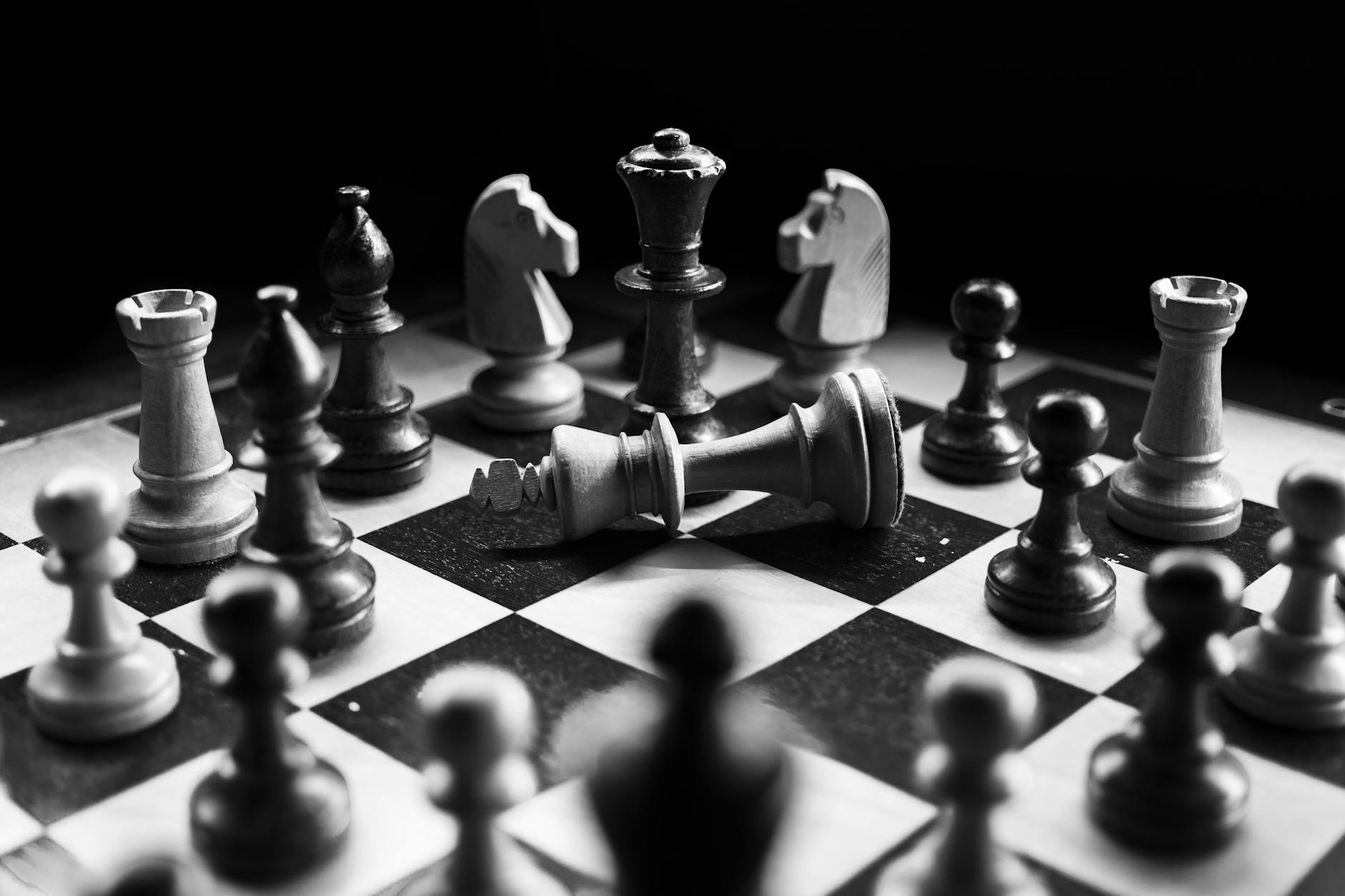
Mitchell Mesenbrink is a junior at Penn State, a 3 time NCAA All-American, and a 2 time National Champion. He is known for being very dominant in his weight class and many fans have named him as the best pound for pound wrestler at the moment. He is also known for his unique wrestling philosophies. He mentions these in many of his interviews after his matches, having a significant impact on his wrestling.
One of his well known philosophies is that he does not accept all of his wins as wins. He believes that how he performed during the match is more important than who won. He also has a constant mindset of aggression and being on constant offense during his matches, and he clearly shows it. He is very rarely seen on defense because regarding his style, the best defense is a good offense. He also believes in Penn State’s philosophy, which is that what is most important is the fun and enjoyment you get from the sport.
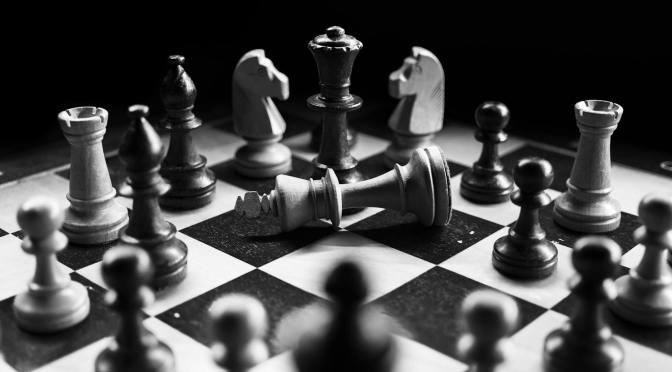
Perhaps his most known philosophy is his chess analogy. He believes that wrestling is just as much of a mental game as it is a physical one. He says that just like in chess, your opponent will have a style that they follow. He uses these styles of his opponents against them, rather than just attacking mindlessly. Similarly, on a chess board, this would be equivalent to a setup based on predictions you have. He believes in a constant pressure that will eventually break the mental barrier, leading to his opponents making many mistakes and ultimately losing. He has stated that chess has had a huge impact on his wrestling game and it will continue to do so.
Chess has had a huge impact on Mitchell Mesenbrink’s wrestling career, which likely is one of the reasons he is such a dominant wrestler. He has successfully developed a near perfect, unique style that works well for him.
‘Dandy’s World’: Twisted Delilah theory
By: Maple Graham
With the acceleration of content since the Twisted AI update, many are speculating what could be added next into ‘Dandy’s World’. The Toon of the Week events will admittedly take up a lot of the developer’s time, but those will be staggered to make up for other updates. The summer event is also speculated to happen this year, but it hasn’t been confirmed. What’s left is a decent chunk of time developers can use for other things, and fans have been wondering what could possibly be in store.
A fan theory—one that I have come to believe—has been circulating around: an upcoming Lethal variant of Delilah, a fictional co-founder of Gardenview and Dandy’s World. While not confirmed nor denied, there is still a myriad of possible evidence linking this theory to the game which I will be going over from the most to least trivial. If true, this would make her the first enemy in the game to not be a Toon, and the third Lethal.
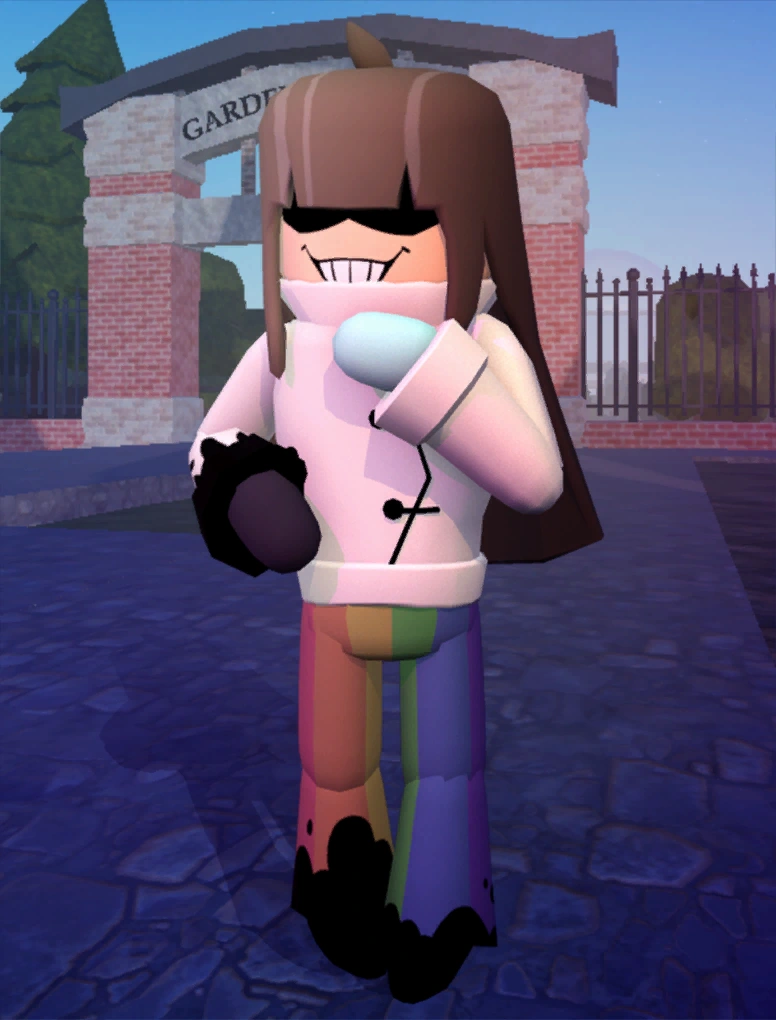
Firstly, within her portrait, Delilah has ichor stains all over her clothes, and her skin is also mostly covered. She could be possibly hiding parts of herself corrupted by ichor, and therefore masking her symptoms. It is entirely possible that she gained powers from the ichor, making her the most powerful staff member within Gardenview. However, this could just be a byproduct of working extensively with the substance.
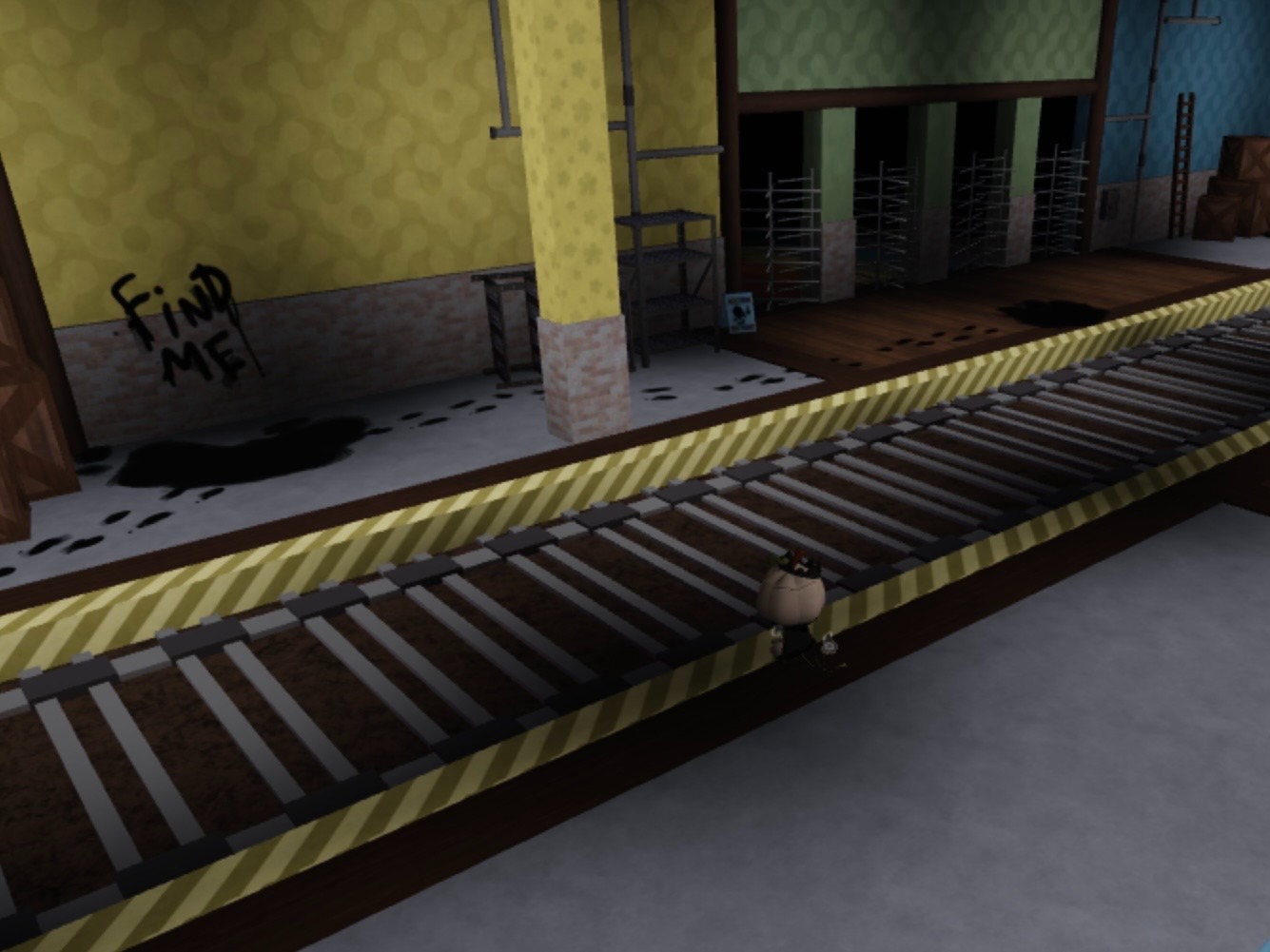
Secondly, there are many things around Gardenview that hint at another character lurking within the shadows of the game. There is various graffiti stating “find me” within various areas, and paired with footsteps that resemble a human’s: signifying some sort of hidden character is present; one that isn’t seen through the Toons. One of which is even located within a hidden office of Delilah’s, which can be inferred from past camera footage taken within that room.
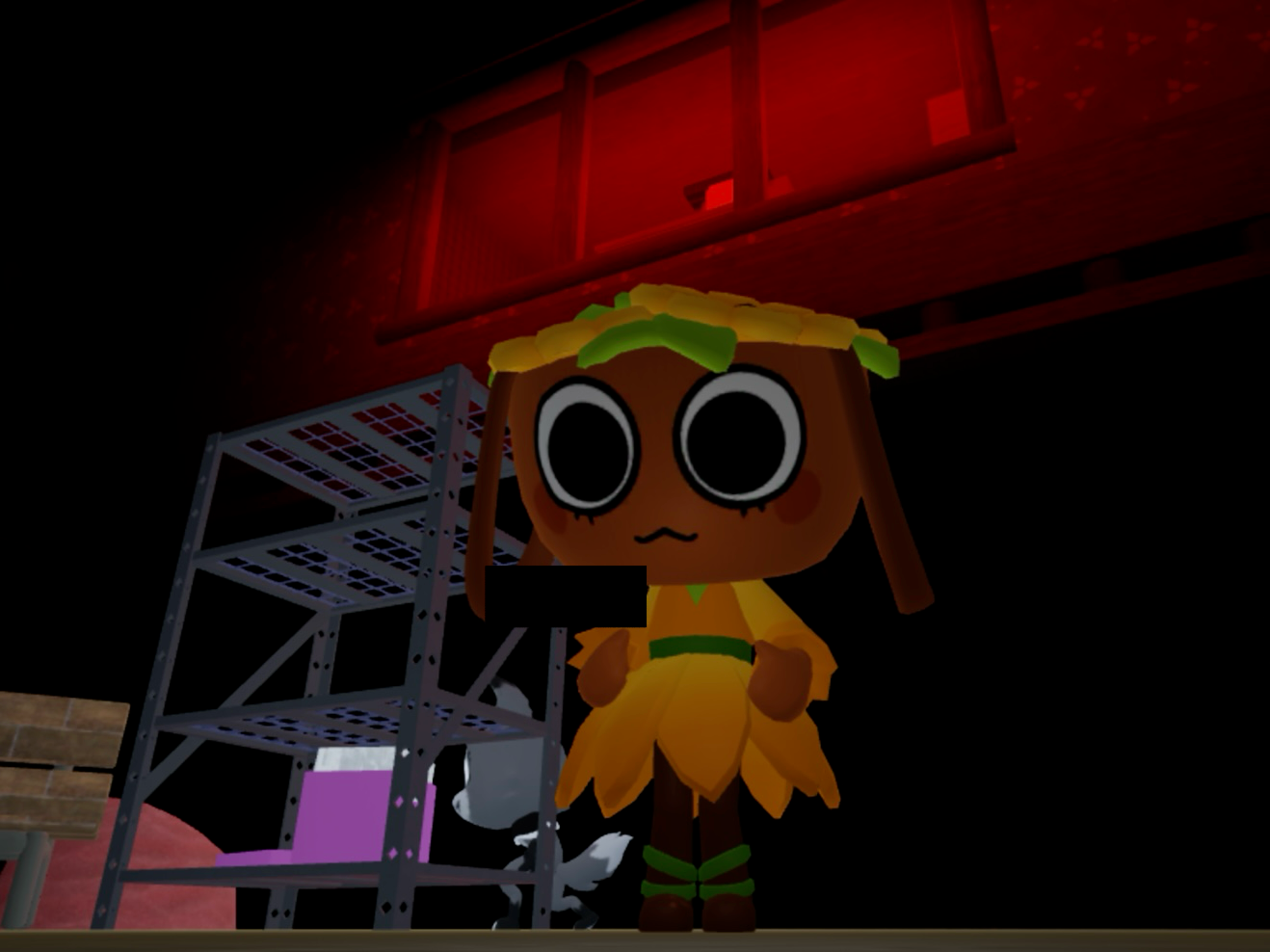
The most glaring evidence (and the most obscured) is a hidden room within Shelly’s floor. During a blackout, when the lights go out, a single red light stays on in an adjoining room. It is elevated, almost like a lookout room. There’s no figure visible, but that light in that inaccessible room hints at another presence within the facility that is not yet known, Delilah or otherwise.
A piece of evidence I was going to leave out, but ultimately decided to keep: ‘Dandy’s World’s’ naming convention. Both Lethals in the game, those being Dyle and Dandy himself, both start with the letter “D.” Though this may seem like an excessive stretch at first, they are the only Toons that have this trait. This could be mirrored onto Delilah, however Devan, Dandy’s toon handler, seems to nullify this argument. Additionally, Delilah’s last name, Keen, is oddly parallel to the attention span mechanic within the game, but this could just be another coincidence.
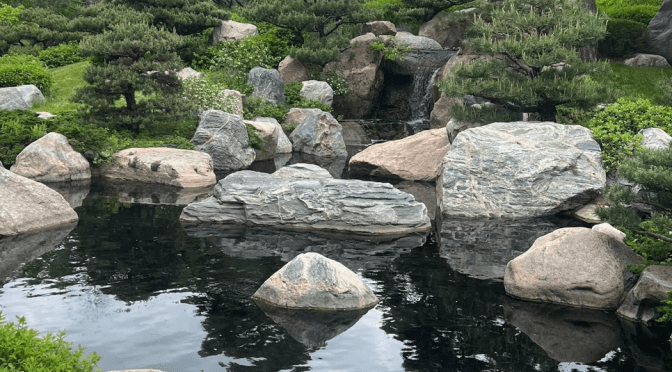
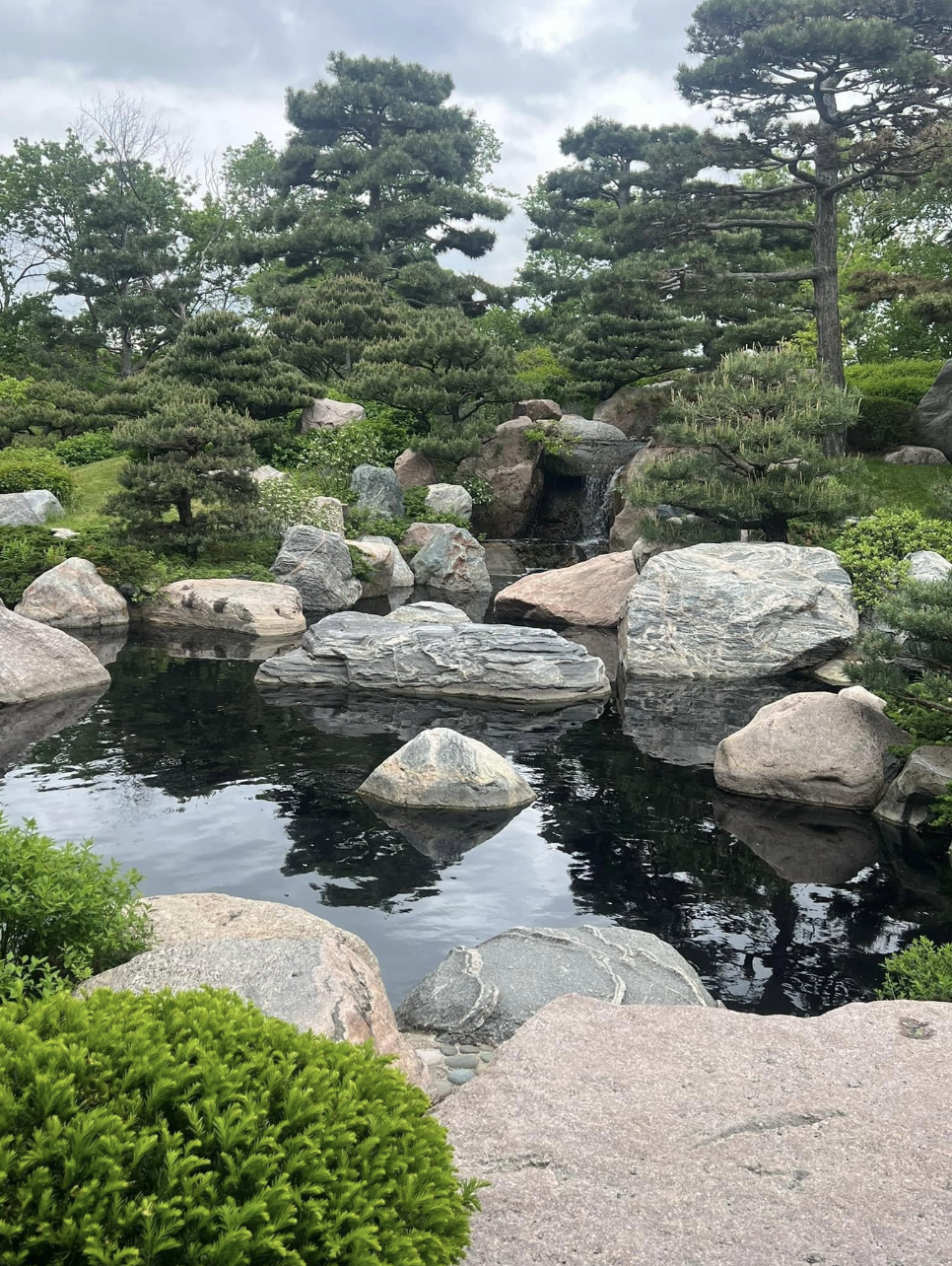
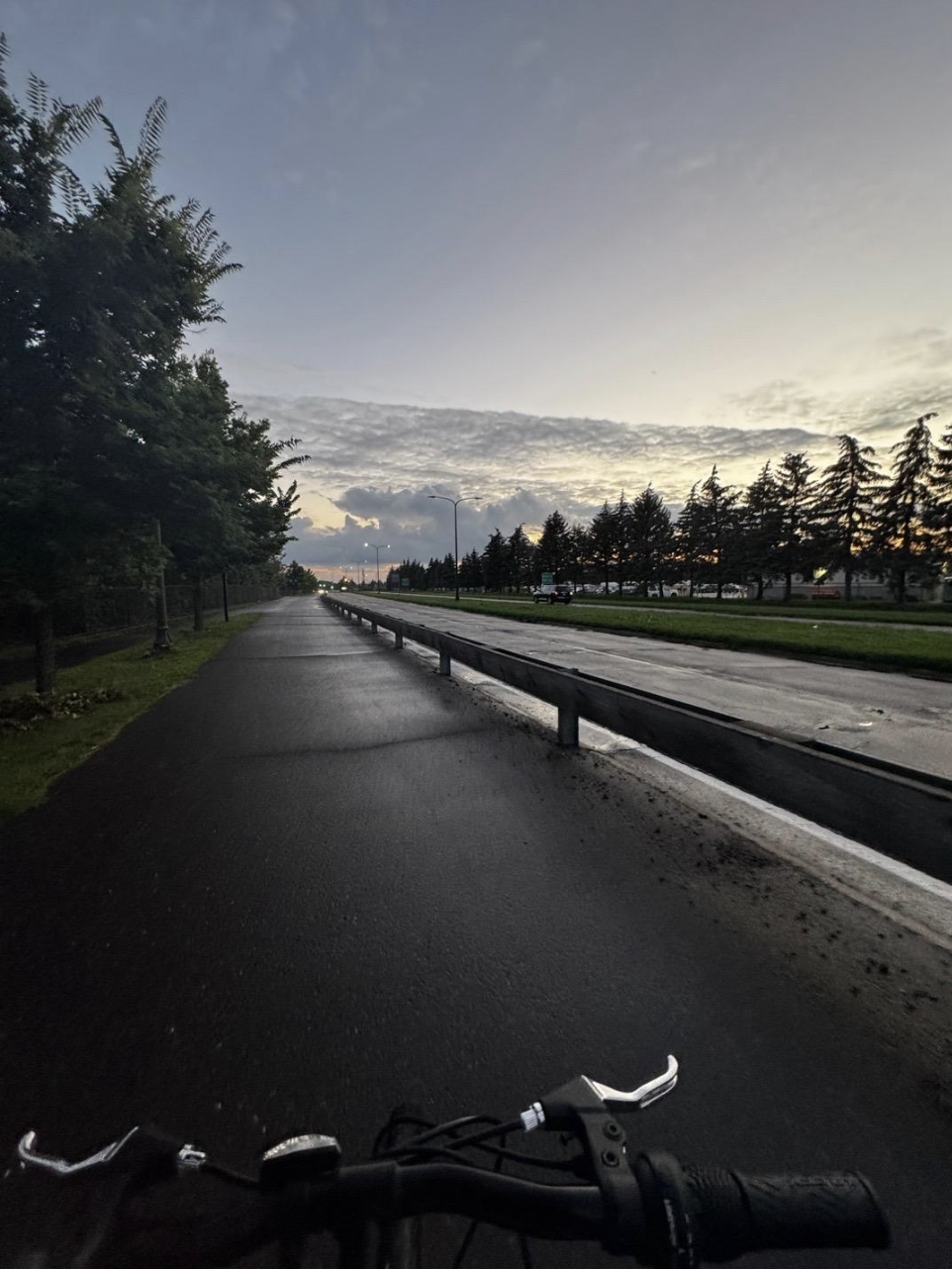
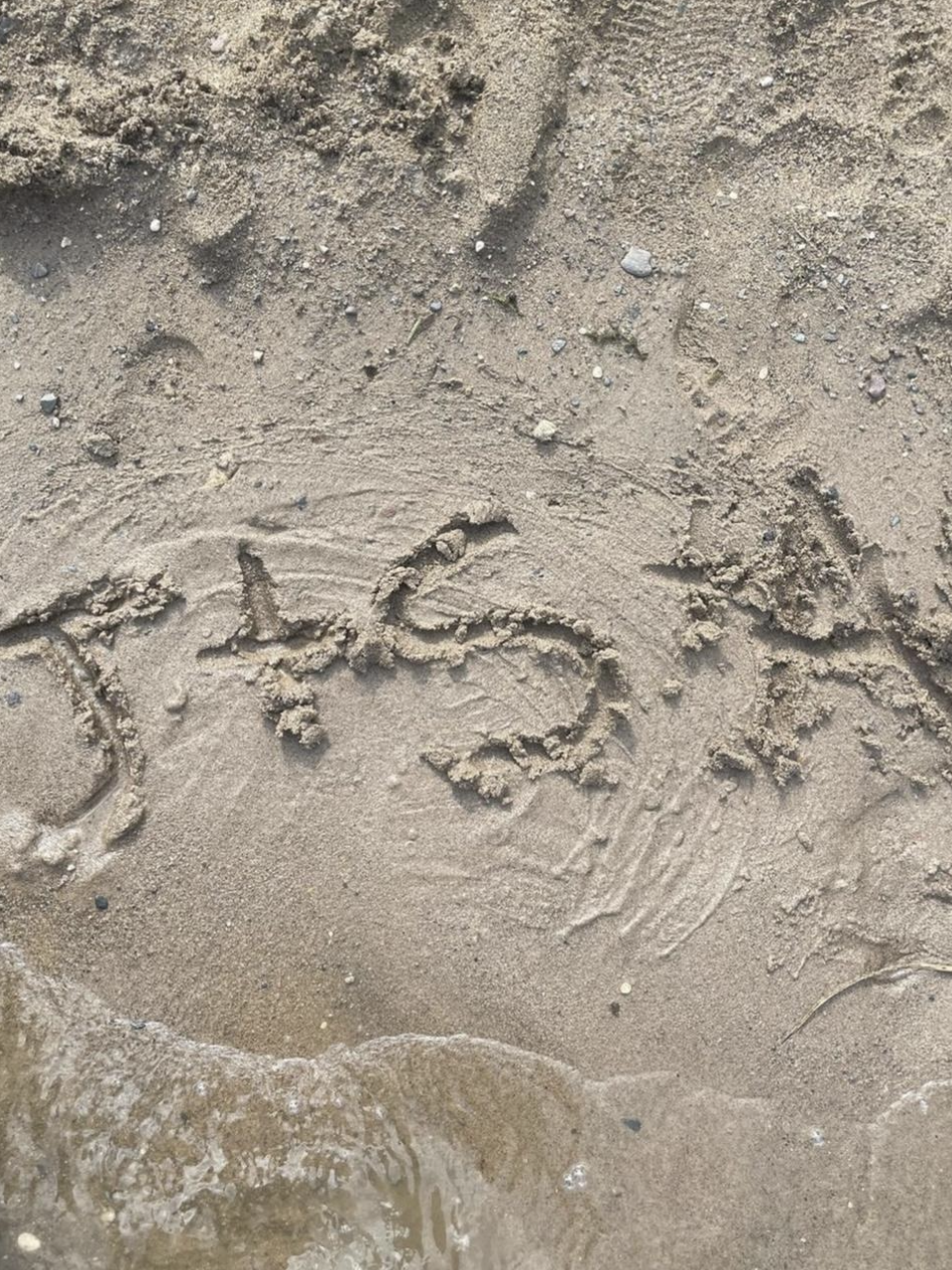
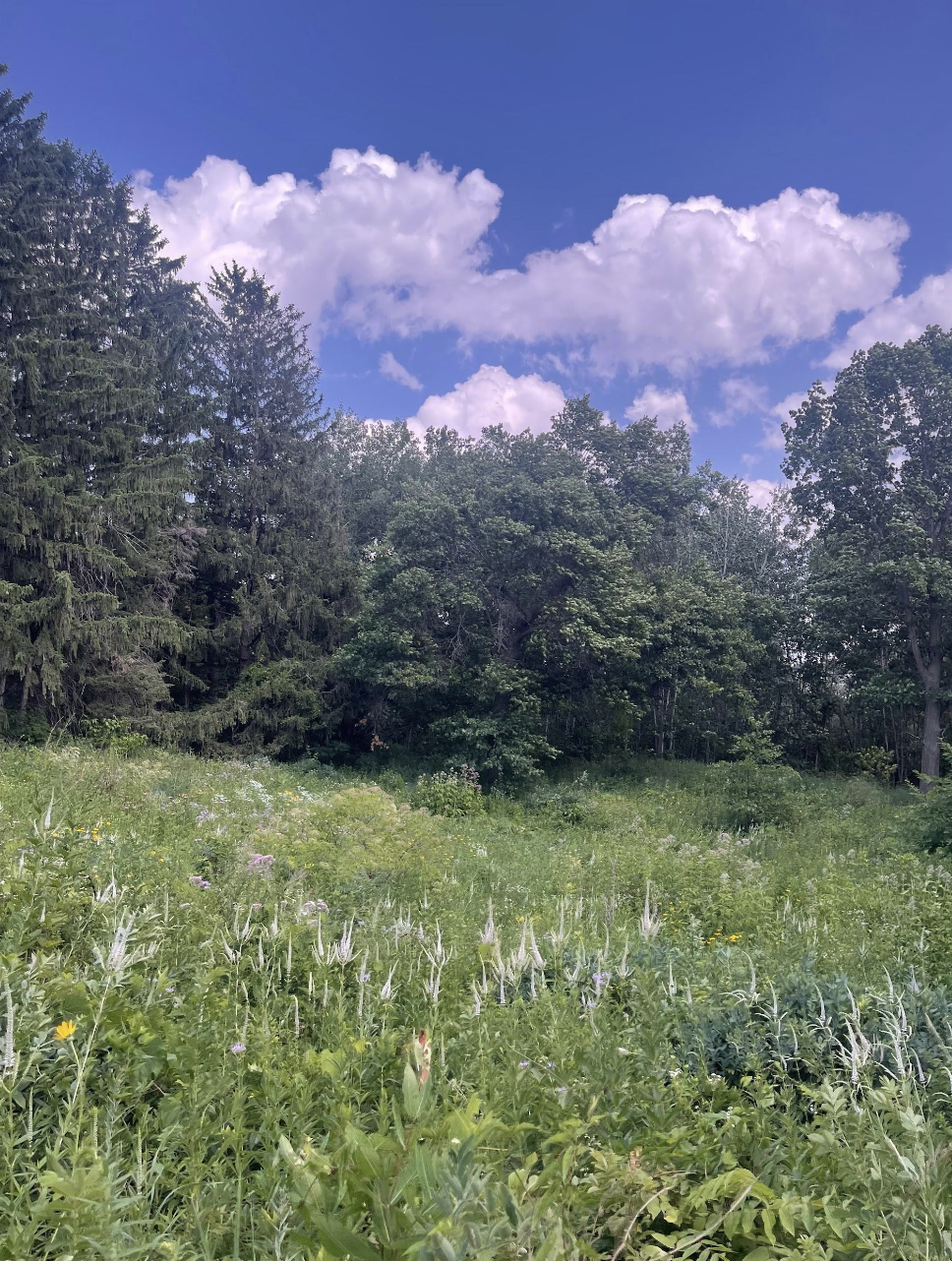
Outdoor pictures in Minnesota
By: Arturo Benetiz-Osorio




San Antonio Spurs vs OKC: 2026 Playoff Game 2
By: Sema’Jae Tate
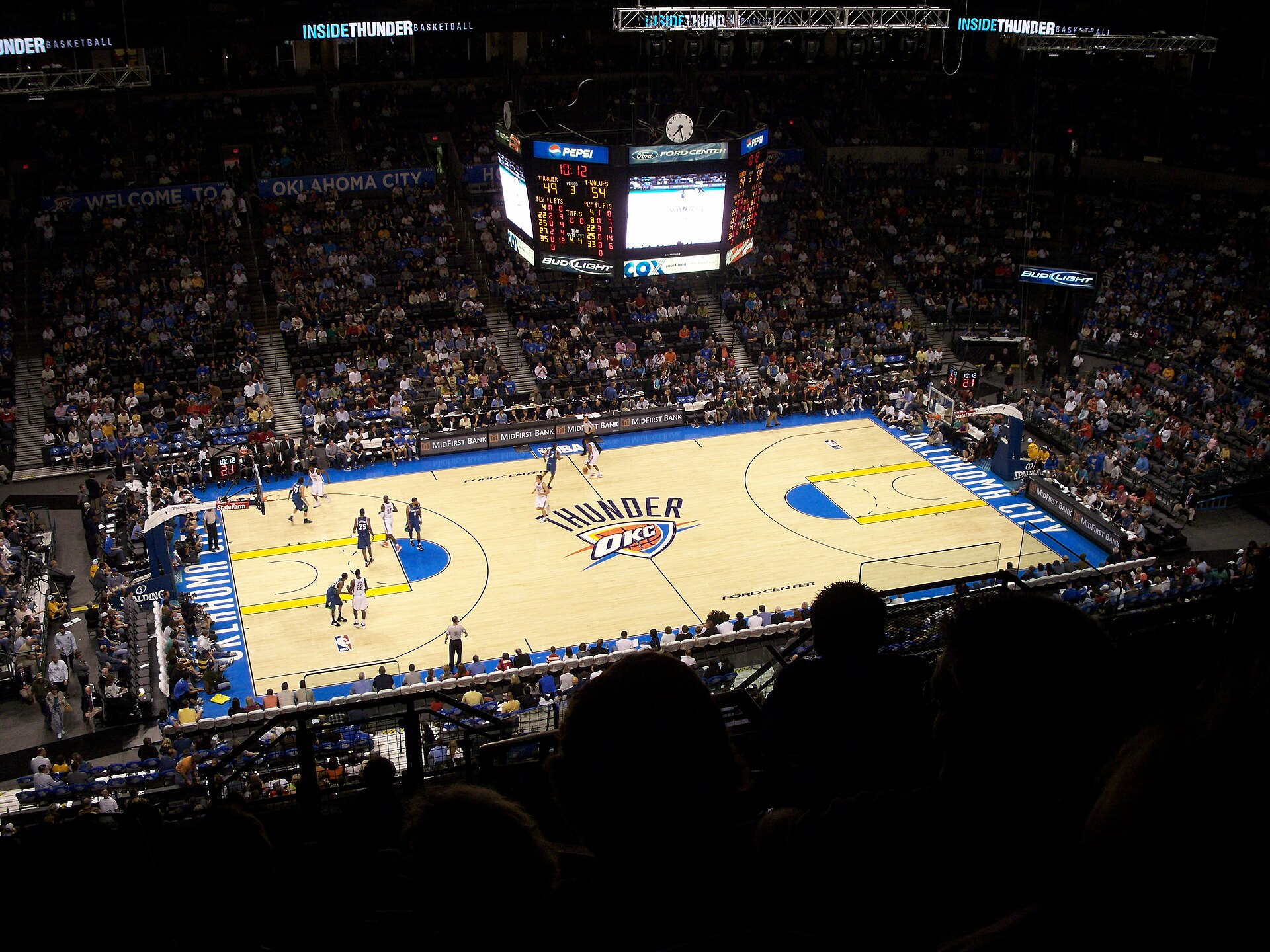
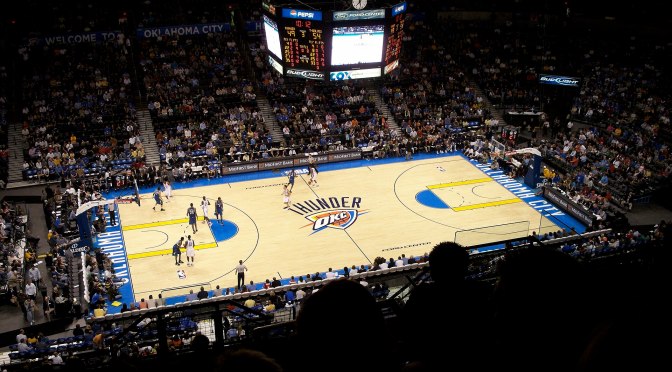
The Spurs and OKC’s game was actually a really good game because both teams kept matching each other’s energy the whole night. OKC ended up winning 122-113, but it was never like the Spurs were completely out of it. The Thunder played way more aggressively in this game after losing Game 1. Their offense looked smoother, they moved the ball better, and they hit a lot of important shots to keep the game close.
OKC also played with more intensity on defense which helped them force turnovers and get easy points in transition.
The Spurs still played solid though. They stayed competitive most of the game and kept fighting back every time OKC was gaining momentum. Their ball movement was good and they had stretches where the offense looked hard to stop, but they gave up too many easy buckets late in the game.
After 2 games, the series is tied 1-1, so it feels like it could honestly go either way depending on who plays better defense and handles pressure more in the next games. But the game really showed how this series can go either way.
One thing I noticed about the Spurs is they never really gave up even when they were down. They kept attacking the basket and trying to stay physical, but their defense started slipping later in the game. OKC took advantage of that by getting easy transition points and controlling the pace more in the fourth quarter. Both teams played hard though, which is why the series feels way more competitive now.
My feedback about the is I think the Spurs would’ve won if Dylan Harper didn’t get injured but they also need to tighten up defensively if they want to win the series because OKC is too good offensively and foul baiters.
At the same time, OKC has to keep playing with the same energy because when they move the ball and play aggressively they look hard to stop.
Overall, it was a really good game and it definitely made the series more interesting going into the next matchup.

Sports schedule for: May 24-30
| ATHLETIC EVENTS SCHEDULE MAY 24 – MAY 30 | |||
| SUNDAY | MAY 24 | ||
| TIME | BUS TIMES | EVENT | LOCATION |
| MONDAY | MAY 25 | ||
| TIME | BUS TIMES | EVENT | LOCATION |
| TUESDAY | MAY 26 | ||
| TIME | BUS TIMES | EVENT | LOCATION |
| 4:30pm | 3:15pm | 6:30pm | Baseball Sections vs. Holy Angels | Donaldson Park |
| 5:00pm | Boys Volleyball Sections vs. Humboldt | Humboldt High School | |
| WEDNESDAY | MAY 27 | ||
| TIME | BUS TIMES | EVENT | LOCATION |
| Boys Golf Section Tournament | Manitou Ridge Golf Course | ||
| 9:00am | Girls Golf Section Tournament | Goodrich Golf Course | |
| 3:30pm | Track and Field Section Championships | Macalester College | |
| 4:30pm | 3:00pm | 6:30pm | Baseball Sections vs. Southwest | Parade Stadium |
| THURSDAY | MAY 28 | ||
| TIME | BUS TIMES | EVENT | LOCATION |
| 9:00am | Girls Golf Section Tournament | Goodrich Golf Course | |
| FRIDAY | MAY 29 | ||
| TIME | BUS TIMES | EVENT | LOCATION |
| Boys Golf Section Tournament | Bunker Hills Golf Course | ||
| 3:30pm | 1:30pm | 8:00pm | Track and Field Section Championships | Macalester College |
| SATURDAY | MAY 30 | ||
| TIME | BUS TIMES | EVENT | LOCATION |
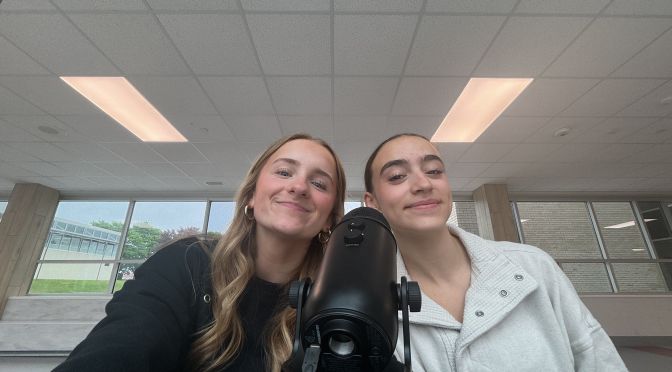
Summer Concerts
By: Maizie Hughes and Avi Zmira

Women of Asian Pacific Islander month: Kamala Harris
By: Alexsia Williams

Kamala Harris who was born to Shyamala and Donald Harris, was born on October 20th, 1964, in Oakland, California. In her early childhood years Harris attended Thousand Oaks Elementary School, in Berkeley’s public school system. Alongside attending school, Harris also attended both a Black Baptist church and Hindu temple, to honor her biracial heritage.
In her teenage years, Harris attended Westmount High school In Montreal, Canada, which was 60% percent white and 40% percent Black at the time. Although she initially struggled with the language barrier at the French speaking school because she spoke no French, her peers and friends during that time described her as “very smart” and “eloquent.”
After high school, Harris majored in political science and economics at Howard University in Washington D.C. During her time at Howard, she chaired the economic society, led the debate team, and was a member of a sorority.
After attending Howard, she returned to California to attend law school to earn her Juris Doctor from the University of California, Hastings College of the Law in 1989, where she served as the president of the Black Law Students Association.
After passing the bar exam in 1990, Harris began her career as a deputy district attorney in Alameda County to focus on prosecuting child sexual assault cases. Not long after, she moved to the San Francisco district attorney’s office, where she ran the carrier criminal unit.

Moving forward in later years, Harris served as the 49th vice president, alongside president Joe Biden through 2021 to 2025. With president Biden withdrawing from the race in July 2024, Harris became the democratic nominee for president but ultimately was defeated in the general election by Donald Trump.
Although not winning the 2025 election, Harris is recognized for being the first Black American, and the first South Asian American to hold the vice presidency. She continues to still advocate and be a leading voice for abortion rights, gun violence prevention and many other policies.

