
By: Simon Pluger
August 2005 by: Ryanjcole via Wikimedia Commons
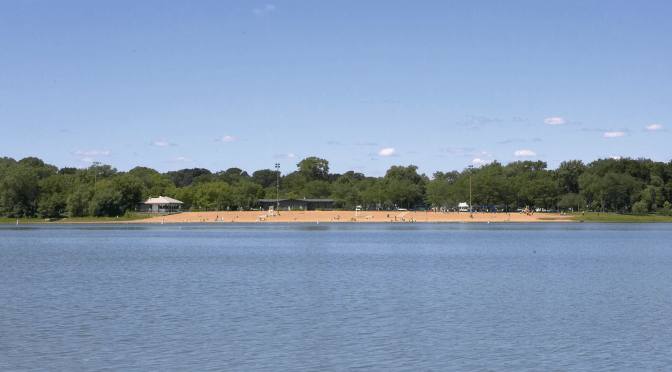
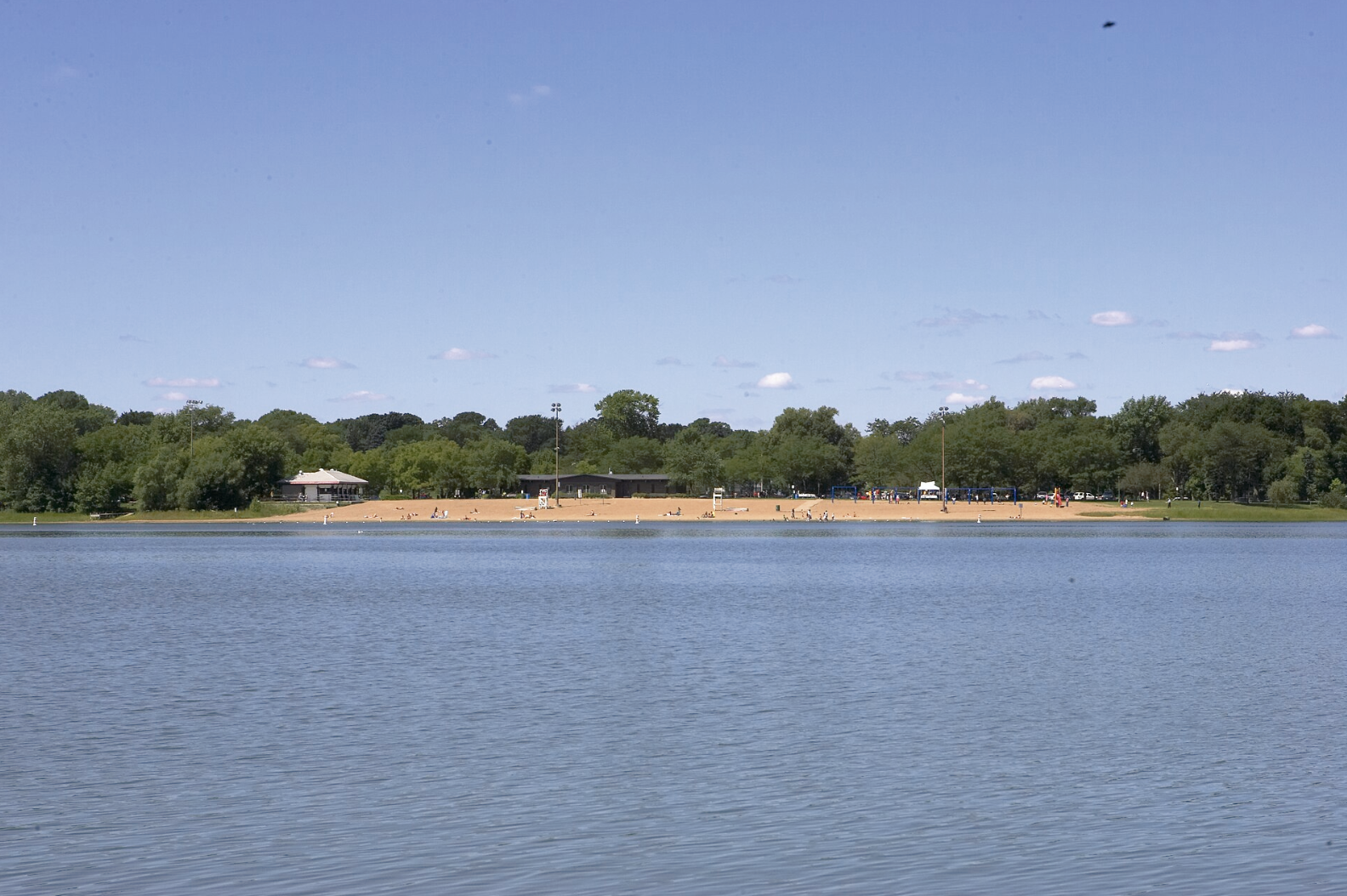
When summer finally arrives in Minnesota, everyone will know what to do: pack a bag and head to the beach in Minneapolis. We have several urban beaches such as Lake Bde Maka Ska, Lake Nokomis, and also Cedar Lake. All of these lakes offer a place to cool down when it is unbearably hot out with temperatures always fluctuating and sometimes breaking records across the state. One thing is for sure, beaches will be crowded, but will we actually see record swimmers this year or will it be another average summer?
If you think about it, hot weather means more crowded beaches of people wanting to escape the heat when the forecast is constantly in the high 80s and 90s. Staying inside with the air-conditioning feels nice but is sometimes very boring for people on summer break or for families looking for free activities to do, or anyone trying to cool off that wouldn’t have AC. The cities urban beaches are go to destinations.
However, predicting or even thinking about a record-breaking swimming season isn’t as easy as just looking at the forecast for the next week or two. For records to break, a lot of environmental science is also at play and the extreme heat just adds to it .
Even though hot weather draws people to the sandy beach, it also creates one of the most known problems in all of these urban lakes: toxic algae and bacteria. Minneapolis lakes are pretty, but they are also delicate ecosystems. When temperatures rise in the cities, there are often heavy summer rain storms which wash city pollution and other chemicals into the lakes. Nutrients like phosphorus overflow into the water and this mix of extreme heat and runoff can cause quick blooms of toxic algae.
We’ve already seen this happen with a lot of lakes in Minneapolis. The parks and recreation board has had to give out a ton of safety warnings and temporary closures to popular swimming areas, including around Lake Nokomis, due to water safety issues. If you swallow the water or even touch the water with the algae it can cause serious skin irritation, rashes, eye irritation, and severe stomach issues. So even if it’s hot out, and there’s one of these warnings, the beach’s swimmers will drop to zero.
Another key factor is that how many people work at these beaches? The city works really hard to keep everyone safe but hiring staff to be lifeguards has been a really big problem in the last couple of years because there’s been a big shortage of people wanting to work as lifeguards. This is because the beaches usually have to limit how many lifeguards they have, and sometimes they won’t have any making the beach closed, or swim at your own risk. This leads to large crowds gathering at just a few specific beaches because there are no lifeguards.
My final verdict is that we will most likely see higher than average crowds relaxing on urban beaches this summer. People are eager to escape the heat, but this won’t mean that there will be more than average people swimming. If we get enough cool breaks throughout the summer, we will likely see more people swimming because there will be less algae in the water, but if the heat remains being up and staying up, this will cause more algae. This will mean that people will be stuck on the sand and not in the water.

