Category Archives: School Life

The pros and cons of the ACT and the SAT

By: Karl Salkowski

(Image Credit Unsplash)

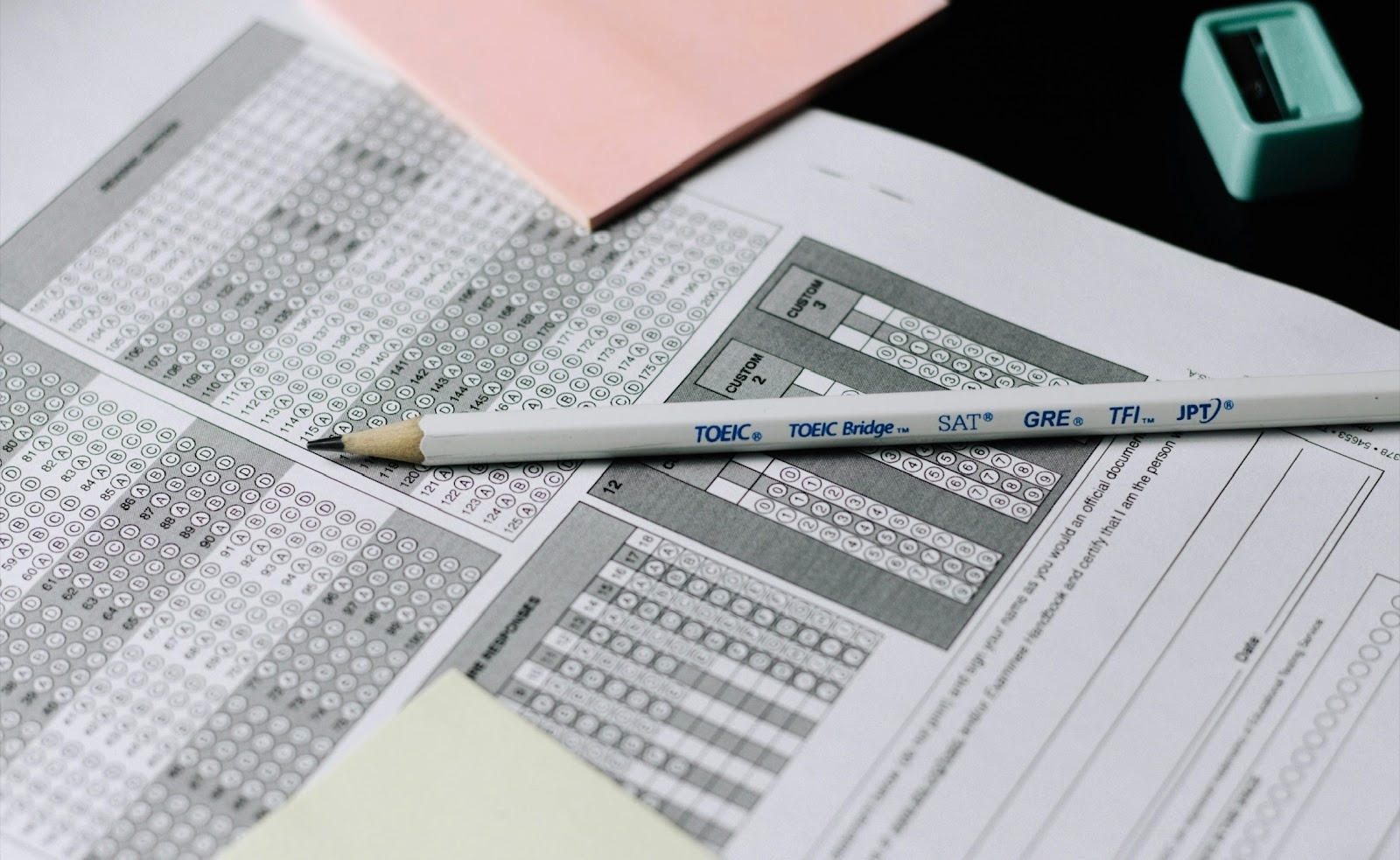
Both the SAT and ACT are standardized tests used to gauge college readiness and academic ability. Almost every college in America accepts scores from both the SAT and ACT in order to determine admissions, scholarships, and possible financial aid. Both tests are timed, and have been shortened recently in order to make them less fatiguing for students. For example, the ACT has been shortened by 44 questions and the SAT by 56. Which test you choose to take doesn’t really matter, as universities do not accept one test over the other.

Overall, the SAT tends to be the more popular exam, with over 55% of students taking it in 2019. Both the SAT and ACT are learnable, and with studying many people are able to significantly improve their results. The math portion of the SAT calculates towards 50% of your total score, while the ACT is weighted equally. For the most part, ACT questions tend to be more concise and clear than SAT questions, but you have less time to answer them. However, both tests have no penalty for guessing, and you should leave no questions unanswered. Only your correct answers are factored into your score for both tests. 

The digital SAT has a total time of 2 hours and 14 minutes, graded on a scale of 400 – 1600. It includes only two primary sections, math and reading/writing, both making up 50% of your total score. Science has no dedicated section but sometimes appears in part in the reading section. Overall, the SAT gives you more time per question on average. Both tests allow the use of a calculator for the entire math section as well. The SAT’s main difference to the ACT is that it uses an adaptive structure. Module two changes based on your performance in both sections. 

The ACT is usually 2 hours and 55 minutes long and graded on a scale of 1-36 for your composite score. It is composed of reading, English, and math with optional science and writing sections. All scores are weighted equally. On average, you have less time to answer questions, but they tend to be more concise and clear. The ACT has a linear structure; all modules are independent and your scores from each don’t affect which modules you receive later in the test. 

Overall, the tests are very similar, so I would personally recommend taking whichever test is offered by your school. I also recommend studying for the tests, as the question formatting can be a little confusing. 

For more information, please visit: 

AI’s impact on education

By: Karl Salkowski

(Image Credit Unsplash)

As artificial intelligence continues to become more and more widespread and accessible, it only becomes more prevalent in our day to day lives. Every year AI plays a larger role in public education, but it is not always constructive. Although AI can be used to enable student creativity, it comes with the risk of over dependence. With artificial intelligence models becoming more aware and accurate it becomes harder to distinguish between human and artificially created work. New systems such as ChatGPT Zero and Turnitin have gained popularity as systems able to verify human work, but they aren’t always accurate.

AI can help students understand difficult concepts, simplifying details through instant feedback and explanations. However, AI can also be used maliciously in order to pass off assignments as student work. Over time many students become over-dependant on artificial intelligence leading them to fall behind.

AI has changed the landscape of education, forcing both students and teachers to adapt very quickly. Many schools use certain firewalls and tools to ban AI software on school WiFi, while others have opted to create policies on constructive and safe AI use. Many use these strategies in conjunction, such as Highland Park Senior High, which has chosen to block less trustworthy cites, while also integrating an AI responsibility policy.

AI forces educators to rethink how to assess students, figuring out new methods to preserve academic honesty. As AI continues to integrate more with our lives, students will continue to rely more heavily on artificial intelligence and online resources. This makes it significantly harder to judge whether student work is genuine or manufactured. In my own experiences, many of my teachers have decided against more traditional testing methods and started using new types of essays and activities that are harder to cheat on.

When used responsibly AI can be an incredible resource for students, but it is likely that most students have already developed an over dependence on it, leading to more of a struggle long term.

Personal Project stress

By: Merob Geleto

The Personal Project is a semester-long project completed by 10th graders for IB schools like Highland Park. Students have to choose a topic, create a product, and submit a paper about the process.

The Personal Project is stressful for students due to it usually overlapping with other academic pressures, being more of a self-directed project, and being long-term. The project spans over several months meaning students have to manage their time wisely so they can submit the project on time. Some students have a lot on their plate with school work or extracurricular activities so students usually push off doing their project which leads to extreme procrastination.

Managing your time and doing the project is a challenge but picking a topic is usually what is most stressful and hardest for students. From what I’ve seen from my peers, many students don’t know their topic until December or even January. There are a lot of topics to pick from, too many in fact, which makes it harder for students to choose. A common issue when picking a topic is picking one and it being too broad and actually being three projects. This usually leads to a burnout.

Usually students find a way to deal with the stress and submit their Personal Project finished. Many students, including me, broke down the project into smaller pieces. Some made a schedule to make sure they were on track.

I interviewed a sophomore who had just done their Personal Project and asked how stressful the Personal Project was and how he dealt with it. The interviewee replied with “It was extremely stressful because I procrastinated a lot”. He then said that when the stress was too overwhelming, he went to his PP advisor. His advisor gave him a layout and some advice which helped him a lot. The interviewee ended up finishing his project on time.

No matter what method, most students doing the Personal Project managed themselves well enough to prevent burnout and to pass.

Highland’s new cafeteria

By: Weston Halgunseth

A new era for dining

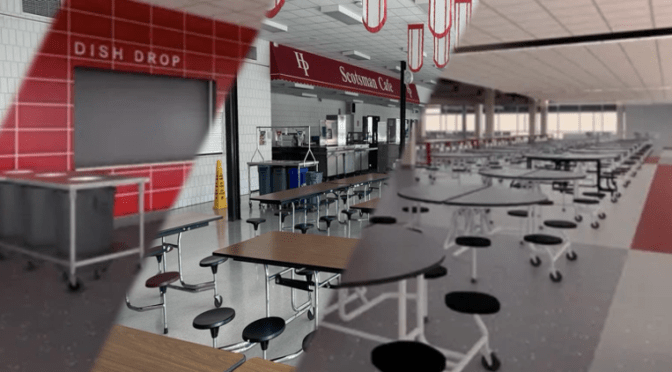
For years Highland’s cafeteria was known for its shift between the middle school’s dark, gloomy side and the overly bright high school side, however after the remodeling of the cafeteria last year, the space has been completely transformed. The revamp hasn’t changed the menu much but it did change the vibe of the lunch room for the better.

A modern aesthetic

The first thing students notice when walking in is that the room simply looks better. Gone are the crazy shifts in lighting between sides. The big wall blocking each side making parts get crowded is also gone. In is new modern furniture that reminds you of what colleges have. The new lunch lines and the overall vibe of it is better. This aesthetic shift makes the lunch room become a highlight of many student days.

Comfort & space

The renovation also has improved the comfort of the lunch room. By introducing more space, the new modern seats, and the link that connects the two floors. The school has created an environment where students can take a break and have it feel like a break. The new layout provides more space to move around, effectively eliminating the crowded feeling during lunch.

This extra room allows for people to become more social and overall become more of a relaxed area.

New options

Perhaps the most noticeable change was the new food lines that were made, one of them having salads and yogurt and the other having stuff you can buy like sandwiches, drinks, etc. For me, I see a lot of people going to these lines instead of the normal 2 options they usually have.

A schoolroom is the heart of student life, and this revamp of the lunchroom has given that heart a much needed boost. By creating a space that is spacious and comfortable, Highland has provided us with a good revamped lunchroom.

Pros and cons of standardized testing

By: Siri David

Photo by Andy Barbour on Pexels.com

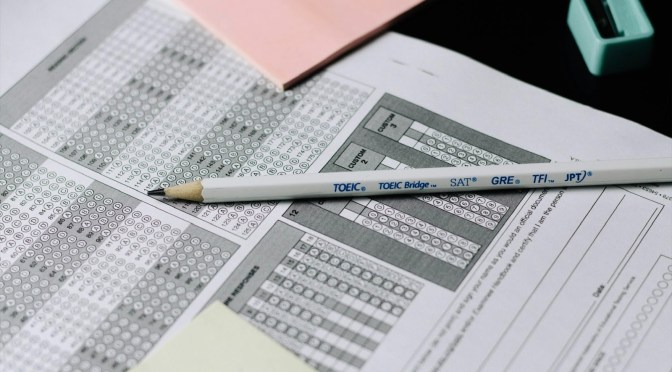
Standardized testing is a type of testing that happens throughout all school programs. It is a test that is set up where every student answers questions from the same pool. The goal is to see where students are at in their learning process and it helps create a benchmark to compare students and their average scores. This also helps show how successful teachers are with their lesson plans and learning process.

Standardized testing can have a lot of benefits. It helps lower the chances with bias because it has a more consistent scoring process. In the tests, if the questions are multiple choice or true or false this can lead to more accurate results for the education system.

Another pro to the testing process is that the results can help show teachers what certain areas the students need more time on. Along with that, it can help show if certain teachers need more professional development. Overall, standardized testing is one of the main things that helps maintain the education system.

Standardized testing does have downsides. The lead up to testing oftentimes causes a lot more stress for students than the average test. A very important con is that all students learn and process things in a different way, so everyone taking the same test can affect students who might struggle more to understand the material because of the layout.

Another downside is that most tests are around the core subjects, so more art and physical based classes don’t get as much attention which can then make it harder for those subjects to grow and change.

Normally large standardized tests happen once a year, like the MCA’s for example. Since these happen once a year if a student has a bad test taking day it can throw off their score for the whole year.

Overall, there are a lot of pros and cons for standardized testing. In the larger perspective there’s a lot of pros but closer up there are also a lot of flaws within the process. The pros tend to affect the education system well, the cons affect each student.