Category Archives: Clubs and Activities

5 fictional podcast recommendations

By: Bijou Kruszka

Podcasts are becoming more popular every single day. They allow anyone to become completely immersed in a world from the comfort of anywhere they can listen to audio. One of the best ways to experience stories is through fictional podcasts, but it can be hard to find a really good one. Here are my top 5 personal recommendations for fictional podcasts.

#1: ‘The Magnus Archives

First on this list, and arguably the most popular, is ‘The Magnus Archives’. ‘The Magnus Archives’ is a horror podcast which follows Jonathan Sims, an archivist at the Magnus Institute, as he transcribes their files into an audio format. Every episode brings a new short horror story, which eventually starts to thread together into a larger, mysterious narrative.

Pros: There is a lot to like with ‘The Magnus Archives’. Every story
in the series is very creative and effectively horrific. From the very beginning, every episode delivers something interesting and fresh. It is also genuinely scary, something that can be hit or miss in an audio medium. Once you get a decent amount of episodes in, the show also creates a lovable cast of characters in addition to the main narrator.

Cons: If you’re someone who needs plot fast, this show is not for you. It takes a considerable amount of episodes to reach any small thread of plot, and when each episode is 25 minutes, it feels significantly long to move past the beginning. Additionally, the beginning episodes are not skippable, as some are necessary for plot details later.

#2: ‘Welcome to Night Vale

Next, we have one of the original audio dramas, ‘Welcome to Night Vale’. ‘Welcome to Night Vale’ (WTNV for short) is a radio show detailing the odd happenings of the titular small, desert town. Each episode follows a similar format: news, with a small episodic story flowing through it; then the weather report (which isn’t the weather but fun indie music from smaller artists); and then a conclusion, with the wrap up of the episodic plot-line and a few wise words from Cecil Palmer, the radio host and main narrator.

Pros: WTNV is a fun ride all around. Its comedic writing is top-tier, and Cecil’s deadpan delivery only elevates it further. The setting is consistently bizarre and fun to be in. As the podcast progresses, the town feels more and more tangible, with a recurring cast of quirky characters. There are genuine heartfelt relationships built, especially between Cecil and out-of-town scientist Carlos. The diverse catalogue of music built by the weather segment is also enjoyable. There is also a huge backlog to listen to, as they’ve been uploading every two weeks since 2012.

Cons: WTNV doesn’t really have much of a plot. While there are recurring characters and some arcs that extend outside of episodes, no central plot stays for very long. It also doesn’t have much variety in terms of sound, as most episodes are simply Cecil talking. This makes it a great podcast to relax to, not so much to keep you on the edge of your seat. If you’re looking for a high stakes podcast centered around one ongoing conflict, WTNV is not for you.

#3: ‘The Penumbra Podcast

‘The Penumbra Podcast’ is technically two podcasts in one. It alternates between storylines every chapter, “Juno Steel” and “The Second Citadel”. “Juno Steel” focuses on the titular character, a private eye on futuristic Mars, as he entangles himself in space crime through a series of fun characters. “The Second Citadel” is set in medieval times, and focuses on a group of knights trying to protect their kingdom and navigate their personal relationships.

Pros: ‘The Penumbra Podcast’ is fantastic. Each storyline is treated with the utmost care and is incredibly interesting. Both stories are absolutely fantastic with fully developed casts of characters and wonderful writing. There’s also lots of splendid queer and disability representations through a diverse array of characters. “Juno Steel” does a lot of creative things with its sci-fi settings and its characters are all incredibly distinct and fun. “The Second Citadel” creates a lot of interesting conflicts with its world-building and the variety in plot-lines is fun to see. If you like diverse, well-built characters, Penumbra is certainly for you.

Cons: With the way the storylines alternate, it can be easy to get jumbled up. Sometimes, this organization can lead to confusion in listeners and cause them to lose details that become central to the plot later. It also is fairly long. Each chapter is at least two episodes, each about 45 minutes long. While the Penumbra has settings you want to stay in for that long, if you’re looking for more bite-sized pieces, it’s not quite right for you.

#4: ’36 Questions

’36 Questions’ is a story about Judith and Jase, a couple trying to rekindle their deteriorating marriage by answering the titular 36 questions, proven to make you fall in love with the other person. ’36 Questions’ is different from the other podcasts on this list in two ways: it’s a musical, and it’s only 3 episodes long.

Pros: If you want something short to start listening to audio dramas, ’36 Questions’ is up your alley. Telling a complete story in approximately 3 hours, this is incredibly short compared to everything else on this list. The music for this is also splendid. Jessie Shelton and Broadway legend Jonathan Groff are both fantastic singers, and all of the songs feel very cohesive and are enjoyable to listen to. The central conflict is very grounded and the characters are realistic and well-rounded.

Cons: While it’s a pro, it’s also a con: this podcast is short. The ending isn’t exactly satisfying, and listeners will want to stay in this story for longer than what they’re given. However, there isn’t a whole ton of room for the story to expand. The main two characters are the only two characters (unless you include Henry the duck, which unfortunately I am not) so there isn’t much variety in the story itself.

#5: ‘Wolf 359

‘Wolf 359’ is a sci-fi podcast following Doug Eiffel, an astronaut aboard the USS Hephaestus, as he records his experiences in space via audio logs. He witnesses everything from aliens to mutiny, and he always has some quips to accompany it.

Pros: ‘Wolf 359’ perfectly balances both comedy and
drama. While Doug always has a joke for every moment, it’s not
afraid to get very tense or heartfelt. The crew aboard the USS
Hephaestus is completely charming, and they are all very well-developed. The overarching conflict is interesting for sure, but the filler episodes are sometimes even better. Overall, with an enjoyable cast and fantastic writing, this show is one you don’t want to miss.

Cons: This one is not the simplest to follow in terms of overarching conflict, especially if you are not a sci-fi person. The show throws you into the void of space, both literally and figuratively, and for those unacclimated to the genre, this can be somewhat jarring. I wouldn’t recommend this one as a first for new audio drama listeners, as the show has a tendency to move on pretty quickly without explanation.

In the end, the world of fictional podcasts is very diverse and has a lot to offer. Should you listen to any of these and enjoy them, you might have a fun time at HPSH’s very own audiodrama club. We meet every Thursday after school in the choir room. We discuss fictional podcasts of all kinds, sharing new recommendations and listening to episodes together. We hope to see you there!

African Night

By: Ajmal Abdirahman & Mushtaq Yonis

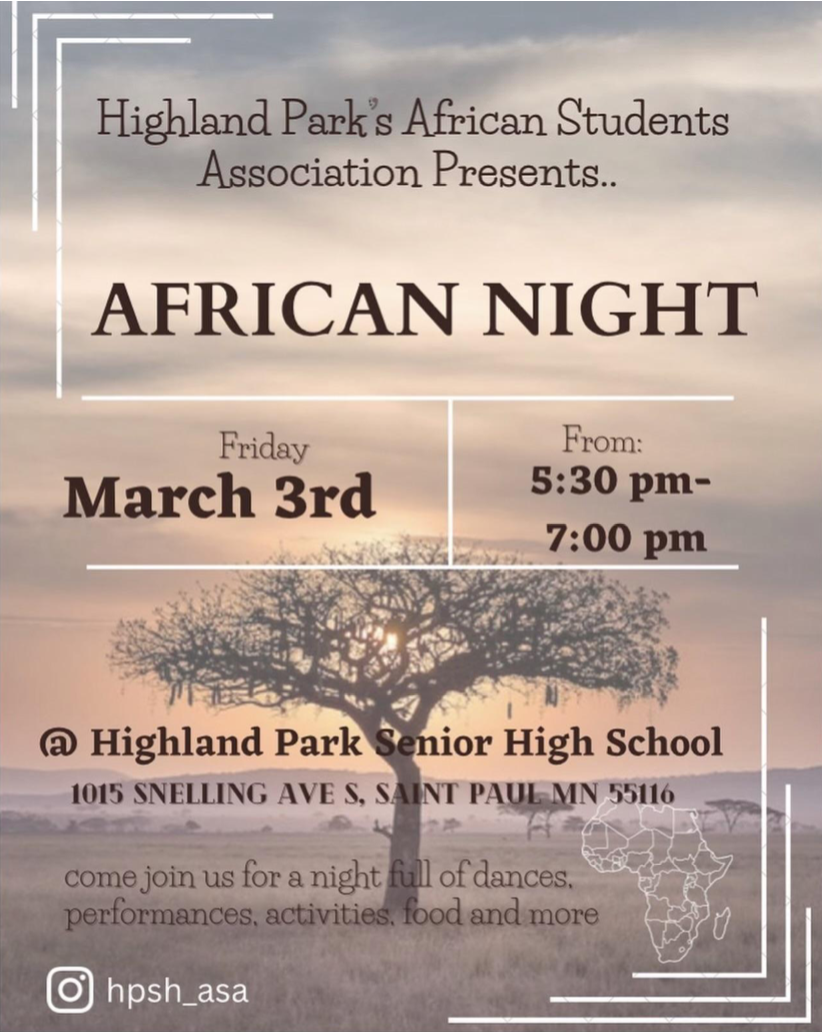
Image taken from: Instagram-@hpsh_asa

On March 3rd, Highland Park Senior High hosted the second annual African Night! African Night showcased a variety of different cultures, dances, poems, clothing, and food. Students who are a part of Highland’s African Student Association (ASA) put in a lot of time and effort to make it an enjoyable and fun filled night. The turnout was huge with lots of people coming from all over St. Paul!

The opening act was by Ayane Kabeto. She sang and danced for the audience. She beautifully sang “Blame It on the Boogie”, by The Jackson 5, and started the show off with a bang!

Followed by Ayane’s wonderful singing was a showcase of Oromo dances. The amazing dancers were, Fadela Yussuf, Nuhamin Melese, Zubeyda Kedir, Saba Getahun, Liya Lantyderu, Nardos Ashenafi, Samera Adam and Beti Negash. Oromos are the largest ethnic group in Ethiopia, which numbers around 40 million people.

Fun fact! The Oromo language is one of the youngest languages in the world to become a written language. Before that, the Oromos had a rich oral literature tradition including songs, proverbs, poems, and stories.

After that amazing performance…It was followed by a traditional Somali dance called Dhaanto. The dancers who showed off their dance skills were, Hana Elmi, Salmaan Mohamud, Nasro Osman, Subeir Said, Lena Ahmed, Sahil Ali, Sohail Ali and Iman Abdi. The performers did an amazing job showcasing their culture!

Dhaanto is a style of traditional Somali music and folk dance. The Dhaanto was inspired by the camel and mimics the actions of the camel. Fun fact, the world’s largest population of camels is found in Somalia.

Next was the lively Tanzanian duo. The two dancers were Jamila Dauda and Maaka Nyembo. They showed us a few Tanzanian dances with some really nice songs. The duo showed us our first taste of West Africa! They danced to the songs “Inama” by Diamond Platnumz Ft Fally Ipupa and “Kelebe” by Rayvanny Ft Inoss’B.

Tanzania is a country in East Africa. Tanzania is known for its vast wilderness areas. It is regarded as one of the most beautiful aspects of East Africa. It is renowned for its exotic wildlife and rich cultural heritage. Here is a picture of the duo!

Then the crowd got to enjoy some Ethiopian and Eritrean dances. The dancers were Liya Lantyderu, Sonya Hussein, Ayane Jarso, Samera Adam, De’ Shaun Booker and Mahlet Dagne. Some of the dances they performed were, Gurage, Wyleta and Tirgey.

There’s a lot to love about Ethiopia, including its coffee and culture! And also Eritrea, for its delicious food, beautiful culture and its amazing architecture from Eritrea’s capital city Asmara.

Next was a beautiful spoken poem by Iman Abdi. Her poem was beautifully written. Black beauty was the theme of her poem. She spoke clearly and confidently and did so well!

After the poem, we got another taste of West Africa! The dancers were Qamar Amode, De’Shaun Andrea-Booker and Jamila Dauda. The songs they danced to were from Nigeria and Ghana. They were very vibrant and enthusiastic!

Nigeria is the most populous country in the whole of Africa with around 210 million people. Nigeria is one of the most diverse countries in the world with more than 500 spoken languages.

Ghana is also a very diverse country with over 70 ethnic groups residing in Ghana. Ghana is known for its dynamic culture and its food!

Next, the crowd got to enjoy an intermission with a video. The video was made by Asia Mohamed and Asma Sedik.

We talked to Asma Sedik about her experience as one of the video makers:

“The process of making the video was a bit stressful since we had to film it during school. It was hard to find times that would work for everyone and we often would have to miss class to film. But otherwise it was so much fun filming and we had a blast with our friends. Editing was also fun but also stressful because we didn’t have access to a professional camera or editing software, but we made due with what we had and learned a lot. Overall, a great experience!”

Back to more dancing, the crowd got to enjoy more Somali dances with Somali Part 2. The dancers were Zubeyda Kedir, Qamar Amode, Lena Ahmed, Sohail Ali, Sahaam Ahmed, Subeir Said, Muna Mohamed and Salmaan Mohamud. They did a performance of Shirib dance. The Shirib dance is very common in the southern region of Somalia.

A break from all the dancing; next up was a game show. The crowd was asked questions about Africa and if answered correctly they were given candy!

Then we got to enjoy a solo Congolese dance! By Jamila Dauda. She danced to the songs, “Call Me Baby” by CDG, “Moto” by Fabregas and “Ntaba Mood” by Ntaba2. She did a wonderful job!

There is a lot to be admired about the country of Congo with its rich natural resources and the world’s second-largest rainforest, in addition to, its unique culture and its delicious dishes.

Then we got to enjoy more Oromo dancing with Oromo Part 2! The dancers were Samera Adam, Muna Mohamed, Eddie Reynosa, Obama Ahmed, Sahil Ali and Zubeyda Kedir. They performed dances such as, Wollo, Wallega, Shagoyee and Sodoo!

Muna Mohamed, the president of ASA shared her African night experience:

“We would practice almost 4 times a week and spend a lot of time together, working on perfecting our dances and making sure we were showcasing our cultures in a positive light.”

The final thing was the Fashion show where many students participated and showcased their cultural clothing! We saw many different flags and ended the African Night with everyone singing to “Last Last” by Burna Boy! Overall, the night was a huge success and was filled with so much fun.

Ms. Baheriy was the advisor for the African Student Association, (ASA), we spoke to her about how it went this year:

“It was amazing, I’m so proud of all the students who participated, they put in a lot of work and it definitely paid off. Students started planning and practicing for dances in the early fall, and it was exciting to see it all come together last Friday!”

For more information please visit:

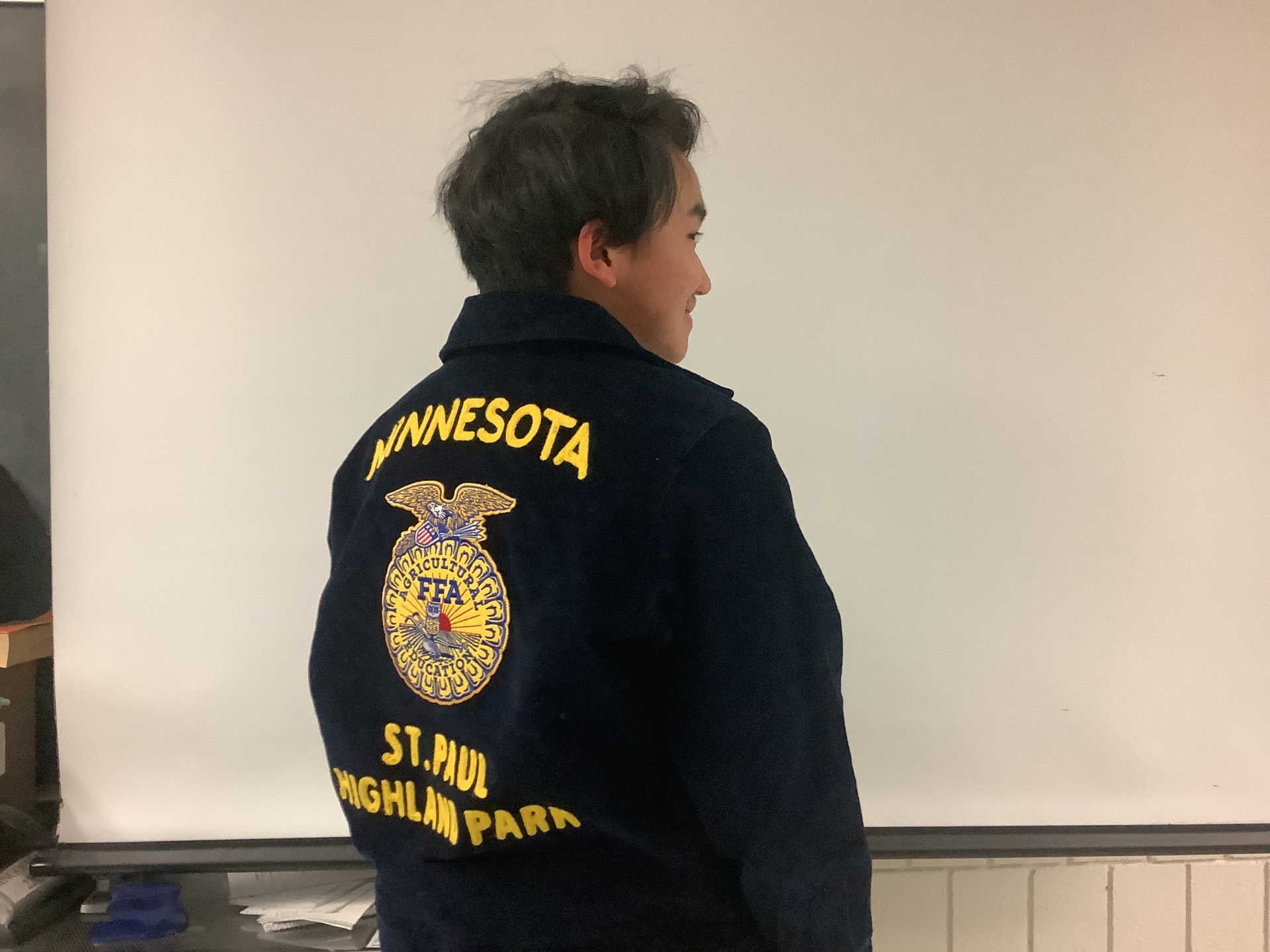
The spirit and history of FFA week

By: Truman Vang

What is FFA week? For those who don’t know, FFA week is a holiday that happens on the last week of February annually. During this year, the event occured from February 18th to the 25th. This is the time where local FFA chapters help celebrate their pride with the National FFA Organization. Often, students will hold events for the community to indulge in. Whether it be having an Ag Olympics, or doing some community service, FFA members are always at work during this week.

FFA stands for Future Farmers of America, or rather being known as the National FFA Organization. The organization puts students through an immersive experience to learn about agriculture and develop leadership, communication and critical thinking skills. First founded in 1928, the organization has been pushing these values ever since.

Within its youth, FFA decided to create a day for itself, known as the “National FFA Day.” Through its existence, members celebrated their chapters and the organization as a whole. Eventually, in 1947, the day became the week we know it as today.

Its placement within the year also followed George Washington’s Birthday, after the organization had purchased land from him that he owned. In 1948, FFA week officially started, giving us the holiday we know today.

Through its many years of existence, FFA members have pushed themselves to have wonderful FFA weeks throughout. Our own Highland Park FFA Chapter has been doing many things for this week. For instance, through the past few weeks, members have held an appreciation breakfast for hard working teachers and staff alike. Along with this, we’ve been providing prizes to anyone that’s been able to properly answer trivia questions, as well as being able to find our scavenger hunt emblems.

FFA week stands as a certain period of time that we can celebrate FFA for what it is, whilst promoting it to new students. It’s also a time within the year, just to have fun whilst celebrating something we’re a part of.

Cookie season

By: Tasha Cudinski

Friday, February 17th, was the start of Girl Scout cookie season! There are 10 flavors of cookies available for purchase this year!

  • Adventurefuls; caramel brownie cookies that were introduced last year. Thin mints; chocolate and mint wafer cookies.
  • Caramel deLites; coconut cookies covered in caramel and chocolate.
  • Peanut Butter Patties; a peanut butter cookie covered in chocolate.
  • Peanut Butter Sandwich; two oatmeal cookies stuck together with peanut butter.
  • Trefoils; shortbread cookies and the first types of cookies Girl Scouts ever sold.
  • Toast-Yay; cinnamon sugar flavored cookies. Lemonades; shortbread cookies with a sweet lemony icing on the bottom.
  • Caramel Chocolate chip; gluten free cookies with caramel and chocolate chips.
  • And new this year are, Raspberry Rally! They are wafer cookies with raspberry flavoring and a chocolate coating on the outside.

All flavors of Girl Scout cookies are 5$ a box, even the Caramel Chocolate Chip cookies, which were 6$ last year. You can buy Girl Scout cookies from door to door sales, from cookie booths, or online. If you know a Girl Scout who is selling cookies you can also ask them about buying cookies.

This year’s new cookie flavor, Raspberry Rally’s are only purchasable online this year, so if you want to buy a box of them, then head to girlscouts.org to buy cookies once cookie season starts.

If you are worried about potential allergen in Girl Scout cookies, or have other questions about the ingredients of Girl Scout cookies, you can go to GirlScoutsRV.org where you can find more details on the ingredients of Girlscout cookies.

The money from Girl Scout cookie sales goes to the troop you buy the cookies from, and funds all of their activities for the rest of the year until the next cookie season. This money is what allows Girl Scouts to do fun activities like horseback riding, arts and crafts, skiing, attending engineering workshops, and more. The money they get from cookie sales allows Girl Scouts to learn and experience more things without having to worry about the cost of things like equipment, or activities.

This year’s Girl Scout cookie season goes from February 17th to March 26th, so if you want to buy cookies make sure to keep an eye out for cookie booths, or head online to buy yourself a few boxes of cookies.

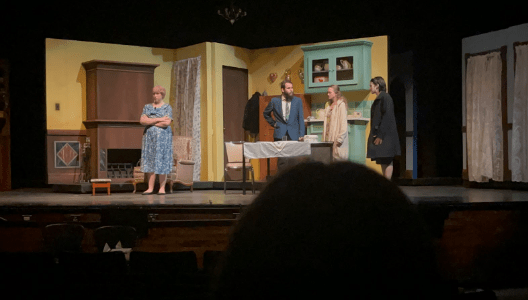
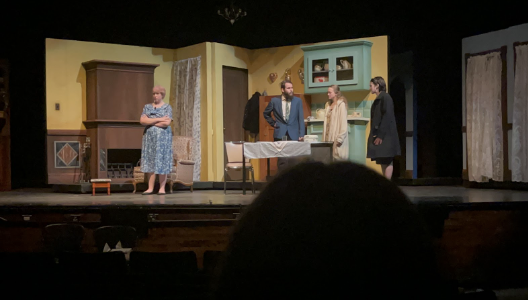
HP Theatre Arts proudly presents: ‘The One Act Plays’

By: Erin Moore

This winter, Highland Park’s theatre club has been working tirelessly to put together five one act plays, to be performed one after another this coming weekend. Whether it be costumes, sets, props, lights, sound, mics, acting, stage managing, or our hard-working directors, lots of hours and effort have been put into these productions. 

If you’ve seen the signs up all throughout the hallways of  Highland Park Senior High, it’s likely you’re aware of the five winter one acts to be performed this coming weekend. “Call Me Stan,”  “Put a Ring On It,” “Clowns with Guns,” “Speed Date,” and “The Bifrost Incident.” Each one act is directed by our very own HPSH seniors including James Nins, Evan Nelson, Ryan Terry, Julia Williamson, Liv Knafla, Max Nutter, Bella Schmitt, and Spike McIlrath. 

The following synopses are spoiler-free and are from the HPSH Thespian Society Schoology group.

“’Call Me Stan’ [is] a dark comedy about parents meeting their daughter, Brittany’s, boyfriend, but something’s not quite right about him. He’s too old, too rich and even red!” 

“In ‘Put a Ring On It,’ Allison tests the limits of just how chaotic a family dinner can get as she is willing to do whatever it takes to get her boyfriend to propose to her.”

“’Clowns with Guns’ takes a theatrical and absurd look at the repeated and seemingly endless cycle of school [gun] violence. It happens, everyone is terribly upset, things continue on as normal, it happens again.” Note: due to the violent content of this one act, people are free to leave at intermission if the feel necessary.

“It’s Valentine’s Day and the pressure is on. Seventeen crazy characters search for love in a round-robin game of ‘Speed Date.’ Everyone’s in on the action: a hopeless people-pleaser, a Frenchman, a guy hung up on his previous girlfriends, an art therapist, a clown, and more. They’re desperate, chatty, needy, strange–and the clock is ticking. Will they find love before time runs out?”

“A mix of Greek tragedy and Norse mythology set in the far future, where the old gods and trains through space exist. ‘The Bifrost Incident’ is the story of the end of the world told by a criminal investigator slowly going mad from cosmic forces.” Note: this one act is not well suited for children, it is more PG-13 than G. Audience members may also leave at intermission if the choose

Tickets will cost $10 for adults and $5 for students. Cash, card, and check are accepted. Performances will be in the Highland Park auditorium on January 20th @ 7 and January 21st @ 2 & 7. Concessions will be available during intermission. 

If you’re interested in viewing these stories, want to come watch friends/family, or want to support the arts at Highland, be sure to come watch! 

For more information, visit @hptheatrearts on Instagram, look for the posters in the hallways, or ask anyone you know involved in the one acts. 

The Outdoor Club

By: Irene Cohen

Today I am interviewing one of the founders of Highland Park Senior High’s local “Outdoor Club”. Quinn Harvey and Anna Jones are the founders of this club that strives to get fellow members to explore nature in this age of technology. Today, I have Quinn Harvey with me in the flesh, so continue reading to learn more about Highland’s hottest new club.

Interviewer: So Quinn, how did you and Anna come up with this hip new idea? Was it more of a collaboration, or was one of you the mastermind behind it all?

Quinn: It started because last year I was talking to my Chemistry teacher, Ms. Noah, and we were talking about other high schools that had outdoor clubs, and I realized Highland didn’t have one, so this fall I emailed Dr. Tucker, and well… Here we are now!

Interviewer: So it seems like you had the initiative, how did your fellow co-founder get involved in this endeavor?

Quinn: Well, Anna was in my Chemistry class last year. So, while I did introduce the idea, she was often involved in this discussion. When I realized how much time and effort I would need to run this club, I decided to invite Anna to be a part of this journey that is the Outdoor Club.

Interviewer: Walk me through what a typical Outdoor Club meeting looks like.

Quinn: Well, we have two meetings a month. One is at the school, but the other is outside, exploring. The indoor ones are usually informational meetings about the next outing. However, we have watched movies and done various crafts. Some of the previous activities during these outdoor meetings include sledding and hiking. We plan to go rock climbing at our next outdoor meeting!

Interviewer: Can you tell the readers of the Plaid Line where they should go if they are interested in participating in the next one of these meetings?

Quinn: Our meetings are at 7:45 am on Tuesdays, once a month. Our advisor is Ms. Noah in room 3312. Our next meeting is an inside meeting on January 17th. We will be watching safety videos in order to be able to go to Vertical Endeavors later this month. It will be the weekend of the 28th, the details are TBD!

Interviewer: That’s awesome Quinn! Sounds like a good time, I’ll try to catch the next meeting, and hopefully will see some of the loyal Plaid Line readers there as well!

Quinn: I hope to see your face along with many others next meeting! Thank you for having me!

Winter band concert

By: Gabe Kleiber

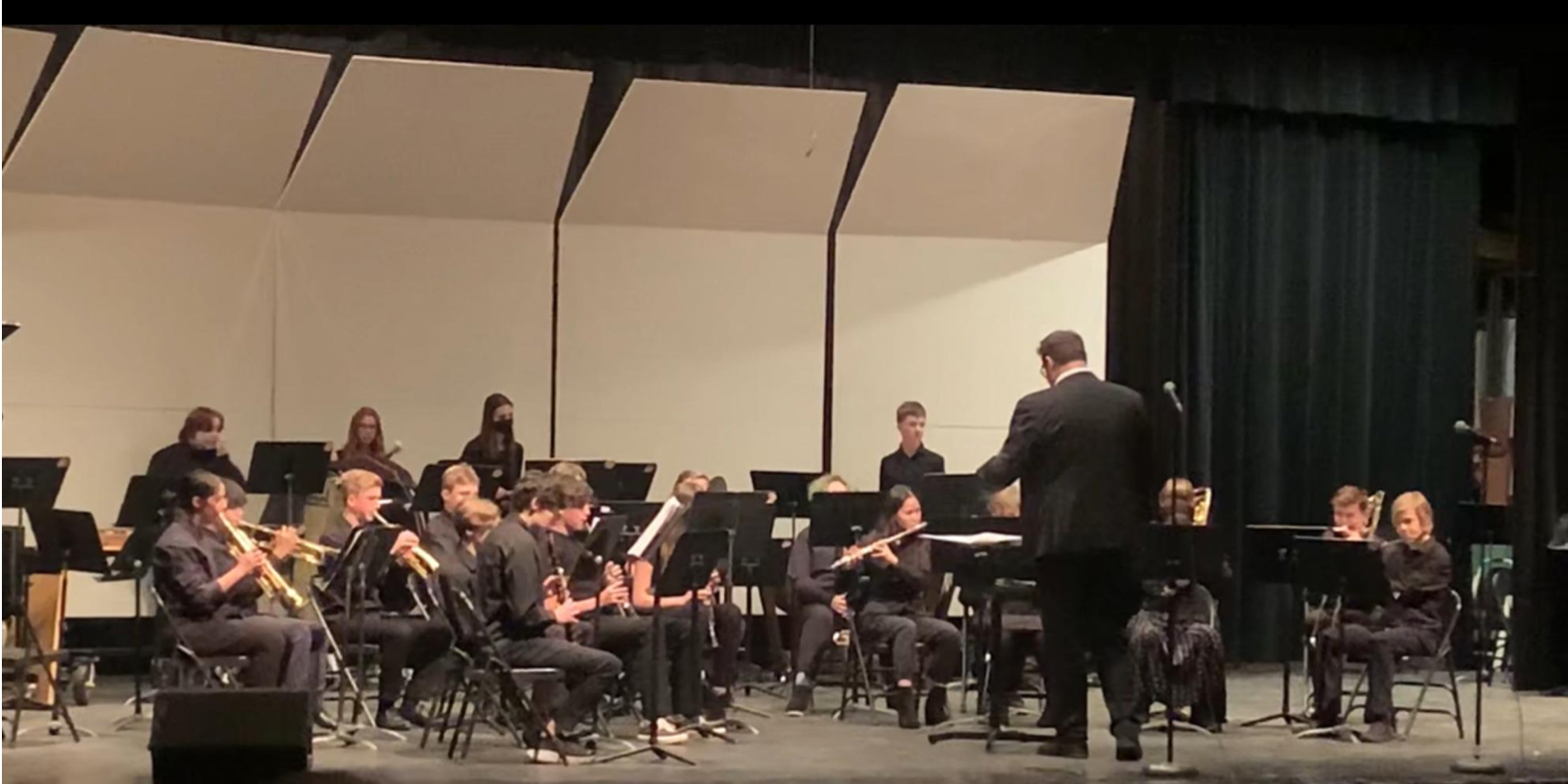
The school band concerts were Thursday December, 15th. As a member of one of our bands, I thought I should give my thoughts on how we did, as well as get some other perspectives.

One trombonist had this to say, “The tuning was bad. Could have played louder and more confidently. I thought we kept the tempo and stuck together well. I thought the orchestra did ok, but the tuning and tone could have been better. Jazz band was my favorite.”

I think he had great points about the volume and jazz band. I don’t play an orchestra instrument so I’m not qualified to speak on that, but I do think Jazz band was my favorite. “Birdland” especially was very good, and the trumpet solos on that song by Cyrus were excellent. I think they captured the laid back, carefree mood they were going for quite well. They had plenty of volume, played their parts well, and every single solo was impressive and executed near perfectly. The band teacher, Mr. Matuzak, wasn’t so sure if they were ready for some of the songs. But many others and I think they turned out great.

Others and I thought that my band, the Scots band, had some trouble with volume. Given most of the members are less experienced and younger, it makes sense. I think we had a bit of trouble with keeping pace on “Falcon Fanfare,” but other than that everyone played well. Some of our songs, like “Marche Diabolique,” were the best we’ve ever played. Given the skills and practice our band put in, the outcome was about as good as you could hope for.

Overall, all the bands did well. Everyone spent a lot of time preparing for the concert, and there were some great performances of great songs that night. This makes me very optimistic about the spring concerts, because I know our school has the talent to pull it off.

‘The Children’s Hour’: The process that brought this script to our stage

By: Erin Moore

*Warning: This article contains spoilers*

This past weekend, Highland Park’s theater department put on its second fall play, ‘The Children’s Hour’. 

From December 8th to December 10th at seven pm—and an additional Saturday matinee—the cast and crew performed for audiences of around fifty people each night. 

‘The Children’s Hour’ by Lillian Hellman is a play set in the 1930s. It follows two school teachers, Martha Dobie and Karen Wright as their once bright and energetic school becomes empty and quiet following the accusation by one of their students that the two had been lovers. Upon the spread of the accusation, parents pulls their students out of the school and Martha and Karen become shunned by the general public.

When they trace the accusation to the home of the ever-privileged Tilfords, Mrs. Tilford and her granddaughter Mary refuse to take back what they said, so Karen and Martha respond by taking legal action. When they lose the case, it feels as if there’s nothing left they can do. Then, when Martha admits that she does love Karen and her feelings aren’t reciprocated, she ends her life. 

This play is a beautiful representation of how rumors can destroy—and in some cases, end—lives. It also is an important display of how harmful homophobia can be. As Karen says, “What happens between people, happens, and after a while it doesn’t much matter how it started. But there it is. I’m here. You’re there. We’re in a room we’ve been in so many times before. Nothing seems changed. My hands look just the same, my face is just the same, even my dress is old. I’m nothing too much: I’m just like everybody else, the way I always was. I can have the things that other people have. I can have you, and children, and I can take care of them, and I can go to the market, and read a book, and people will talk to me—Only I can’t. I can’t. And I don’t know why.” 

It’s terribly sad that this play still holds truth and importance ninety years after it was written. This play was nominated for a Pulitzer prize, but lost because some of the judges refused to watch it. 

On a significantly less down-putting note, the performances went amazingly and were so fun to be a part of. As a member of the cast, I can confidently say that this was one of the best groups of people I’ve been able to be in a production with. 

Persephone Pond, a fellow student in the play, said, “This was my first show at Highland and it’s always going to be my favorite. The cast was so talented and kind and this show always felt so welcoming.” 

A member of the tech crew stated, “The cast and crew were really fun to hang out with and I met cool people.”

On the topic of cast, if you’re wondering how to audition for future productions, you can find information all over the school and on the hptheatrearts Instagram page.

When auditioning for ‘The Children’s Hour,’ I found a QR code in the school and it brought me to a Google form asking about experience, skills, and preferences. Then, at the end of the form, there was a link to sign up for an audition slot. 

In my audition, the director (Nancy Michael) had my group read for different characters in selected scenes from both ‘The Children’s Hour’ and ‘Clue’ (which was performed two weeks prior). Then, a little under a week later, the cast list was posted in the “Thespian Society” Schoology group and near the auditorium. 

The rehearsal schedule was soon also posted in the Schoology group, detailing when we would practice and who was called each day. In rehearsals, we worked on lines, blocking, and general character development.

Then, a week before the performances, we began what is known as “tech week.” This week is when lighting, sound, costumes, sets, props, and every other aspect not added earlier in rehearsal, joins with what has already been worked on. For ‘The Children’s Hour,’ tech week typically ran two hours later than usual. 

Now that the fall plays are over, rehearsals have already begun for the winter one acts (“Speed Date,” “Clowns With Guns,” “The Bifrost Incident,” “Call Me S(a)tan,” and “Put a Ring on It”). The audition process was fairly similar to that of ‘The Children’s Hour,’ and took place the week before tech week. One acts will perform the weekend of January 19th if you’re interested in attending their performances. 

In the end, ‘The Children’s Hour’ had very smooth and successful performances, and I’m grateful to have been a part of it. To keep theatre alive at HPSH, be sure to donate and attend performances when you can. 

New club at Highland Senior High

By: Maya Breininger

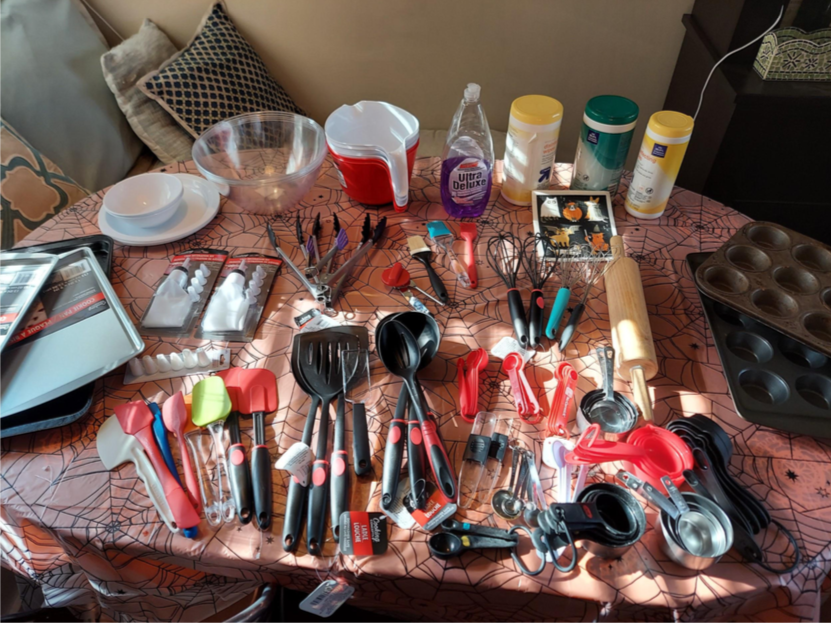
Do your hobbies include the culinary arts? Do they revolve around cooking, or baking? If so, feel free to read up on a new student-led culinary arts club, one that was started by a student with a passion for cooking.

The club was created from scratch, and was made possible from the people who made donations and volunteered their time to help.

The process of making a club from scratch is not an easy one. Although it seems like a fun and happy concept, in retrospect, the actual physical labor and financial struggle is prominent for those in charge. Covering all of the ingredients and materials necessary for the club, ended up being a total of around 200 dollars. It was an expense that the club president was happy to pay, but the financial struggle to get the club started was, well, a struggle.

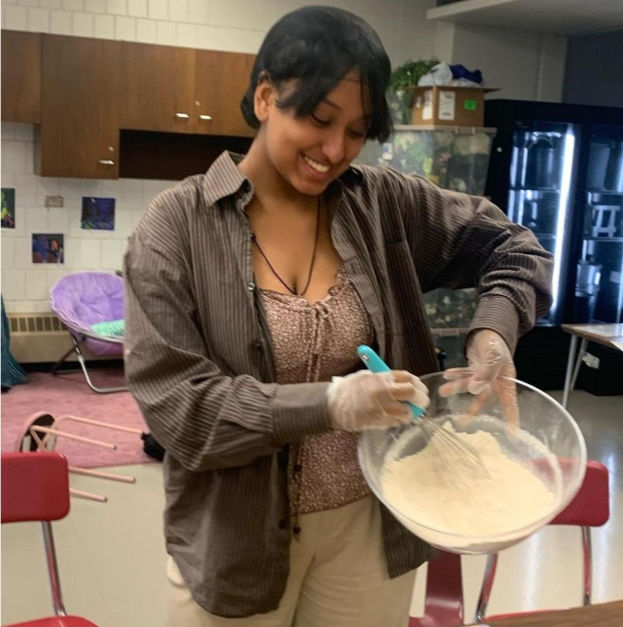
The first club meeting was held on Thursday, November 3rd, from 3:10 to 4:40. The club opened with a slideshow, and an explanation of the club and materials. Then, the recipe was introduced, and teams were formed.

By working together and trusting each other through the process, the club was successful in making our first recipe; pumpkin muffins with cheese cream frosting. It was an easy recipe with instructions that the club could understand, and was a fun activity to do with friends after school.

Although it was a wonderful first time experience, and many people tried their hardest to adhere to the rules, there were a few bumps and hiccups along the way that could be easily fixed with proper procedure.

Firstly, an organized clean up group that takes time to spiffy up the club room will be essential for the next meeting. Last time may have been a good start, but we will need to stay consistent with our cleaning regimen if we want to continue the club.

Secondly, although the idea of putting students into groups was a good starting idea, next time the club will need to have more organized steps and directions so that members do not get lost or confused. For example, when making muffins, there should be one group at the dry ingredients station, and one group at the wet ingredients station so that it doesn’t get chaotic.

Once these things are accurately worked on, and we are able to improve the stability and consistency of the club, I’m sure that it will be able to go off without a hitch!

Welcoming a new club into Highland Park was an exciting experience, and I’m excited to expand my culinary knowledge with other students.

Dia de los Muertos: What is it, who celebrates it, and how can you be a part of it?

By: Alexa Ramirez

Over 345,000 people all over the state of Minnesota identify as Hispanic or Latino, and within that community, many people are preparing for the holiday, Día de los Muertos. Here at Highland Park High School, the Union Latina club hosted an event to celebrate and educate students about the holiday, in the gym, where students of any class could come down (with teachers’ permission), learn about Día de los Muertos and immerse themselves in some of the typical activities that people take part in during this holiday. But let’s talk about some key information first: What is it? Where does it come from? Who celebrates it? Let’s see!

Día de los Muertos (Day of the Dead) is a holiday that takes place from October 31 through November 2. The belief around the holiday is that on those days you welcome back deceased relatives to be reunited with them and celebrate their lives with food, drink and celebration. According to tradition, the gates of heaven are opened on October 31 for the spirits of deceased children to rejoin their families for 24 hours.

This works the same way for the spirits of deceased adults on November 1 and 2. The holiday is a blend of Mesoamerican ritual, European religion and Spanish culture and goes back some 3,000 years, originally being celebrated in Mexico by Aztecs, Nahuatl people and many other indigenous tribes who lived by the belief that death is an integral, and present part of life, that is meant to be acknowledged and not feared. It’s still celebrated in Mexico today and in other countries like Spain, Brazil, Guatemala, and many more. It is a way we show our deceased family that they are still with us and that they are not forgotten.

Contrary to popular belief, Día de los Muertos is not another form of Halloween. Though they share a date and people dress up and celebrate for both, they are very different holidays. On the Day of the Dead, it is believed that the border between the spiritual and living world dissolves, and during that period, the souls of the dead return to the living world to visit the living. When they do, they’re greeted with feasts, drinks, dances and music that they enjoy with their loved ones. They are treated as guests and are met with their favorite foods, things that cater to their interests, and other offerings all laid out on an ofrenda. Ofrendas are typically built at gravesites or in people’s homes and are decorated with candles, flowers called cempasúchil, food, photos of their deceased loved ones and any other items they deem fitting to add.

At Highland, many students (myself included) celebrate this holiday and want to share it with those at the school, which we did through the Union Latina club, where we put on an event in the field house, at the school, where students could come and learn about Día de los Muertos.

We had many different stations with activities for visitors to do. There was a coloring station where students could color in drawings from famous movies that feature Day of the Dead; a photo booth where they could try on traditional Mexican dresses, hats and decorated skeleton masks and take photos in them; and a face paint table where students got their faces painted with skeleton features in black and white or in colorful and decorative styles (whichever they preferred), which is something very common in Day of the Dead festivals and other celebrations.

Students could also visit the ofrenda that the club put together with decorative flowers, candles, and a bread that’s commonly used to decorate or to consume during Día de los Muertos called Pan de Muertos. The ofrenda had photos to celebrate those who have passed and have been important to the community here in our Saint Paul Public Schools, like Paul Wellstone and Philando Castile, as well as some passed Hispanic historical figures like Selena.

Along with these activities, we had some interactive activities like musical chairs and a group dance called el Caballo Dorado (the Golden Horse) which is a common Mexican line dance that we taught to the students and all danced together. This event was a huge success! Many classes showed up to learn, celebrate and enjoy this holiday together.

Aztec dance being performed by members of the Union Latina
The Ofrenda set up by members of the Unión Latina
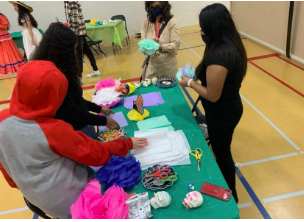
Paper flower making during the Dia de los Muertos celebration
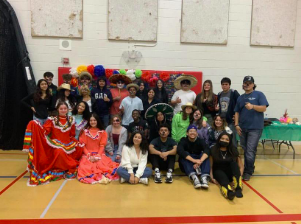
Unión Latina club during the Dia de los Muertos celebration

This event is an annual one that ULA puts on along with many others, and is an excellent way to immerse yourself in Latino culture by learning about one of its most cherished holidays right here at Highland.

More ways you can learn about Dia de los Muertos are by reading about it in books like ‘Ghosts’ by Raina Telgemaier or ‘Day of the Dead in the USA’ by Regina M. Marchi, it’s also featured in popular movies like ‘Coco’ and celebrated locally at events like the Dia de los Muertos festival in Minneapolis on November 5, and the Dia de los Muertos Fiesta at the Midtown market, also in Minneapolis.

Dia de los Muertos is one of the many Hispanic holidays that surround us here in MN with so many Hispanic and Latino people all around, and getting involved in it is an excellent way to learn and experience a new culture and enrich your life.

For more information, please visit: