
By: Maizie Hughes and Avi Zmira
Monthly Archives: February 2026
Review of the 2026 Super Bowl
By: Karl Salkowski
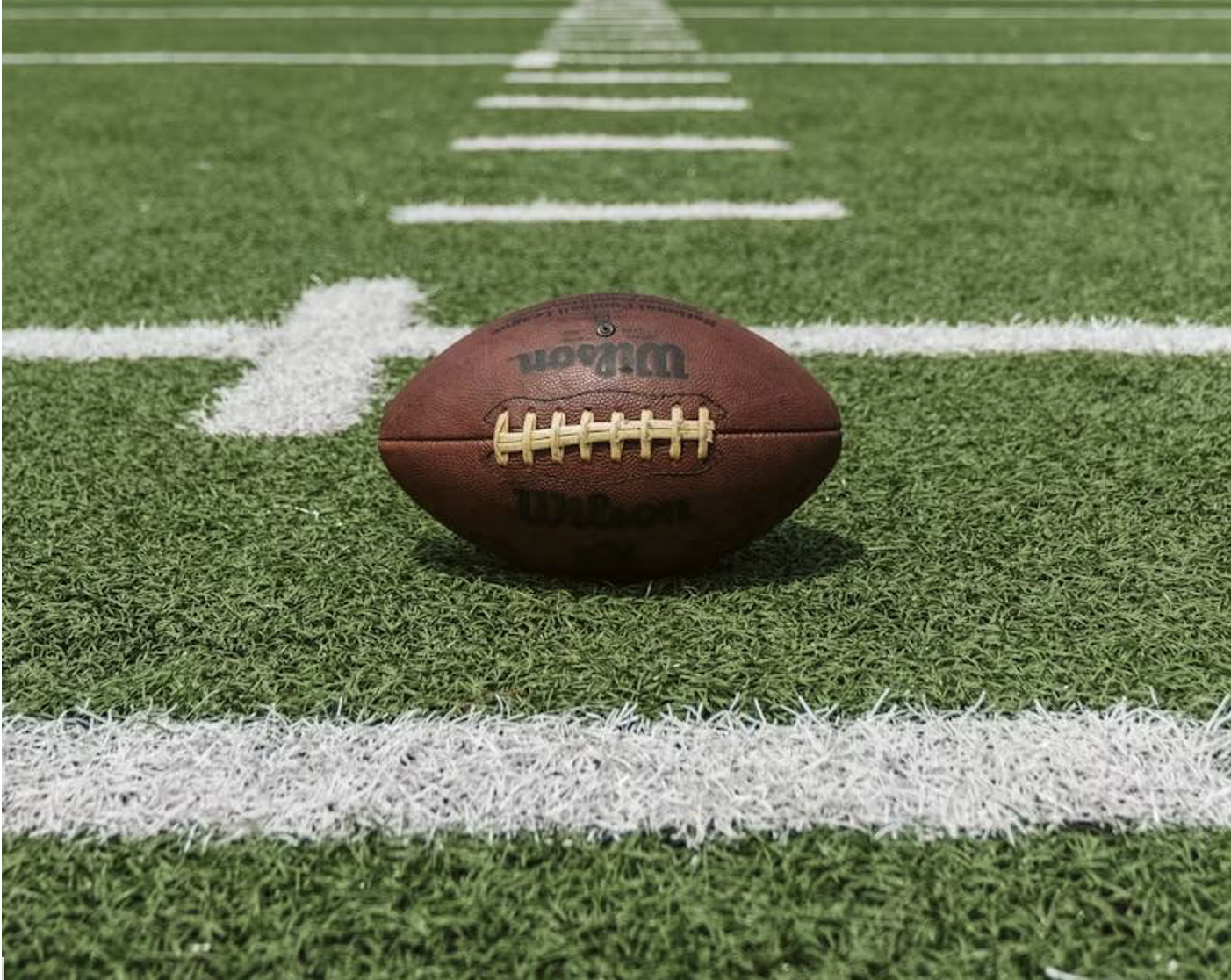
This year, I was one of nearly 125 million people who tuned in to watch the Super Bowl. Super Bowl LX featured the New England Patriots and the Seattle Seahawks, two standout teams throughout the regular season. Ultimately, the Seattle Seahawks won the game 29-13, earning their second Super Bowl title. The game was played at Levi’s Stadium in Santa Clara, California. As predicted, the Seattle Seahawks dominated for most of the game, eventually leading 12 to 0 by the beginning of the 4th quarter.
Super Bowl ads can cost anywhere from 8-10 million dollars for just a thirty second commercial. This is one of the biggest opportunities for large corporations to gain virality and visibility. Over the last few years, and especially this year, artificial intelligence has become one of the most common topics in these ads, with some commercials having been created completely with AI tools. These commercials tend to be some of the laziest and least creative, making the whole “watching experience” feel more corporate.
In my opinion, the halftime show was one of the highlights. Bad Bunny delivered an incredibly creative and powerful performance. In addition to singing some of his biggest hits, he sent a message of equality, identity, and belonging. This also marked the first halftime show to be performed almost exclusively in Spanish. It included many interesting set pieces, including over 400 people dressed in sugarcane costumes. He ended his performance by listing off all the countries that make up the Americas, ending off with the statement “The only thing more powerful than hate is love.”
Overall, I think this was one of the weaker Super Bowls, as the game felt slow and boring up until the fourth quarter. The Seahawks played incredible defense, with major players such as Kenneth Walker III, and kicker Jason Myers helping to lead to a decisive victory. The definitive highlight of the game for me was definitely the halftime performance. Although I am not really a fan of Bad Bunny, I have been following his music for a couple of years, and it is really cool to see him get the recognition he deserves. Ultimately, I think I would rate this Super Bowl a 7 out of 10.

Birds
By: Evelyn Solano Ruiz
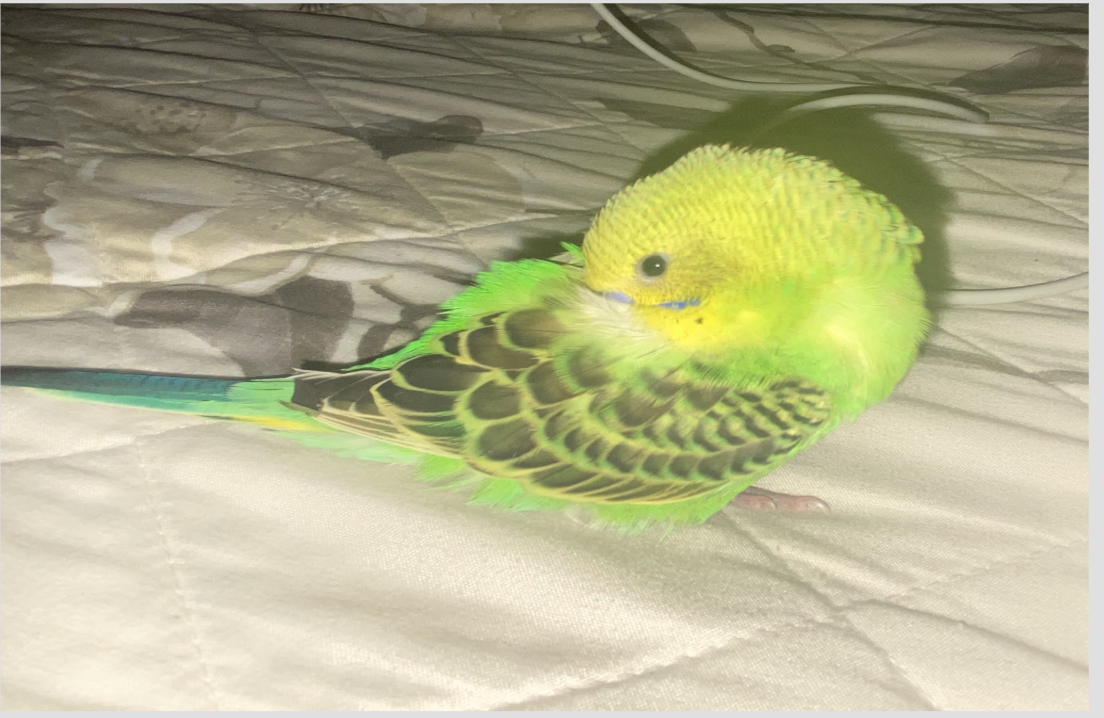
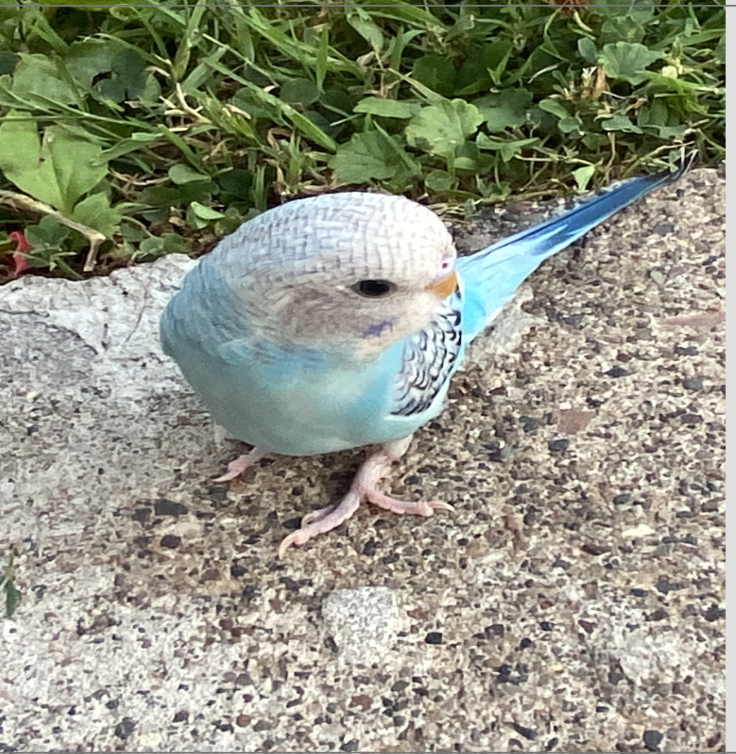
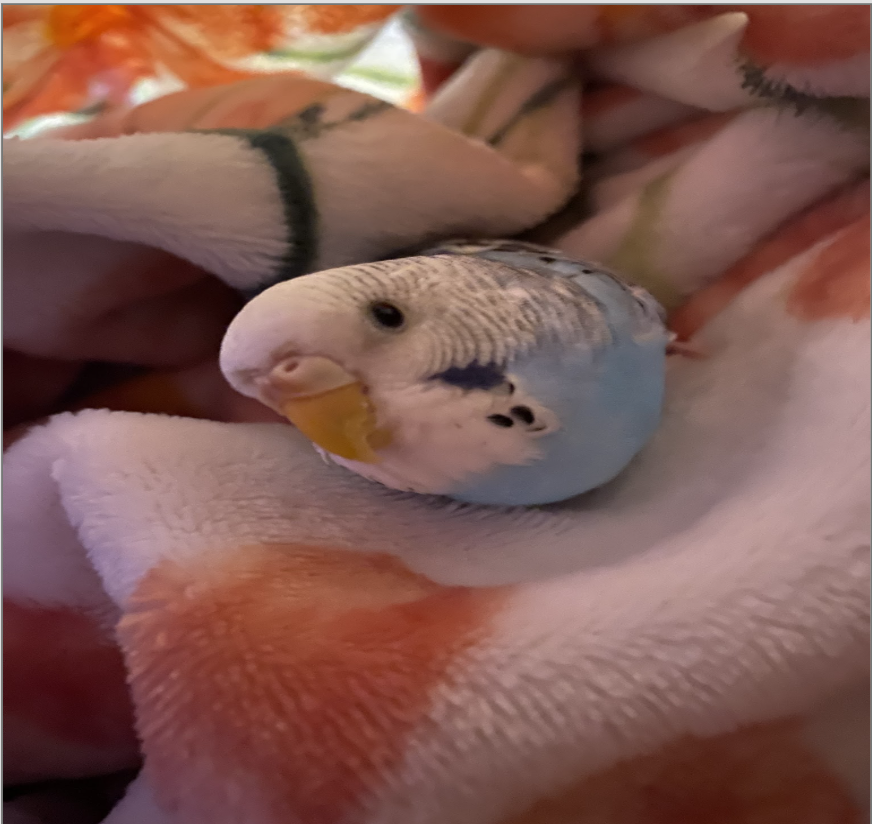
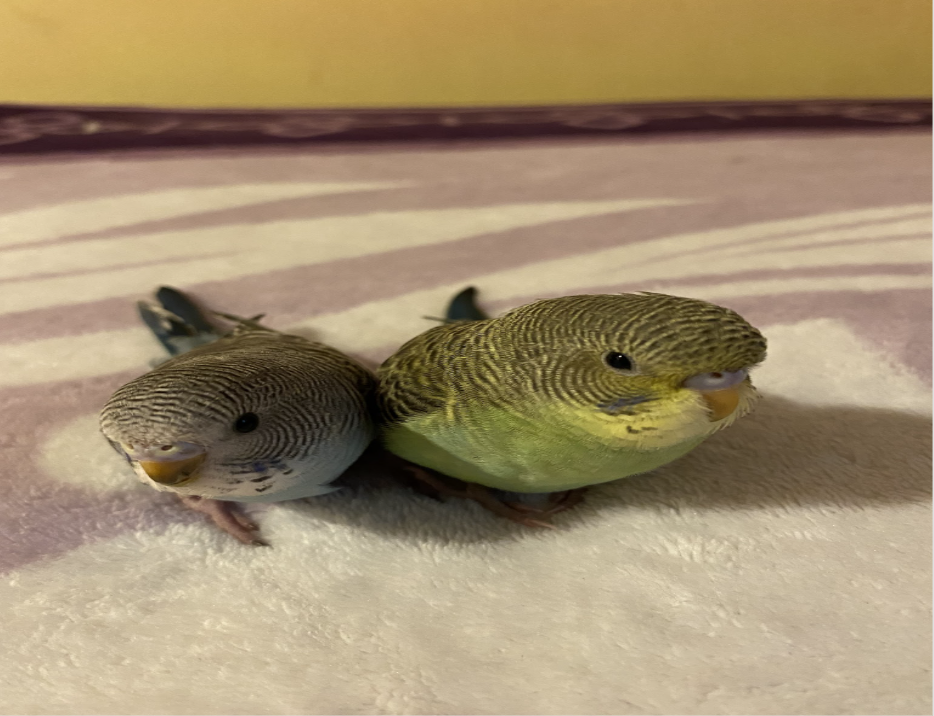
The reason why I chose pictures of my birds is because I love the color of their feathers and they’re all natural and soft. They represent a little different type of bird than we see in Minnesota, and they’re called parakeets. Their colors are different but similar at the same time.
Birds are clumsy, kind, soft, colorful, sleepy, hungry and small. These pictures I took were everywhere at home. I take my birds to visit different parts of my home and they’re all comfortable.

Sports schedule for: Feb 16-21
| ATHLETIC EVENTS SCHEDULE FEBRUARY 16 – FEBRUARY 21 | |||
| MONDAY | FEBRUARY 16 | ||
| TIME | BUS TIMES | EVENT | LOCATION |
| TUESDAY | FEBRUARY 17 | ||
| TIME | BUS TIMES | EVENT | LOCATION |
| 4:30pm | Adapted Floor Hockey Sections | Humboldt High School | |
| 7:00pm – 9:00pm | Baseball Captains Practice | Fieldhouse | |
| 7:30pm | 5:30pm | 9:30pm | Boys Hockey Sections vs. Osseo | Aldrich Arena |
| WEDNESDAY | FEBRUARY 18 | ||
| TIME | BUS TIMES | EVENT | LOCATION |
| B: 4:30pm JV: 4:30pm V: 6:00pm | Boys Basketball vs. Como Park | HOME | |
| 7:00pm – 9:00pm | Baseball Captains Practice | Fieldhouse | |
| THURSDAY | FEBRUARY 19 | ||
| TIME | BUS TIMES | EVENT | LOCATION |
| 5:00pm | TBD | Boys Hockey Sections | Aldrich Arena |
| 6:00pm | 4:00pm | 9:30pm | Boys Swimming Section Prelims | Art Downey Aquatic Center |
| FRIDAY | FEBRUARY 20 | ||
| TIME | BUS TIMES | EVENT | LOCATION |
| 2:15pm | 6:00pm | Wrestling Individual Sections | Cretin-Derham Hall | |
| B: 5:00pm JV: 5:00pm V: 6:30pm | 3:30pm | 8:00pm | Boys Basketball vs. Johnson | Johnson High School |
| JV: 5:30pm V: 7:00pm | Girls Basketball vs. Hope Academy | Hope Academy | |
| 5:30pm – 8:30pm | Boys Volleyball Captains Practice | Fieldhouse | |
| SATURDAY | FEBRUARY 21 | ||
| TIME | BUS TIMES | EVENT | LOCATION |
| 9:00am | 6:30am | 3:00pm | Wrestling Individual Sections | Cretin-Derham Hall |
| 1:00pm | 10:30am | 3:30pm | Boys Swimming Section Finals | Art Downey Aquatic Center |

‘Twilight’ chapter 7
By: Ivy Dahl
Summary:

Chapter seven of ‘Twilight’ begins with Bella having a nightmare where she’s at La Push, the beach she was at in the last chapter, seeing Jacob transforming into a wolf to attack Edward.
She awakes from this nightmare extremely confused, and with her mind full of questions that won’t let her sleep, so she decides to research on her computer. She starts by typing just one word: vampire. She sifts through websites, many of the things she read seeming like they were just stories for kids. But there were a couple of legends that stuck out to her.
Overwhelmed by her thoughts, Bella decided to go on a hike in the woods outside her house to clear her head. It was dark and eerie outside, just like it had been in her dream and when she came across a fallen down tree log, she sat on it like a bench. She thought in a place like this it seemed more reasonable to believe vampires existed. Everything about Edward aligned with him being a vampire including the way he talked so formally, as if from a different time. Also, his impossible strength and his constant reassurance that he’s too dangerous to be around. And even knowing all this, Bella knew one thing even more: she still wanted to be near him.
With her thoughts finally clear, Bella returned to her house, finished some homework and drifted back off to sleep.
When she wakes up the next morning, she’s in a much better mood because of the clarity from last night. This good mood follows her to school, where she decides to sit outside while drawing since it’s sunny. Mike approaches her and tries to use her good mood to his advantage by hitting on her, but she turns him down and tells him to ask Jessica out instead.
Bella goes to lunch and sees that not only is Edward missing, but his entire family is. She’s so bummed out by this that when Jessica invites Bella to go dress shopping in Port Angeles, she just mumbles an agreement.
When Bella gets home, Jessica calls her to tell her the trip is postponed to tomorrow because Mike asked her out.
The chapter ends with her and her friends leaving for Port Angeles the next day.
Review:
This chapter is supposed to be the big realization about Edward, yet afterwards it doesn’t feature him at all or have any kind of confrontation with him about what Bella thinks she realized. Instead, it just features her talking to her friends at school about stuff that isn’t really related, which makes it fall flat and lessens the impact of it on the plot. I’d give it a 5/10.
This is my last ‘Twilight’ chapter review, and I know there is quite a lot of book left, so if you have a lot of time, I would suggest you read the rest of the book! If you don’t have a lot of time, you can watch the movie.
The history of diamonds
By: Hannan Mohammed
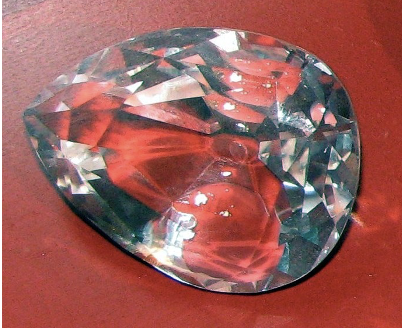
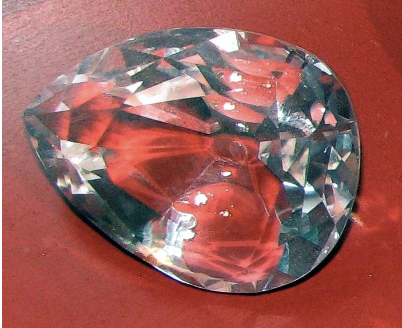
Diamonds are known today as one of the most popular gemstones. You can find them in wedding rings as a symbol of love, or you can find diamonds that are famous for their size or color, such as the Cullinan 1 or the ‘Star of Africa’, which is the largest cut diamond in the world. But, how did diamonds become so well-known throughout the world?
Geologically, diamonds were formed about 3.3 billion years ago from intense heat and pressure within a layer of Earth called the mantle, which consists of volcanic magma. They’re made from pure carbon and can produce more brilliance than other gemstones, but they weren’t used as decoration when humans first discovered them.
The first discovery of diamonds is believed to have been in sediment in India’s rivers of Penner, Krishna, and Godavari around 2500 BCE. As mentioned, they weren’t used in jewelry at the time, because they were more valued for their durability and hardness and thus they were used as tools during this time period. The alluvial deposits in the rivers were India’s only source of diamonds for centuries and would become the sources for some of the famous diamonds of today, such as the Koh-i-Noor diamond.
Eventually, in the 4th century BCE, India began to trade diamonds, although the supply was limited and only the country’s wealthy classes could afford to buy them. However, diamonds would begin to be used in jewelry among European kings in 322 BCE, because they symbolized strength and invincibility; in fact, the name for diamonds comes from the Greek word adamas, which means unconquerable. Their rarity would lead to them being associated with divine protection, and as trade routes expanded, diamonds were also bought by nobility and aristocracy. In Europe, diamonds became symbols of wealth as well as strength and divine protection.
Diamond cutting became established as an industry in 1330 CE in the city of Venice, Rome, which was known as a trade capital at the time. The first form of this was a point cut, which was achieved with eight symmetrical facets in the shape of an octahedron. This cut was soon improved into the table cut, in which the point cut diamond had a part of its top half cut off to make a table shape.
But how did diamonds become a symbol of love? That was first started in 1477, when the Archduke Maximillian of Austria created an engagement ring to propose to Mary of Burgundy. The ring had a diamond set in the shape of an ‘M’ to symbolize the Archduke’s commitment and love. The other element of love added was that it was worn on the third finger of the right hand, which is believed to contain a vein running to the heart, or the vena amoris. Thus, it became a precedent among European nobility to put diamonds into their engagement rings as a symbol of lasting love, which would continue and evolve over centuries.
Throughout the 17th century, diamonds were worn as a symbol of ultimate wealth among the upper classes, and elaborate diamond jewelry was seen as essential in royal courts, often inherited from older generations as family heirlooms. India continued to be known as the world’s only source of diamonds, adding to the gemstone’s value, until the early 1700s, when diamonds were first discovered in Brazil. They were discovered while gold miners sifted through gravels in local rivers, which boosted global supply as Brazil began to dominate the diamond trade for the following 150 years.
When the late 1700s came, however, there was also a shift in the buyers of diamonds, as the old ruling classes across Europe were experiencing decline and events such as the French Revolution changed the distribution of wealth. In the 1800s, western Europe and the United States became more wealthy and diamond demand increased, until December 1866 and February 1867, when diamonds were first found from a transparent rock found near the south bank of the Orange River in South Africa.
This brought a mad rush for diamonds in the 1870s-80s and the annual world production of diamonds increased by tenfold during this decade. The Northern Cape held the mines producing 95% of the world’s diamonds, and today South Africa is still one of the leading producers of diamonds.
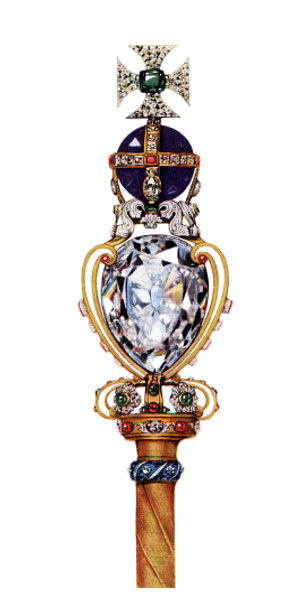
In fact, in 1905, the Cullinan Diamond was found and mined at the Premier Mine near Pretoria, named after Sir Thomas Cullinan, the chairman of the mine. It weighed a total of 3,106 carats, making it the largest rough diamond ever found. This diamond was given to King Edward VII as a gift and was cut into many stones; the largest cut diamond, known as the Cullinan 1, was set into the British Sovereign’s Sceptre, which is part of the British Crown Jewels and used in coronation ceremonies.
And finally, how was the brilliant cut established for diamonds? In 1919, a Belgian mathematician and gemologist named Marcel Tolkowsky developed the Ideal Cut for round brilliant diamonds, using calculations to emphasize a diamond’s sparkle and brilliance. His efforts led to the development of the Modern Brilliant Cut, which is the most widely-used diamond cut to this day because of how its design maximizes the gem’s sparkle and light return.
For more information, please visit:

A world out of sync
By: Canaan Nonnemacher

History of rigging sports
By: Karl Salkowski
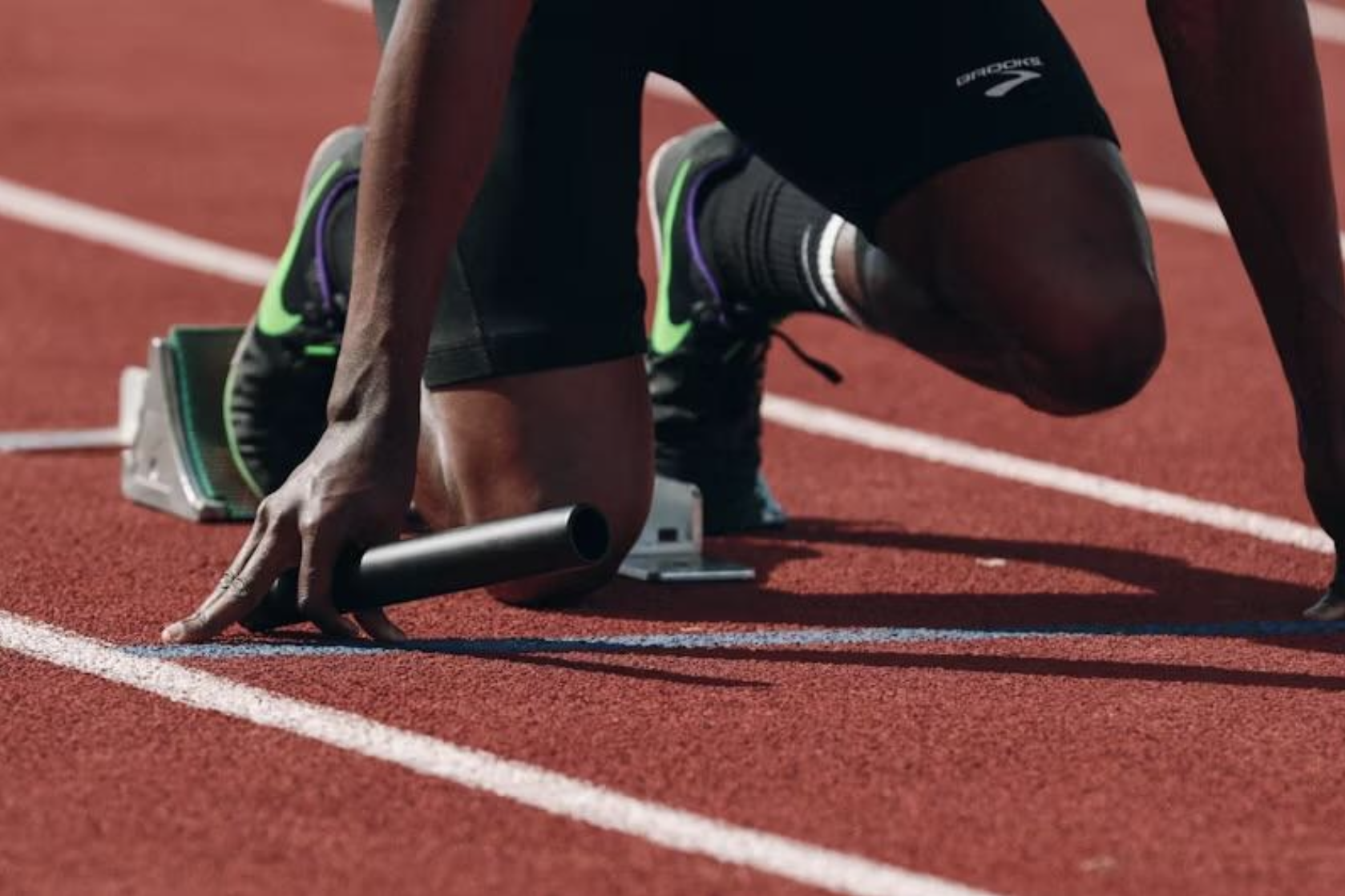
On January 15th, 2026, 10 to 15 Division 1 basketball players were charged with conspiring to rig games. Many of the best college players would throw games while an outside group bet hundreds of thousands of dollars against them. Using this strategy, these players were able to make millions of dollars over the course of the season.
The United States government has attempted to make fixing games harder through legislation, including the 2019 Macolin Convention against manipulation and the 2020 Rodchenkov Act against doping in sports. Sports betting is a lucrative market, as gambling revenue was more than 11 billion dollars last year, up over 13%.
Fixing professional sports is nothing new; major scandals have been happening for centuries. One of the first notable examples was the 1919 Black Sox scandal. 8 Major League Baseball players conspired together to lose the World Series against the Cincinnati Reds in order to receive a payout from a gambling syndicate. This destroyed professional baseball’s integrity and changed the way the sport was run professionally. All 8 players involved were banned from the sport for life, and this event led to many of the stricter rules in baseball.More recently in professional tennis, close to 200 players were proved to have participated in match fixing. In 2023, many lower level professional players would purposely manipulate scores and retire from the game early for betting purposes. Many of these players received fines or lifetime bans from the sport following the investigation.
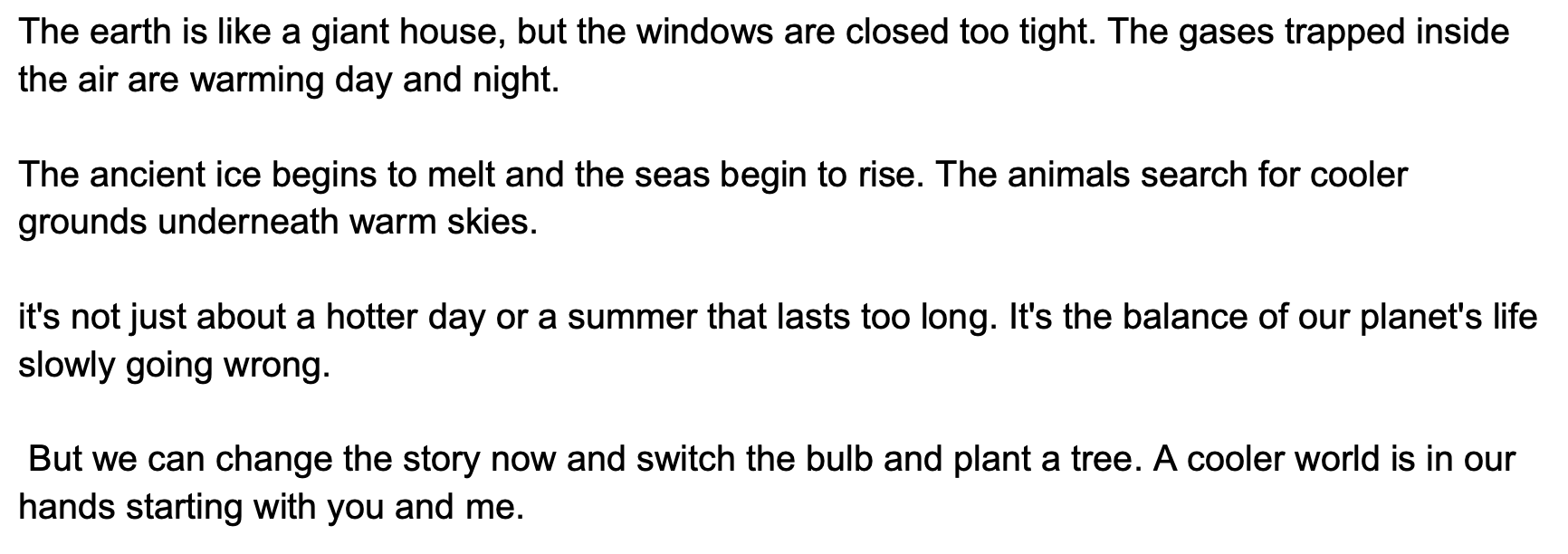
As sports betting is becoming more and more accessible, there becomes more of an incentive for players to rig games. For the most part, players with lower salaries are more susceptible, as the money is more impactful. This has caused fixing college games to become all too common in the last few years. Even with the strict punishments and the laws in place to prevent it, fixing sports games will only happen more and more often. Not only does rigging games harm the integrity of these sports, but also the betting market.

BIRD GAME 3 META ANALYSIS (JOYSTiCK Reviews Special)
By: Daniel Kendle

Hey, gang! I’m Ms. Smeegle, and I’m filling in for Mr. Whatshisname for this review. I hope you enjoy!
‘Bird Game 3’ is among 2025’s most popular games, hitting Steam shelves to a collective peak of 1.2 million players. The game is a match-based multiplayer experience where you take control of a bird as you fight for your team, steal eggs, and battle foes. It’s reminiscent of games like ‘Overwatch,’ ‘Marvel Rivals,’ and ‘Apex Legends,’ being a 5V5 first-person experience against other online players. The difference, of course, is that ‘Bird Game 3’ is the world’s first FPP: First-Person Pecker.
Obviously, the game hasn’t been out for super long, so it’s hard to definitively say which birds are best and which are worst. As of January 2026 – the time at which I’m writing this – we’re currently in the midst of Season 4, Regulation E. In this regulation, the following birds have been banned from ranked play:
- Phoenix (banned to Ubers)
- Wood Duck
- Emu
This narrows down the full list of usable birds to a solid 22: not the largest-ever roster for a Regulation, but a good one still. It’s also nice to have some birds from Season 1 and 2 finally become legal again, like Rooster and Titmouse.
After combing through various different websites, it seems the most popular bird online is Bald Eagle, with about 38% of registered teams having one. Makes sense; for being among the last S-tier birds not already banned in Ranked. It’s stat spread is great, with a ⅗ in HP, ⅘ in Offense and Defense, and ⅗ in Swiftness. Sure, it doesn’t spec into any of its highest stats completely, but opting instead for a more neutral playstyle is beneficial for a Carnivore-built bird. Its Bird Power, ‘Patriotism,’ is also pretty based, temporarily-maxing out its Special Move meter whenever an egg is stolen from their nest.
Besides Eagle, other notable birds include Opium Bird and Hummingbird, which’re hardly surprises. The latter in particular has been a mainstay pick for team comps since even Regulation B in Season 1, due to its stupidly-small hitboxes and Special Attack cooldowns. ‘Nectarite’ sucks, but the Bird Ability can be easily-circumvented through user “NBok43’s” recently-discovered Pollenport glitch. I imagine it’ll be patched soon, but for now its continued letting Hummingbird remain a meta threat.
Some nerfs to birds have also affected the player base, for better or worse. Birds with ‘Bug Boost’ for a Bird Power have had a severe drop in usage: its effect previously let Insectivore builds gain a temporary 1.5% Defensive boost upon eating 10 insects, but now, in addition to the requirement being 20 insects, the boost is only 1.2%. Oxpecker, Swift and Woodpecker users have become a rare sight only because of this. Another nerf is to Penguin, with its unique ‘Flipper Fodder’ Power now only letting it release 5 “Penguissiles” at a time as opposed to 7.
Overall, the changes made to ‘Bird Game 3’ in its newest Regulation have been net-positive for most. The Ranked meta has never been healthier, with more and more birds actually seeing competitive viability. With this most recent patch, I can only hope that the game continues to soar from he-
“Doctor, look! There! Her pulse is rising, I think she’s regaining consciousness!”
“We can’t lose her again this time. Hector: fetch front desk support. We’re gonna want to alert her family.“
Wh…wha? What’s going on?
“Ma’am? Ma’am, this is doctor Mackenzie of the Mayo Clinic in Scottsdale, Arizona. You’re going to be alright.”
Mayo Cli…w-why am I-!
“Ma’am, you were in a car crash with your wife and son 46 hours ago. They perished in the wreck, while you stayed in fatal condition. We need you to relax, please – Marjorie, hand me the anesthesia.”
They died? But I-I didn’t even see anyone else driving! I couldn’t have…have…
“No one could’ve. It was a freak accident: a couple of drunk teenagers T-boned your vehicle on Interstate 430. Your relatives wanted hospital personnel to tell you all this when you woke up.“
…
“I’m…I’m sorry for your loss.”
…Janus…
“…thank you. Ma’am, I need you to close your eyes again and count to 20. Everything is going to be okay.”
Sports schedule for: Feb 9-13
| ATHLETIC EVENTS SCHEDULE FEBRUARY 9 – FEBRUARY 14 | |||
| MONDAY | FEBRUARY 9 | ||
| TIME | BUS TIMES | EVENT | LOCATION |
| 3:45pm | 2:10pm | 5:00pm | Nordic Ski JV Championships | Hyland Lake Park |
| 4:30pm | Adapted Hockey vs. Robbinsdale | Armstrong High School | |
| TUESDAY | FEBRUARY 10 | ||
| TIME | BUS TIMES | EVENT | LOCATION |
| JV: 4:30pm V: 6:00pm | Boys Basketball vs. Washington | HOME | |
| WEDNESDAY | FEBRUARY 11 | ||
| TIME | BUS TIMES | EVENT | LOCATION |
| Girls: 11:00am Boys: 12:15pm | Bus Leaves Tuesday at 3:45pm | Nordic Ski State Meet | Giants Ridge |
| JV: 4:30pm V: 6:00pm | Boys Basketball vs. Higher Ground Academy | HOME | |
| JV: 4:30pm V: 6:00pm | Girls Basketball vs. Fridley | Fridley High School | |
| THURSDAY | FEBRUARY 12 | ||
| TIME | BUS TIMES | EVENT | LOCATION |
| Boys: 10:00am Girls: 11:00am | 4:30pm | Nordic Ski State Meet | Giants Ridge |
| JV: 5:30pm V: 7:30pm | JV: 3:15pm V: 5:15pm | 9:00pm | Boys Hockey vs. Irondale | Blaine Super Rink |
| FRIDAY | FEBRUARY 13 | ||
| TIME | BUS TIMES | EVENT | LOCATION |
| SATURDAY | FEBRUARY 14 | ||
| TIME | BUS TIMES | EVENT | LOCATION |
| 9:00am | 6:30am | 3:00pm | Wrestling Team Sections | Harding High School |
| B: 10:00am JV: 10:00am V: 12:00pm | Boys Basketball vs. Mahtomedi | HOME | |
| 11:00am | 7:15am | 1:30pm | Gymnastics Sections | North St. Paul High School |
| JV: 12:00pm V: 2:00pm | 9:30am | 4:00pm | Boys Hockey vs. New Ulm | New Ulm Civic Center |
 Plaid Line + PRIZM + Scottie News

