On May 1st, Highland Park Senior High School for one day only, became a courthouse.
This wonderful opportunity was brought to us thanks to The Minnesota Supreme Court, the SPPS school district and staff here at Highland Park. We got a front row seat to the inner workings of the Minnesota Supreme Court. This was such fun.
This is a great opportunity for many students who might be interested in law or were just curious about how the Minnesota Supreme Court works. This was such a unique opportunity and there are very few schools that are picked.
Overall, we learned so much about how law works in our local government and about our Supreme Court judges. We got to see firsthand the fun parts of being a Supreme Court judge but also some of the stressful and difficult parts that come with this job. We heard from the judges that having a very good work life balance is hard. We heard about how much discipline the judges must have to make these important decisions for our community. We learned that judges must be impartial to themselves, and have to choose whether or not to take a case based on if they have an opposing opinion about it or not.
There were many interesting parts of this but one of the more interesting parts was when the hearing was done and the judges came out and sat for questions from students (including the authors of this article). This seemed fun for the judges too, as they probably enjoy a break from the courthouse.
We got to sit down with Justice Gaïtias as she was making a classroom visit after the court case. She is the newest judge on the Minnesota Supreme Court and she was appointed in August 2024. She talked about how the transition in the case load from the court of appeals to the Supreme Court was something she didn’t expect. Although the Supreme Court does not see nearly as many cases as the court of appeals, the court of appeals sees nearly 2,000 cases a year and the Supreme Court only sees 80-90 cases. She said that the cases are a lot more intense and unlike the court of appeals there isn’t anyone else to fall back on if they can’t come to a decision.
She talked to us about important characteristics of a good judge and she talked about how judges need to know how to be fair, kind and humble. She also says that they need to have a love of public service because that’s the main point of the job is serving the public.
A student asked a question about if she thinks being on the Supreme Court has changed her as a person. Justice Gaïtias says she doesn’t think it has changed her personally but she did talk about how she feels the weight of the job more now than ever.
Justice Gaïtias emphasized that a big part of the job is understanding how to cope with the harder parts of her job. The Minnesota Supreme Court hears a variety of cases, some of them harder than others. She talked about how all judges need to know how to compartmentalize and find their coping strategies and how they need to be healthy.
Some more personal facts are that she didn’t originally want to be a judge. She wanted to be an actor, but her parents said she wouldn’t make it, so she decided to go into law. She said it was one of her biggest regrets. She went to an international school in Greece growing up. She loves Greek mythology and her pets and kids are named after famous figures.
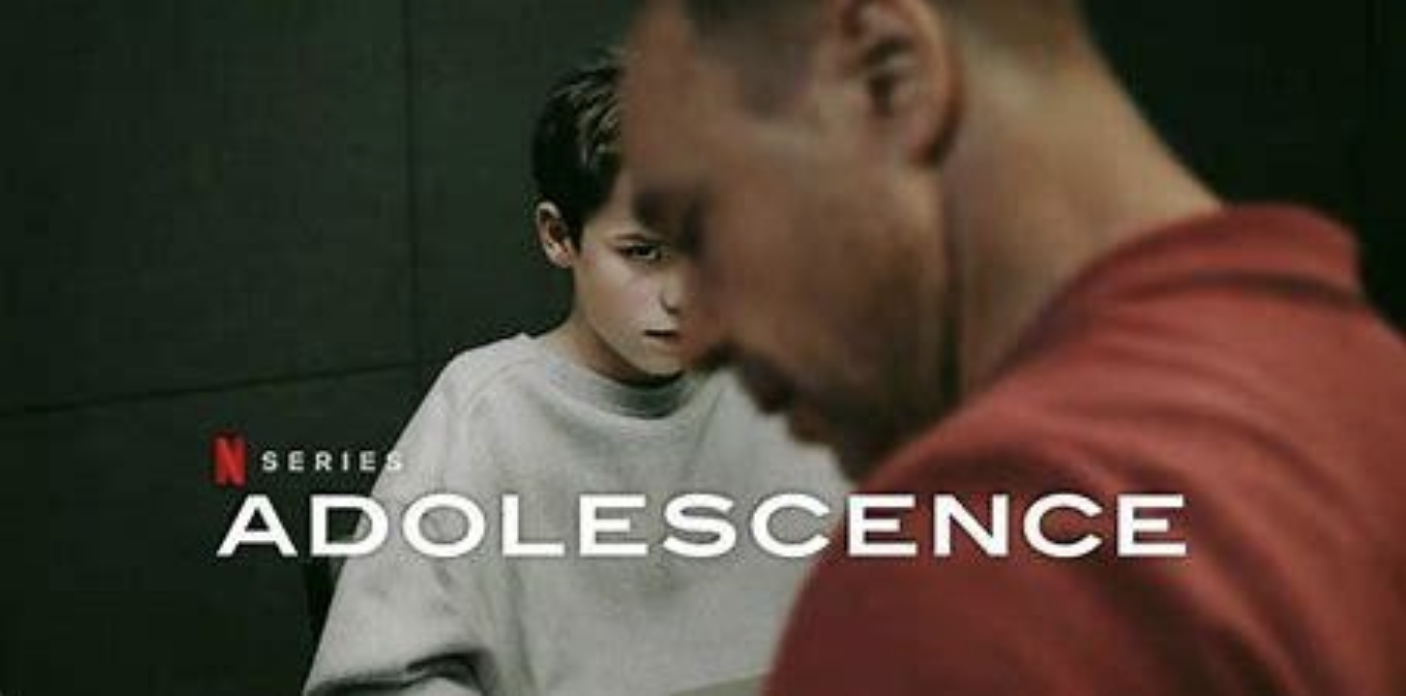
‘Adolescence’ is a limited series on Netflix, directed by Philip Barantini. This show is not like many other TV shows on Netflix because each episode was filmed in one shot. This means that from the beginning to end of each episode, there is not a single cut in the camera.
This show is a coming of age drama that touches on subjects that many children go through during their teenage years. It is set in a school in the UK, with young teens that are being exposed to the toxic environments that social media provides.
Each character faces their own troubles and are all unique in their own way. Some struggles that were shown in the show were gender identity, depression, substance use, bullying, and academic pressure.
The actors were able to display raw emotions that made everything feel real to the viewer. The main character, Jamie Miller, was played by Owen Cooper. This show was Owen’s first acting role. I think that he did amazing at playing this character and taking on such a difficult job for his first time.
Jamie Miller, is a young boy who was bullied online and he eventually committed a crime that could not be undone. The first episode shows Jamie being arrested as a suspect for a murder, but by the end of the show, you can see the impacts that his decisions had on his family and the other people around him.
As each episode goes on, you can clearly see Jamie’s mental state start to disintegrate. The show was never a “who did it” murder mystery, it was clear by the first episode who committed the crime. The point of the show was to figure out why he did it and what led him to that point.
During an interview with GQ, Philip Barantini stated that the purpose of the show was to spark conversations about the dangers of cyberbullying and toxic masculinity. He wanted to encourage parents to engage in more deep conversations with their children about their online experiences. I really enjoyed watching this show because it was amazing to see everything filmed in one continuous shot. All of the actors that were in this show have amazing talent and were able to deliver amazing scenes for us to watch.
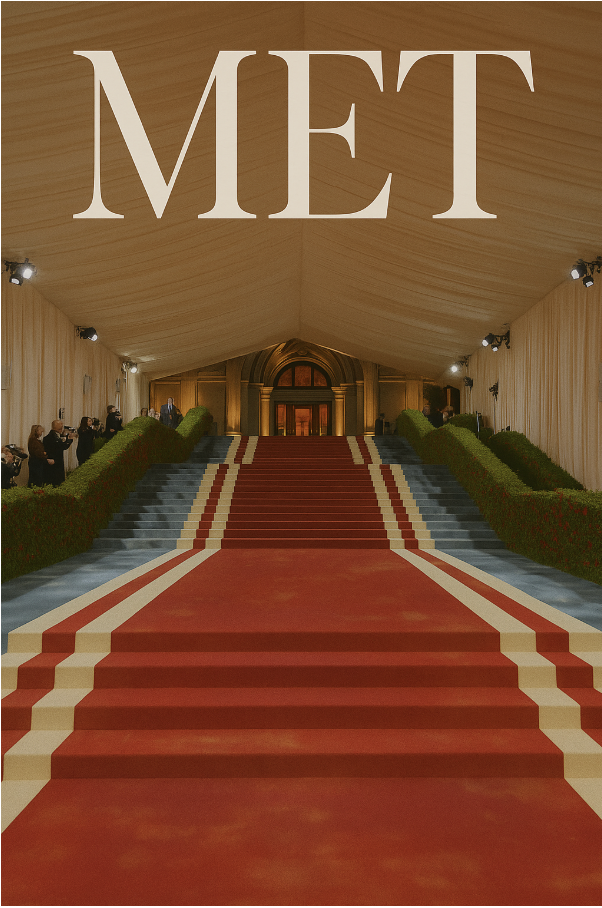
Often considered fashion’s biggest night, the Met Gala, also known as the Costume Institute Benefit, is an annual charity fundraiser held at the Metropolitan Museum of Art in New York City. It is held on the first Monday of May each year. Guests show up in extravagant outfits that resonate with that year’s dress code, which is inspired by the exhibit’s theme.
In honor of the annual Met Gala on May 5, I will be ranking the past themes from recent years (2014 – 2024).
2014:
Theme – Charles James: Beyond Fashion
Dress code – White tie and decoration
★★★☆☆
The exhibit paid tribute to the American Fashion designer, Charles James who inspired the dress code. He was known for his structural ball gowns. The guests were expected to wear full evening gowns, tailcoats, waistcoats, and bow ties. The most notable look for me was Karen Elson, a model, and singer-songwriter, who wore a dress designed by Zac Posen, and Blake Lively, an actress who wore a Gucci gown.
While this theme was beautiful, it was forgettable and safe. There was little room for uniqueness and innovation since everyone was expected to wear ball gowns, making it feel like just another red carpet event rather than the Met Gala, which is why I give it 3/5 stars.
2015:
Theme – China: Through the Looking Glass
Dress code – China: Through the Looking Glass (guests were expected to interpret the theme)
★★★★★
The theme was a way of celebrating the Chinese impact on Western fashion over the centuries. I give this theme a 5/5 because each attendee had a unique outfit on how they interpreted the theme. The theme was visually pleasing and there were a lot of cultural references.
My favorite look from that year was Rihanna’s. Her look was designed by Guo Pei, a Chinese fashion designer. The look featured a canary yellow coat dress with a large fur trim train, which took 2 years to complete, and it was worth it because Rihanna stole the whole night.
2016:
Theme – Manus x Machina: Fashion in an age of technology
Dresscode – Tech white tie
★★★★☆
Manus relates to creating with your hand while Machina means to use machines to create, the theme highlights how technology influences the creation of fashion, and the increasing impact it has on design and production. The dress code was inspired by the theme, which is meant to celebrate technical innovations.
The theme wasn’t bad itself, it’s just that everybody showed up in some sort of silver futuristic gown, my favorite being Kim Kardashian, who wore a metallic silver Balmain gown with a side slit on the dress that went up to her thigh. For my favorite more unique look, it was Emma Watson, who wore a custom Calvin Klein outfit, made out of a recycled plastic bottle which ties into the theme.
I give this theme an overall rating of 4-stars because there was some unique spin to the theme, such as Clare Danes wearing a light-up Zac Posen gown.
2017:
Theme: Rei Kawakubo/comme des Garçons: Art of the In-Between
Dress code: Avant-Garde
★★★☆☆
The theme for 2017 was honoring Rei Kawakubo, a Japanese fashion designer who is known for designing outfits that defy gender, form, and traditional beauty. The avant-garde definition is “new and unusual or experimental ideas, especially in the arts, or the people introducing them.”
My favorite look was by Rihanna, who wore an actual Rei Kawakubo design from her 2016 fall collection. The dress was an asymmetrical 3-D sculptural floral dress. This theme had a lot of potential, but most chose to play it safe by completely disregarding the theme which is why I give it 3 stars.
2018:
Theme – Heavenly Bodies: Fashion and the Catholic Imagination
Dress code – Sunday best
★★★★★
The themed exhibit was inspired by Catholicism, showing an intertwining of Religion and fashion, showing Pope garments, biblical artifacts, and religious symbolism. The outfits were stunning, everyone delivered which is why I gave it a 5 star mark. My favorite was Chadwick Boseman, who wore a custom Atelier Versace; he wore an all-white blazer and cape with gold crosses and a red tassel, the look went with the theme. My other favorites included Ariana Grande, Rihanna, Zendaya, and Blake Lively.
2019:
Theme – Camp: Notes on Fashion
Dress code – An expression of everything artificial
★☆☆☆☆
Camp is defined as “an aesthetic that is exaggerated, theatrical, and often intentionally ‘bad’ or ‘over the top’ in a way that is still enjoyable and playful.”
To be honest, I didn’t like the theme, it wasn’t good, which in a way makes sense. If I had to choose my favorite look, it would be Janelle Monae, who wore a custom Christian Soriano dress. The dress was a split design dress that included pink, and black, white, and red colors, the dress also included cutout designs and very “campy” details.
2021:
Theme – In America: A Lexicon of Fashion
Dress code – American Independence
★☆☆☆☆
When I think of the dress code, I imagine wearing designs popularized by American designers to honor the influence America has on fashion worldwide. The theme offered a very diverse styling since America is not a monolith, it’s a very diverse country.
Even though there is a vast majority of style influences that the guest could’ve chosen from, most still chose to dress in a more ’50s, ‘60’s old Hollywood fashion style, and if they didn’t dress up in old Hollywood, they just didn’t match the theme at all. The red carpet was all over the place, so with that being said, none of the looks from the ‘21 Met Gala really stuck out to me, so I rate this Met a 1 star.
2022:
Theme – In America: An Anthology of Fashion
Dress code – Gilded Glamour White Tie
★★☆☆☆
The theme and dress code was inspired by the Gilded Age era which ran from 1865 to 1902. When you look up gilded period outfits, you see skirts with a bustle, ribbons, hats, and corsets.
With the dress code being very specific, you would assume people would have an easier time following, but that was proven wrong; the majority of the outfits that guests wore didn’t follow the theme at all. With that being said, one look that did stick out to me was Billie Ellishe’s outfit, which fits the theme. She wore a Gucci gown that had a corset bodice. The gown also featured green and purple flower designs on the sleeve as well as on the bodice.
I rate the ‘22 Met Gala 2 stars, just because it didn’t live up to my standards of what I was expecting.
2023:
Theme – Karl Lagerfeld: A line of Beauty
Dress code – In honor of Karl
★★★☆☆
The theme honors Karl Lagerfeld, a German fashion designer who served in the fashion industry for 6 decades. He was best known for his work with Chanel, Fendi, Balmain, and Chloé as well as his own brand. His design characteristics were very structural, and black and white with sharp tailoring.
Pretty much everyone was on theme, Karl was a very influential designer that the majority of the guests had worked with in recent years, so I think that’s why they were easily able to interpret the theme in their own way. My favorite look being Anitta, she wore a Marc Jacobs gown that featured a long train, white opera gloves, and platform heels.
Even though everyone was on theme, the theme was a little boring, nothing special, so I rate it a 3 star.
2024:
Theme – Sleeping Beauties: Reawakening Fashion
Dress code – Garden of Time
★★★★★
The exhibit featured fragile, historically significant garments hence the theme “Sleeping Beauties.” This was honestly the best Met Gala they have had in recent years, and my ultimate favorite. My favorite looks included Harris Reed wearing his own design , Alia Bhatt wearing Sabyasachi, and Nicki Minaj wearing Marni.
Before we start with the story, let’s talk about the author— Dr. Chee Vang.
Dr. Chee Vang is not only an author, but a family practicing physician in the Hmong community. He graduated from Highland Park Senior High, soon pursuing his career in medicine.
He made history as the first to write a bilingual children’s book in both Hmong and English about health for children. This helps reflect his passion and commitment to medicine and preserving the Hmong language.
Through the book, Dr. Chee Vang offers medical guidance, as well as bridging cultures and generations.
He serves his community by providing both medical care and helping young Hmong children/teens reconnect with the language that’s beginning to get lost.
This book is more than the first Hmong/English bilingual children’s book, but also a meaningful way to contribute to health education and preservation of culture.
At the beginning of the book we’re introduced to Chaly, a young boy who expresses his nervous feeling about visiting the Doctor for a checkup.
It’s a relatable opening that helps capture the reader’s attention, especially children who have similar experiences when going to the doctor’s.
As the story progresses, we follow Chaly through all the different steps of his medical examination.
He’s first introduced to the nurse who takes his vital signs, and that includes multiple steps like taking his temperature and blood pressure.
The nurse makes sure to explain each step carefully to give Chaly and the reader a sense of understanding.
Eventually, Chaly meets Dr. Chee Vang who performs a physical examination. Through the examination, Dr. Chee Vang takes time to answer Chaly’s questions and builds both trust and communication.
He uses models and diagrams as an easy-to-understand method to help Chaly learn how the body works. This is not only helpful to Chaly, but it also can provide a way for young readers to follow along.
At the end, Chaly realizes his outlook on visiting the doctor’s has changed completely. His fear from the beginning ended with confidence and he understands that it doesn’t have to be scary because the doctors are supporting them, not hurting them.
Chaly’s journey educates and prepares the readers for what to expect during a medical visit, breaking down each step and introducing medical roles in a memorable way.
This also teaches young people to advocate for themselves and communicate openly with their healthcare professional. These lessons are important for children, especially those with language barriers or cultural differences.
Although this book was designed for readers between the ages of 5 and 18, its education goes beyond the age range.
It includes Hmong translations on each page, becoming a language learning tool for everyone as well. This is important for Hmong families because younger generations begin to lose their fluency in the language they speak.
As a Hmong teenager, I (Aalovley) continue to struggle with losing touch within the language I grew up speaking. Reading this book had an unexpected impact on my vocabulary when speaking Hmong. The words helped me reconnect with my culture, and more importantly, I was able to share this book with my younger siblings. I taught them what I learned, and that helped reinforce the vocabulary/language in all of us.
We highly recommend this book for Hmong families who are seeking help with their language/further education on health knowledge because these aren’t everyday things we learn.
‘Chaly Goes to See the Doctor’ is more than just a children’s book, but also a tool for learning and reconnection. It builds relationships between doctors/patients, between cultural generations, and for kids or teenagers like us. It gives us a path back to parts of our culture we may have lost along the way.
If you or someone you know might be interested in the book, here are resources where you can find it and support Dr. Chee Vang:
Libraries in Minnesota:
Hennepin Public Library System
Saint Paul Public Library system
Washington County Public Library system
Libraries in Wisconsin:
Marathon County Public Library of Wausau
Appleton Public Library of Appleton
It also can be purchased on Amazon: (includes paperback, hardback, and ebook)
Summer is coming up, and everyone’s excited. The sun’s out, school is almost over, and everyone is getting excited about everything they’re gonna do this summer, but what are some actually fun things to do in summer? Well, here are some ideas I’ve collected.
Bikini boxes!
Need somewhere to put all your swimsuits? Well, pick up a little wooden crate and some paint, and there you have it. You can paint cute seashells, the sun, or anything your heart desires. This is a really fun arts and crafts project you can do alone or with a friend! A fun day out in the sun painting? Sign me up!
Water balloon fight!
Gather up all your friends, pick up some water balloons, and pick teams. A water balloon fight in the hot Minnesotan sun is the perfect way to spend a summer day. This one is super cost friendly, and super fun.
Bike ride at sunset!
I’m a firm believer that bikes are the best way to get around in summer, and what’s better than taking a bike ride at sunset? Nothing. This is something you can do alone, or with some friends. If you wanted to, you could probably do this everyday. What a great way to end the day!
Have a picnic!
Picnics don’t have to be a huge hassle, just grab a blanket and your favorite foods from the fridge, and bike on down to Lake Nokomis and set up. Super cute, and then you’re already at the lake, so when you get too hot you can jump right in!
Play a sport!
Whether it’s captains practice for a school sport, or beach volleyball with your friends, staying active is a great way to spend your summer! Sports are a great way to spend time outside in the summer, and get to spend time with your friends.
Really, the best way to spend your summer is to do anything and everything you can think of. There’s no way to have a boring summer when you’re constantly moving!
Psychology, it’s an amazing study of human behavior and cognitive functions, and, within this wide branch, there is so much to discover. That brings me to today’s topic, psychology experiments. More specifically speaking, notable psychology experiments. Now, you may have heard of popular experiments such as the Stanford Prison experiment and/or the Milgram experiment, which was an experiment with the intention of questioning people’s ability to adhere to an authority figure under who they assume to be someone in power. But, besides the most renowned ones, how about the ones barely anybody talks about? Are they considered notable or worthy? Today I will be explaining a very complex and appalling experiment, also known as the MK-ULTRA Project. I will try my best to explain all aspects of it and how it is notable to psychology.
First of all, what even was the MK-ULTRA Project? Well, the MK-ULTRA Project was a very bizarre experiment and the horrors of it run deep throughout history. The project was developed by the Central Intelligence Agency, also commonly known as the CIA. The CIA was a federal service tasked with enhancing national security through analyses of intelligence. Or in other words, the main foreign intelligence service of the United States. To be more specific, this experiment was primarily run by a chemist named Sidney Gottlieb, although Allen Dulles, the head of the CIA, agreed to let the procedures go through. This experiment was primarily based around the experimentation on humans and how they react.
This experiment had horrid intentions. In fact, the primary intentions of this experiment was to develop procedures, drugs, and/or some type of methods that would be capable of weakening an individual’s ability to resist, which would result in easier confessions due to this sort of “brainwashing” so that during an interrogation, they could easily get people to confess. It was a project just overall based around psychological torture on its participants. In order to figure this sort of “truth serum” out, experimenters would inject participants with drugs, usually this drug would be lysergic acid diethylamide, also known in the abbreviated form as LSD. They had hopes to discover at what point humans would break and essentially lose control of their cognitive abilities to adhere to authority figures. The ones that were experimented on varied from place to place.
Now, the majority of Gottlieb’s experiments were funded at universities and research centers, and others were conducted in American prisons and detention centers around the world. Typically, the ones being experimented on were people such as soldiers and most commonly prisoners. Prisoners were typically more popular because they were willing to operate in exchange for extra recreation time and were operated on. But, what makes this even more horrific is that many of the subjects had no idea they were going to get experimented on, and were unsuspecting people. And, adding on that fact, they tended to prey on the most vulnerable of people.
This experiment went on for a long duration of time, starting around November 18, 1953 and it was officially halted in around 1963 to 1973. This halt was due to the discovery by the CIA Inspector General staff of what was truly going on. Along with the discoveries of how dangerous and just morally wrong it was, as the subjects were given psychoactive drugs and other toxic chemicals.
Now, this experiment stemmed not only from new fascinations, but it also stemmed from fear and a continuation of the Nazi lead experiments through the duration of World War II. In 1933, Hitler was appointed chancellor of Germany, and with his Nazi party helping him to suppress opinions and political enemies, he created a dictatorship. Due to previous hate of Jews along with Hitler using the Jews as scapegoats for Germany’s misfortunes after World War I, many Jews were persecuted. Eventually, this led to Jews being sent to concentration camps in an effort to exterminate them. During the 1940s, Nazi scientists worked in the concentration camps, which were usually filled to the brim with Jewish people, along with other camps containing the Roma people and other prisoners of war. In these camps, along with the starvation and other cruelties they brought to victims’ lives, they also did interrogation experiments.
To really give you a picture of how unethical some of these experiments were, we must discuss Operation Midnight Climax. Operation Midnight Climax was a notorious LSD experiment conducted by the CIA. In 1955, George White oversaw this experiment by first decorating a room to look homey and unsuspecting, then he let everything play out. Paid people would lure unsuspecting people to the scene and then they would be drugged by LSD as George White watched behind a two way mirror.
Now, the results of the experiment are hard to find. This is because in the 1970s, most of the evidence for the experiment was destroyed. Along with the fact that this experiment was kept secret for most of it due to the fear of peoples’ criticisms. Although there are similar experiments to this such as the Stargate Project, this project also focused on the study of psychic phenomena. Though similar to the MK-ULTRA Project, its results were dismissed and only proved that the methods were harmful, and killed many.
Thank you so much for following me along as I explain this intriguing experiment to you! I hope you also found this experiment intriguing and brought you a valuable critical thinking experiment!
As we get closer to summer, there’s a lot of free time in the future. One great way to fill this time is exploring our cities through museums and historical sites. The Twin Cities Area has lots to offer when it comes to art, culture, and history. Here are three of my favorites, perfect for all ages and interests.
Minneapolis Institute of Art— Mia is a must see site in the Twin Cities. It has 143 galleries, showcasing almost 5,000 years of artwork from around the world. Permanent exhibits include African, Asian, American Indian, and European galleries, as well as various eras of American art. More immersive galleries include rooms decorated in Frank Lloyd Wright’s Prairie Style and period rooms themed around the Renaissance era, Ancient Japan, and the American 1950s. Be sure to check out rotating exhibits, which feature local and international artists.
Mill City Museum— The Mill City Museum might not be on the top of everyone’s sightseeing list, but it’s one of the most interesting museums in the cities. Built in the ruins of downtown Minneapolis’ Gold Medal Flour factory, this museum has interactive exhibits themed around Minnesotan milling history. Board historic train cars, bake bread, and ride a flour elevator while you learn about the people who worked in one of Minnesota’s biggest industries. A highlight of this museum for me is walking through the ruins park; a part of the building preserved as it was after the 1878 Mill City disaster, an explosion which leveled the building and damaged much of the surrounding area. You can see the old walls, outlines of rooms, and pieces of metal equipment that survived the fire.
Historic Fort Snelling— Historic Fort Snelling is a great place to learn about Minnesotan history, as well as experience the beauty of the Mississippi riverbank. Watch cannons fire and historic reenactors march military routes in this 1800s fort. Fort Snelling is also a great place to learn about Native history. Learn about Dakota language, history, and culture from community members and historic actors, and see how native people were treated during Fort Snelling’s time as an internment camp. Lastly, hear the story and see the living quarters of Dread Scott, a slave who sued the US government for his family’s freedom. So much history and many monumental moments have taken place at Fort Snelling, right in Highland’s backyard.
Do your mornings feel chaotic and like you’re in a rush? Well, today you will learn easy ways to make your morning better, so that your start to the day isn’t chaotic.
Having a morning routine helps you manage your time better so that you don’t end up forgetting things in the rush of the morning. It can help you stay calm and organized, helping you show up to school ready to learn. Sticking to the same routine helps build health habits that can also help you with many other things. One more big thing that having a morning routine adds is not having to waste time on small things, which allows you to use your time and energy for more important tasks.
Now, let’s get into what you can do to improve your mornings. A good morning starts with the night before. Doing as much as you can the night before sets you up to have less to do in the morning making it less busy.
Lay your clothes out:
The night before, pick your outfit out. This gives you time to make sure you like it and so that you don’t have to scrabble in the morning to find something from the dark depths of your drawer.
Pack your backpack:
Put all your homework, notebooks, books, and other necessities in your backpack and don’t forget to charge your iPad! Doing this helps to make sure that you don’t forget that important homework assignment that is due the next day or other important items.
Prep your meals:
Make your lunch if you take one the night before. This makes sure your not standing in front of the fridge in the morning unsure what to pack and not packing one because you need to catch the bus.
Breakfast is such an important meal of the day. It gives you energy to tackle your first classes before lunch. There are many meals that you can prepare ahead of time that you can quickly take out and eat in the morning. Some are overnight oats or yogurt parfaits that you can customize to your liking. Breakfast doesn’t need to be hard, it just needs to fuel you for the day. So quick breakfasts that you can make in the morning are: a piece of toast with peanut butter and banana, oatmeal with fruit, a hard boiled egg and a piece of toast, and so much more.
Keep it consistent:
Setting an alarm in the morning and sticking to it. Getting the routine of not snoozing the alarm makes it easier to wake up after a while. Keep the alarm at the same time, the more you wake up at one time, the more you adjust.
When going to bed, wind down by reading a book before bed or doing something off a screen. I know it can be hard to put down the phone or turn off the TV, but it makes it easier to fall asleep. Go to bed at the same time each night. Having a consistent bedtime makes sticking to the routine easier in the morning.
These are a few easy ways to make your morning better so that you can have a good start to the day instead of a chaotic one. Remember, keep it consistent with everything you do. Make it a long term effort, doing it for one day won’t help. Now get out there and have a great morning.
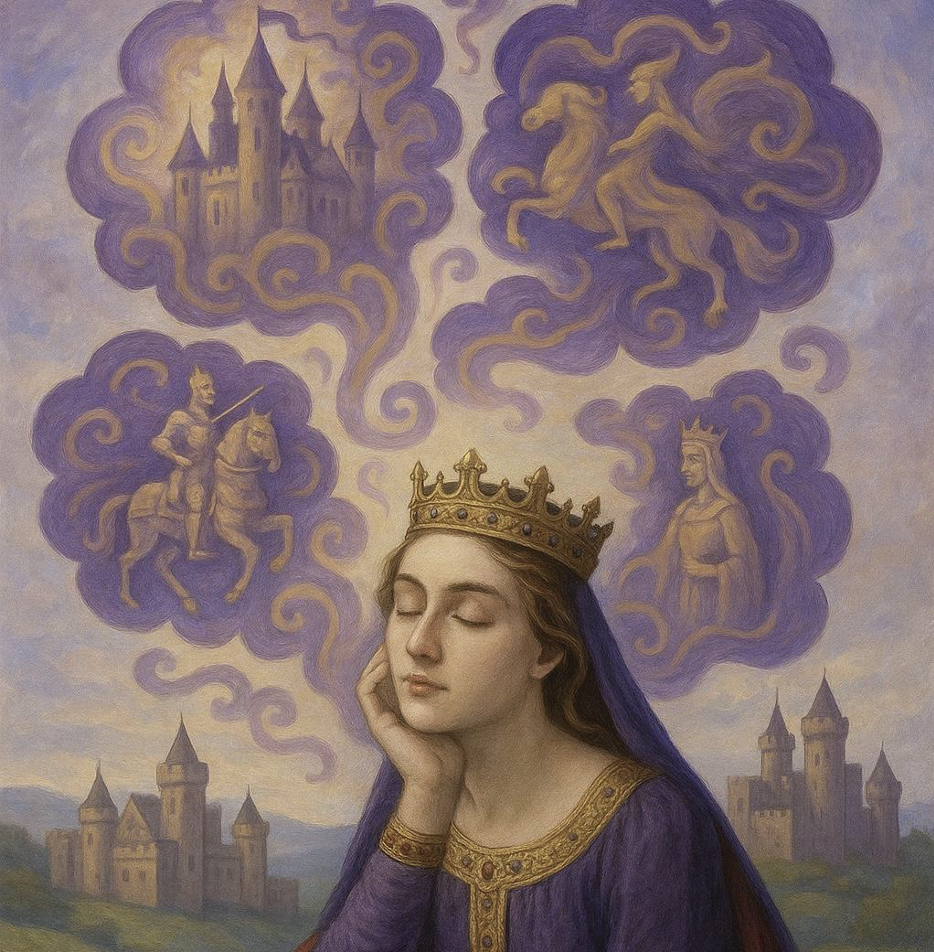
Daydreaming can be defined as “[A] series of pleasant thoughts that distract one’s attention from the present.” We’ve all been in a situation where you have zoned out, lost in thought, completely unaware of what’s happening around you. Daydreaming manifests in different ways and constantly surrounds our mind daily, whether thinking about an old memory, imagining a future conversation, or just making up a random scenario in your head.
People typically spend up to 30% of their lives engaging in daydreaming. Although daydreaming can sometimes distract us from our tasks, it is still a part of human nature.
But why do we daydream?
Research has revealed why our mind wanders. The regions in our brain, made up of the medial prefrontal cortex, posterior cingulate cortex, and temporoparietal junction make up the Default Mode Network (DMN). The DMN becomes active and consumes energy when the brain is at rest. According to Scientific American, it says, “[M]ost things we do consciously, be it sitting down to eat dinner or making a speech, mark a departure from the baseline activity of the brain default mode.” The DMN is also involved in processing memories and scenarios.
The hippocampus is a brain structure that involves the formation of our memories. Essentially, it helps store your memories. When you daydream, you activate the hippocampus, which is why we may sometimes play back memories when we daydream.
The benefits of daydreaming
Daydreaming is considered a normal habit and can even be beneficial for creativity. Those who daydream will likely have a more creative outcome because they can process their thoughts and explore other ideas. Many people get their creative ideas as a result of daydreaming, such as book ideas, drawings, or even articles.
Daydreaming can also help in problem-solving situations by being able to concentrate on the task at hand by blocking out distractions. It can help accomplish a goal by focusing on finding a solution quicker as your brain is actively searching for a way to solve the problem.
Daydreaming itself can reduce stress and anxiety as daydreaming is a period of relaxation. When you daydream, you allow your mind to cancel out troubling thoughts and worries that you might have. It can also help boost your mood if you’re having a rough day.
Downsides of daydreaming
It is estimated that 2.5% of people experience excessive daydreaming, also known as maladaptive daydreaming. Maladaptive daydreaming occurs when a person experiences excessive daydreaming that can interfere with their everyday life and can have serious consequences. It is an unhealthy coping mechanism for issues such as anxiety or severe stress. Maladaptive daydreaming usually includes highly vivid and prolonged daydreaming that can go on for hours on end.
Maladaptive daydreaming can be possibly triggered by a history of childhood trauma or abuse, or having traits such as high creativity. Maladaptive daydreaming itself has symptoms that can overlap with other mental health conditions, such as OCD (Obsessive-compulsive disorder) and ADHD (attention-deficit/hyperactivity disorder). As a result, the overlapping of these symptoms makes maladaptive daydreaming harder to recognize and treat.
Overall, daydreaming has both positive and negative effects that can vary from person to person. Daydreaming is a unique brain function that helps us express creativity and our thoughts. We hope that this article provides you with some interesting information about daydreaming and the reason behind it.
For more information, please visit these websites:












 Plaid Line + PRIZM + Scottie News