All posts by HPSH Plaid Line

The importance of hygiene

By: Jooney Freddieson & Aalovely Lor

Generated by Canva AI 

Introduction 

Good hygiene is essential for both your physical and mental wellbeing. It holds multiple practices, starting from handwashing to brushing your teeth. 

Hygiene helps prevent spreading harmful bacteria, infections, and viruses. That makes it the best and easiest disease prevention technique.

Without proper hygiene, people become susceptible to widespread health issues. This could be the common cold or more serious illnesses like the flu. 

Dental Hygiene

Dental hygiene is one of the key factors to keeping good hygiene. 

This begins with brushing your teeth at least twice a day, both morning and night. Along with brushing comes flossing and mouthwash to help remove plaque and prevent gum infections. 

Poor dental hygiene leads to cavities, gum infections, and in serious cases heart conditions. 

Having regular checkups and cleanings with dentists play a crucial role in your dental hygiene because even if you can’t feel it, you never truly know what’s going on in your mouth. 

Body Hygiene 

Body hygiene is keeping the body clean. 

The most important aspect of body hygiene is bathing or showering regularly. This helps remove the dirt, excess oils, and sweat you’ve built up over the previous days. 

Showering and changing into clean clothes daily help reduce the risk of skin infections, including acne or fungal infections.

Proper body hygiene also builds confidence and comfort in your wellbeing. Feeling fresh and clean positively impacts your interactions with others. 

Hand hygiene 

Hand hygiene is one of the most effective methods to prevent the spread of diseases and illnesses. 

Washing your hands with soap and water for at least 20 seconds already helps remove disease, dirt, and viruses that could cause illness. 

Using this method is really important after using the bathroom, handling food, or being in public areas. 

Throughout the day you touch many infected surfaces such as your phone, toilets, doorknobs, and tables. These surfaces have harmful bacteria that could be washed off with soap and water. 

Nail Hygiene 

Nail Hygiene is very important but it is an overlooked part of personal hygiene. 

It involves keeping your fingernails and toenails trimmed, clean, and strong. Nails should be free from bacteria and dirt.

Nails can easily trap germs that you pick up from everyday activities if they’re not cleaned regularly. These germs can enter your body through eating/drinking or when touching your face. They can also enter through cuts and wounds. 

Poor nail hygiene can lead to infections like, stomach aches, paronychia, and buildups of bacteria. 

Cleaning and trimming your nails regularly helps prevent issues like infections or stomach aches, and also helps your nails grow strong and healthy. 

Clothing Hygiene

Clothing hygiene means wearing, cleaning, and changing clothes regularly. After sweating from physical activities our clothes absorb our sweat and oil from our skin including dirt and dust throughout the day. 

If you continue to wear unwashed clothes regularly, not only will it give you a bad odor it will also lead to skin irritations and or bacterial infections. 

Clean clothes help prevent health problems but they also help with boosting self esteem and presenting a positive image to others. 

Ear Hygiene 

Ear hygiene focuses on cleaning, managing earwax build ups, and cleaning the outer part of our ears. 

Wiping the outside of our ears with a damp cloth or paper towel helps remove dirt and excess wax. Doing this regularly prevents itchy buildups and helps keep our ears clean. 

Inserting cotton swabs/q-tips or fingers into our ears can push the wax in further leading to an uncomfortable buildup and ear infections. It can also damage our hearing if pushed further. 

It is recommended by doctors to use an earwax remover tool to remove ear wax build ups. The tool is in the shape of a tiny spoon which helps safely remove earwax and not push the wax forward. 

Maintaining good ear hygiene prevents discomfort, infections, and hearing problems. 

Overall, good hygiene is essential for preventing the spread of illness, staying healthy, and keeping a better image. Making these habits a regular part of your daily life and routine will improve your physical and mental wellbeing. 

Recipe review: Chocolate Ganache Cupcakes

By: Austin Bailey-Zimmerman

Ingredients for Cupcakes:

  • 1 ⅔ cups of flour
  • 1 cup of sugar
  • ¼ tsp of baking soda
  • 1 ½ tsp of baking powder
  • ¼ tsp of kosher salt
  • ¾ cup of unsalted butter
  • 3 egg whites
  • 1 tbsp of vanilla extract
  • ½ cup sour cream
  • ½ cup whole milk

Ingredients for Frosting:

  • 2 cups of semi-sweet chocolate
  • 2 cups of heavy whipping cream

Instructions:

Cupcakes

  1. Preheat the oven to 350ºF.
  2. Sift the flour, sugar, salt, baking soda and powder into a large bowl.
  3. Mix the butter, egg whites, vanilla, sour cream, and milk into a separate bowl.
  4. Add the wet ingredients to the dry and mix until fully combined.
  5. Put cupcake liners into a muffin tin and fill them ⅔ of the way full.
  6. Bake for 18 minutes.

Frosting

  1. Heat the heavy whipping cream in a pot over the stove until simmering.
  2. Put chocolate into a medium sized bowl and pour the simmering cream on top.
  3. Cover the bowl with a plate for 2 minutes before mixing.
  4. Take the plate off and cover the bowl with plastic wrap and chill until smooth, creamy and set
  5. Beat the mixture until fluffy

Piping

  1. Put frosting into a piping bag.
  2. After cupcakes have fully cooled, pipe the frosting to cover the top
  3. Enjoy!

Review:

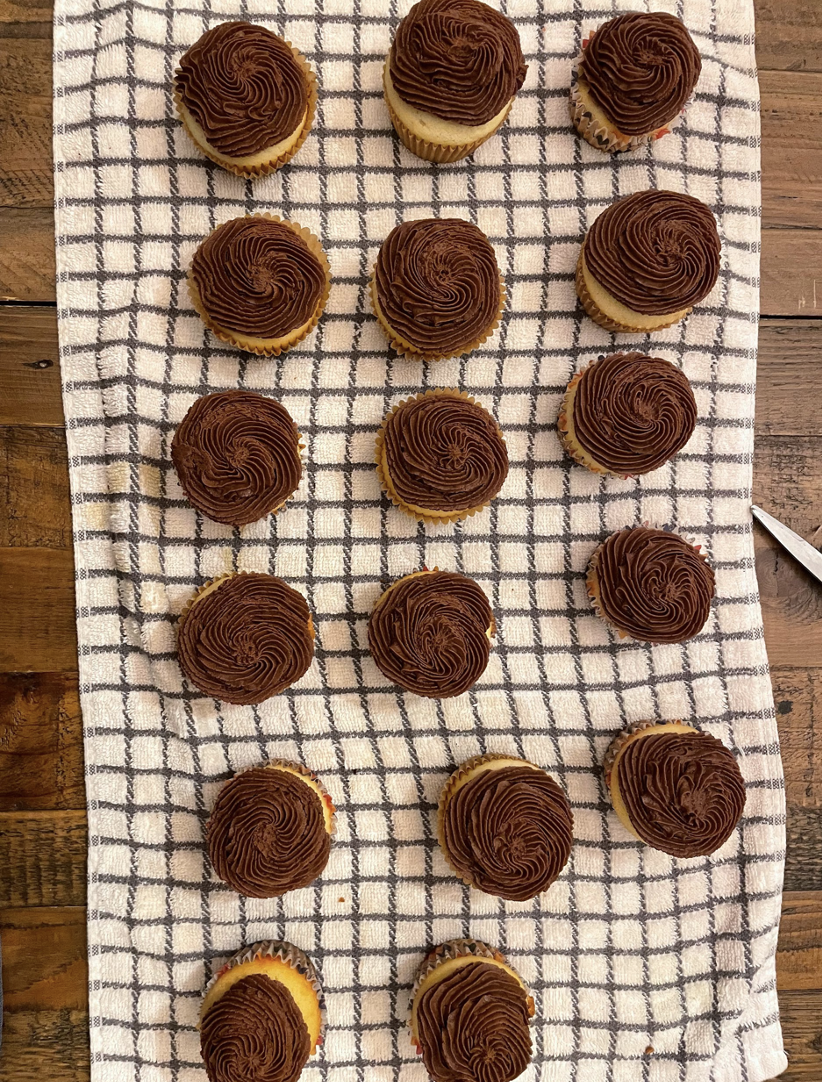
These cupcakes were absolutely divine. The cake was so fluffy and dense at the same time. The frosting was so creamy and the chocolate was so rich. I loved the sweet flavor of the vanilla cake and the frosting went with it perfectly because it was so rich. The two flavors complement each other perfectly.

I made these cupcakes with my friends, and we got the recipe from her grandma. They were very enjoyable to make, and we had a great time. It took us a while to make everything, but it was so worth it in the end. They were honestly the best cupcakes I’ve ever made and I will absolutely be making them again in the near future.

These cupcakes are perfect for any occasion, birthdays, holidays, celebrations, or just for fun! They are perfect for chocolate lovers and are so easy to share with everyone!

I hope you enjoy making these as much as I did! Enjoy!

The history of Bubbl’r

By: Teagan Mack

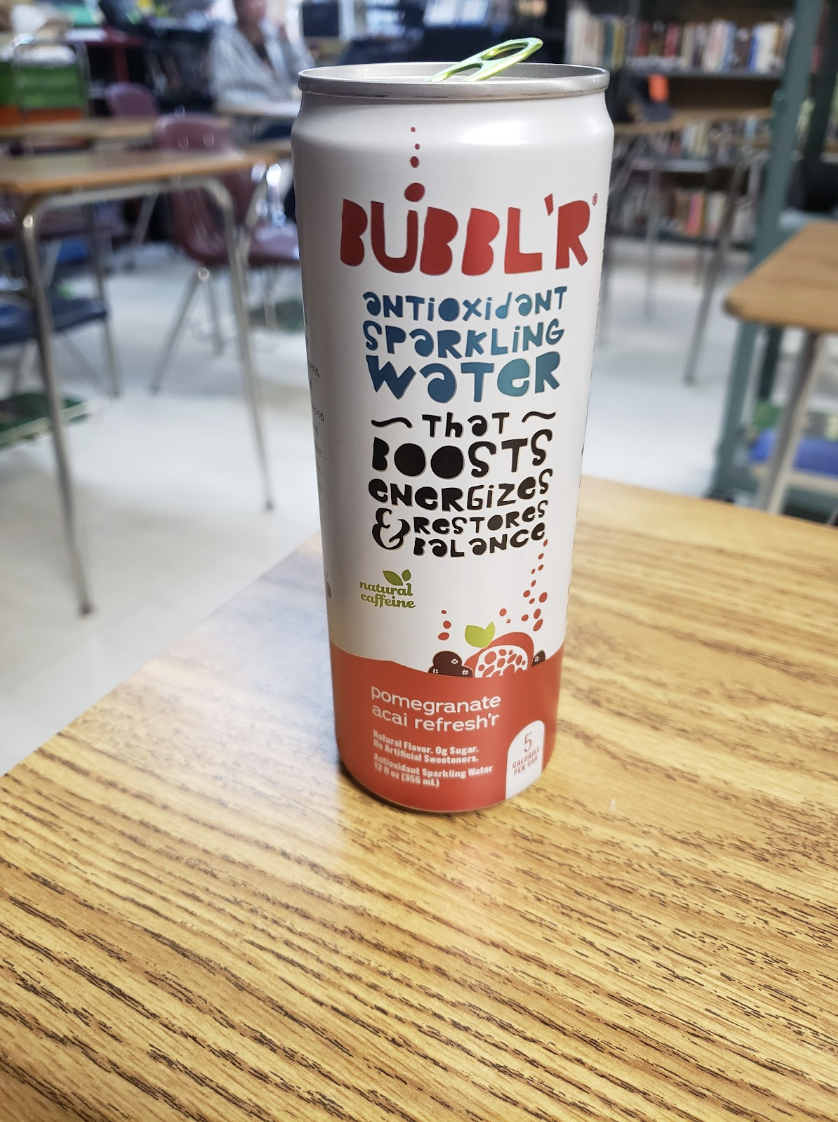
Bubbl’r, a refreshing sparkling water, has become a favorite drink in high schools across the country. But how did this fizzy drink become so popular? Let’s take a look at the history of Bubbl’r and how it went from a simple idea to a beloved beverage among students.

Bubbl’r was created by a company called Bubbl’r Beverages and launched in 2019. The idea behind Bubbl’r was simple: make a sparkling drink that’s not only refreshing but also healthy. They wanted to create a drink that had all the fun of soda but without all the sugar and artificial ingredients. Unlike most sparkling waters, which often taste plain, Bubbl’r added fun, fruity flavors to stand out. With zero calories, no added sugars, and a variety of exciting flavors, it was the perfect alternative to sugary sodas.

From the beginning, Bubbl’r quickly gained popularity, especially among teens. The drink became a hit because it was both tasty and refreshing, offering a light, fizzy taste with flavors like Cherry Lime, Mango Passionfruit, and Tropical Blast. As Ellie Harris remarked, “I love how Bubbl’r have a such diverse range of flavors.”

Bubbl’r also caught the attention of students who were looking for a healthier option to quench their thirst. As more people started to realize the benefits of drinking sparkling water instead of soda, Bubbl’r became a popular choice for students trying to cut back on sugar while still enjoying a delicious drink.

The reason Bubbl’r became such a hit with high school students can also be traced back to its clever marketing. The bright colors and fun, youthful branding caught the eye of teens, and the drink became a social media sensation. Teens shared their love for Bubbl’r on platforms like Instagram and TikTok, helping the brand spread quickly. Its fun design and catchy slogans made it impossible to miss in stores, and soon it was everywhere. Even teachers like Ms. Rise couldn’t help but notice Bubbl’r, “I saw students in my IB Geo class drinking bubbl’r and I became interested about why it was so popular. So I got it and I tried it an I loved it. I love it because it tastes like a soda pop and it’s supposed to be really healthy.”

Another factor that made Bubbl’r so popular is its convenience. The drink comes in easy-to-carry cans, making it perfect for students who are always on the go. Whether they were grabbing a can from the vending machine between classes or taking it to lunch, Bubbl’r became the drink of choice for busy high schoolers. Its simple, fizzy taste made it the perfect companion for after-school activities or study sessions. Just take it from Evie Beaumaster, “It keeps me alive and energized throughout the long days of school.”

In addition to its great taste, Bubbl’r is also environmentally friendly. The company uses recyclable cans, which is something that many students appreciate as they become more aware of environmental issues. Bubbl’r’s commitment to sustainability has only helped it grow in popularity, as more teens are looking for brands that care about the planet.

So, the next time you grab a Bubbl’r from the vending machine or share your favorite flavor with a friend, you’ll know a little more about the history behind the drink that’s become a hit in high schools everywhere. From its simple beginning to its rise in popularity, Bubbl’r has made its mark—and it’s here to stay.

For more information, please visit:

How ADHD affects girls differently than boys

By: Kate Tabor

Image created with ChatGPT

ADHD affects people of all ages and gender, but how exactly do its effects differ based on gender?

Google defines ADHD as “a neurodevelopmental disorder that affects a person’s ability to pay attention, control impulses, and manage hyperactivity”. A lot of the time, when a person thinks of ADHD, they think of younger boys, so a narrative has been normalized to think of that specific group as people who have ADHD.

Although it may be true that a lot of younger kids, specifically younger boys, have ADHD, this narrative can cause other groups of people to go undiagnosed for longer in their life, and cause them to struggle due to their lack of diagnosis.

This is often because while boys struggle with the more hyperactive side of ADHD, girls often struggle with the more inattentive side of it. However, girls with ADHD can still struggle with the more hyperactive side, while boys can also struggle with the inattentive side.

Because of this difference, girls often go longer in their life without being diagnosed, which can cause them to struggle due to not being able to understand themselves, or get help. The average age of girls diagnosed with ADHD is 23, while for boys it’s 7.

Even though it may not seem like it, being undiagnosed can be extremely difficult for girls with ADHD. Not knowing the root of their behavior can cause a lot of frustration, and lead to mental health issues. Being undiagnosed with ADHD can also create a false narrative around someone. Due to their inattentive nature, people might think they’re just very lazy, and not motivated to do their tasks, which isn’t necessarily true.

Boys may often show more externalized symptoms, such as impulsivity and aggression, while for girls it’s more internalized.This could look like daydreaming, and forgetfulness. Girls with ADHD may also be more likely to have co-occurring conditions, like anxiety or depression (what a great deal, right?).

Getting diagnosed with ADHD can answer so many questions someone might have about themselves, and help them navigate their life in order to be successful. It’s also important for teens who are still growing, and whose brains are still developing. ADHD, like any mental health condition, can manifest differently as we grow up, which can be a struggle if you’re undiagnosed.

This is also a reason it’s so great to have a diagnosis. Without one you might look at yourself and be like why am I all of a sudden like this? I didn’t used to be like this! Once you get diagnosed, you can just be like yeah, this is why I’m like this, and I must just be growing up and changing. Now what’s the first step in making it easier for me?

It’s always good to understand yourself. Even if you’ve never thought about it before, if you feel like you may have any sort of mental health condition, it’s at least worth it to find out, and you’ll thank yourself for it.

You’re still you, and there’s nothing bad about it, your brain just works a bit differently than you originally thought.

For more information:

‘To the Bone’

By: Chloe Rocha

*Warning: This article contains details related to eating disorders

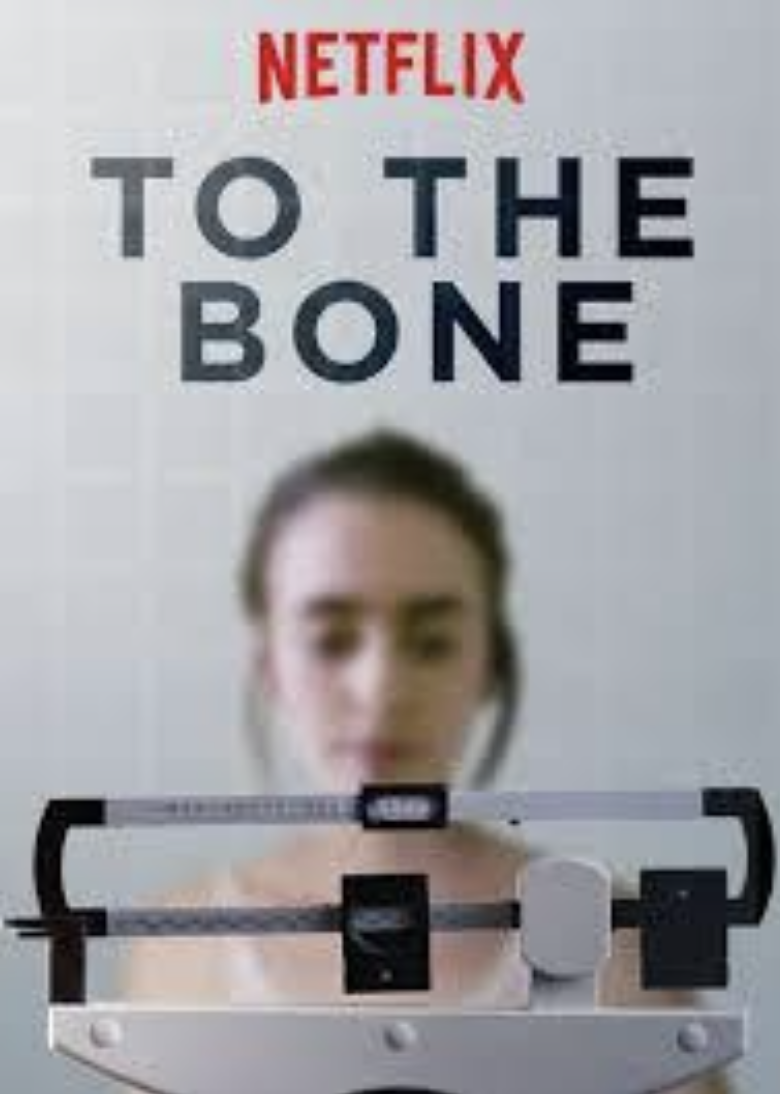
‘To the Bone’ is a movie that was directed by Marti Noxon, and it stars Lily Collins as Ellen who later goes by Eli, Keanu Reeves as Dr. William Beckham, Alex Sharp as Luke, and many other brilliant actors.

This film follows the life of Ellen, who is a 20-year-old woman, while struggling with severe anorexia. Anorexia is a form of an eating disorder which causes the person who is suffering from it to obsess about their weight and what they eat. Ellen undergoes treatment at a recovery home that isn’t like the typical treatment place.

This film was able to portray the raw realities of eating disorders and the tolls it takes on the person and also the loved ones all around them. It was inspired by Marti Noxon’s own personal experience with an eating disorder.

Ellen had been to many other treatment facilities before arriving to the one that she is at during the film. The recovery home had a different approach at trying to help the patients.

Rather than solely focusing on weight gain, like a typical treatment facility for eating disorders would, the one run by Dr. William Beckham, was designed for a more personal approach to battling their illness.

It focused a lot on self advocacy and healing at their own pace. At the house, it wasn’t just a place filled with patients, all of the people who were there, were there for very similar reasons. This created a strong bond between them all. They were more than just a group of patients there, they were all a family.

I think that the fact that Marti Noxon made this movie based on her own experiences with an eating disorder was what made the film such an accurate representation of what it can be like. One example I have is when Ellen’s sister said “I don’t get it, just eat”, those words are what many people who struggle with eating disorders constantly hear. They are told to just eat, and the people telling them this usually don’t understand how challenging it can be.

Doing one simple task of just eating, can feel like a chore sometimes and especially to those who already struggle eating. I found this movie very hard to watch at times, but I think that it is one that people need to see. It shows the harsh realities of eating disorders and it lets people learn what it can be like.

If you or someone you know is struggling with an eating disorder, please consider contacting: https://emilyprogram.com/

Sports schedule for: Apr 7-12

 ATHLETIC EVENTS SCHEDULE: APRIL 7 – APRIL 12
MONDAYAPRIL 7 
TIMEBUS TIMESEVENTLOCATION
    
TUESDAYAPRIL 8
TIMEBUS TIMESEVENTLOCATION
4:00pm2:15pm | 7:00pmTrack and Field MeetWashington Tech
V: 4:00pm JV: 4:00pmJV: 3:15pm | 5:30pmBoys Tennis vs. Cretin-Derham HallV: HOME JV: CDH
4:30pm Adapted Softball vs. OsseoOsseo High School
WEDNESDAYAPRIL 9
TIMEBUS TIMESEVENTLOCATION
V: 4:00pm JV: 4:00pm Softball vs. CentralDunning Field
V: 4:00pm JV: 4:00pmJV: 3:15pm | 5:30pmBoys Tennis vs. HardingV: HOME JV: Harding High School
THURSDAYAPRIL 10
TIMEBUS TIMESEVENTLOCATION
V: 2:30pm   JV: 2:30pm Varsity Boys Golf vs. Richfield and Tartan JV Boys Golf vs. TartanV: Highland National   JV: Highland 9
4:00pm3:15pm | 5:15pmBadminton vs. Como ParkComo Park High School
B: 5:00pm JV: 5:00pm V: 6:30pm Boys Volleyball vs. Como ParkHOME
5:30pm Adapted Softball vs. RochesterDakota Middle School
FRIDAYAPRIL 11
TIMEBUS TIMESEVENTLOCATION
V: 4:00pm JV: 4:00pmJV: 3:15pm | 5:30pmBoys Tennis vs. Como ParkV: HOME JV: Como Park High School
V: 4:30pm JV: 4:30pm Baseball vs. International FallsHOME
V: 4:30pm JV: 4:30pm Softball vs. SimleySimley High School
JV: 5:30pm V: 7:00pm Boys Lacrosse vs. ProctorTwo Rivers High School
V: 6:00pm Girls Lacrosse vs. Duluth MarshallCentral High School
SATURDAYAPRIL 12
TIMEBUS TIMESEVENTLOCATION
    

Sports schedule for: March 31-April 5

 ATHLETIC EVENTS SCHEDULE: MARCH 31 – APRIL 5
MONDAYMARCH 31 
TIMEBUS TIMESEVENTLOCATION
  Boys Lacrosse Begins 
  Girls Lacrosse Begins 
TUESDAYAPRIL 1
TIMEBUS TIMESEVENTLOCATION
JV: 5:30pm V: 7:30pm4:15pm | 9:30pmBoys Volleyball vs. WoodburyWoodbury High School
WEDNESDAYAPRIL 2
TIMEBUS TIMESEVENTLOCATION
1:00pm Boys Volleyball Scrimmage vs. WashingtonWashington Tech
THURSDAYAPRIL 3
TIMEBUS TIMESEVENTLOCATION
6:30pm Boys Volleyball Scrimmage vs. HardingHarding High School
FRIDAYAPRIL 4
TIMEBUS TIMESEVENTLOCATION
    
SATURDAYAPRIL 5
TIMEBUS TIMESEVENTLOCATION
8:00am Varsity Boys Tennis TournamentNorthview Athletic Complex

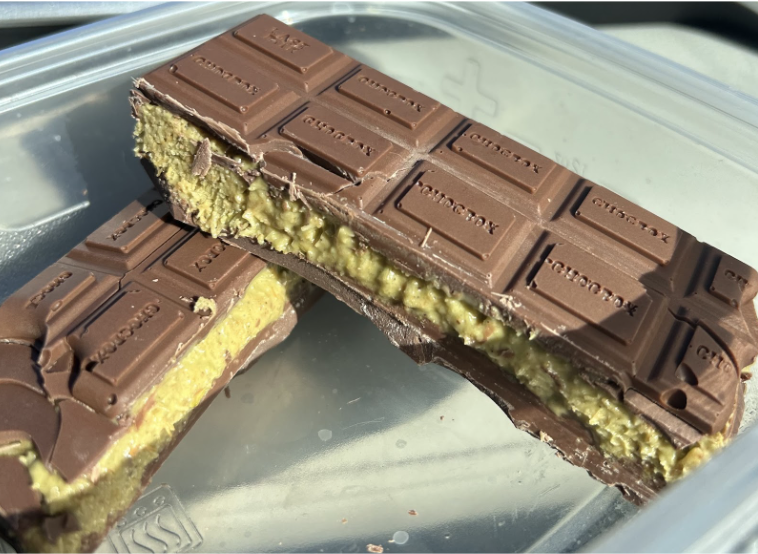
Recipe review: Dubai chocolate bar

By: Austin Bailey-Zimmerman

Ingredients:

  • 2 cups of Kataifi
  • 1 tbls butter
  • 1 cup of pistachio paste
  • 2 ½ cups of milk chocolate

*You can get Kataifi and pistachio paste online and at stores like Golden Nuts

*need a chocolate bar mold*

Instructions:

  1. Roughly chop up the kataifi dough.
  2. melt your butter in a nonstick skillet over medium-low heat, coating the pan.
  3. Add in the chopped kataifi threads and stir occasionally until they become golden brown (about 5-10 mins) and remove from the skillet.
  4. In a large bowl, mix the toasted kataifi with pistachio paste, then set aside.
  5. Melt the milk chocolate in a double boiler.
  6. Spread the melted chocolate on the inside of the chocolate bar mold until it covers the entire bottom.
  7. Freeze for 10 mins.
  8. Spoon the pistachio and kataifi mixture into the mold. Use a knife to flatten the filling and ensure it is spread to the sides of the mold.
  9. Gently add a top layer of milk chocolate to the mold.
  10. Freeze for another 10 mins or until the chocolate hardens.
  11. Enjoy!

Background:

The Dubai chocolate bar is a viral chocolate bar filled with Kataifi, which is tiny shredded crunchy dough, and pistachio cream. It is originally a dessert from Dubai, and is from Fix Dessert Chocolatier, where the catchphrase is “Can’t get Knafeh of it”. The chocolate bar has become a viral dessert in 2024 particularly on TikTok.

Review:

I absolutely loved this recipe. I have been seeing Dubai chocolate all over the internet and I have wanted to try it for so long. I found this great recipe and got a chocolate mold and decided to try it out for myself. My friend and I followed this very easy step-by-step recipe, and the result was amazing!

The chocolate bar was so sweet and the filling was the perfect mixture of crunchy and creamy. The pistachio and chocolate went together perfectly, the flavors balancing each other out. The bar was very big and I could easily split it with my friend.

I got this recipe from https://www.chocolatesandchai.com/dubai-chocolate-bar/ by Sarah Hamouda, and she did a great job making the recipe easy to follow and have great results every time!

I will definitely be making this again, and so should you! I hope you enjoy!

The excellence of this cognitive phenomenon!

By: Maeve Brady

Cognitive dissonance, the beauty of the mind. It’s something we all undergo even if we are unaware of this factor. Now, you may have heard of this term before, but do you truly know what it is? If you do, then I hope this provides an even more in depth explanation of its properties. If you don’t, then buckle up, because understanding this is essential to understanding the way we humans think.

Cognitive dissonance is a basic principle in psychology, in which it is where you know you are doing something bad, yet you still do it anyway. That’s the simpler way to explain it, but in other words, it is when your thoughts of consistency and conformity don’t align with your seemingly inconsistent actions. For example: You are sneaking out at night, and in order to get to your needed destination, you steal your parents car. Now you may know deep down that it’s wrong, but your actions are contradicting your thoughts. Now, like many of our cognitive abilities and senses, cognitive dissonance is said to occur in the prefrontal cortex which is located in our frontal lobe. But it is said to occur not only in the prefrontal cortex, but also within the insula cortex.

Deep within the lateral sulcus, also described as a deep ridge and or groove that is located along the surface of our brain’s cerebral cortex, you will find the insula cortex which is responsible for the regulating and processing of our emotions. According to an article written by Thea Buckly, about a lecture given by Keise Izuma, at the University of York in England, “‘Additional studies have revealed that cognitive dissonance engages other brain regions, such as the insula and dorsolateral prefrontal cortex (DLPFC). The insula, which processes emotions, often becomes more active when people are upset or angry, and the DLPFC is strongly associated with cognitive control.’” This shows us that the insula, as well as the Dorsolateral prefrontal cortex, may have something to do with the feeling of cognitive dissonance.

Although more research concerning cognitive dissonance is only more recently coming out, the theory was invented a while ago. In 1957, Leon Festinger presented the theory of cognitive dissonance, in which he had claimed that the inconsistencies between cognitions may generate this uncomfortable and motivational feeling within you, also known as cognitive dissonance. This justified the outlandish feeling people got when they knew they were doing something bad, going against their thoughts of structure and doing what’s right.

Cognitive dissonance also plays a big role in the process of justification and over-explanation. The concept of dissonance, which is a clash between disharmonious principles, results in people feeling that they can justify their inconsistent behaviors. Or in other words, when cognitive dissonance creates this feeling of wrongfulness and guilt, people tend to cling on to the action of explaining themselves in order to lessen that uncomfortable feeling and satisfy themselves. When the intensity of the dissonance increases, many people become desperate to reduce it, finding obscure and desperate explanations in order to avoid confronting the uncomfortable truth.

In an experiment done by Leon Festinger and his colleague James M. Carlsmith in 1959, they tested the theory of cognitive dissonance. In this experiment, they lied to people saying the experiment was about the effects of a task on an individual’s perception, meaning how a task can affect the way one views a situation and environment. But in reality, they wanted to test if people would justify lying to another person about a task. He paid volunteers either one or around twenty dollars to lie about a boring task being fun. According to Jerry Suls, a professor at the University of Iowa, “The subjects who were paid $20 should not have experienced dissonance, because they were well-rewarded and had ample justification for lying, whereas those paid $1 had little justification for lying and should have experienced more cognitive dissonance. To reduce the dissonance, they reevaluated the boring task as interesting and enjoyable.” This was the accurate prediction of Leon Festinger which demonstrated human behavior when lying and just in general.

This proves that when people are put into uncomfortable situations and feel cognitive dissonance, they tend to find any sort of reason to justify their actions to relieve the feeling. But, when people have a plausible reason to hide behind their lies, then they may experience less dissonance because they have a “reason” not to. All this proves that people may be willing to justify even the worst of actions if it means keeping themselves and others satisfied.

Cognitive dissonance is a common theme in our society because everyone experiences it in their own life. Sometimes, it can be a spur of the moment thing and we may not even realize we are doing so until later evaluation. When we experience cognitive dissonance, some may have this immediate want to relieve the discomfort they are feeling within. This results in the person finding ways to justify their wrong action.

Thank you so much for following me along as I explained the basics of a major part of psychology, cognitive dissonance. I hope you gained more insight to what cognitive dissonance is and how it is a common theme in our society!

For more information, please visit: