Man City found guilty of 115 financial violations

By: Rowan Guiney

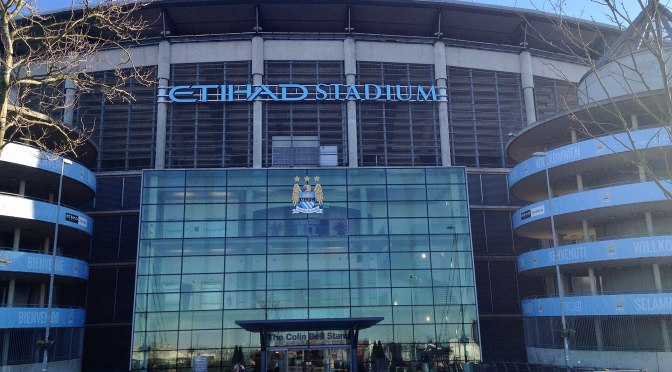
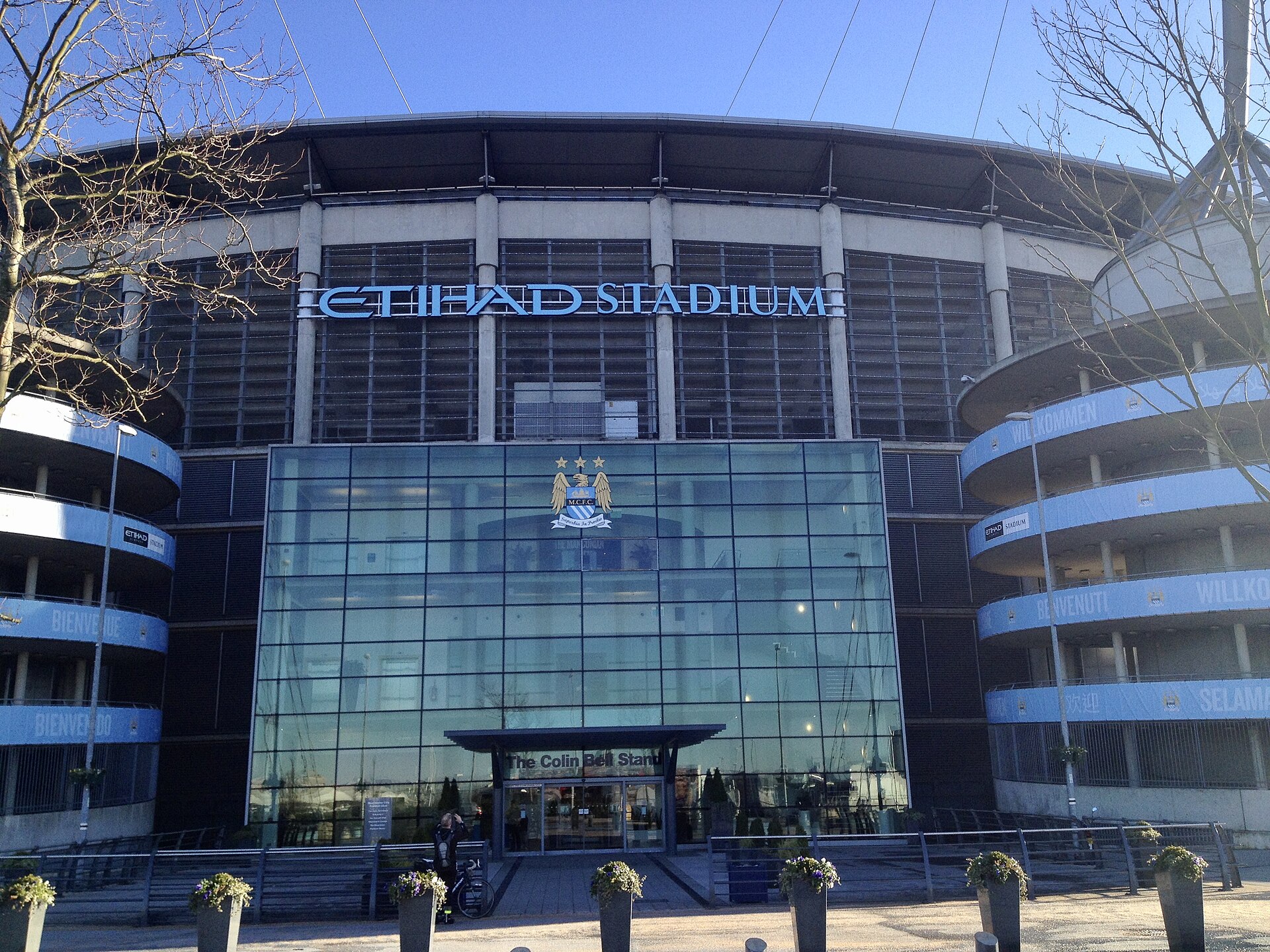
Etihad Stadium, Manchester City Football Club (Ank Kumar, Infosys) by: Ank kumar via Wikimedia Commons

Manchester City Football Club was founded in 1880 and achieved early success, but remained mediocre throughout most of its history. In the late 1960s and early 1970s, the club experienced its first golden era. However, in the late 1990s and early 2000s, Manchester City went through a volatile period, with multiple relegations and promotions. By the mid-2000s, the team managed to stabilize as a consistent mid-table Premier League side.

The club’s trajectory changed significantly in 2008 when it was acquired by the Abu Dhabi United Group, which was led by Sheikh Mansour, who is currently the vice president and deputy prime minister of the United Arab Emirates (UAE). He is also the brother of the president of the UAE. The new ownership immediately began injecting significant capital into the club. Beyond Manchester City, the parent company, City Football Group (CFG), expanded its reach globally by acquiring or investing in 12 other football clubs, including: New York City FC, Melbourne City FC, and Girona FC. CFG uses these clubs to build a global scouting network, develop young talent, and to grow the brand worldwide.

After CFC acquired Manchester City, its revenues surged dramatically, supported by lucrative corporate sponsorships, many of which were linked to companies in the United Arab Emirates (such as Etihad Airways). However, the club faced allegations of “financial impropriety”, specifically that they masked direct owner funding as sponsorship revenue and failed to fully report player and managerial compensation.

According to an article in ‘The Athletic’, in 2019, UEFA opened an investigation into Manchester City. In 2020 UEFA found Man City had breached UEFA FFP rules (financial fair play rules). As punishment UEFA issued a two-year ban from European competitions and a €30 million fine. Manchester City appealed the decision to the Court of Arbitration for Sport (CAS). CAS overturned the European ban and reduced the fine to €10 million, ruling that many of the alleged violations were either “non proven” or “time-barred” (meaning they occurred outside the 5-year statute of limitations permitted under UEFA’s own regulations).

In 2026, the club has been found guilty of 115 charges by an independent commission brought by the English Premier League regarding alleged financial breaches between 2009 and 2018. The club has appealed the verdict. If the ruling stands, potential punishments could range from substantial financial fines and points deductions, to the stripping of past titles or expulsion from the Premier League.

For more information, please visit:
Problems in the Democratic Republic of the Congo

By: Tenley Em

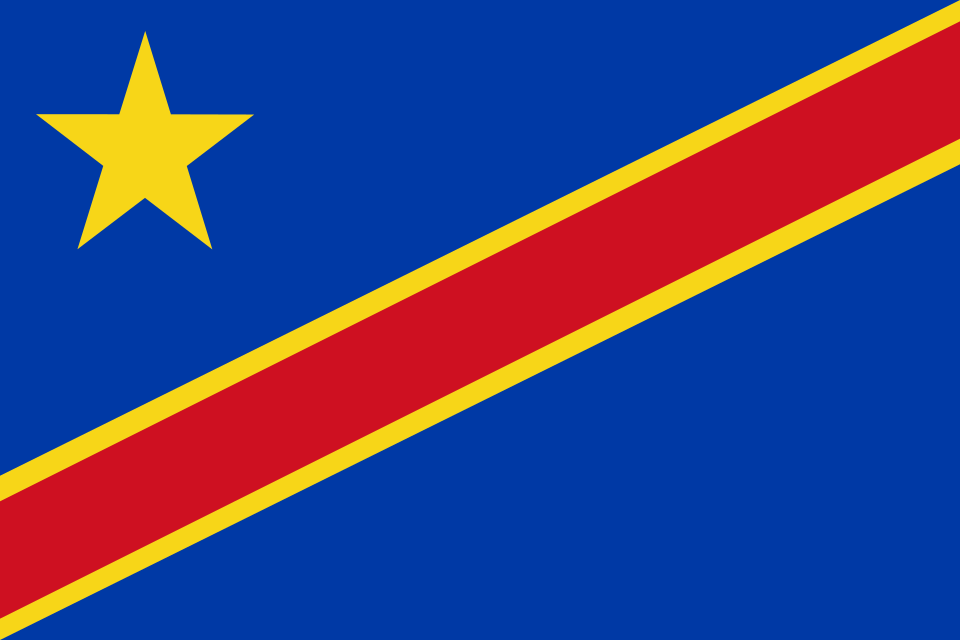
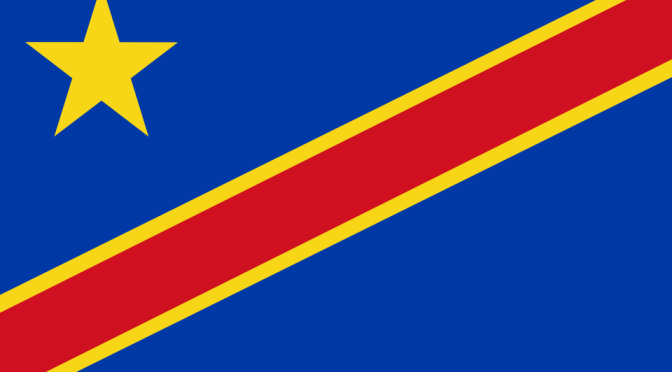
The Democratic Republic of the Congo, also known as the DRC, is a country in Central Africa. It is a country with a lot of natural resources, including minerals, forests, and water.

Even though the DRC has many resources, the people living there still face many serious problems. Some of the biggest problems are conflict, disease, poverty, and not having enough access to things like clean water and healthcare.

One of the biggest problems in the DRC is conflict. There are different armed groups that fight over land and valuable resources, especially in the eastern part of the country. Because of the fighting, many people have had to leave their homes to stay safe. Some families lose their homes and belongings, while others have trouble getting food or finding a safe place to live. Children are also affected because they may not be able to go to school or live a normal life being surrounded by such danger.

Even with the effort to bring peace, an agreement was made but broken just 6 days after. It seemed like neither side wanted genuine de-escalation.

Today, there’s said to be fewer options to negotiate peace. One choice is a military intervention that would force a capable ending to the severe violence happening, making a political option open as a solution as well. Or if it all comes down, acceptance of the continuing violence and war to be normalized, this would include struggle for a large number of Congo citizens. Considering the lack of force being used to stop this, it seems like the DRC is leaning towards the second option.

Disease is another big problem in the DRC. Diseases like malaria, cholera, and measles can spread easily when people do not have clean water or good healthcare. Some people live far away from hospitals or cannot afford the medicine they need. This can make illnesses much more dangerous than they normally would be.

One of the multiple severe diseases that’s spreading rapidly in the DRC is Ebola, only 5 months after the first few cases of Ebola being reported, Ebola had already infected 9,000 people and killed over 4,000. Near a majority of the people who had been confirmed to have the disease have died. The rapid spread of this disease has already moved to seven provinces and is said to be the second largest Ebola outbreak ever recorded.

An issue in the DRC is also poverty. It affects many people in the country. Even though the DRC has many valuable minerals, many people who live there do not benefit from the money made from these resources.

The DRC has $24 trillion in unused mineral reserves, such as copper, gold, diamonds, and vital minerals like cobalt that’s used in batteries in order to power smartphones and vehicles. Yet, in 2024 more than 73.5% of the Congolese population lived on less than $2.15 a day. While its minerals fuel the global economy, millions of Congolese families face hunger, displacement, and disease despite having natural wealth.

Another problem is that many people do not have easy access to clean water, education, or healthcare. These are things that people need in order to live healthy and safe lives. Children especially need schools so they can learn and have more opportunities when they grow up.

Some people struggle to afford food, medicine, and safe housing. The competition over these resources can also cause more fighting and make life even harder for people.

The Democratic Republic of the Congo has many serious problems, but it also has a lot of potential. If there was more peace and people had better access to healthcare, education, clean water, and other basic needs, life could improve for many people. The problems in the DRC are not easy to fix, but learning about them can help people understand what is happening and why change is important.

For more information, please visit: