
By: Calvin Westin
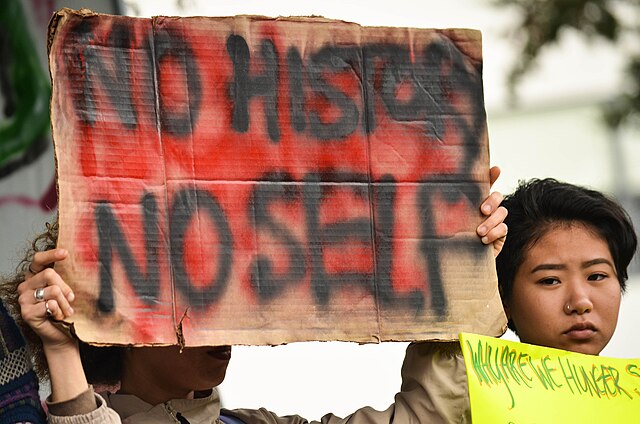
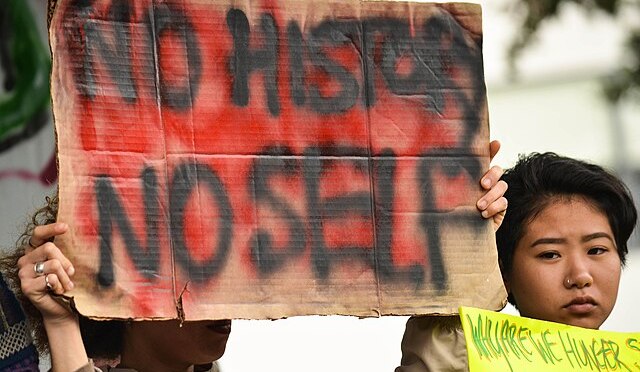
Ethnic studies was created during the longest strike in United States history at San Francisco State College to include marginalized groups and to re-enroll a student who was suspended for political speech. The strike lasted 80+ days and brought many different people from different backgrounds together, for example: Black, Asian, Latinx students, the Black Panther Party, the Third World Liberation Front, and many more. This strike led to the spread of ethnic studies across the country. The strike reformed the curriculum where white culture was dominant and changed how American colleges showed diversity.
At Highland Park Senior High School, Critical Ethnic Studies is taking these ideas and making them real for us right now. Instead of just reading out of a textbook, we get to see the actual stories of people from our communities whether that’s local, statewide, or internationally. In a city where 50% of the population belongs to minority groups, it is important that the things we do in school are current and reflect our communities. We learn about indigenous people in Minnesota, the history of Rondo, and the struggles of Hmong and Somali families who moved here. It’s different from a regular history class because it focuses on the deeper parts of history. We learn about systematic racism but also how people have practiced resistance against it.
This class at Highland Park is helping us become better at thinking for ourselves instead of just memorizing things. For example, we look at the 1969 San Francisco college strike and connect it to things that are happening in our world today. It also makes you realize that speaking up is important and your voice matters and that you can be part of making a change. By focusing on marginalized groups, the class shows us that all history is worth learning. It is one of the only classes where you can see and compare yourself in the lessons and understand how you and your family fits into the history of the US. Critical Ethnic Studies is not just about learning the past but instead it’s giving us the opportunity to understand our own lives and respect the people who came before us.
 Plaid Line + PRIZM + Scottie News