
By: Merob Geleto
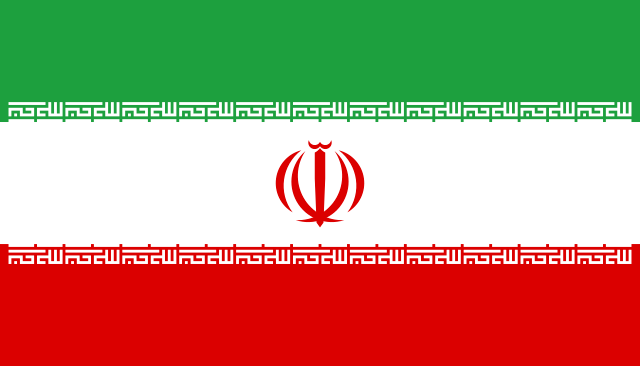
The escalating conflict between Iran, the U.S., and Israel has now exploded into a full-on war, triggered by the U.S.-Israeli strikes on Iranian military sites, air defenses, and government infrastructure on February 28, 2026. The Supreme Leader Ali Khamenei was killed during the opening wave of strikes. There are still on-going military actions, 10 other Middle East countries have gotten involved with the conflict because Iran was targeting US military bases that were stationed in those countries.
Iran and US tension has been going on for a long time now. This conflict even dates back to the 1950s. In the early 1950s, Prime Minister Mohammad Mosaddegh nationalized the Iranian oil industry. Fearing that Iran may now lean towards the Soviet Union or the loss of oil would destabilize the West, the CIA and British intelligence orchestrated a coup. The US gave power to Shah Mohammad Reza Pahlavi who was a loyal ally to the US and the West. The Shah launched a series of aggressive reforms to modernize the country. This led to economic growth and increased women’s rights but it also involved the use of SAVAK (secret police) to eliminate dissent and rapid westernization. Many Iranians were against this new, pro-Western monarchy.
The 1979 Islamic Revolution in Iran was caused by economic inequality despite the vast oil wealth, the SAVAK, and the religious backlash. Large-scale protests and strikes broke out across Iranian cities. When the Shah realized he had lost control of the country and the military, he fled into exile. Iran went from a pro-Western monarchy to a theocratic republic. Khomeini, who was exiled during the Shah’s era for saying that the Shah was destroying Iran’s Islamic identity, had come back and became the “Supreme Leader”. Strict Islamic codes were implemented like mandatory veiling for women, banning Western music, and alcohol. Iran was a key US ally and then became a fierce adversary which peaked during the Iran Hostage Crisis. This war was not all of a sudden but was a growing conflict since the Cold War.
The ongoing conflict in Iran has caused global oil prices to rise, driving gasoline prices to their highest since 2023. The fighting threatens a crucial waterway for global energy shipments, the Strait of Hormuz, which carries about a fifth of global oil supplies. Since the start of this, Brent crude prices jumped from $60-$70 per barrel to over $100. In the United States, the price of gasoline has risen almost 25%. This war will only worsen and so will our gas prices.
For more information, please visit:


 Plaid Line + PRIZM + Scottie News