Tag Archives: News

Liam Payne tribute

By: Priya Anderson & Ruby Anderson

Screenshot of Zayn Malik’s Instagram tribute

From an English town in West Midlands, England, and born on August 29th, 1993, Liam Payne was an English singer-songwriter, and father. Best known as a member of One Direction, Payne’s life is a testament to the power of superstardom, and the beauty of talent.

One Direction, which is one of the best selling boy bands of all time, needs no introduction. The story of how it came to be is a classic amongst Gen Z. Liam Payne was the first member to audition on ‘The X Factor’, a British talent show. He was also the first to advance through the first round, but was cut at the ‘boot camp stage’. Simon Cowell, who would manage and form 1D, brought Liam back. Liam was cut again, but Cowell saw something in him, and encouraged him to come back in ‘2 years’.

2010 was the year it all changed. After returning to their show, Liam was paired with 4 strangers: Harry Styles, Niall Horan, Louis Tomlinson, and Zayn Malik. They gained popularity extremely fast. Placing 3rd place on the show, they were signed to Simon Cowell’a ’Syco Entertainment’. From there, history was made. From songs like, “What Makes You Beautiful”, “Live While Were Young’, “Best Song Ever”, and countless other hits, 1D was sent into the stratosphere, and never really came down.

At a very young age, Payne was touring all over the world. Anywhere from North America, Asia, Oceania, and Europe, Payne was living the superstar’s dream. But this type of fame at a young age would take a toll on anyone. Payne struggled with substance abuse and mental health issues for many years up to his untimely death. After 1D separated in 2015, Payne always maintained his hope for a reunion. The group’s success was so monumental, so intense, all the members continued to have a special relationship with one another, even after falling out.

Payne released his first hit single in 2017, “Strip That Down”, which reached the top 10 on the Billboard Hot 100 charts. Payne then released a subsequent album, ‘Bedroom Floor’, and a planned second studio album was in the works for 2023-2024. Payne delved into themes like sexuality, and explored the R&B style he would be known for. Payne was also an extraordinary writer, co-writing almost 30 songs for 1D, and many other artists. Also skilled in coming up with melodies, Payne’s rich voice was perfect for capturing the right tune.

With his singing talent, Payne utilized his fame for good, and was a philanthropist for many organizations. He supported BBC’s children in need fundraising efforts, Comic Relief, UNICEF, and was an ambassador of sustainable development. During COVID, Payne helped fund over 60,000 meals in the Trussell Trust. Prior to his death, Payne donated thousands of pounds to various GoFundMe pages.

Many things could be said about Liam Payne and fame in general, but what is known is the need for people to take mental health and substance abuse seriously. On October 16th, 2024, Liam Payne died after falling from a third-floor balcony in Buenos Aires. He was 31. This has raised concern about the music industry, media, and adolescent fame. Shortly after his death, fans and friends paid tribute to him. Fans gathered outside of the hotel the day he died, lighting candles and mourning the loss of the pop star. Fan memorials took place all over the world, such as in Mexico, UK cities, and NYC.

All members of 1D wrote eulogies about their friend, and posted them on social media alongside pictures with Liam. One of the most poignant quotes was from Zayn Malik, a band member who was close with Liam. Zayn stated, “I lost a brother when you left us and can’t explain to you what I’d give to just give you a hug one last time…”. Several other celebrities also paid tribute, including Simon Cowell. Liam’s death was a tragic accident, and a circumstance of immense fame. Not much is known about his death, and what’s best now is to appreciate his life and legacy. When 1D finally reunites, Liam’s place will always be cherished in the hearts of many.

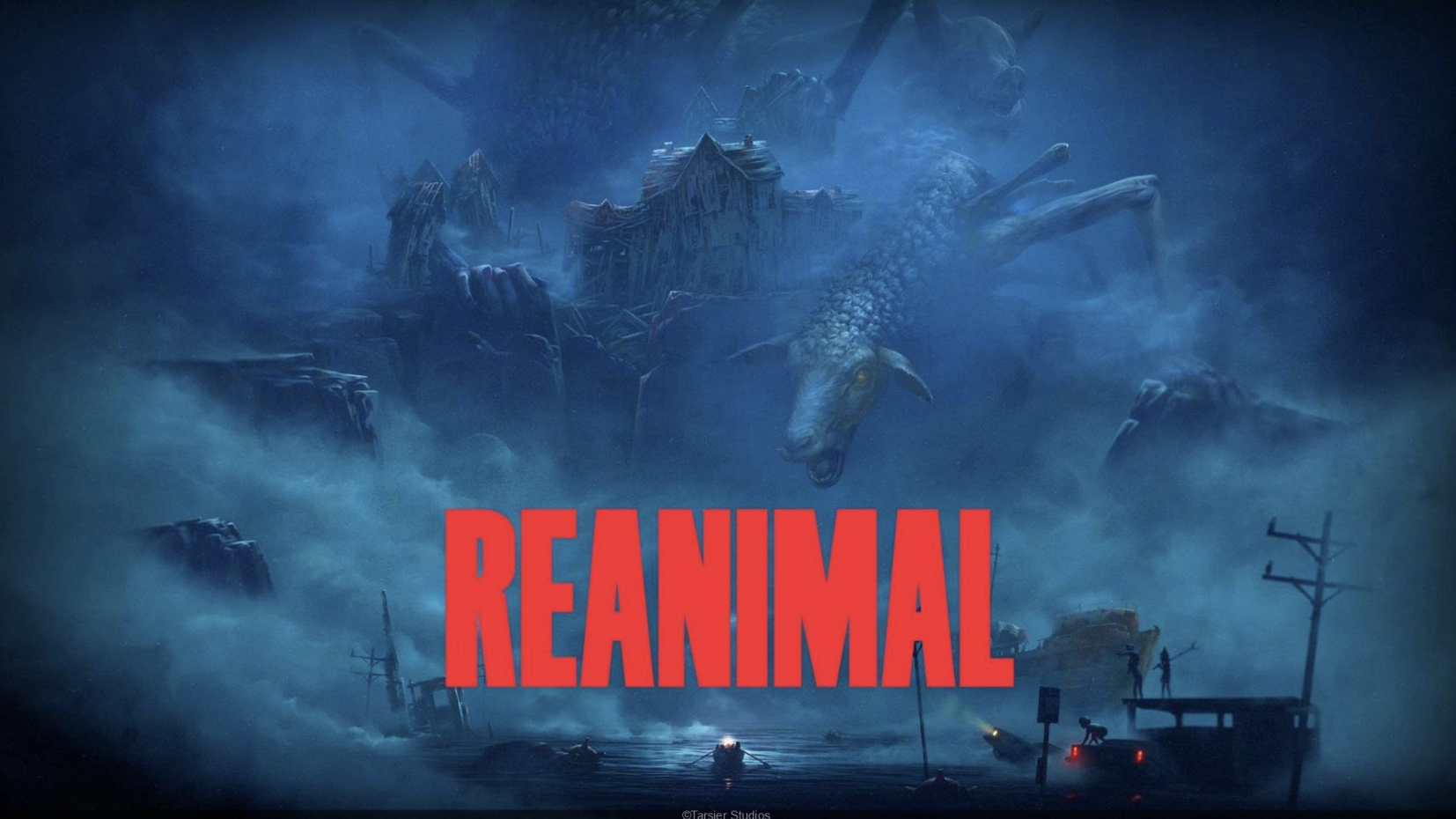
The upcoming ‘Re:animal’ game

By: Julia Yang

Warning: This game will contain extreme gore, discomfort, breaking bones, bodies moving in unnatural ways, disturbing noises, and a variety of horror elements. This is a horror game being created for mature audiences.

Some may know about the ‘Little Nightmares’ franchise, but what if I told you that the same company was planning to make an even more terrifying, gory, unsettling, horrifying game?

This game I’m talking about is called ‘Re:animal’. Not much is known about this game as it just began its pre-alpha phase in August, but everyone who knows about it is absolutely psyched. ‘Re:animal’ takes the scary factors of ‘Little Nightmares’ and enhances them ten fold. ‘Little Nightmares’ was targeted to teens, so gore and terrifying stuff like that wasn’t really allowed, but ‘Re:animal’ is targeted to more mature audiences who are able to take that kind of horror.

In ‘Re:animal’ you play as a little girl— or a little boy! This game is co-op! You can be scared out of your mind with a friend, how thoughtful of them.

The story we know so far about the game is that you reside in an orphanage with all of your friends, but the orphanage— and overall world it seems like, is populated by monstrous animals. Animals like pigs with their guts hanging out, sheep with unnaturally long necks and legs like a spider, even possibly humanoids with animals for heads! Your goal seems to be to escape this dreadful area with all of your friends and make it out alive.

As I said before, this game isn’t holding back, unlike ‘Little Nightmares’. If you’re looking for a gory and disturbing game to look forward to, then ‘Re:animal’ is the game you’re looking for!

This game has not gotten any more news besides what I have said in this article, including the release date. Like I said, this game is still in its pre-alpha phase, so it will be a long while before it’s released to the public officially!

Soon, you’ll find it on the PlayStation 5, Microsoft Windows, Xbox Series X and Series S.

Announcement Trailer:

https://youtu.be/mUymvhAXOnM?si=BmJI_LInL4rkwOPn

10 minutes of Pre-alpha gameplay:

https://youtu.be/ou9THu2g3I4?si=jYJFABAppG2cJjKp

Lawyer X

By: Baarika Suresh

In an effort to try to bring certain legal cases to light, this is the 1st of a possible series of articles on cases that deal with legal ethics.

Cover of a book that was written about this case

A scandal like no other, Lawyer X was a royal commission in Victoria, Australia created to examine the actions of Nicola Gobbo and the Victorian police working as a lawyer and acting as a registered informer. The police fought hard to keep Gobbo’s identity a secret and she was a target for the clients she defended, but also did not want to jeopardize their high profile convictions. The scandal took many years to play out, and left the premier of the time, Daniel Andrews, with no choice but to call a royal commission into the events.

In response to the royal commission judgment by Ms. Margaret McMurdo it was revealed that Lawyer X received 3 million dollars plus other payments from Victoria Police for providing information about her clients whilst she was representing them. McMurdo found that police “tolerated bending the rules to help solve serious crime” and that the police claimed that the reason they waited to get legal advice on Gobbo was because “they did not want to be told they could not use Gobbo the way they intended”.

The fact that Gobbo was representing her clients while also informing about them clearly violates attorney client privilege, making most of the cases an unfair trial. She made a name for herself during the Melbourne gangland killings, but was first registered as an informer when she was just a law student, giving the police information about her drug dealer boyfriend/housemate. She was also a registered informer on a colleague who she claimed was laundering money.

This brings the question of ethics to mind: Where is the bar set that violating attorney client privilege is ok? In response to the royal commission, policies were discussed requiring those who might come into the possession of legally privileged information, to be approved by the Victoria Police ethics committee before being registered as an informer.

In total, the royal commission heard from 82 witnesses, including over 50 police officers during the 129 days of hearings. The full transcripts of the royal commission are available online.

For more information, please visit:

About Hurricane Milton

By: Siri David

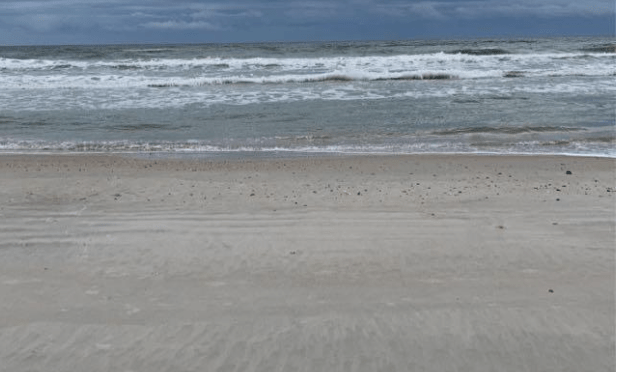
Florida coast Photo credits: me

Hurricane Milton is affecting the environment and people all over the world. Hurricane Milton hit Florida’s central west coast on October 9th. It was marked as a category 3 hurricane. It had winds up to 120 mph. Earlier Wednesday morning the national weather service found at least around 4 tornados on the south west coast of Florida. This all led to a massive category 5 storm on October 7th with winds hitting speeds of 180 mph. Milton rained so much in areas of Floridas that it is qualified as a 1 in 1,000 year rainfall event.

Hurricane Milton has affected so many people. Over 3.2 million people have lost power in Florida. There have been at least 14 deaths confirmed since the storm has passed through Florida. Many people have lost their homes and all their belongings. Which leads to lots of people being homeless now. A lot of small companies were also destroyed which led to job losses, because not everyone can recover all of that damage. There were 1,200 people rescued by the National Guard. A total of around 6,500 troops were asked to come into work.

The hurricane also left a large effect on the environment. It killed many animals and destroyed a lot of their ecosystems. This causes them to not be able to repopulate as well because their environment has been ruined. Another thing that affects the environment is with all of the things being destroyed, all of that trash is being spread all over, so that isn’t good for the environment either.

This hurricane is something that will change our country forever, so here are some ways you can help. If you are someone who doesn’t live near states that were affected you can donate to foundations and help raise money. There are a lot of organizations that are taking donations, just make sure you do your research to make sure you don’t get scammed. If you do live near states that were affected you can sign up with the Red Cross to become a volunteer or could work to make meals and help get homes for people through other organizations.

To recover from a disaster like this everyone needs to participate to help the people and the environment. It takes all of us.

Staff editorial – Phthalates, the controversial chemicals with the weird name

Cosmetics have become a prominent part of American culture, so much that few of us stop to think of the repercussions of constant usage, or even consider what exactly we are welcoming into our bodies. When I surveyed 280 Highland Park students, 79% admitted to not reading the labels before buying or using a cosmetic or beauty product. This is basically condoning the use of potentially harmful chemicals in our cosmetics. Now is the time to get informed and to stop this mindless consumption.

One particular group of chemicals, known as phthalates, have been in the news a lot lately. Of the students I surveyed, 95% responded “no” when asked whether they knew what phthalates were. Many have never heard of them, but everyone is likely to come in contact with them daily. Although these chemicals have been banned from products in the European Union, phthalates are still used heavily in American products. A study by U.S. Centers for Disease Control and Prevention tested 2,500 individuals and found 97% had molecules of at least one type of phthalate in their bodies.

Phthalates are a group of chemical compounds that are clear and oily, and used in almost everything from children’s’ toys to blood storage bags in hospitals.  Phthalates, or “plasticizers”, soften the texture of plastics and cosmetics. They also cling to skin, which allows products to last longer and retain scent or color for more time. A rule of thumb to go by is that basically any product with a fragrance, be it deodorant, perfume, body wash, or lip-gloss, is likely to contain phthalates. Of the students I surveyed, 95% said they use cosmetics or beauty products including shampoo, deodorant, and lotion on a daily basis.

So what could this cost us? Research on phthalates is varied. Phthalates are a possible carcinogen, meaning that research shows that they are related to cancer. They increase the amount of breast cancer cells in women’s’ bodies and they are endocrine disruptors that offset hormone balance, causing early puberty and breast development in girls. Two pediatricians, Dr Shanna Swan, an epidemiologist, and Doctor Howard Snyder, a urologist at Children’s Hospital in Philadelphia both studied baby boys and the relation of chemicals to abnormalities in their hormones. Dr Swan found that baby boys that had more reproductive organ problems and low sperm and testosterone levels consistently had mothers with higher levels of phthalates in their urine at the time of pregnancy. These developmental problems relate to reproductive organs, and low sperm and testosterone levels in adult men as well. Dr Snyder links hypospadias, a condition that has tripled in the last forty years, to chemicals, especially phthalates.

On a container, phthalates are labelled as DEHP, DBP, DMP, MEP, and most commonly, DEP. However, even if none of these chemicals are listed on the product, it may still contain phthalates due to loopholes in the law regarding product ingredients. Companies are not required to state ingredients in their trademark “fragrance,” so there is no way of determining if a product is completely phthalate-free.

According to the Food and Drug Administration and the Consumer Product Safety Commission, there is not enough solid scientific evidence that points directly at immediate negative outcomes of phthalates to spur legislation. Companies say that phthalates are relatively safe and pose no health risk. A prime concern is that if phthalates were banned, a substitute would have to be developed that would be new and untested, which could potentially be even more toxic. Furthermore, companies insist that phthalates are not harmful unless used in high dosage, and the small phthalate content in their products isn’t truly harmful. However, in 2008, congress passed a bill that outlawed phthalates in children’s toys, which seems to indicate differently. This legislation doesn’t seem to support the notion that phthalates are entirely safe.

The phthalates debate has still not yet been ended with conclusive data. Regardless, it is good to be informed. Because of the controversy, it would be safest to choose products that do not contain phthalates. It falls to the consumer to decided what they do and do not want in a product. Say no to phthalates by not buying products that clearly contain phthalates, at least not until more conclusive research is done.

Also, remember that phthalates are not the only potentially unsafe chemicals that find their way into our cosmetics. As the consumers, we have the power to change this.

To learn about skin products with safe ingredients visit: http://www.ewg.org/

Staff editorial – A world debate in Minnesota: Mining and the environment

NOTE: The following article won 3rd place in a contest put on by Young Reporters for the Environment.

It might seem as though the controversy over proposed sulfide mining plans in the Northeastern region of Minnesota doesn’t directly affect high school students. But in reality, this is the generation that will be feeling the effects of any decisions made, so it is crucial that we are involved in this process.

Recently, PolyMet, a Canadian corporation hoping to begin mining in 2016, released the Environmental Impact Statement of the proposed mine. The environmental review has received over 40,000 comments on a public comment thread. For those in support, the resulting economic growth and job creation are incomparable, while those opposed raise concerns about the environmental impact.

Sulfide mining, also known as hard rock mining, is the extraction of minerals like Minnesota’s vast reserves of copper, nickel, cobalt, and platinum from sulfide ore. Polymet workers estimate that the Duluth Complex in Northeastern Minnesota’s Mesabi Iron Range has 4.4 billion tons of minerals. The plan projected by PolyMet is to reuse existing infrastructure from Erie Plant, a 1957 taconite processing facility.

The proposed mine is in an ideal location of economic need. As stated by Ely resort owner Joe Baltich at a public hearing of the Polymet proposal, “I’m in the tourism industry, and I certainly don’t want to shoot myself in the foot. But we’re losing businesses right and left. We have 360 properties that are for sale, and no one is buying… We’re going to lose our schools, our grocery store. We’re going to lose everything, and it’s my hometown.” Baltich, and many others, support the mining project because they believe it could mean increased jobs and a revitalized Minnesotan economy. PolyMet estimates that mining could generate 360 jobs, and hundreds for construction workers, for 20 years. The University of Minnesota-Duluth calculated the mining would produce over 550 million dollars per year, clearly an economic stimulant.

Proponents of Minnesotan sulfide mining also emphasize the positives in obtaining metals locally, reflecting a problem that the United States as a whole faces: dependence on foreign minerals. Mining nationally has been promoted to reduce international dependence, and allow us to more closely monitor conditions for miners and for the environment where the metals are extracted, which are often unsafe due to few regulations. This Minnesotan mine could be a step away from foreign dependence and towards a self sufficient America.

But it isn’t this simple. The Great Lakes contain 18% of the world’s fresh water, and mining could be a threat to this valuable resource. 99% of the rock that is unearthed is waste rock or sulfides. When the sulfides are exposed to air and water, the waste could be subject to acid mine drainage, which would create sulfuric acid. This acid could be a potential pollutant for water, as well as for wildlife and fish. Water is difficult to contain and to treat, and the interconnected water systems in Minnesota are a concern if any pollution were to occur. Minnesota isn’t the only state that has undergone mining turmoil. “Other states have suffered because their leaders saw dollar signs when they should have seen question marks. Leaders believed promises that the mines wouldn’t pollute, but ignored all the times those promises had been broken,” stated Friends of the BWCA Executive Director Paul Danicic, in a Minneapolis Star Tribune editorial, referring to pollution in Colorado, Montana, and South Dakota mines. According to the project Mining Truth, there has not been a single sulfide mine that has not polluted.

Furthermore, environmentalists claim the PolyMet plan is riddled with gaping holes. The water treatment after the project could last for 500 years or longer in cases of high levels of pollution. Scott Helgeson of Bloomington spoke at a public hearing on January 28, stating, “What prevents [PolyMet] from going bankrupt 30 years from now and saying, guys, we just can’t pay the bills anymore. Are we insane?” Helgeson’s concerns echo those of taxpayers across the state. The cost of cleanup after the mining is complete could thrust Minnesotans into an economic deficit. For some, the risk of a costly cleanup outweighs the prospect of economic thriving for twenty years.

Of course, the economic gain could be very substantial, but here’s the question Minnesotans are asking: is any amount of money worth putting natural beauty at risk? The solution isn’t clear cut. Minnesota is undisputably host to a plethora of natural minerals, something Minnesotans should be able to harness to economic advantage. However, we need to know how to do this correctly, without environmental harm as a stipulation. Mining could leave Minnesota’s next generation–our generation– in an economic deficit. So we need to be involved. Aaron Klemz, communications director for Friends of the Boundary Waters Canoe Area, in a personal interview March 10, stated,

“When regulators know that tens of thousands, and hundreds of thousands of people are watching their decision-making process, they make better decisions, because they have to actually know that they will be held accountable for what’s happening. Part of it is about being involved in the process, and part of it too is making sure the DNR understands that Minnesotans want to preserve our water for the next generation, because it is probably our greatest natural resource.”

The Minnesotan debate is bringing to the surface decades of dispute that pit mining against the health of the environment. Japan, Spain, Peru, and Indonesia are only a few examples of the many countries dealing with mining pollution. Our world depends on minerals to make products, and countries need the money from this international trade. Together, we are going to have to work to find a balance to eventually obtain them in a safe manner, or risk trashing our environment.

Minnesota is going to be a leader, but whether for a successful or destructive sulfide mining project or an environmental victory, is a choice that Minnesotans are going to have to make.

IMG_1425

(Boundary Waters photos courtesy of Karl Boothman)