Tag Archives: nature

Glimpse of summer

By: Alayanna Bouwens

A collection of 5 photos that perfectly capture the nature and beauty of the 2025 summer.

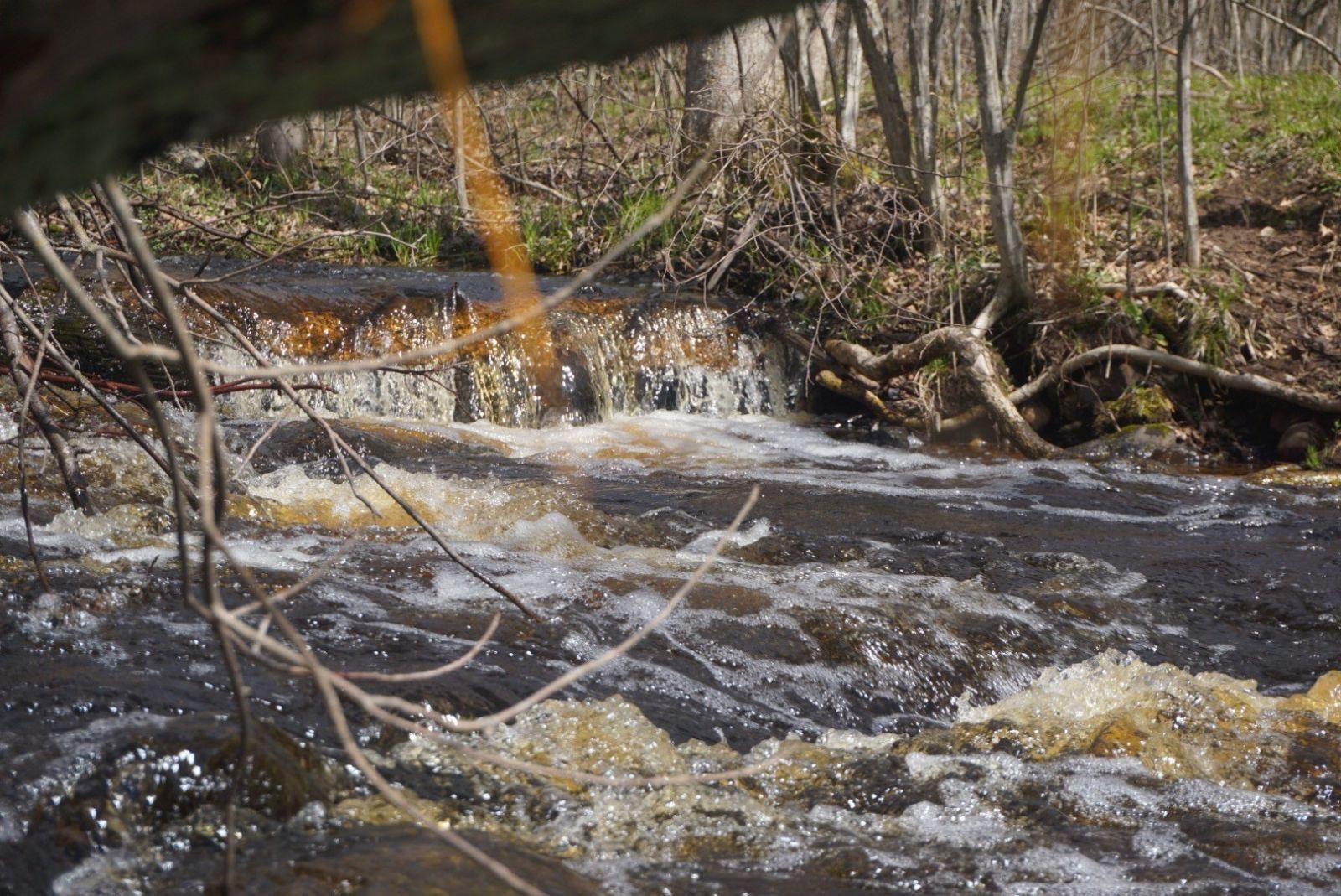
Forest cascade

This photo captures the tranquility of a small undisturbed forest waterfall. This photo was taken down current underneath a fallen tree that stretches over the stream.

Cluster of purple

This close up on a cluster of flowers really captures the vibrant color and details of each small petal. This photo was taken on a small hiking trail in Wisconsin.

Embers in motion

This close up of a fire really captures the layers and vibrancy of a flame. The photo is of a campfire fire and was taken in a small campground in the Boundary Waters.

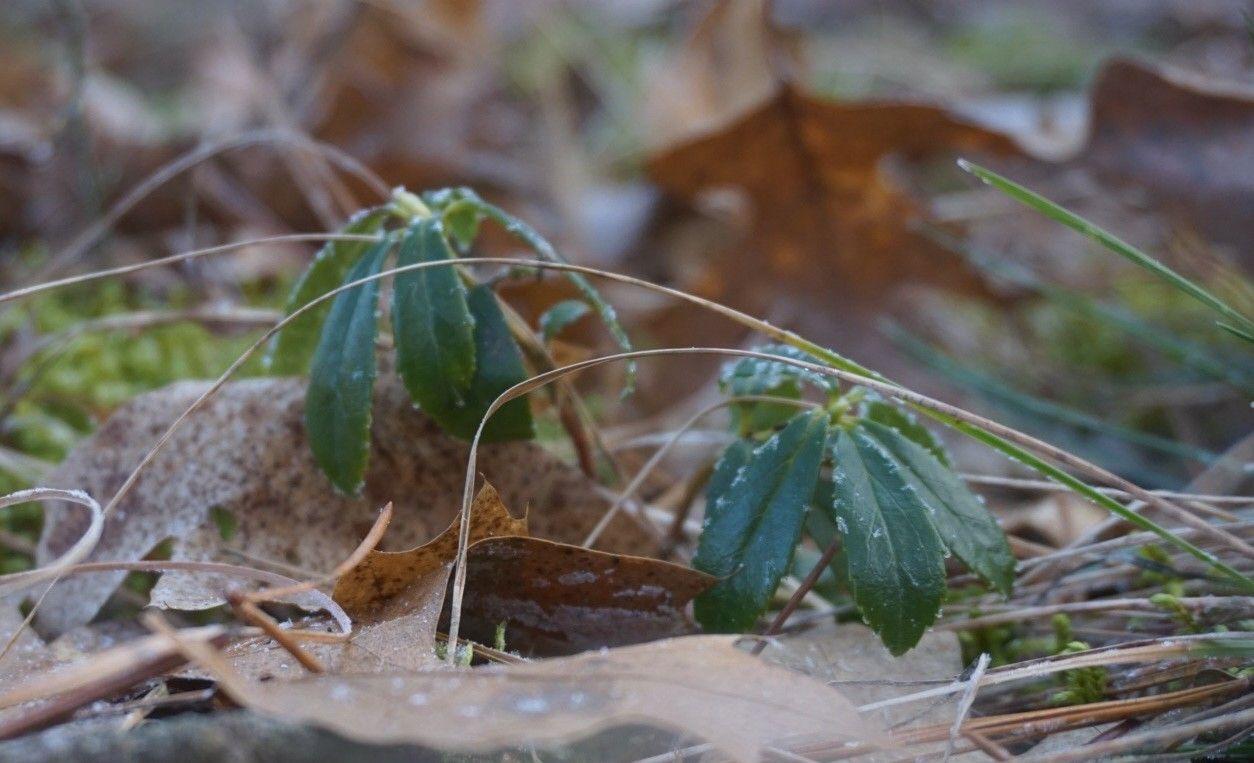
Morning frost

This photo captures the details of a morning frost on the forest ground. This photo was taken on a small hiking trail in Wisconsin

Sunset on the lake

This photo captures the orange and pink of a sunset as well as its reflection in the water. This photo was taken at Thatcher Lake in Wisconsin.

Elephants

By: Maya Song

Image by Byrdyak via Wikimedia Commons

The elephant is one of the largest mammals on earth. Elephants live across Africa and Asia and are very popular sightseeing animals. There are approximately 415,000 elephants in Africa and 40,000-50,000 elephants left in Asia. It is estimated that there were once 20 million elephants in just Africa and an estimated number of 26 million on the whole earth. The elephant’s population is continuing to decline because of causes like habitat loss, and poaching, which is also known as illegal hunting.

The elephant’s habitat is very large, they can live in places like forests, savannas, deserts, wetlands and grasslands. Most elephants just need areas with a lot of space as they are very large. They also need their food and water; the elephant is a herbivore and eats food such as grass, bark, leaves, fruits, and roots. An elephant can feed for up to 12 hours and eats over 100 pounds of vegetation in just one day.

When the elephant is pregnant the baby elephant also known as a calf stays inside the mother for about 22 months which is one of the longest gestation cycles. After the calf is born its mother and other elephants in the herd will help the calf stand up as baby elephants are able to stand up a few minutes after birth. When the calf reaches the four month mark they start to eat things besides their mothers milk but will continue to drink its mothers milk for up to two years and can drink 3 gallons a day.

Elephants are social animals and will travel in herds. Most elephant herds are large families that include members over multiple generations; and usually they travel with these same herds for the entirety of their lives.

Elephants usually live around 60-70 years, they usually die because of starvation or a disease called anthrax. Annually there’s a range from 40,000 to 70,000 elephants dying.

For more information, please visit:

Capybaras

By: Maya Song

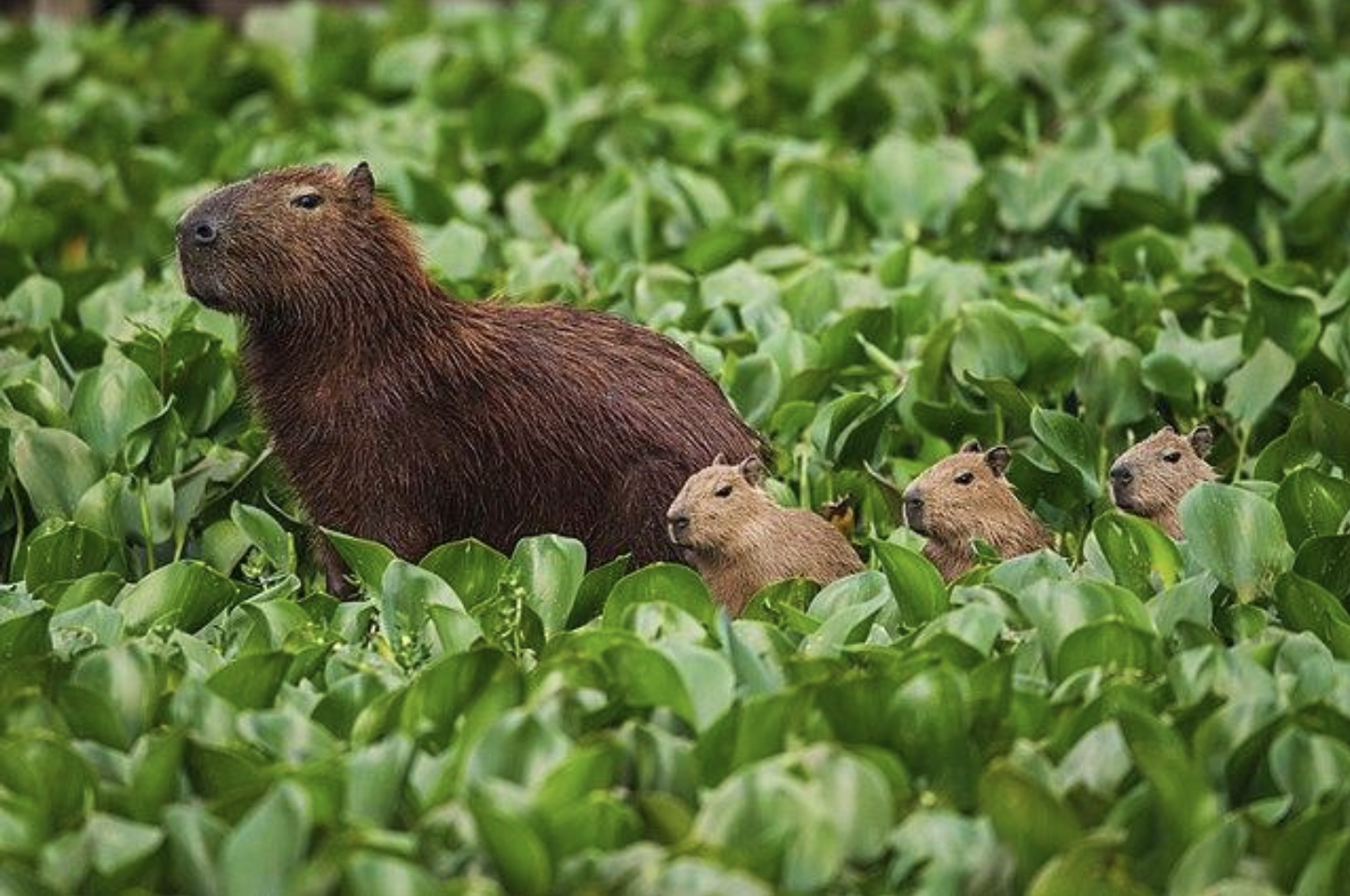
Image by Clodomiro Esteves Junior via Wikimedia Commons

Capybaras are in the rodent family, some cousins of the capybara would be guinea pigs, and rock cavies. The capybara is the largest living rodent with a height of about 2 feet and a length that ranges from 3 to 4 feet. They can weigh between 60 and 174 pounds with most of the weight being fat.

The capybara is native to South America; their habitat is in areas with dense vegetation and plenty of water bodies. They also are semi-aquatic and enjoy spending their time in water.

Capybaras are also mammals and are pregnant for about 130 to 150 days. Which means they are pregnant for about 4 ½ to 5 months. The capybaras litter usually consists of four to five pups but there can be up to eight. After a week of being born the pups can start to eat grass but continue to drink milk. The pups stay with their mothers for 16 weeks while still drinking from the females in the group.

The capybaras diet mainly consists of vegetation as they are herbivores. 80% of the capybara’s diet is different types of grasses; they also eat water plants such as reeds, water hyacinths, and water lilies. The adult capybara could eat 6 to 8 pounds per day. While the capybara’s main diet is grasses and water plants the capybara also eats fruits and grains like melons, bananas, squashes, rice, and corn.

Capybaras tend to travel in groups as they are very social animals. These groups of Capybaras are referred to as bands or herds. These bands will usually range from having 10 to 20 individuals. The bands have one dominant male Capybara, several females, and their babies. During the dry season the bands tend to get much larger as the capybaras gather around water sources such as rivers, ponds, lakes, etc.

For more information, please visit:

History of the National Parks

By: Grace Wright

Logo of the United States National Park Service

March 1, 1872 was the day Yellowstone National Park became officially approved by the U.S. congress. The founding of Yellowstone National Park helped start the wave of new parks in over 100 different nations and 1,200 parks.

After Yellowstone became a National Park there were many different monuments and new National Parks, but the issue was that depending on where it was located, it was managed by many different government departments; this made things complicated. The 3 departments involved were: the Department of the Interior, the War Department and the Forest Service of the Department of Agriculture.

On August 25, 1916 an act was signed by President Woodrow Wilson creating the National Park Service. It was a new department responsible for protecting the 35 parks and different monuments that the Department of the Interior was responsible for. It wasn’t until 1933, when an executive order transferred 56 monuments and military sites from the two other departments, that all of the National Parks fell under 1 department These steps have been most important to help build the National Park Systems we know today.

One person who was very important to these steps was Theodore Roosevelt. He was known as the “Conservation President”, he impacted the system well beyond his life. When he was president in 1901-1909 he doubled the number of parks known. He established 5 parks in his time, Crater Lake in Oregon, Wind Cave in South Dakota, Sully’s Hill in North Dakota, Mesa Verde in Colorado, and Platt in Oklahoma. Some of these are not here today but they have still made an impact.

The National Park system in the U.S. includes 400 areas that cover more than 84 million acres in the 50 states but also the District of Columbia, Guam, Virgin Islands and many more.

The National Parks still strive to meet the goals of protecting the diverse cultural and recreational resources, being an advocate and helping to preserve our natural world. The National Park Service employs more than 20,000 people and they care for 400+ National Parks and monuments. 

For more information, please visit:

Drawing of bird

By: Pwe Doh Gay

This is a picture of a bird/woodpecker I made. I made the woodpecker because I wanted to draw something different and cool. Also, I drew it because there are lots of birds in the world, and I saw one outside a window and wanted to draw one.

In this drawing, I used a pencil to make the bird and tree trunk, then I went over it with an ultra-fine Sharpie. After, I colored in the drawing with markers.

I really like how my first drawing of a bird turned out. My favorite part about the picture is the pecked trunk; I really like how it looks with the bird.

One area I could improve is the color, perhaps by adding more color to the bird. Overall, I think it looks very good.

For my next drawing, I will make a bird or something else that is cool, but it will probably be next school year.

Top 5 poisonous plants (not in order)

By: Cleo Newton

Poisonous plants can look like any other plant if you don’t know which is which. According to Britannica.com, the following are considered to be the world’s most poisonous plants.

Water Hemlock

This plant looks a lot like the Water Parsnip (Sium suave), they’re both made up of clusters of small, white flowers. The Water Hemlock (Cicuta maculata) is the deadliest plant in North America and is closely related to the Poison Hemlock. What makes this plant so deadly is the cicutoxin it’s infused with, especially so in the roots. If you eat this plant, the poison will rapidly generate symptoms that are potentially fatal. Symptoms such as abdominal cramps, nausea, convulsions and death are common. Those who survive eating a Water Hemlock usually have lasting tremors or amnesia.

Deadly Nightshade (Atropa belladonna)

The Deadly Nightshade has shiny black berries and dull green leaves. The sweet berries this plant produces are very poisonous and it’s usually children and unknowing adults that eat these berries. The leaves, roots and berries of this plant contain atropine and scopolamine. Consuming this plant will cause the involuntary muscles in the body to be paralyzed, including the heart. Touching this plant can cause skin irritation.

White Snakeroot

Like the Water Hemlock, this plant has a cluster of small white flowers. These flowers contain a toxic alcohol called trematol. Directly ingesting this plant causes death. You can even die if this poison indirectly makes its way into your body. Eating the meat and/or drinking the milk from poisoned livestock can pass the toxin onto the consumer. Symptoms include nausea, loss of appetite, weakness, abnormal acidity of the blood and death.

Castor Bean (Ricinus communis)

The Castor Bean is widely grown as an ornamental plant; it’s an attractive plant to Africa. Castor oil comes from processed Castor seeds, which naturally contain the poison ricin. Ricin is so deadly that it only takes one or two seeds to kill a child. It takes up to eight to kill an adult. What ricin does is that it impedes the synthesis of proteins in cells, and can cause severe vomiting, seizures, diarrhea, and death. Most of these deaths are caused by the accidental consumption by kids and pets.

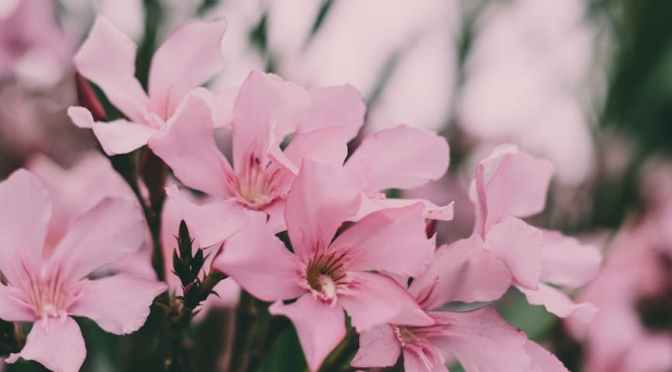
Photo by Plantpool images on Pexels.com

Oleander (Nerium oleander)

Like the Castor Bean, this plant is also grown as an ornamental plant. All parts of this plant are poisonous. Oleander contain cardiac glycosides called oleandrin and neriine. Eating this plant can cause diarrhea, erratic pulse, vomiting, coma, seizures, and death, while coming into contact with the sap or leaves of Oleander can irritate the skin. Like the White Snakeroot, this plant is so toxic that people have fallen ill from indirectly ingesting the poison. People have become sick from eating the honey made from bees that visited this flower. Luckily, Oleander isn’t as commonly consumed as it’s very bitter.

After reading this article, I hope you’ve learned a bit more about poisonous plants.

Top 5 things to do during fall in Minnesota

By: Kumari Mia Wijetunge

Highway 61 in Fall, Minnesota by: Sharon Mollerus courtesy of Wikimedia Commons

Fall is a very colorful and festive time of  year in Minnesota. Whether you enjoy the local festivals, hiking through the vibrant landscapes, or picking pumpkins, Minnesota offers something for everybody!

  1. Seeing the colorful leaves by the North Shore

One of the best ways to experience Minnesota’s fall scenery is to go up to the North Shore of Lake Superior. The scenic drive across Highway 61 offers breathtaking views of the colorful trees against the sparkling lake. Popular spots like Split Rock Lighthouse and Tettegouche State Park provide many hiking trails and lookout points, perfect for spotting all of the beautiful colored trees and the wildlife Minnesota has to offer.

2. Visit a Pumpkin Patch

Fall in Minnesota wouldn’t be complete without a trip to a pumpkin patch. Many farms in Minnesota open their fields for pumpkin picking and offer a fun experience for the whole family to enjoy. Places like Afton Apple Orchard and the more northern, charming Pine Tree Apple Orchard not only provide pumpkins but also corn mazes, hayrides, and plenty of freshly baked goods.

3. Explore State Parks

Minnesota is home to many state parks that come alive with fall colors. Parks like Gooseberry Falls and Itasca State Park offer amazing views, animal sightings, and hiking trails. If you’re looking to hike, bike, or enjoy a picnic surrounded by the colorful leaves, these parks can provide the perfect day to experience the fall weather.

4. Attend a Fall Festival

Fall festivals in Minnesota are an awesome way to take in the fall season, celebrating everything from harvests to the local arts. The Minnesota Harvest Festival & Ghost Stories, in the Twin Cities, is a highlight, varying from farm activities to crafts and live music. Other festivals, like Applefest, in La Cresent, which mainly focuses is apples, also has everything from arts and crafts to pie eating contests. These events are a great way to immerse yourself in the local culture.

5. Experience State Fair’s Fall Activities

Though the Minnesota State Fair is mostly known for its end of summer fun, many of its attractions and vendors continue to celebrate during  fall. Keep and eye out for events at the fairgrounds, like apple and pumpkin-themed dishes to local crafts. The fair’s iconic food vendors often showcase seasonal flavors.

Glaciers

By: Samson Belihu

Image created with AskAI

Glaciers – they are massive, slow moving bodies of ice that form over centuries from accumulated snow.
They are vital indicators of climate change, as they respond sensitively to temperature variation. Unfortunately, global warming has led to significant glacial decline, impacting ecosystems, sea level, and global water patterns.

Causes of Glacier Melting

Rising global temperatures are causing glacial melting. Average global temperatures have increased due to greenhouse gas emission from human activities, such as burning fossil fuels and industrial progress. This warming accelerates the melting of glaciers, particularly in the polar and mountain regions.

Warmer ocean waters also contribute to the melting of glaciers. This is mostly happening in Greenland and Antarctica, which could potentially lead to flooding.

Consequences of Glacier Melting

Melting glaciers contribute to sea level rise, which threatens coastal communities and ecosystems. The increased glacial melting also impacts water supplies. Many regions rely on glacial meltwater for drinking water. As glaciers shrink, communities soon will face water shortages impacting agriculture.

Restoration Efforts

There are several organizations and companies that are focused on restoring glaciers, and the oceans temperature such as: Arctic Ice Project, Greennova Foundation, Mountain Wilderness, etc.

These groups are trying to slow glacial retreat through active intervention. For instance, some projects involve the application of reflective materials on glaciers to increase their albedo and reduce melting. Albedo is a measure of how much sunlight is reflected off of a surface, and it is important for glaciers because it helps regulate the earth’s temperature.

Some companies also research and monitor the changes of glaciers over time. There are also organizations that are working to raise awareness about the importance of glaciers and the big impact they have on climate change.

The melting of glaciers is a massive issue that is caused by climate change, with high consequences for our ecosystems, communities, and global sea levels. Many companies and organizations have stepped up to help with the restoration and conserve these glaciers, which hold many histories that many scientists have not gotten their hands on. There is hope to negate some of the impact of climate change on glaciers, and preserve them for the future generations.

For more information, please visit:

Benefits of owning an aquatic animal

By: Bailey Glime

Photo by MART PRODUCTION on Pexels.com

Aquatic pets are very popular for lots of families but did you know all the benefits it holds as well? Aquatic animals can be very therapeutic for lots of people. This helps regulate mood and stress even if just a little. Examples of all the ways an aquatic animal can be therapeutic are listed below:

  • Improving mood: By owning an aquatic animal our mood is overall happier.
  • Relaxation: Relaxation is another big factor fish contribute to humans. By watching your aquatic animal it brings you to a relaxed state.
  • Productivity: In some cases your aquatic animal might make you feel like you should be more productive and do more activities.
  • Blood Pressure: Aquatic animals can help reduce blood pressure just by watching them.
  • Mental health: Overall all these help to contribute to your mental health and having a good mental health is important to have every day.

Other benefits of aquatic animals are that they don’t need to be as tended to as mammals; this would give some people the feeling of having more time and still having a pet.

Aquatic animals are not a necessary pet to have in your home but they do provide benefits of relaxation and positive mental health.

For more information, please visit: