Tag Archives: mental-health

How social media can be negative & positive

By: Seng Nhkum

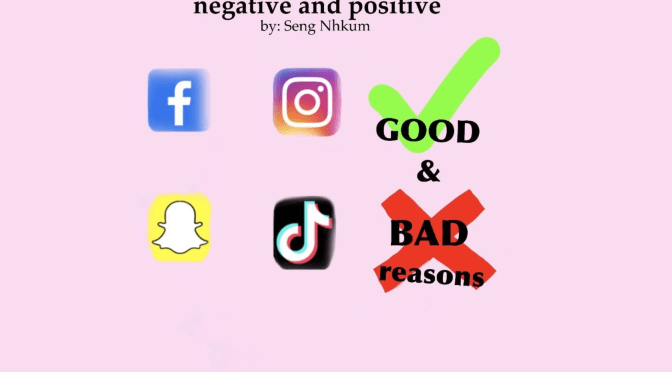
Today many people use social media, and approximately 5.66 billion people globally use social media, representing about 68.7% of the world’s population. Some examples of social media are TikTok, Instagram, SnapChat, Facebook, and X. I think social media can be negative and positive and these are my reasons why.

First, a reason why I think social media can be negative is harassment and cyberbullying. Cyberbullying is when someone is repeatedly creating harmful behavior using technology to threaten, harass, embarrass, or target another person. This can be negative for social media because although it’s easy to just block them they can still continue making accounts to harass you. Also, cyberbullying and harassment can lead up to damaging the person’s mental health and well being.

Another reason why I think social media can be negative is stranger danger. There are tons of people on social media which means lots of people you don’t know. Strangers can try to take advantage of you and manipulate you especially if you are still young. Strangers can take advantage of you like if the stranger knows about what you’re struggling with they could try to take advantage of that and try to manipulate you into doing something. Like what happens a lot is when a minor runs away from home to secretly meet with the stranger, which leads to a negative outcome because they don’t even personally know the person but still chooses to meet up with a stranger.

Then a reason why I think social media can also be positive is communication and awareness. Social media can spread news quickly and this leads to faster communication making communication more efficient. Also, social media can spread a lot of awareness about many things, for example like any social issues that are happening in the world, and this is positive because it shows people what things are happening in the world changing their perspectives on anything.

Lastly, another reason why I think social media can be positive is you can make a career off it making lots of money. Like many people called influencers, who post videos on social media, have made a career out of social media and being really famous while making tons and tons of money.

Overall, social media is negative and positive because it can put you in dangerous situations, but could also provide for you, or help you. Always use social media safety and use it wisely.
September is suicide awareness month. Why is it essential for you to know about suicide?

By: RJ Johnson

September is suicide awareness month. Why is it essential for you to know about suicide prevention month? Because it helps raise awareness about an issue that is very much preventable, and it teaches you to look out for this specific behavior.

Forty-nine thousand three hundred sixteen people committed suicide in 2023, and 9% of high school students have reported attempts this year; that’s just what’s been reported. Many people don’t share their attempts or mention them at all. Overall, suicide is the eleventh leading cause of death, but it is the fourth leading cause of death for ages 35 to 44 and the second leading cause for ages 10 to 34. Think about that for a second. The second leading cause of death in teens and young adults is PREVENTABLE.

You’re probably asking yourself, “Well, what can I do to help prevent it?” If you have family or other loved ones who are showing signs or symptoms, check in on them! Ask them genuinely if they’ve thought about committing suicide. While it might not be an easy question to ask, it’s essential.

Now, “What are some signs that someone might be thinking about suicide?” Great question. Some of the more significant signs include withdrawing from friends, saying goodbye, and giving away essential personal items. But that’s just some of the big ones. If they stop doing an activity you know they love, you should check in on them.

Studies show that most people who attempt to commit suicide, or do so, tell someone beforehand, whether it’s directly or indirectly. Even if they tell you not to tell anyone, it’s crucial to tell a trusted adult or someone who can help. Even if it’s not a close friend, but you’re worried about them, report it and they’ll make sure they’re okay.

Suicide is a significant problem that is preventable. One way to help prevent suicide is by checking in on loved ones when they show signs and telling a trusted adult who can help. You might save someone’s life.

For more information, please visit:

‘To the Bone’

By: Chloe Rocha

*Warning: This article contains details related to eating disorders

‘To the Bone’ is a movie that was directed by Marti Noxon, and it stars Lily Collins as Ellen who later goes by Eli, Keanu Reeves as Dr. William Beckham, Alex Sharp as Luke, and many other brilliant actors.

This film follows the life of Ellen, who is a 20-year-old woman, while struggling with severe anorexia. Anorexia is a form of an eating disorder which causes the person who is suffering from it to obsess about their weight and what they eat. Ellen undergoes treatment at a recovery home that isn’t like the typical treatment place.

This film was able to portray the raw realities of eating disorders and the tolls it takes on the person and also the loved ones all around them. It was inspired by Marti Noxon’s own personal experience with an eating disorder.

Ellen had been to many other treatment facilities before arriving to the one that she is at during the film. The recovery home had a different approach at trying to help the patients.

Rather than solely focusing on weight gain, like a typical treatment facility for eating disorders would, the one run by Dr. William Beckham, was designed for a more personal approach to battling their illness.

It focused a lot on self advocacy and healing at their own pace. At the house, it wasn’t just a place filled with patients, all of the people who were there, were there for very similar reasons. This created a strong bond between them all. They were more than just a group of patients there, they were all a family.

I think that the fact that Marti Noxon made this movie based on her own experiences with an eating disorder was what made the film such an accurate representation of what it can be like. One example I have is when Ellen’s sister said “I don’t get it, just eat”, those words are what many people who struggle with eating disorders constantly hear. They are told to just eat, and the people telling them this usually don’t understand how challenging it can be.

Doing one simple task of just eating, can feel like a chore sometimes and especially to those who already struggle eating. I found this movie very hard to watch at times, but I think that it is one that people need to see. It shows the harsh realities of eating disorders and it lets people learn what it can be like.

If you or someone you know is struggling with an eating disorder, please consider contacting: https://emilyprogram.com/

Analysis and review of the movie ‘Aftersun’ by Charlotte Wells

By: Chloe Rocha

*Warning: This review includes spoilers

The movie ‘Aftersun’ is written and directed by Charlotte Wells and Charlotte stated that this movie is loosely based on her personal experience of a holiday with her father.

This film follows the life of Sophie and Calum, through the view of a home video lens. It captures the themes of memory, time, love, and loss in a beautiful way that may be overlooked by some viewers. There are very small details throughout the movie that when watching the first time, you may not seem to recognize because you don’t understand the full picture.

Calum and Sophie were on a family vacation at a Turkish resort, and Calum was trying to provide Sophie, who was his daughter, the best experience she could have, despite his struggling to make ends meet. Not only was he struggling financially, but he was also struggling mentally. He tries to put up a front to give Sophie the experience she deserves, but deep down he struggled severely with depression.

As the film goes on, it becomes more apparent that this vacation may be the last one they experience together. This is hinted through the fact that despite his financial struggles, he kept on buying things for Sophie to remember him by. For example he purchased a rug for 850 pounds, and the rug is later seen in the movie when it shows up in Sophie’s adult life.

When she was younger she never fully understood her father’s struggle with mental health, she only viewed him as a distant dad. But when she is older, she is tries to recall what really went on during that vacation.

Through old films that she made while documenting their vacation, she truly sees how much he was struggling, and while she couldn’t understand it when she was younger, now she does. But there were pieces of the story that were missing for both her and the audience, which allows viewers to infer what really happened.

The ending of the movie was very heartbreaking because it shows adult Sophie watching her father disappear into a strobe lit void, and he essentially lost himself as well. I interpreted this scene as a metaphor for loss, suggesting that Calum is no longer present in Sophie’s life, and that may be due to his passing.

While this movie has a very slow pacing, I think it was so the audience would be able to capture and truly understand the characters and their emotions. At the beginning, I didn’tunderstand the movie, but I quickly realized and recognized the underlying themes throughout the film.

I think this movie was beautifully made and perfectly depicts the realities of depression and how it can interfere with the lives of your loved ones as well.

You can watch ‘Aftersun’ on Netflix.

The importance of journaling

By: Sylvia Yannsdottir

It’s really easy to get caught up in the constant changes of life, and one way to help navigate through that is by journaling. Journaling is a productive way to sort your thoughts, and emotions, and can help you grow as a person. By taking just a few minutes of your day to write down anything that you’re thinking of, it can really help you find peace and clarity within your life.

One way that journaling has personally benefited me is by forcing me to reflect on my experiences and lessons I’ve learned. Oftentimes when I journal it leads me to re-analyze the things that I’ve experienced from a different perspective, and that leads me to look for improvement and growth within my actions.

Aside from that, journaling can strengthen many things, like memory, creativity, critical thinking, focus, and problem solving skills. There are truly no downsides to journaling, so why not start sooner rather than later?

In the past few years, it has become more popularized by society, especially social media, to establish healthy habits in your life, and one of those healthy habits is journaling. Oftentimes you’ll see more people sharing different kinds of interesting prompts, or ideas for what you can write about.

While writing isn’t for everyone, that doesn’t take away from the fact that it can be really beneficial to start journaling. Although it can be hard to maintain habits, there are plenty of ways to start small, like establishing a routine and over time gradually improving it.

I strongly believe that I’ve gained a lot in my life since I started journaling consistently, and I strongly urge others to try it out. Whether you’re a writer or not it’s something that is at least worth trying, and could really be helpful throughout your life.

The impact of music on mental health

By: Kate Tabor

Image created using ChatGPT

We all love music, and it turns out that it’s for a good reason. Many studies have shown that music can have a positive impact on your mental health (and even your physical health, if only by a bit). Here’s how.

Music helps distract us from our thoughts and lowers our stress. Listening to music can lower stress hormones, as well as blood sugar and heart rate, both of which are things that spike when you’re stressed. If you want to block out the world and forget about whatever problems you’re dealing with at the moment, listening to songs that share a different story is a good way to do that.

Not only can it help with stress, it can help you name your emotions, and manage them better. If you’re feeling off, but don’t know why, try listening to classical music. It sounds silly, but hearing a melody without lyrics helps you project your own feelings onto the music, without the music already having a feeling or meaning.

Even without classical music, songs can often help us figure out what we’re feeling as well. I can’t count how many times I turn on one of my favorite songs casually, and even though I’ve heard it a million times before, a lyric sticks out to me and I just think wow, where are the cameras hidden? Music can help you place your feelings, and also feel seen in those feelings.

Music builds community. It brings people together. Music festivals, radio shows, Spotify playlists, etc. A popular app around my age group a bit ago was an app called Airbuds Widget, where you can share what you’re listening to with your friends. I’ve made so many friends based on just recognizing that we both listen to the same artist.

Music can also boost your mood when you’re feeling down, which I find to be especially true. Everyday, I hop in my car after school and turn my favorite playlist on, and I immediately feel better.

Even just half an hour ago, I was unmotivated to start writing this article, but I sat down, put my airpods in, and got to work. Music has a huge impact on me, and I’m sure many others, on how motivated I feel.

Music can be a great tool, even when we don’t realize it.

For more information, please visit:

Effects of phones on people’s education

By: Chloe Rocha

The phrase “It’s because of your phone” is something that is commonly heard amongst adolescents. In some cases, that phrase can apply, but in others it is not necessarily accurate.

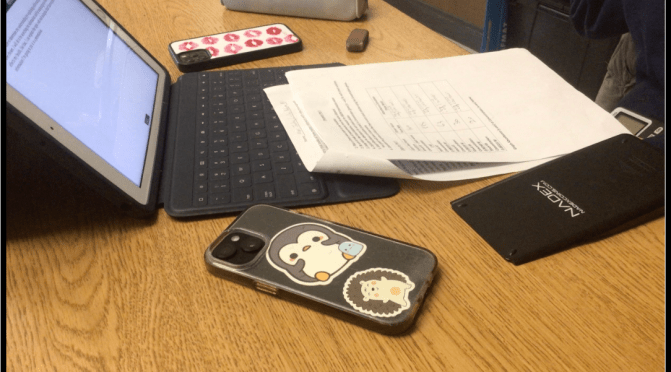
This phrase however, can apply to the education of kids during school. Cell phones have been something that is used in our day to day lives because they provide convenience and also connectivity. But at the same time they can also be proven to be a distraction while in the classroom.

There have been proven to be many negative effects of cell phone use while in the classroom, and according to an article by ‘Why Edify’, these are the top 10 reasons:

  1. Distraction
  2. Cyberbullying
  3. Academic dishonesty
  4. Social isolation
  5. Physical health issues
  6. Sleep disruption
  7. Privacy concerns
  8. Inequality
  9. Reduced physical activity
  10. Addiction

Distraction:

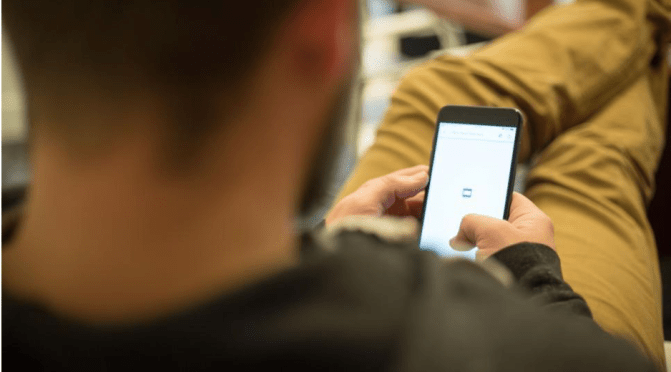
Decreased focus and attention in the classroom can occur because students become distracted by their phones, whether it be social media, or playing video games. These platforms are made by design to hook the user and keep them entertained. This can also be known as “doom scrolling” in some situations.

Cyberbullying:

In some cases students use their cell phone to send hurtful messages. Many adults don’t know how big of an impact cyberbullying can be and how frequently it is seen in classrooms. Nearly 42% of kids have been bullied online, according to an article by Annapolis, MD. When these children experience cyberbullying by their own classmates, it can cause them to be fearful or anxious about going to class and in the long run can have harmful effects on their education.

Academic dishonesty:

It is a very well known fact that AI has been evolving and also becoming more frequently used during people’s day to day life. Specifically in class, students have become more reliant on using AI to guide them in their class work. A global survey, that was conducted by Statista, showed that 86% of students used AI in the year of 2024. Students may also cheat during exams or assignments, simply because they have access to the answers or the information on their phones.

Social isolation:

When students use their phones excessively, it can cause them to spend less time interacting face-to-face with their own peers. Face-to-face interactions are crucial during a child’s adolescence because it allows them to develop many crucial social skills. Some of these skills include empathy, effective communication, the understanding of nonverbal cues, peer dynamics, and forming a strong sense of identity.

Physical health issues:

When cell phones are used excessively, they can begin to cause physical health problems, such as poor posture, eye strain and many other health issues.

Sleep disruption:

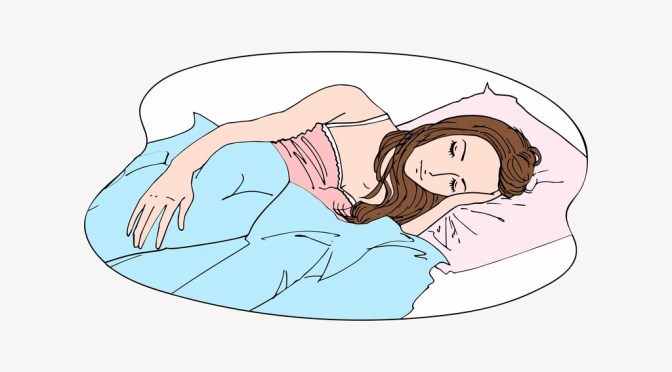
Cell phone use before going to bed can cause disruptions to people’s sleep patterns. When sleep patterns are disrupted, it can lead to fatigue and also a decrease in their academic performance. Sleep is important because it improves your brain performance, your mood, and also your health.

Privacy concerns:

Students may share their personal information or photographs and this can raise concerns about their privacy.

Inequality:

In many classes, a digital divide can be formed among students because not everyone may have access to a cell phone. This can cause students to feel left out from their peers.

Reduced physical activity:

This issue applies to both in school and out. During school, cell phones can discourage students from engaging in physical activity during recess or during their breaks. Outside of school, when a child has access to a cell phone, they often don’t release their energy in a physical way, like going outside, instead they go on their phones while in the house.

Addiction:

As mentioned before, many apps on your phone are by design very addictive. Mobile apps can stimulate the release of dopamine and this leads to the formation of habits. Some very popular apps that you may use that are also addictive are Facebook, Instagram, Snapchat, Youtube, and TikTok.

For more information, please visit:

How “Brainrot” and “Doomscrolling” affect your brain

By: Karl Salkowski

(Image credit: freerangestock)

Oxford has recently announced “brainrot” as the word of 2024. But what is brainrot? Well, the dictionary defines brainrot as “the supposed deterioration of a person’s mental or intellectual state, especially viewed as the result of overconsumption of material considered to be trivial or unchallenging”.

The term brainrot is not a recent term. The word has been used for over 20 years. Originally, brainrot was used to describe the use of email. According to Theguardian.com, email’s “constant cognitive overload had a more negative effect than taking cannabis, with IQs of participants dropping an average of 10 points.” If email can have such drastic effects, it’s hard to imagine how damaging short form online content and electronic devices such as smartphones can be.

Over the past couple of years more and more information has come to light about the effects of consuming large quantities of short form content. Institutions such as the University of Oxford and Harvard Medical School have found that consuming this content in large quantities can shorten our attention spans, weaken memory, and mess with our cognitive processes.

According to Dr. Gloria Mark, a professor at the University of California, attention spans have drastically shortened over the past 20 years. In 2004 the average attention span was 150 seconds, by 2012 the average was 75, and by 2018 it was down to 47 seconds. This massive decline is partly due to the rise of social media.

According to Theguardian.com, the average Gen Z teenager in the UK has an average screen time of somewhere between 5 ½ and 6 ½ hours every day, with the average adult spending 4 hours online every day.

Doomscrolling is a somewhat newer phenomenon. Doomscrolling is defined as, “the excessive consumption of short-form videos or social media content for an excessive period of time without stopping.” The term began to gain popularity in 2020 partly due to the COVID-19 pandemic.

Doomscrolling is a form of internet addiction. An estimated 31% of Americans doomscroll on a regular basis. This increases greatly among young people with an estimated 51% of Gen Z addicted. Social media plays a significant role, allowing users to infinitely scroll through short form videos uninterrupted.

Multiple medical institutions have found that doomscrolling can worsen depression and anxiety. Overall, doomscrolling and brainrot have contributed to worsening mental health among teens and adults. It might be time to put down your phone.

If you want to learn more about the effects of social media, please go to:

Screen addiction in China

By: Cleo Newton

Technology has been advancing faster than ever in the last couple years. With these advancements, the amount of teenagers developing screen addiction has also gone up. Because of this, there have been many policies set and many discussions taken place.

Two Israeli directors filmed a documentary called ‘Web Junkie’, this documentary talked about the screen addiction. They tell us that China is the first country to recognize screen addiction as a medical issue. According to the report, these teenagers spend an average of 6 hours online playing games a day. The parents of these children have tried many different things to try and help their kids with their screen addiction but it never got better. In the end, they sent their kids to a rehab center for screen addiction.

To help teenagers with screen addiction, China has opened over four thousand rehab centers managed by the military. Medical treatment, family therapy, and military exercises are included when treating internet addiction. Sending kids to these rehab facilities costs a lot of money. Every month costs double the average monthly salary. Many households can’t afford this and have to take out loans to meet these expenses.

According to the press (according to my Chinese packet), teenagers have received abuse in forms such as getting shocked or being hit in these rehab centers. This impacts their physical and mental health negatively, making them scared and hate more. As a result of this, some teens who come out of these rehab centers have either killed themselves or others.

There are reasons for the development of screen addiction though, the first is China’s one child policy (which ended in 2016), and the second is the strict education system. Because most families only have one child, that child feels a lot of pressure to “honor” their family. It’s typically the family that places this pressure on the kids to do good. On top of this, some of the kid’s parents fight a lot at home. I think that neglectful parents can also cause screen addiction as well as abusive parents.  Turning to video games has become a way to escape the burdens of life for many people.

As technology continues to advance and be used in day to day life, it becomes harder and harder to avoid the screens. I hope after reading this that you’ve learned more about screen addiction and its causes.

Quality of sleep

By: Gabriella Bell

As you lie down in bed after a tiring day, maybe from being at school, sports, work, or fundraising, has it ever been more difficult to fall asleep than after a casual day where you’ve stayed home and simply just laid on the couch, watching your favorite television show? Maybe there’s a lot on your mind. Maybe your brain isn’t as tired as you’d like it to be yet. As you stay there, lying in bed and contemplating your day, you finally fall asleep.

Sleep is one of, if not the most, important bodily function, and it plays a major role in the overall health and well-being of the human body. With an excessive lack of sleep it can have several severe negative impacts on one’s physical and mental health.

Depending on the quality of sleep you receive, it can also have effects on cognitive performance, this commonly includes difficulties in concentration, making decisions (regardless if they’re important or not), reaction times, and your memory retention throughout the day. While sleep is important to improving and keeping up your physical health and cognitive performance, these things can also be heavily dependent on other aspects such as a proper and balanced nutritional intake, hydration, and physical activity.

Throughout your day, you may experience difficulties in concentration and organization of important information. While being asleep, your brain arranges and rearranges this information accordingly, which helps memorization and clear thinking. Without proper sleep, this could prove to be more difficult, and may have certain damaging effects. If you’re a student, or in a line of work where constant learning and improvement is especially important, this could most likely severely impact your productivity throughout the day, therefore leading to the possibility of not passing classes or losing that occupation in life.

Through looking into the effects on a person’s physical health and the overall impacts sleep has on it, a necessary part it plays is through hormonal regulations. This primarily relates to hormones that are produced that are designed in order to control the metabolism along with appetite. These hormones send the message of the body being hungry or full, which could lead to over or under eating. Several of these studies have further shown that poor quality of sleep can often be linked back to the development, and later diagnosis, of diabetes or obesity.

Another important thing that could be affected are the regenerative processes proceeding throughout the body, such as tissue and muscle reparation, which can help to explain how cuts, scratches, or bruises progressively heal over time. Along with this, without proper sleep, it can also prove to have negative impacts on the immune system over time, as your body may not have enough energy as it used to in order to properly distribute it and upkeep these bodily functions. Which can ultimately lead to contracting illnesses more often, or developing infections more easily.

Lack of sleep can also reflect upon the stress levels and hormones, which can interact with the emotional stability of a person while helping to reduce that stress along with regulations of mood changes. Many sleep disorders that lead to chronic sleep deprivation are commonly linked back to mental health issues such as depression and anxiety. This can also be reversed, though as some people with depression and/or anxiety often experience changes regarding their quality of sleep, which can lead to the development of insomnia or other sleeping disorders. This disruption in sleep can affect the production of the hormone, melatonin. With that in mind, cases also tend to differ between people, as some with depression experience a surplus in their melatonin production, leading to oversleeping, while others may experience a decline in their melatonin levels, resulting in lack of sleeping. 

Along with all of this, without proper sleep it can create a generally irritable or exhausted mood that can result in long term impacts on your mental health and relationships within day-to-day lives (including friends, romantic partners, parents, siblings, coworkers, etc.) 

Sleep is a very fundamental human function that controls and contributes to so many aspects of our bodies and impacts us so much throughout our days. Regardless, if we recognize the beneficial impacts provided to us through sleep, by going on to recognize the importance of healthy sleeping habits and routines, this can further improve the overall quality of our lives.

For more information, please visit: