Tag Archives: health

What is the p53 gene?

By: Hannan Mohammed

According to the National Institute of Health, the human body has over 30 trillion cells, each in their own cycle of growing, dividing by mitosis or meiosis, dying, and being replaced. There are around 200 different kinds of cells in our bodies, but during the cell cycle, any one of these cells could begin to replicate uncontrollably, leading to cancer.

However, there is a small gene in the nucleus of each of these cells that can protect our cells from dividing uncontrollably and becoming cancerous tumors. This is called the p53 gene.

What is the p53 gene?

The p53 gene, or the tp53 gene, is located on chromosome 17, in the nucleus of many of our cells. The gene specifically controls instructions that are required to make a protein named tumor protein p53, which binds directly to the DNA in the nucleus of the cell. But, what does the protein itself do?

Image by Thomas Splettstoesser via Wikimedia Commons

What it does and why we need it

As implied in the name (tumor protein p53), this protein helps to prevent the creation and growth of tumors by controlling cell division to ensure that damaged cells don’t divide uncontrollably.

Because the p53 protein is bound directly to the DNA in each cell, it can detect whether a cell’s DNA is damaged. A cell’s DNA can be damaged by many things, including radiation or exposure to toxic chemicals, which can cause the processes of cell growth and cell division to go wrong; this is where the p53 protein becomes extremely important.

The protein plays an important role in determining how the regulation of damaged cells will occur. For example, if the DNA in the cell can be fixed, the p53 protein will activate other genes to repair the damaged DNA. However, if the damage to the DNA can’t be repaired and the cell still poses a risk of uncontrollable growth and division, the p53 protein will send signals to tell the cell to begin the process of apoptosis, or self-destruction.

The p53 gene and protein’s importance lies in its function of regulating cell division, which is crucial in preventing many types of cancer throughout our bodies. However, some people have mutations of the p53 gene.

What this means is that the p53 protein no longer functions as it should, which can lead to fast and unregulated cell growth and division without the protein to prevent this. These non-inherited (or somatic) mutations are linked to half of all cancers. An inherited mutation can lead to a cancer syndrome called Li-Fraumeni syndrome, which increases a person’s risk of developing multiple kinds of cancer, such as breast cancer and bone cancer.

For more information, please visit:

Environmental Racism in Minnesota 

By: Alice Rapacz & Cameron Garcia-Nelson

Image created with Canva

Environmental racism is a big problem in Minnesota. Environmental racism is when neighborhoods of color and indigenous neighborhoods are at a higher risk to environmental harm. These neighborhoods are at a 91% risk of above air pollution guidelines. There are many neighborhoods here in Minnesota that are affected like the Rondo neighborhood and the East Phillips neighborhood. The harmful pollution can come from factories, waste facilities, construction, and vehicles. White neighborhoods have much better health compared to neighborhoods of color and indigenous neighborhoods. The pollution causes people to have asthma-like symptoms and heart disease. Nitrogen dioxide is what pollutes the air and causes people to have these symptoms.

For my final capstone project in my Critical Ethnic Studies class, my partner and I decided to do our project on environmental racism because it is a very real and current issue that affects people all over Minnesota. For the project it contained our final product, a paper, and an evaluation of what we learned from our project and the class.

For our final project, we decided to do a website that would be able to inform Highland Park students, staff, and community about environmental racism. We did a lot of research learning about what environmental racism is, who is affected by it, how, and so much more. We read stories from people who suffered from the harmful pollutants in the air and how their health was at risk due to it. We learned about different forms of pollution and what areas they affect. We put all this information on our website so that people reading it would be informed. 

Here is the link to our final capstone website. There is some of the information above and so much more so that you can be educated on about environmental racism. We also included how you can help and make an impact on changing this issue. 

Easy ways to make your school morning better

By: Alice Rapacz

Photo by Pixabay on Pexels.com

Do your mornings feel chaotic and like you’re in a rush? Well, today you will learn easy ways to make your morning better, so that your start to the day isn’t chaotic.

Having a morning routine helps you manage your time better so that you don’t end up forgetting things in the rush of the morning. It can help you stay calm and organized, helping you show up to school ready to learn. Sticking to the same routine helps build health habits that can also help you with many other things. One more big thing that having a morning routine adds is not having to waste time on small things, which allows you to use your time and energy for more important tasks.

Now, let’s get into what you can do to improve your mornings. A good morning starts with the night before. Doing as much as you can the night before sets you up to have less to do in the morning making it less busy.

Lay your clothes out:

The night before, pick your outfit out. This gives you time to make sure you like it and so that you don’t have to scrabble in the morning to find something from the dark depths of your drawer.

Pack your backpack:

Put all your homework, notebooks, books, and other necessities in your backpack and don’t forget to charge your iPad! Doing this helps to make sure that you don’t forget that important homework assignment that is due the next day or other important items.

Prep your meals:

Make your lunch if you take one the night before. This makes sure your not standing in front of the fridge in the morning unsure what to pack and not packing one because you need to catch the bus.

Breakfast is such an important meal of the day. It gives you energy to tackle your first classes before lunch. There are many meals that you can prepare ahead of time that you can quickly take out and eat in the morning. Some are overnight oats or yogurt parfaits that you can customize to your liking. Breakfast doesn’t need to be hard, it just needs to fuel you for the day. So quick breakfasts that you can make in the morning are: a piece of toast with peanut butter and banana, oatmeal with fruit, a hard boiled egg and a piece of toast, and so much more.

Keep it consistent:

Setting an alarm in the morning and sticking to it. Getting the routine of not snoozing the alarm makes it easier to wake up after a while. Keep the alarm at the same time, the more you wake up at one time, the more you adjust.

When going to bed, wind down by reading a book before bed or doing something off a screen. I know it can be hard to put down the phone or turn off the TV, but it makes it easier to fall asleep. Go to bed at the same time each night. Having a consistent bedtime makes sticking to the routine easier in the morning.

These are a few easy ways to make your morning better so that you can have a good start to the day instead of a chaotic one. Remember, keep it consistent with everything you do. Make it a long term effort, doing it for one day won’t help. Now get out there and have a great morning.

The importance of hygiene

By: Jooney Freddieson & Aalovely Lor

Generated by Canva AI 

Introduction 

Good hygiene is essential for both your physical and mental wellbeing. It holds multiple practices, starting from handwashing to brushing your teeth. 

Hygiene helps prevent spreading harmful bacteria, infections, and viruses. That makes it the best and easiest disease prevention technique.

Without proper hygiene, people become susceptible to widespread health issues. This could be the common cold or more serious illnesses like the flu. 

Dental Hygiene

Dental hygiene is one of the key factors to keeping good hygiene. 

This begins with brushing your teeth at least twice a day, both morning and night. Along with brushing comes flossing and mouthwash to help remove plaque and prevent gum infections. 

Poor dental hygiene leads to cavities, gum infections, and in serious cases heart conditions. 

Having regular checkups and cleanings with dentists play a crucial role in your dental hygiene because even if you can’t feel it, you never truly know what’s going on in your mouth. 

Body Hygiene 

Body hygiene is keeping the body clean. 

The most important aspect of body hygiene is bathing or showering regularly. This helps remove the dirt, excess oils, and sweat you’ve built up over the previous days. 

Showering and changing into clean clothes daily help reduce the risk of skin infections, including acne or fungal infections.

Proper body hygiene also builds confidence and comfort in your wellbeing. Feeling fresh and clean positively impacts your interactions with others. 

Hand hygiene 

Hand hygiene is one of the most effective methods to prevent the spread of diseases and illnesses. 

Washing your hands with soap and water for at least 20 seconds already helps remove disease, dirt, and viruses that could cause illness. 

Using this method is really important after using the bathroom, handling food, or being in public areas. 

Throughout the day you touch many infected surfaces such as your phone, toilets, doorknobs, and tables. These surfaces have harmful bacteria that could be washed off with soap and water. 

Nail Hygiene 

Nail Hygiene is very important but it is an overlooked part of personal hygiene. 

It involves keeping your fingernails and toenails trimmed, clean, and strong. Nails should be free from bacteria and dirt.

Nails can easily trap germs that you pick up from everyday activities if they’re not cleaned regularly. These germs can enter your body through eating/drinking or when touching your face. They can also enter through cuts and wounds. 

Poor nail hygiene can lead to infections like, stomach aches, paronychia, and buildups of bacteria. 

Cleaning and trimming your nails regularly helps prevent issues like infections or stomach aches, and also helps your nails grow strong and healthy. 

Clothing Hygiene

Clothing hygiene means wearing, cleaning, and changing clothes regularly. After sweating from physical activities our clothes absorb our sweat and oil from our skin including dirt and dust throughout the day. 

If you continue to wear unwashed clothes regularly, not only will it give you a bad odor it will also lead to skin irritations and or bacterial infections. 

Clean clothes help prevent health problems but they also help with boosting self esteem and presenting a positive image to others. 

Ear Hygiene 

Ear hygiene focuses on cleaning, managing earwax build ups, and cleaning the outer part of our ears. 

Wiping the outside of our ears with a damp cloth or paper towel helps remove dirt and excess wax. Doing this regularly prevents itchy buildups and helps keep our ears clean. 

Inserting cotton swabs/q-tips or fingers into our ears can push the wax in further leading to an uncomfortable buildup and ear infections. It can also damage our hearing if pushed further. 

It is recommended by doctors to use an earwax remover tool to remove ear wax build ups. The tool is in the shape of a tiny spoon which helps safely remove earwax and not push the wax forward. 

Maintaining good ear hygiene prevents discomfort, infections, and hearing problems. 

Overall, good hygiene is essential for preventing the spread of illness, staying healthy, and keeping a better image. Making these habits a regular part of your daily life and routine will improve your physical and mental wellbeing. 

‘To the Bone’

By: Chloe Rocha

*Warning: This article contains details related to eating disorders

‘To the Bone’ is a movie that was directed by Marti Noxon, and it stars Lily Collins as Ellen who later goes by Eli, Keanu Reeves as Dr. William Beckham, Alex Sharp as Luke, and many other brilliant actors.

This film follows the life of Ellen, who is a 20-year-old woman, while struggling with severe anorexia. Anorexia is a form of an eating disorder which causes the person who is suffering from it to obsess about their weight and what they eat. Ellen undergoes treatment at a recovery home that isn’t like the typical treatment place.

This film was able to portray the raw realities of eating disorders and the tolls it takes on the person and also the loved ones all around them. It was inspired by Marti Noxon’s own personal experience with an eating disorder.

Ellen had been to many other treatment facilities before arriving to the one that she is at during the film. The recovery home had a different approach at trying to help the patients.

Rather than solely focusing on weight gain, like a typical treatment facility for eating disorders would, the one run by Dr. William Beckham, was designed for a more personal approach to battling their illness.

It focused a lot on self advocacy and healing at their own pace. At the house, it wasn’t just a place filled with patients, all of the people who were there, were there for very similar reasons. This created a strong bond between them all. They were more than just a group of patients there, they were all a family.

I think that the fact that Marti Noxon made this movie based on her own experiences with an eating disorder was what made the film such an accurate representation of what it can be like. One example I have is when Ellen’s sister said “I don’t get it, just eat”, those words are what many people who struggle with eating disorders constantly hear. They are told to just eat, and the people telling them this usually don’t understand how challenging it can be.

Doing one simple task of just eating, can feel like a chore sometimes and especially to those who already struggle eating. I found this movie very hard to watch at times, but I think that it is one that people need to see. It shows the harsh realities of eating disorders and it lets people learn what it can be like.

If you or someone you know is struggling with an eating disorder, please consider contacting: https://emilyprogram.com/

The impact of music on mental health

By: Kate Tabor

Image created using ChatGPT

We all love music, and it turns out that it’s for a good reason. Many studies have shown that music can have a positive impact on your mental health (and even your physical health, if only by a bit). Here’s how.

Music helps distract us from our thoughts and lowers our stress. Listening to music can lower stress hormones, as well as blood sugar and heart rate, both of which are things that spike when you’re stressed. If you want to block out the world and forget about whatever problems you’re dealing with at the moment, listening to songs that share a different story is a good way to do that.

Not only can it help with stress, it can help you name your emotions, and manage them better. If you’re feeling off, but don’t know why, try listening to classical music. It sounds silly, but hearing a melody without lyrics helps you project your own feelings onto the music, without the music already having a feeling or meaning.

Even without classical music, songs can often help us figure out what we’re feeling as well. I can’t count how many times I turn on one of my favorite songs casually, and even though I’ve heard it a million times before, a lyric sticks out to me and I just think wow, where are the cameras hidden? Music can help you place your feelings, and also feel seen in those feelings.

Music builds community. It brings people together. Music festivals, radio shows, Spotify playlists, etc. A popular app around my age group a bit ago was an app called Airbuds Widget, where you can share what you’re listening to with your friends. I’ve made so many friends based on just recognizing that we both listen to the same artist.

Music can also boost your mood when you’re feeling down, which I find to be especially true. Everyday, I hop in my car after school and turn my favorite playlist on, and I immediately feel better.

Even just half an hour ago, I was unmotivated to start writing this article, but I sat down, put my airpods in, and got to work. Music has a huge impact on me, and I’m sure many others, on how motivated I feel.

Music can be a great tool, even when we don’t realize it.

For more information, please visit:

The new age of blood shortages

By: Maya Vossen-Nelson

Nearly 6.8 million people donate blood per year in the United States, providing vital resources and support to cancer patients, surgeries, accident and burn victims, and organ transplant patients. In July 2024, the American Red Cross reported a record low in donor participation dropping by 25%. This shortage began during a nationwide heat wave over the summer and donor numbers have not returned to their normal levels since.

Recently, factors such as climate disasters have increased the demand for blood units and the drop in donations are unable to replace the inventory. Blood centers are reporting that limited donor sites, loss of staffing at blood centers, new illness and medication constraints for donation eligibility, along with a decrease in workplace donation events since the rise of remote working have all contributed to lower donor numbers.

Blood shortages are a pressing symptom of the overburdened, under-resourced healthcare system. As of March 4, 2025, of the 53 community blood centers and 90 hospital based blood centers in the United States, 46% have less than a two-day supply of blood.

Amid these unresolved blood shortages, surgeons have turned to blood supply usage efficiency as a method of mitigating the lower supply consequences. Adoption of Patient Blood Management (PBM) policies currently include using preoperative strategies to increase red cell mass, intraoperative cell salvage, and the management of anemia in patients.

To most patients, this medical jargon carries little meaning, overshadowing its influence in medicine. The Association for the Advancement of Blood & Biotherapies (AABB) describes the importance of, and medical situations where, PBM is used: “PBM encompasses all aspects of the transfusion decision-making process, beginning with the initial patient evaluation and continuing through clinical management. These techniques are designed to ensure optimal patient outcomes, while maintaining the blood supply to guarantee that blood components are available for patients when they are needed.”

Preoperative strategies to increase red cell mass include pre-op testing 3 to 4 weeks in advance of the surgery to undergo blood testing and receive proper supplements or medication to resolve anemia.

On average, patients with anemia require an additional liter of blood during surgeries and require longer hospital stays compared to their counterparts. Given that 22.8% of people worldwide are anemic, resolving anemia even temporarily for a surgery would significantly decrease pressure on blood centers.

Intraoperative cell salvage (ICS) is a method used during surgery to collect red blood cells lost during surgery and reintegrating them into the body. Before the blood transfusion, the red cells are processed and repaired. This blood management method requires no additional blood.

These strategies have increased the ability for blood centers to cope with the blood shortages, but the ultimate fix is recruiting more donors. Of the 37% of eligible donors, only 3% choose to donate. Your donation is more important than ever. To schedule a blood donation with the American Red Cross visit: https://www.redcrossblood.org and select from countless donor drives near you.

For more information, please visit:

Screen addiction in China

By: Cleo Newton

Technology has been advancing faster than ever in the last couple years. With these advancements, the amount of teenagers developing screen addiction has also gone up. Because of this, there have been many policies set and many discussions taken place.

Two Israeli directors filmed a documentary called ‘Web Junkie’, this documentary talked about the screen addiction. They tell us that China is the first country to recognize screen addiction as a medical issue. According to the report, these teenagers spend an average of 6 hours online playing games a day. The parents of these children have tried many different things to try and help their kids with their screen addiction but it never got better. In the end, they sent their kids to a rehab center for screen addiction.

To help teenagers with screen addiction, China has opened over four thousand rehab centers managed by the military. Medical treatment, family therapy, and military exercises are included when treating internet addiction. Sending kids to these rehab facilities costs a lot of money. Every month costs double the average monthly salary. Many households can’t afford this and have to take out loans to meet these expenses.

According to the press (according to my Chinese packet), teenagers have received abuse in forms such as getting shocked or being hit in these rehab centers. This impacts their physical and mental health negatively, making them scared and hate more. As a result of this, some teens who come out of these rehab centers have either killed themselves or others.

There are reasons for the development of screen addiction though, the first is China’s one child policy (which ended in 2016), and the second is the strict education system. Because most families only have one child, that child feels a lot of pressure to “honor” their family. It’s typically the family that places this pressure on the kids to do good. On top of this, some of the kid’s parents fight a lot at home. I think that neglectful parents can also cause screen addiction as well as abusive parents.  Turning to video games has become a way to escape the burdens of life for many people.

As technology continues to advance and be used in day to day life, it becomes harder and harder to avoid the screens. I hope after reading this that you’ve learned more about screen addiction and its causes.

Benefits of eating your fruits

By: Samson Belihu

Let’s talk about common fruits you’ve hopefully eaten before, but perhaps don’t know the benefits of.

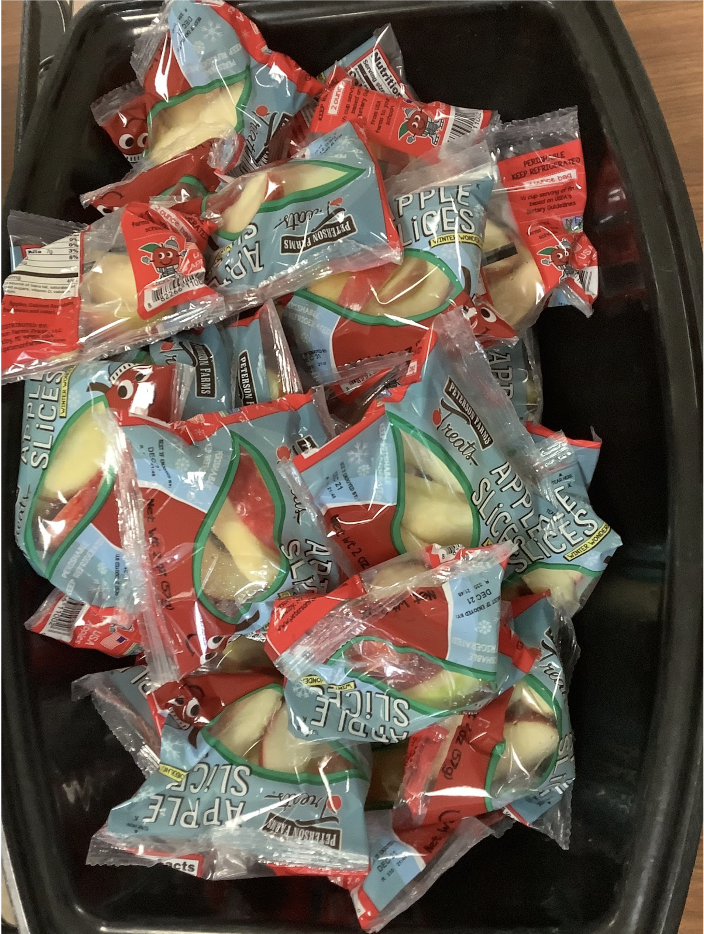
First, you should eat your apples because they are rich in fiber, which can help reduce the risk of chronic diseases and improve the heart’s health. As they say, “An apple a day keeps the doctors” away.

A banana is high in potassium, vitamin B6, and vitamin C. Due to its carbohydrate content it also provides quick energy making them great for pre- or post-workout snacks. It contains dietary fiber, which helps in digestion, and it is said to contain tryptophan, which may help improve mood and reduce anxiety.

Oranges are rich in vitamin C, fibers and antioxidants like flavonoids. Vitamin C helps boost the immune system, which helps fight viruses. Antioxidants help fight free radicals, and reduce skin damage, so if you’re trying to find a natural remedy to heal your skin it is suggested that using oranges can help with the healing.

Now, pineapples are also rich in vitamin C just like orange, but it also has manganese, and bromelain. Manganese helps the body form connective tissue, bones, and blood clotting while bromelain may reduce swelling, bruising, healing time, and pain after surgery and physical injuries.

Watermelon, which is high in vitamin A and C, and contains citrulline, is also a good fruit to eat. Fun fact: The name citrulline comes from Citrullus vulgaris, the Latin term for watermelon. Watermelon is composed of 92% water, making it excellent for hydration.

In the end, you should at least try to incorporate some of these fruits into your diet, as they have numerous health benefits to offer. Personally, I try to eat some apples, bananas, and oranges at least 4 times a week, and I think you should too.

For more information, please visit:

I think you should check them out and see what they have to offer.

Why it is important to play at least one sport

By: Isabel Strack

Image created with StarryAI

Here are some reasons why you should play at least one sport.

If you want to play sports but don’t like contact sports there are still many other non-contact sports you could play. These sports include: volleyball, golf, tennis, swimming, gymnastics, and more.

Playing a sport can help you stay in shape. Going to your sports practices everyday and doing exercises can help you feel more energized and feel more healthy.

It can help develop more social skills. You can also create new friendships that you most likely wouldn’t have made otherwise. Sports can bring people together from different schools.

Another reason is that it can help your mental health benefits. By being around other encouraging people that enjoy what you enjoy it can help with your mental well-being. Being in a sport is a fairly social activity and can provide psychological benefits. Getting out of your house at least a couple times a week and exercising and seeing other people can help raise your mental health.

Research has shown that if you play a sport you perform better in a classroom. If you play a school sport it can motivate you to get better grades so that you can stay in your sport. It can help overall with a higher IQ. High school students who play a sport are less likely to drop out of school. By participating in a sport there are results in a higher GPA. It also helps with problem solving skills

By playing a sport it can help you become more responsible. By showing up to practice it can help you with time management. It can help you balance your academic responsibilities with your athletic commitments. It teaches you discipline and how to balance your time.

It can help build your confidence. By having a wide range of skills it can help your self-esteem. By being involved in a sport you’re in a safe structured environment that could help you gain confidence.

There are many more reasons why you should join a sport, these are just a couple of reasons.