Tag Archives: alaska

Climate change’s effects on Alaska

By: Siri David

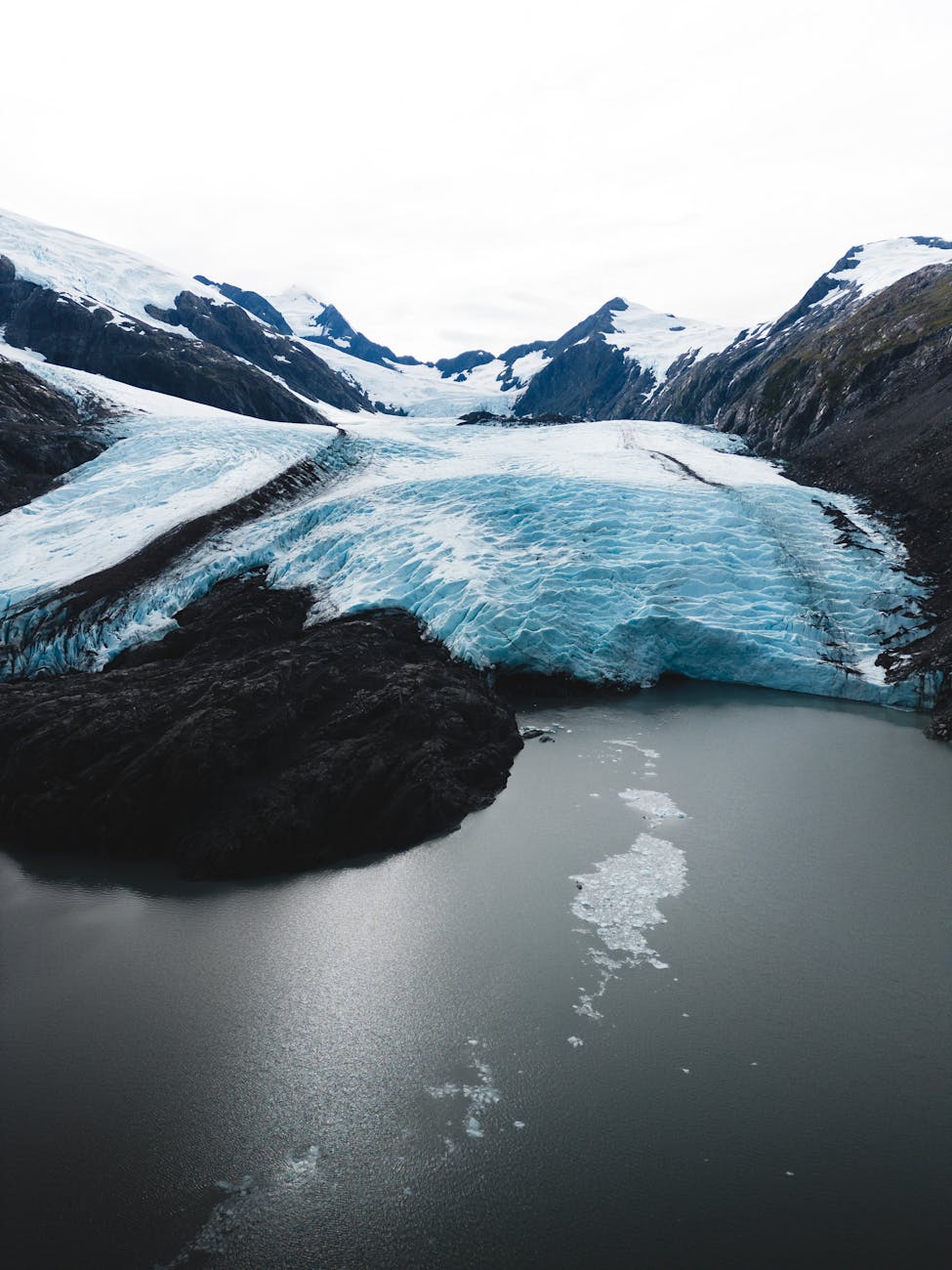
Photo by Tomu00e1u0161 Malu00edk on Pexels.com

Alaska is a prime example of climate change and the effects from it. Alaska has been facing these effects for more than 50 years. The environment there is changing everyday and there is only so much time left to be able to save it.

The state has warmed 3 degrees Fahrenheit, on average, in the summer and 6 degrees in the winter. This seems like a small change but it is actually a lot, and makes a big difference. The state has seen a lot of changes like glaciers shrinking, shores eroding, wildfires, and insects breaking out. These are all effects of climate change, and effects that are likely to continue rising.

These things are happening because of the earth getting warmer. Since the late 1700’s the amount of carbon dioxide that humans put into the atmosphere has increased by 40 percent. Along with that, heat trapping greenhouse gasses also increase at a fast rate. Both of these things cause humidity to increase which causes more rain in areas but can also cause droughts in other areas.

More carbon dioxide being put into the atmosphere also affects the oceans. Carbon dioxide mixed with water forms a carbonic acid which means that the ocean is more acidic. The ocean temperature has also been getting warmer which is why it feels like countries that are really cold face the most effects of climate change.

Whether it feels like it or not the world is suffering and we need to help it. There are a lot of big and little things we can do to help the environment and specifically Alaska. The smaller things include turning off lights when you leave a room, not letting your water run for longer than needed, and trying to walk/bike places more.

A larger thing you can do to make a difference is donating to organizations that work to clean up trash and the environment. If you don’t have the money for that you can personally work to clean up your community.

Something that I think really really does help is speaking up about it and staying updated on what is happening. Along with that, I think teaching people about what is happening to one of the most beautiful states in our country is so important and something we should all take action to fix.

For more information, please visit:

Iditarod

By: Kara Fini

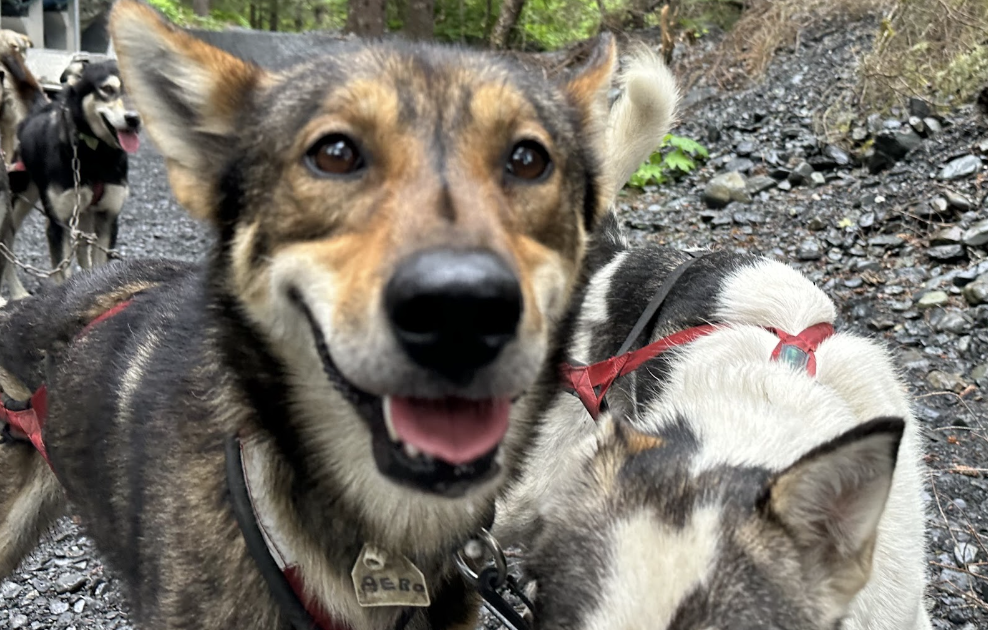
The Iditarod Race is an annual Alaskan sled dog race held early March. It starts in Anchorage and travails nearly 1,000 miles through the Alaskan terrain all the way to Nome, Alaska. Each team starts with 14-16 dogs, a musher and sled. A musher is the human who directs and helps the dogs throughout the race. There are 3 required stops, one 24 hour stop and two 8 hour stops. During these the dogs get medical care and a check to make sure they can keep going.

Before Alaska was settled by Russia, Native Alaskans found that sled dogs were the most efficient way to get to places because of the harsh climates and rough terrain. Russia settled in Alaska in the early 1800s and found native sled dog trails. They decided it would be a good place to set up a fur trading post.

When Alaska was bought by the US from Russia, most of inland Alaska had not been explored except by the Natives currently living there, but once gold was discovered, people came rushing in from all over in hopes to become rich off of their finds. The three major places where gold was found were in Hope, Nome and Iditarod.

As miners and traders spread across Alaska they realized that the Natives’ way of using sled dogs was the easiest way to transport mail and tools to the miners in the areas. They created a path leading from Skagway up to Nome that later changed to be Seward to Nome because many people reported it was less dangerous. Along the trail up to Nome there were road houses where mushers could sleep and get food for them and their dog.

In 1925 a diphtheria epidemic broke out in Nome causing many people to fall ill. Being a small secluded town, there was no serum to help there, but in Anchorage there was a serum. They needed to get it to Nome quickly. They were able to send it partially there by train but there was still quite a way to go, so they used mushers and sled dogs on the Iditarod trail to send it the rest of the way to Nome. It took only 5 days after departing Anchorage to arrive at Nome. This run is the most historic part of the Iditarod Trail.

Throughout the next several decades, the trail saw little to no use with the gold industry declining, and airplanes being able to deliver mail.

In 1973 a race along the Iditarod started to honor the history of the gold rush and bring awareness to the Iditarod Trail. This race has continued every year since then with tons of people coming every year.