Category Archives: Science/Nature

Climate change’s effects on Alaska

By: Siri David

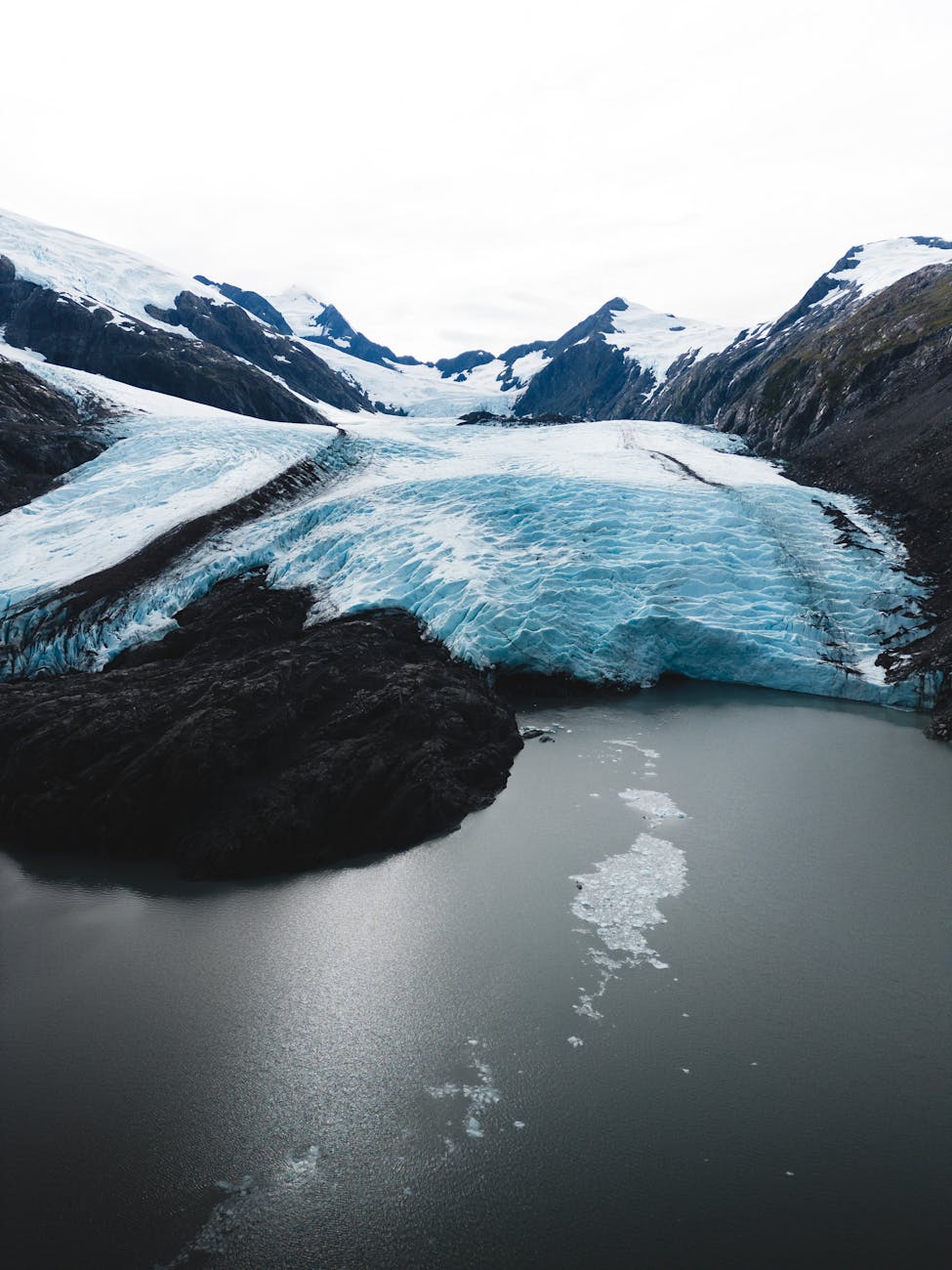
Photo by Tomu00e1u0161 Malu00edk on Pexels.com

Alaska is a prime example of climate change and the effects from it. Alaska has been facing these effects for more than 50 years. The environment there is changing everyday and there is only so much time left to be able to save it.

The state has warmed 3 degrees Fahrenheit, on average, in the summer and 6 degrees in the winter. This seems like a small change but it is actually a lot, and makes a big difference. The state has seen a lot of changes like glaciers shrinking, shores eroding, wildfires, and insects breaking out. These are all effects of climate change, and effects that are likely to continue rising.

These things are happening because of the earth getting warmer. Since the late 1700’s the amount of carbon dioxide that humans put into the atmosphere has increased by 40 percent. Along with that, heat trapping greenhouse gasses also increase at a fast rate. Both of these things cause humidity to increase which causes more rain in areas but can also cause droughts in other areas.

More carbon dioxide being put into the atmosphere also affects the oceans. Carbon dioxide mixed with water forms a carbonic acid which means that the ocean is more acidic. The ocean temperature has also been getting warmer which is why it feels like countries that are really cold face the most effects of climate change.

Whether it feels like it or not the world is suffering and we need to help it. There are a lot of big and little things we can do to help the environment and specifically Alaska. The smaller things include turning off lights when you leave a room, not letting your water run for longer than needed, and trying to walk/bike places more.

A larger thing you can do to make a difference is donating to organizations that work to clean up trash and the environment. If you don’t have the money for that you can personally work to clean up your community.

Something that I think really really does help is speaking up about it and staying updated on what is happening. Along with that, I think teaching people about what is happening to one of the most beautiful states in our country is so important and something we should all take action to fix.

For more information, please visit:

What is the X-59?

By: Yohan Lee

Imagine flying at the speed of sound and cruising over public places whilst not hearing the sound barrier over you. Well, today I’m going to talk about the X-59 and the history of it.

The X-59 was built by NASA and Lockheed Martin. They both came together to try to build a supersonic aircraft that is quiet when flying over you. The X-59 development began in 2016 and the first machined part was made in 2018, then was revealed to the public on January 12, 2024. The X-59 was built in Lockheed Martin’s Skunk Works facility in Palmdale, California.

What is supersonic? Supersonic is a loud sound of an object going over 700 miles per hour. Think of a whip and whipping it. That crackle is exceeding over 700 miles per hour. That crackle is a mini sonic boom. But the X-59 just can’t fly at 700 miles per hour or Mach 1. The X-59 can fly at Mach 1.42 or 940 miles per hour. When the X-59 flies over you at Mach 1 you would only hear a tiny thud. That little thud is about 75 db or just below a jet flying over you at 1000 feet which is about 106 db.

The reason why NASA and Lockheed Martin are trying to quiet the sonic boom is because it’s illegal to fly supersonic over the public for 3 main reasons. They don’t want to startle people thinking we’re going to war, it might kill someone or an animal (out of shock or knocking them over), and it can cause property damage as in breaking windows.

So, how can the X-59 achieve going over Mach 1 while barely hearing the sonic boom? Well, it starts with the nose of the aircraft. The X-59 has a sharp nose that cuts through the air making the aerodynamics much better and thus making the X-59 fly faster. The same goes for the delta wings. The reason why the X-59 has delta wings is because it reduces the effects of the shock waves and makes the sonic boom a quieter sonic boom thump.

The X-59 engines are the f414-GE-100 which are the same engines that are used for the F/A-18E/F/G. But the gears are the same gears that the F-16 uses.

The X-59 comes about 100 feet in length and 30 feet in width. The nose takes up half of the size and since the X-59 nose is long you can’t see much throughout the window. So, that’s why the X-59 is equipped with a camera at the end of the nose to see in front of the nose and to see the other side. The X-59 is equipped with 3 screens, one of them is the camera and the other two are for your basic flight instruments which tell what your plane is doing. Since the X-59 just came out, a lot of stuff is still classified.

So, how can it change aviation? Well, NASA and Lockheed Martin are planning to make a quiet supersonic plane and redesign it to be a commercial plane so we civilians can fly over Mach 1 at 700 miles per hour. For a regular flight from a 737, it takes 5 hours to get to California to Florida flying at a speed of 587 miles per hour. But when you’re flying the X-59 it would only take 3 hours flying at 700 miles per hour.

Why are NASA and Lockheed Martin working together to make the X-59? NASA has its team called QUESST which brings Lockheed Martin and NASA together, and under QUESST is The Quiet Crew. The Quiet Crew is a group assigned specifically to design and fly the X-59. Lockheed Martin collects data and helps build the X-59 since NASA doesn’t own many F-16s and F-18s, and again, the X-59 uses the F-18’s engines and F-16’s gears.

Before NASA had an idea to make the X-59 and convert it to a commercial airplane, the Concorde was the first ever super sonic commercial airliner. The United Kingdom and France made the Concorde in 1969. There were only two airliners who flew the Concorde and it was British Airways and Air France. The Concorde unfortunately retired on November 26, 2003, due to high maintenance and fewer people flying the Concorde since each ticket cost $10,000. Plus, the Concorde was super loud which caused many people to not like the Concorde. The Concorde could fly 2 times faster than the speed of sound or 1,354 miles per hour due to the Concorde having 4 Rolls-Royce/Snecma Olympus 593 engines. Something interesting is that the X-59 and the Concorde had some similarities. They both had a long and sharp nose, delta wings and had stabilizers.

NASA said that the X-59 is going to come out in mid-2030 and hopefully in the future we will have a supersonic commercial airplane. And this is why the X-59 is going to change aviation.

For more information, please visit:

Top 5 poisonous plants (not in order)

By: Cleo Newton

Poisonous plants can look like any other plant if you don’t know which is which. According to Britannica.com, the following are considered to be the world’s most poisonous plants.

Water Hemlock

This plant looks a lot like the Water Parsnip (Sium suave), they’re both made up of clusters of small, white flowers. The Water Hemlock (Cicuta maculata) is the deadliest plant in North America and is closely related to the Poison Hemlock. What makes this plant so deadly is the cicutoxin it’s infused with, especially so in the roots. If you eat this plant, the poison will rapidly generate symptoms that are potentially fatal. Symptoms such as abdominal cramps, nausea, convulsions and death are common. Those who survive eating a Water Hemlock usually have lasting tremors or amnesia.

Deadly Nightshade (Atropa belladonna)

The Deadly Nightshade has shiny black berries and dull green leaves. The sweet berries this plant produces are very poisonous and it’s usually children and unknowing adults that eat these berries. The leaves, roots and berries of this plant contain atropine and scopolamine. Consuming this plant will cause the involuntary muscles in the body to be paralyzed, including the heart. Touching this plant can cause skin irritation.

White Snakeroot

Like the Water Hemlock, this plant has a cluster of small white flowers. These flowers contain a toxic alcohol called trematol. Directly ingesting this plant causes death. You can even die if this poison indirectly makes its way into your body. Eating the meat and/or drinking the milk from poisoned livestock can pass the toxin onto the consumer. Symptoms include nausea, loss of appetite, weakness, abnormal acidity of the blood and death.

Castor Bean (Ricinus communis)

The Castor Bean is widely grown as an ornamental plant; it’s an attractive plant to Africa. Castor oil comes from processed Castor seeds, which naturally contain the poison ricin. Ricin is so deadly that it only takes one or two seeds to kill a child. It takes up to eight to kill an adult. What ricin does is that it impedes the synthesis of proteins in cells, and can cause severe vomiting, seizures, diarrhea, and death. Most of these deaths are caused by the accidental consumption by kids and pets.

Photo by Plantpool images on Pexels.com

Oleander (Nerium oleander)

Like the Castor Bean, this plant is also grown as an ornamental plant. All parts of this plant are poisonous. Oleander contain cardiac glycosides called oleandrin and neriine. Eating this plant can cause diarrhea, erratic pulse, vomiting, coma, seizures, and death, while coming into contact with the sap or leaves of Oleander can irritate the skin. Like the White Snakeroot, this plant is so toxic that people have fallen ill from indirectly ingesting the poison. People have become sick from eating the honey made from bees that visited this flower. Luckily, Oleander isn’t as commonly consumed as it’s very bitter.

After reading this article, I hope you’ve learned a bit more about poisonous plants.

Risks of rising temperatures

By: Siri David

Photo taken by me

In Saint Paul there is a very huge risk with heat rising. The number of the hottest days keeps increasing yearly. This is a huge issue. In the past there was an average of no more than seven days a year that reached higher than 91.2^F. By 2050 it is estimated that there will be up to an average of 36 days a year that reach over that temperature of 91.2.

With temperatures rising this fast there are a lot of health concerns for people. Heat exhaustion and heat stroke are things that can happen to the human body when in the heat for too long. These are a few signs of heat exhaustion: getting light headed, weakness, heavy sweating, and muscle cramps are all really common signs. Heat stroke signs are: dry mouth, hot skin, vomiting, confusion, and seizures.

These are really important things that you need to make sure you’re aware of as temperature rises. If these signs are happening try to get into a cooler setting as soon as possible. If that is not possible try putting water on your neck and wrists, because that will help your body cool down faster.

There are a lot of ways, as humans though, we can work to decrease heat rising so fast. Conserving energy is really important. That means doing little things like turning off all the lights when you leave, not letting your water run for longer than needed, and driving less can also help a lot. Doing these things helps conserve energy.

Another thing that can help out a lot is reducing greenhouse gas emissions. This means trying to use renewable energy sources like solar and hydro powers instead of using fossil fuels. Using electrical vehicles can also help out a lot.

Taking little or larger steps like these can really help the environment, and stop the climate from getting so warm so fast. This is a task that takes all of us one community at a time.

Glaciers

By: Samson Belihu

Image created with AskAI

Glaciers – they are massive, slow moving bodies of ice that form over centuries from accumulated snow.
They are vital indicators of climate change, as they respond sensitively to temperature variation. Unfortunately, global warming has led to significant glacial decline, impacting ecosystems, sea level, and global water patterns.

Causes of Glacier Melting

Rising global temperatures are causing glacial melting. Average global temperatures have increased due to greenhouse gas emission from human activities, such as burning fossil fuels and industrial progress. This warming accelerates the melting of glaciers, particularly in the polar and mountain regions.

Warmer ocean waters also contribute to the melting of glaciers. This is mostly happening in Greenland and Antarctica, which could potentially lead to flooding.

Consequences of Glacier Melting

Melting glaciers contribute to sea level rise, which threatens coastal communities and ecosystems. The increased glacial melting also impacts water supplies. Many regions rely on glacial meltwater for drinking water. As glaciers shrink, communities soon will face water shortages impacting agriculture.

Restoration Efforts

There are several organizations and companies that are focused on restoring glaciers, and the oceans temperature such as: Arctic Ice Project, Greennova Foundation, Mountain Wilderness, etc.

These groups are trying to slow glacial retreat through active intervention. For instance, some projects involve the application of reflective materials on glaciers to increase their albedo and reduce melting. Albedo is a measure of how much sunlight is reflected off of a surface, and it is important for glaciers because it helps regulate the earth’s temperature.

Some companies also research and monitor the changes of glaciers over time. There are also organizations that are working to raise awareness about the importance of glaciers and the big impact they have on climate change.

The melting of glaciers is a massive issue that is caused by climate change, with high consequences for our ecosystems, communities, and global sea levels. Many companies and organizations have stepped up to help with the restoration and conserve these glaciers, which hold many histories that many scientists have not gotten their hands on. There is hope to negate some of the impact of climate change on glaciers, and preserve them for the future generations.

For more information, please visit:

The science of pollination

By: Trump Vang

Pollination is the process by which animals can transfer pollen from a male flower to a female flower. It produces most of the natural things that we eat today; everything from fruit to vegetables are all produced by this process, and it’s integral to our food resources today. Even some non-edible applications, such as seeds, are important for reproduction and the spread of species. Nonetheless, pollination is an important part of nature, though some may wonder what happens behind the title and definition of pollination. What is the Science of Pollination?

All pollination happens due to flowers. Their ability to produce pollen to spread to one another, allows for this process to happen as well as all of its side effects. What is in a flower though? Well there are two main structures within the flower. They’re specifically known as the stamen and the pistil. While the stamen produces the important pollen, the pistil contains genetic information in its ovaries. When pollen comes in contact with the pistil, the process of fertilization starts, and the plant starts to produce seeds for reproduction. 

Now, how does the pollen come in contact with the pistil? Well there are a few different ways that this can occur: wind can disperse pollen and birds, plus insects, can spread them from flowers. Wind is unpredictable, so plants are forced to adapt to the style of animals. Most plants will provide animals the benefit of nectar, a sweet substance, in exchange for having them spread their pollen.

All flowers have different structures, though the pollination happens in the same way. Usually, the animal comes in contact with the flower and attempts to get some of the nectar at the back of the flower. Through this process, pollen is able to get stuck on the animal and stays there until they pass it onto a pistil; this happens in the same process in which they attempt to get nectar from the flower. These processes allow for plants to get pollinated and spread their species.

While providing food (nectar) is the most common way for the process of pollination, there are other ways that plants have adapted to get pollinated. Some plants use visual cues, scents, mimicry and entrapment to get animals to pollinate their flowers. One example of these methods are found in the set of plants known as the Orchid. Often these plants will use scents to lure in their pollinators, just to trap them within their intricate designs. As the organism attempts to escape, it can run into the pollen that the flower’s produce, allowing for population to occur. After a while, the Orchid opens, and the bug is freed from its confines. There are reasons for why these plants differ in their requirements, but for the Orchids it comes in saving their energy in having to make nectar, and ensuring that their pollen is spread properly.

The first ever pollinators most likely passed pollen from one plant to another by accident. Ever since then, both parties in pollination have developed to coexist with one another and thrive together. From bugs like beetles to animals such as bats, they all are effective pollinators, and allow for plants to properly reproduce. The most popular pollinator is the common honeybee which pollinates around 80% of all flowering plants.

With global warming on the rise, pollination is becoming harder and harder. With the warming climates, plants are blooming earlier, which inhibits animal’s time to pollinate them. This change in time throws off all pollinators, leaving us with decreased pollination and starvation. Alongside this, regular pollutants are hurting plants and their pollinators, affecting their reproduction and pollination ability. Taking steps against pollution and global warming is integral to the safety of pollination. Pollination is an important part of our world and the science behind it allows for the world to grow and develop in its own way.

To learn more about pollination, please visit:

Poor air quality in St. Paul, Minnesota: What causes it and how should you deal with it?

By: Audrey Vlaminck

Image taken from Wikimedia Commons

Minnesota’s Air Quality Index reached record highs in the summer of 2021, creating serious risk of negative health impacts for everyone exposed, not just those with sensitivities. Despite the gradual return to the normal range in St. Paul and surrounding areas, going into this year’s wildfire season, residents should remain mindful of the dangers that air quality pollution poses.

Air quality is measured through the Air Quality Index which gives a number to the amount of pollution present, ranging from green (0-50 AQI – Safe to breathe) to maroon (301+ AQI – Hazardous, avoid physical activity outdoors if at all possible. People in high risk groups should remain indoors). This index is extremely useful as it can help warn people of the current risk, and can help people in sensitive groups make educated decisions on the amount of exposure they’re going to be experiencing. Bad air quality can cause shortness of breath and other respiratory problems that have a greater impact on people who have health issues that already impact their breathing.

This bad air quality comes from a variety of factors, but St. Paul is affected a lot by wildfire smoke mostly coming from Canada, as well as more local ozone pollution. While the negative effects of breathing in large amounts of smoke are pretty well known, the dangers of ozone levels are talked about a lot less. Ozone in the atmosphere helps to protect the Earth from radiation, and is extremely helpful. Ground level ozone however, forms when smog and other organic compounds react with each other in high temperatures. Contributors to this type of pollution include vehicles, paints and solvents, factories, and other fossil fuel burning activities. When inhaled, this ozone can cause similar health issues to smoke exposure, such as coughing, chest pain, shortness of breath, and even asthma.

These pollutants and their impacts on the overall Air Quality Index are bad on their own, but they are made much worse by climate change. Hotter weather and longer, drier summers cause wildfires to become more common and be much more destructive when they do happen, causing much more smoke to be produced. Ozone pollution is also worsened by higher temperatures, as they create an environment that is easier for the reactions producing it to happen. An increase in pollution from actions that burn fossil fuels that accelerate climate change also worsen ozone, as they provide more material to react with. Overall, climate change has a direct impact on air quality and the factors that cause it.

Experts predict that this summer’s air quality will be nowhere near as bad as it was last summer due to a milder early wildfire season as well as much less of a drought. Despite this hopeful news, those living in the Twin Cities area should remain conscious of the Air Quality Index and be on the watch for alerts as a drought later on in the summer is not out of the question.

When air quality is bad it is advised to reduce your time spent outdoors, especially intense exercise or any other activity that would cause you to be breathing harder. When inside, make sure to close your doors and windows and run an air filter if you have access to one. If you must go outside, certain types of masks can help reduce the amount of pollution particles you breathe in. Doctors recommend a properly fitting N95 or KN95 mask specifically for this type of filtration.

As climate change progresses, emissions from burning fossil fuels get worse and dry seasons become hotter and longer. This will result in a continuous decline of air quality due to an increase of direct pollutants such as exhaust and smog as well as other factors like ground level ozone and wildfire smoke. While we should not give up in our efforts to reduce this pollution and reverse its effects, these periods of bad air quality have become frequent enough that everyone should know how to read an Air Quality Index score as well as know how to minimize negative health effects when the air becomes harmful.

For more information about air quality, please check out:

Benefits of composting

By: Trump Vang

In our world today, trash is a substantial part of our lives. Just in the United States alone, according to Trashcansunlimited.com, there is 146.1 million tons of waste in landfills, which is equivalent to the weight of 24 Great Pyramids of Giza. It’s an enormous problem in our lives, as it continues to pollute and spread into our environments and systems.

There are a few ways that trash can be mitigated. You’ve most definitely heard of recycling before, which is the process of converting waste and garbage into new materials and objects. One other common method is composting.

What is Composting?

If you didn’t know, composting is the process of recycling organic matter into a nutrient-rich soil or mulch through decomposition. You may see it in your school or at a local dump but its ability to turn food waste into compost is unmatched and integral in diminishing waste.

What Can I Compost?

Just like recycling, you can compost at home too! Though it’s important to know what you can compost. Put simply, try to only compost fruit and vegetable scraps. This can be anything from fresh, cooked, or moldy. Alongside this, it also accounts for leaves, coffee grounds, and grass cuttings.

There are other things that you can compost, but it’s often not recommended to do so. These items include meat and dairy products, which can spoil and attract pests, as well as lawn trimmings which may contain pesticides.

How Can I Compost?

You can either place your compost at a drop off center, or you can compost yourself in a compost bin. To compost, there are four different things that you need to create, and you need a proper combination of these elements to create a good compost: nitrogen, carbon, air, and water.

To achieve these individual elements you need specific things: Greens for Nitrogen, Browns for Carbon, and Oxygen and Water. Often greens, such as grass clippings and food scraps have proper nitrogen for the mix. Browns such as dead leaves, twigs and paper can be added to achieve a proper amount of carbon. For those last two elements, it’s integral to keep proper aeration and moisture within the environment.

Placing all of the materials in a compost bin, you would always want 3 parts brown to 2 parts green to get a proper combination. Make sure to place your compost bin within a dry area for the best growth.

It can often take 2 weeks to a few months for the compost to be ready. When ready, you can use compost for your garden and properly give your plants a nutritious start in their soils.

Going out of your way to compost your waste can go a long way in the big scheme of things. If everyone just decided to limit their trash going into landfills, we all could have a healthier lifestyle on Earth, saving the planet one piece of trash at a time.

The Earth’s Twin: Venus

By Trump Vang

Venus is the second planet from the Sun, neighboring both Mercury and the Earth in its orbit. For the second planet in the solar system, Venus is quite the large terrestrial planet in our system. Its size and mass are roughly the same as the Earth’s and many call the planet the “Earth’s Twin” due to these physical aspects. Though looking deeper, it’s easy to see the differences between the two celestial bodies.

As of today, and even in ancient times, Venus is the second brightest object in the night sky, after the moon. In the past, many astronomers and scientists believed that Venus was a good candidate for life, though their assumptions were wrong. If you didn’t know, Venus has a thick atmosphere that obscures its surface and conditions. With their limited technology at the time, Venus’s atmosphere was able to conceal the planet’s secrets, and make astronomers believe that it could be like the Earth.

All of these thoughts changed when a space probe was first sent to the planet though. In 1970, Russia rocketed a space probe, by the name, Venera 7, to Venus to gather more data on the secretive planet. Despite many people’s beliefs, photos were captured, showing a yellow and orange wasteland covering the planet, disproving any hopes for life. The probe would only last 23 minutes before it was ultimately destroyed by these harsh conditions.

Upon first view, Venus is a yellow planet, covered by a thick atmosphere. Many may think that the planet is a paradise, though the reality is much harsher than most people’s imaginations. Below the thick atmosphere is a hellish landscape and environment. Temperatures can reach, on average, 867 degrees Fahrenheit, or 464 degrees Celsius; it’s enough to melt lead. Moreover, the atmospheric pressure on Venus is 90 times greater than the Earth’s. These conditions on Venus make it much harder to imagine that life actually lives on its surface. With the oppressive heat and pressure, it is impossible for components for life to exist.

Looking at the history of Venus, the planet had possibilities in hosting life itself. Just like the Earth, it had the proper conditions for sustaining life: Good Temperature, Size & Mass, and Organic Material. As the sun grew in its infancy, it became much wilder and much hotter in the process. Since Venus is 30% closer to the Sun than the Earth, its temperatures are higher than on the Earth. Through this and some greenhouse gasses on Venus, the planet exploded in temperature, leaving it to what it is today.

As of today, the planet is still the same with its temperatures and its deathly environment. Though further research has suggested that life may still exist on the planet, just not on its surface. The possibility of life expands, when Venus’s atmosphere is brought into the conversation. There is a specific area within Venus’s atmosphere that provides a warm and prosperous environment for life to flourish within, though no confirmed life has actually been stated to have been found there.

The future looks bright for Venus exploration, especially as many missions have been planned to go there, NASA plans to send two space probes there in the next decade, and ESA is planning to send another one to the planet.

On the surface, Venus is Earth’s Twin in many aspects, though looking deeper both of the planets are highly different in their own ways. Venus is a hellish landscape with high temperatures, while the Earth is a place of flourishing life and comfortable temperatures. As we continue to learn more about the planet and its conditions, we can learn more about its possibilities for life and the future of our own planet.

For more information, please visit:

Effects of de-icing methods

By: Mira Kaufman

As this year’s winter slowly becomes a frozen land, there will be a great need for de-icing methods. Stores across the midwest are selling salt, sand, and underpayment installed heaters which make every day activities a lot safer but are they worth the effects on our earth?

Salt, one of the most popular de-icing methods, is used to melt ice, creating grip and friction on pavements. To use ice, a person, machine, or a special truck will sprinkle road salt onto roads and sidewalks, which will allow patches of ice to melt. A very efficient way of making cities safer in the winter.

According to the EPA, road salt can greatly damage environments by contaminating drinking water, kill wildlife, increase erosion in soil, and cause damage to properties. Road salt is the most common substance for de-icing roads and sidewalks and is made of sodium chloride. The EPA also claims that “Nearly half a million tons is used annually in Massachusetts alone for winter road maintenance.”

In cities, salt must also be spread by trucks and machines that run on gas and oils. With these trucks constantly running, pollutants get added to the air at a much more consistent rate than many other vehicles. These trucks, and the damage caused by ice, can lead to high prices for families, communities, and cities too. These costs can come from damage caused by the chemicals in salt, but also can be found in the higher price of maintenance. According to Bridge Stone Tire, the damage of salt is estimated to cost highway and automobile industries $3.5 to $7 billion per year in the U.S. This price has continued to increase every year.

Stones and sand are also popular de-icing methods but they cause issues of their own. While sand appears harmless because it looks as though it fits into the environment, it is known to clog runoff drains and pipes. The sand used for de-icing may also be non-native to the area, causing a change in the environment and plants that can rely on the soil with its new properties.

Many newer built homes and buildings apply heaters under their pavement to not allow ice or snow to stick. This method of de-icing is the safest for humans, animals, and cars, and can be very environmentally friendly too. While the underground heaters do in fact take a decent amount of energy to use, if the energy is coming from home solar powers, or environmentally friendly city energy sources, then this is a great way to make winters safe while staying friendly to the environment. Unfortunately, this method is quite expensive because the heaters must be installed under the pavement which makes it a luxury, and not an option for many homes and buildings.