Category Archives: News

Risks of rising temperatures

By: Siri David

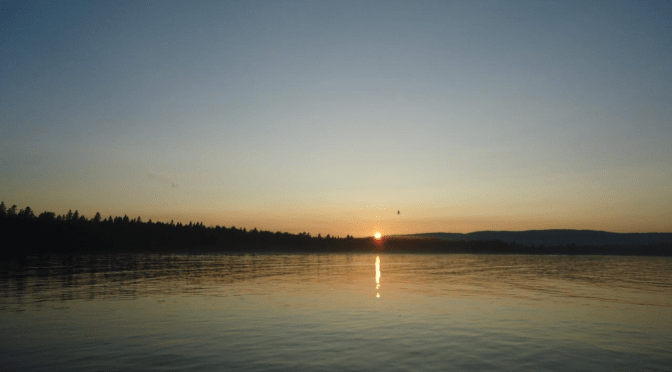
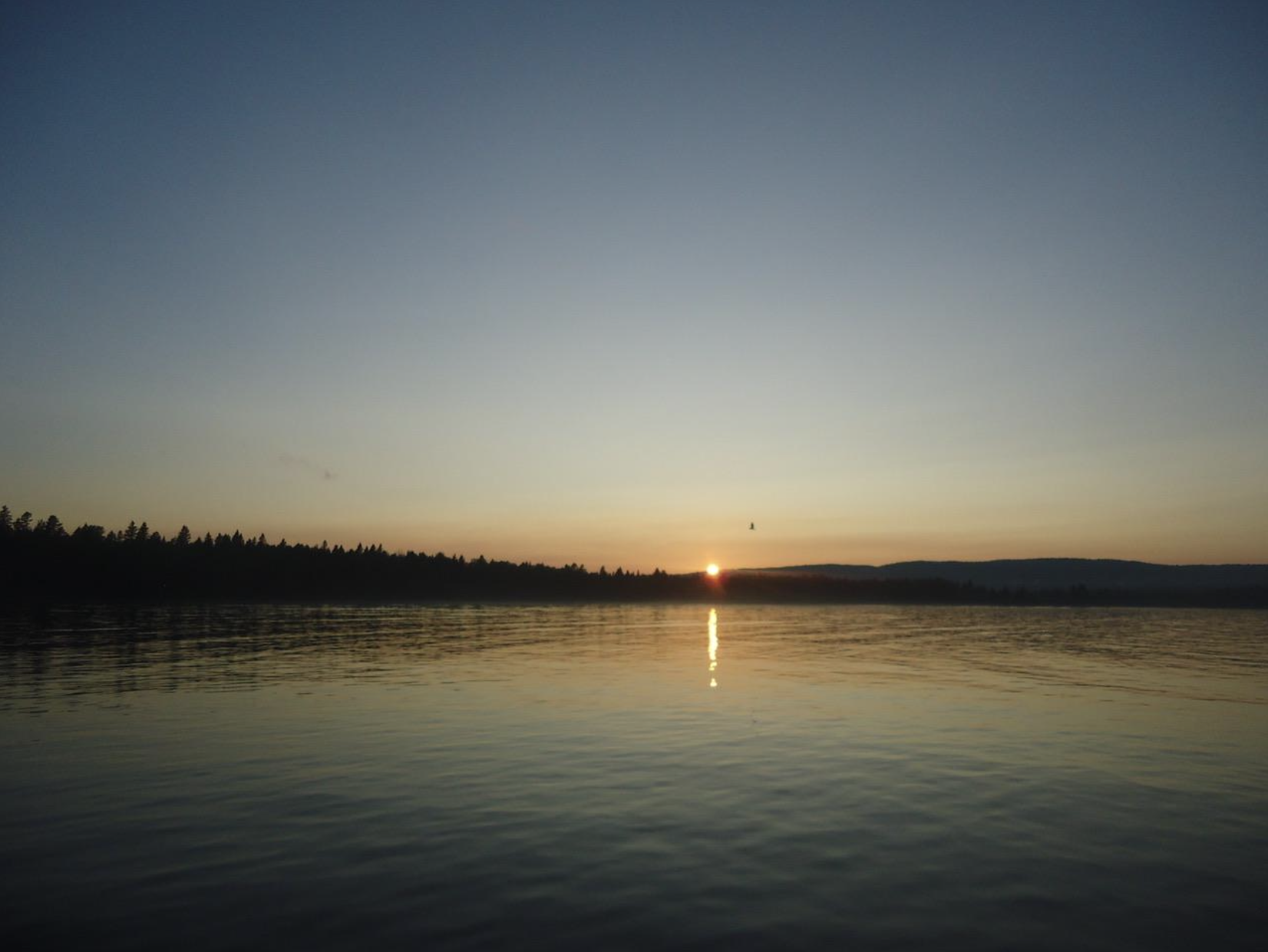
Photo taken by me

In Saint Paul there is a very huge risk with heat rising. The number of the hottest days keeps increasing yearly. This is a huge issue. In the past there was an average of no more than seven days a year that reached higher than 91.2^F. By 2050 it is estimated that there will be up to an average of 36 days a year that reach over that temperature of 91.2.

With temperatures rising this fast there are a lot of health concerns for people. Heat exhaustion and heat stroke are things that can happen to the human body when in the heat for too long. These are a few signs of heat exhaustion: getting light headed, weakness, heavy sweating, and muscle cramps are all really common signs. Heat stroke signs are: dry mouth, hot skin, vomiting, confusion, and seizures.

These are really important things that you need to make sure you’re aware of as temperature rises. If these signs are happening try to get into a cooler setting as soon as possible. If that is not possible try putting water on your neck and wrists, because that will help your body cool down faster.

There are a lot of ways, as humans though, we can work to decrease heat rising so fast. Conserving energy is really important. That means doing little things like turning off all the lights when you leave, not letting your water run for longer than needed, and driving less can also help a lot. Doing these things helps conserve energy.

Another thing that can help out a lot is reducing greenhouse gas emissions. This means trying to use renewable energy sources like solar and hydro powers instead of using fossil fuels. Using electrical vehicles can also help out a lot.

Taking little or larger steps like these can really help the environment, and stop the climate from getting so warm so fast. This is a task that takes all of us one community at a time.

Plastic bag bans

By: Karl Salkowski

Although plastic bags are terrible for the environment, over 500 billion plastic bags are used yearly; 100 billion are used in the USA alone. The average “working life” of a plastic bag is only 15 minutes, and sadly, according to Stillwatermn.gov, only 1-3% of plastic bags are recycled, and less than 10% are reused. This means that the average family using plastic bags in Stillwater, Minnesota will use over 400 a year. Most of these bags are made of polyethylene and can take centuries to degrade. Because of statistics like these many countries are taking action to construct a cleaner future.

California became the first US state to ban single-use plastic bags in 2014. However, this backfired unexpectedly. Instead of consumers switching away from plastic bags, they instead moved toward thick-walled plastic bags. These thick-walled bags not only cost more, but are worse for the environment. According to Nytimes.com, Californians tossed nearly 50% more plastic bags by weight in 2021 than they did in 2014. In response to this loophole, in September of 2024, California  banned all plastic grocery bags regardless of thickness, and required consumers to begin paying 10¢ per paper bag if they lack reusable bags as of 2026.

Some countries have already banned all forms of single-use plastic. One of which is Rwanda. According to Undp.org, in 2008 Rwanda became one of the first countries to ban all single-use plastic bags and bottles. Rwanda even goes as far as to search tourist’s luggage for these single-use plastics upon entering the country. The first country to ban single-use plastic bags was actually Bangladesh in 2002.

More and more countries around the world are beginning to ban single-use plastics. So far, over 3.5 trillion plastic bags have been produced, 160,000 are used a second, and worldwide less than 1% are recycled. These plastic bags can take up to 1,000 years to break down, so it is crucial that countries begin to ban and restrict these plastics as soon as possible.

Glaciers

By: Samson Belihu

Image created with AskAI

Glaciers – they are massive, slow moving bodies of ice that form over centuries from accumulated snow.
They are vital indicators of climate change, as they respond sensitively to temperature variation. Unfortunately, global warming has led to significant glacial decline, impacting ecosystems, sea level, and global water patterns.

Causes of Glacier Melting

Rising global temperatures are causing glacial melting. Average global temperatures have increased due to greenhouse gas emission from human activities, such as burning fossil fuels and industrial progress. This warming accelerates the melting of glaciers, particularly in the polar and mountain regions.

Warmer ocean waters also contribute to the melting of glaciers. This is mostly happening in Greenland and Antarctica, which could potentially lead to flooding.

Consequences of Glacier Melting

Melting glaciers contribute to sea level rise, which threatens coastal communities and ecosystems. The increased glacial melting also impacts water supplies. Many regions rely on glacial meltwater for drinking water. As glaciers shrink, communities soon will face water shortages impacting agriculture.

Restoration Efforts

There are several organizations and companies that are focused on restoring glaciers, and the oceans temperature such as: Arctic Ice Project, Greennova Foundation, Mountain Wilderness, etc.

These groups are trying to slow glacial retreat through active intervention. For instance, some projects involve the application of reflective materials on glaciers to increase their albedo and reduce melting. Albedo is a measure of how much sunlight is reflected off of a surface, and it is important for glaciers because it helps regulate the earth’s temperature.

Some companies also research and monitor the changes of glaciers over time. There are also organizations that are working to raise awareness about the importance of glaciers and the big impact they have on climate change.

The melting of glaciers is a massive issue that is caused by climate change, with high consequences for our ecosystems, communities, and global sea levels. Many companies and organizations have stepped up to help with the restoration and conserve these glaciers, which hold many histories that many scientists have not gotten their hands on. There is hope to negate some of the impact of climate change on glaciers, and preserve them for the future generations.

For more information, please visit:

Minnesota Legislative session: What a mess!

By: Charlie St. Dennis

Image taken from Wikimedia Commons

The Minnesota Timberwolves won their playoff game against the Denver Nuggets on Sunday, May 19th, successfully moving on to the Western Conference Finals against the Dallas Mavericks. While many Minnesotans celebrated at home, bars, or watch parties, a small group of Minnesotans were stuck at the State Capitol working tirelessly to pass as much legislation as they could before the end of the session, which occurred at 12am on Monday, May 20th.

For those who are unaware, Minnesotans are put into state legislative districts, which typically consist of roughly 85,000 people per senate district, and about 42,500 per house district. We elect these leaders, and the current state makeup is 70-64 with a DFL majority in the House, and 34-33 with a DFL majority in the Senate as well. Having such narrow majorities in both legislative bodies makes it incredibly difficult for legislation to pass, because it means you need *every* DFLer on board, or your legislation might die.

Unfortunately, that happens often. I’ll start reviewing this past legislative session with what I consider the *wins* for Minnesotans. Powerful bills challenging oppressive institutions, like the Minnesota African-American Family Preservation Act, introduced in the house by Rep. Esther Agbaje (DFL) gained bipartisan support from DFLers and Republicans alike, including Sen. Bobby Joe Champion (DFL) and Sen. Clare Oumou Verbeten (DFL), and Rep. Walter Hudson (R) and Sen. Jim Abeler (R), who ended up sponsoring this important piece of legislation. The goal of this legislation is to promote family reunification and appropriate social services for disproportionately affected African-American families.

They were also able to work with intergovernmental relations from the Minneapolis City Council and passed worker protections legislation for Uber/Lyft drivers. They also passed HR1989, a billed lovingly nicknamed the “Taylor Swift Ticketing Bill,” which was a bill basically saying that companies like Ticketmaster and AXS must disclose ticket prices with fees included, instead of just revealing right as people pay.

While this may not sound like a lot, you’re right, it’s not. I skipped over some of the really boring stuff, but mostly this year had a pretty blank slate, at least until the last day. The DFL realized they had a lot of work left to do due to some long, unnecessary debates from the Republicans. This leftover work notably included FairVote Minnesota’s Local Options Bill, which guarantees ranked choice voting as an option in local elections across the state. In addition to this, many activists and DFLers across the state were pushing for the Equal Rights Amendment to pass, which had been pushed to the last week of session for a second year now.

The DFL wanted to accomplish all of their legislative goals before that upcoming midnight deadline, so their solution was to make multiple omnibus bills, which means to combine pieces of legislation together and speed up the process. Once combing these omnibuses, they put it into one big omnibus: not so lovingly nicknamed “Omnibus Prime” or the “Megabus.”

This was appalling to Republicans. Despite admitting last year that they don’t read the bills (they accidentally legalized cannabis), now they suddenly care about having time to read this legislation. When Speaker Melissa Hortman (DFL) recognized a motion from Rep. Jamie Long (DFL) for a roll call vote, Minority Leader Lisa Demuth (R) began yelling “Madam Speaker!,” questioning her integrity as she thought she was not following the rules, along with several other Republican colleagues. This yelling went on for upwards of 30 minutes, which successfully left the legislature out of time to pass any legislation on to the Senate.

While I agree that the “Omnibus Prime” package was a lot to deliver on the final night of session, I also believe that Speaker Hortman, who has served in the House for 20 years now, is a reverent leader who knows what she’s doing. She recognized a motion, as she should, and they were going to begin a roll call vote, as they should. Because the *Republicans* didn’t understand the rules, we weren’t able to get nearly as much done this session as we could’ve. Although, despite not having the greatest record this past session, this has been the most productive biennium in 50 years.

My message for Republicans: you do not get to spin the rules just because they aren’t in your favor. You do not get to throw a hissy fit because you don’t want to progress our state. And lastly, the voters in November will look at the TV ads, campaign mailers, and lawn signs for your candidates and legislators and think of the way they acted like toddlers once given a position of power. And best believe they will vote accordingly.

The science of pollination

By: Trump Vang

Pollination is the process by which animals can transfer pollen from a male flower to a female flower. It produces most of the natural things that we eat today; everything from fruit to vegetables are all produced by this process, and it’s integral to our food resources today. Even some non-edible applications, such as seeds, are important for reproduction and the spread of species. Nonetheless, pollination is an important part of nature, though some may wonder what happens behind the title and definition of pollination. What is the Science of Pollination?

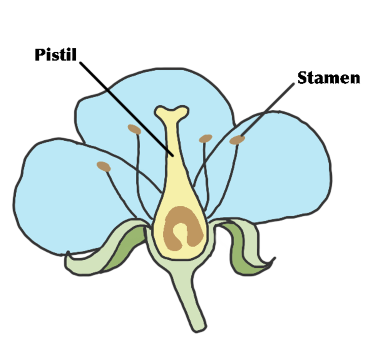
All pollination happens due to flowers. Their ability to produce pollen to spread to one another, allows for this process to happen as well as all of its side effects. What is in a flower though? Well there are two main structures within the flower. They’re specifically known as the stamen and the pistil. While the stamen produces the important pollen, the pistil contains genetic information in its ovaries. When pollen comes in contact with the pistil, the process of fertilization starts, and the plant starts to produce seeds for reproduction. 

Now, how does the pollen come in contact with the pistil? Well there are a few different ways that this can occur: wind can disperse pollen and birds, plus insects, can spread them from flowers. Wind is unpredictable, so plants are forced to adapt to the style of animals. Most plants will provide animals the benefit of nectar, a sweet substance, in exchange for having them spread their pollen.

All flowers have different structures, though the pollination happens in the same way. Usually, the animal comes in contact with the flower and attempts to get some of the nectar at the back of the flower. Through this process, pollen is able to get stuck on the animal and stays there until they pass it onto a pistil; this happens in the same process in which they attempt to get nectar from the flower. These processes allow for plants to get pollinated and spread their species.

While providing food (nectar) is the most common way for the process of pollination, there are other ways that plants have adapted to get pollinated. Some plants use visual cues, scents, mimicry and entrapment to get animals to pollinate their flowers. One example of these methods are found in the set of plants known as the Orchid. Often these plants will use scents to lure in their pollinators, just to trap them within their intricate designs. As the organism attempts to escape, it can run into the pollen that the flower’s produce, allowing for population to occur. After a while, the Orchid opens, and the bug is freed from its confines. There are reasons for why these plants differ in their requirements, but for the Orchids it comes in saving their energy in having to make nectar, and ensuring that their pollen is spread properly.

The first ever pollinators most likely passed pollen from one plant to another by accident. Ever since then, both parties in pollination have developed to coexist with one another and thrive together. From bugs like beetles to animals such as bats, they all are effective pollinators, and allow for plants to properly reproduce. The most popular pollinator is the common honeybee which pollinates around 80% of all flowering plants.

With global warming on the rise, pollination is becoming harder and harder. With the warming climates, plants are blooming earlier, which inhibits animal’s time to pollinate them. This change in time throws off all pollinators, leaving us with decreased pollination and starvation. Alongside this, regular pollutants are hurting plants and their pollinators, affecting their reproduction and pollination ability. Taking steps against pollution and global warming is integral to the safety of pollination. Pollination is an important part of our world and the science behind it allows for the world to grow and develop in its own way.

To learn more about pollination, please visit:

How Uber and Lyft drivers fought to stop their own exploitation

By: Jocelyn Knorr

Image taken from Wikimedia Commons

You’ve probably seen the social media buzz—Uber and Lyft are finally being held to Minnesota’s minimum wage laws. But how did we get here, and why weren’t they held to these laws in the first place? To find the answer, we have to go back to 2013, when the rideshare companies began operating unregulated in the Twin Cities. Minneapolis scrambled to let them operate legally, drafting amendments to the city’s taxi laws to allow them in; at the time pay was less of a priority than regulation of who could become a driver, as the lack of regulation made it attractive to people who would otherwise find it difficult to find jobs, such as those convicted of assault or other violent crimes.

Things moved fairly smoothly for a while—Uber and Lyft became the default way to get around the city without your own automobile, especially after they were allowed to pick people up at MSP airport.

Uber became the biggest startup in the world in 2019, and even COVID couldn’t stop it. When the pandemic impacted employment, more and more people turned to rideshares as a way to make money; they became an important source of income for students, and disabled people who couldn’t work a full day.

Immigrants also use rideshares as a source of income; according to the Minnesota Department of Labor and Industry, 61% of rideshare drivers in Minnesota are foreign-born. Rideshares allow immigrant workers to find work, skipping over the preconceived notions of hiring managers.

However, this is when issues began to arise—or rather, were noticed. Things like sales tax, meant to be borne by riders, began to be skimmed via “administrative fees.” Uber claimed that there was an option for drivers to charge riders for tolls and other fees, but no option for that ever seemed to have existed in the Uber app. While Uber and Lyft claimed that their drivers made above minimum wage, the truth is that it was actually well under.

At the same time, international strikes were staged by drivers, hoping to bring awareness of what companies were doing to them. A new group of Minnesota drivers, the Minnesota Uber/Lyft Drivers Association, spoke to the state’s Democrats in 2022. They pledged to strike a deal with rideshare companies, and began pushing a bill to set a minimum pay floor.

New York state began an inquiry about a year later; they found that rideshare companies had systematically shorted their drivers out of a collective $328 million via the methods outlined. They instituted a pay floor for drivers in accordance with New York minimum wage—Minneapolis did something similar, ensuring drivers a rate of $1.41 per mile.

This enraged Uber and Lyft, who threatened to leave the city of Minneapolis. They did something similar in Austin in 2016, over fingerprint background checks for drivers—the city council had to revoke the ordinance entirely to make the rideshare companies come back.

Meanwhile, in the Minnesota Senate, Omar Fateh (D), who represents District 62, spent most of 2023 pushing for a statewide minimum pay rate. The Democratic party only has a one-vote majority, and Senator Fateh (D) held up proceedings until the bill was passed—Democrats would be forced to either pass the pay minimum, or work with Republicans to get anything done.

The minimum pay bill passed just under the wire on May 18, 2024. It guarantees $1.28 per mile in accordance with both Uber and Lyft and U/LDA; under Minnesota laws, drivers will now make $15.57 per hour. The rideshare companies have since agreed not to pull out.

However, all is not completely sunny. There’s something to be said about the House and Senate going over Minneapolis’ head and acquiescing to large corporations. To quote Minneapolis City Council member Aisha Chughtai (D), “Preemption is bad. Period. Any and all attempts to undermine local control are bad. It’s a Republican and corporate tactic used around the country. Watching our [Governor Walz] cave to multibillion dollar corporations in insisting on preempting Minneapolis is gross.”

The law, too, doesn’t go into effect until January 1, 2025. How many people will be unable to keep their head above water until then? Will Uber and Lyft manage to alter the terms? We just can’t know. For now, we ought to keep these people in mind for the next year; both the rideshare drivers, whose income is still not safe, and the legislators that made this happen—especially in November, when many of them are up for re-election.

Poor air quality in St. Paul, Minnesota: What causes it and how should you deal with it?

By: Audrey Vlaminck

Image taken from Wikimedia Commons

Minnesota’s Air Quality Index reached record highs in the summer of 2021, creating serious risk of negative health impacts for everyone exposed, not just those with sensitivities. Despite the gradual return to the normal range in St. Paul and surrounding areas, going into this year’s wildfire season, residents should remain mindful of the dangers that air quality pollution poses.

Air quality is measured through the Air Quality Index which gives a number to the amount of pollution present, ranging from green (0-50 AQI – Safe to breathe) to maroon (301+ AQI – Hazardous, avoid physical activity outdoors if at all possible. People in high risk groups should remain indoors). This index is extremely useful as it can help warn people of the current risk, and can help people in sensitive groups make educated decisions on the amount of exposure they’re going to be experiencing. Bad air quality can cause shortness of breath and other respiratory problems that have a greater impact on people who have health issues that already impact their breathing.

This bad air quality comes from a variety of factors, but St. Paul is affected a lot by wildfire smoke mostly coming from Canada, as well as more local ozone pollution. While the negative effects of breathing in large amounts of smoke are pretty well known, the dangers of ozone levels are talked about a lot less. Ozone in the atmosphere helps to protect the Earth from radiation, and is extremely helpful. Ground level ozone however, forms when smog and other organic compounds react with each other in high temperatures. Contributors to this type of pollution include vehicles, paints and solvents, factories, and other fossil fuel burning activities. When inhaled, this ozone can cause similar health issues to smoke exposure, such as coughing, chest pain, shortness of breath, and even asthma.

These pollutants and their impacts on the overall Air Quality Index are bad on their own, but they are made much worse by climate change. Hotter weather and longer, drier summers cause wildfires to become more common and be much more destructive when they do happen, causing much more smoke to be produced. Ozone pollution is also worsened by higher temperatures, as they create an environment that is easier for the reactions producing it to happen. An increase in pollution from actions that burn fossil fuels that accelerate climate change also worsen ozone, as they provide more material to react with. Overall, climate change has a direct impact on air quality and the factors that cause it.

Experts predict that this summer’s air quality will be nowhere near as bad as it was last summer due to a milder early wildfire season as well as much less of a drought. Despite this hopeful news, those living in the Twin Cities area should remain conscious of the Air Quality Index and be on the watch for alerts as a drought later on in the summer is not out of the question.

When air quality is bad it is advised to reduce your time spent outdoors, especially intense exercise or any other activity that would cause you to be breathing harder. When inside, make sure to close your doors and windows and run an air filter if you have access to one. If you must go outside, certain types of masks can help reduce the amount of pollution particles you breathe in. Doctors recommend a properly fitting N95 or KN95 mask specifically for this type of filtration.

As climate change progresses, emissions from burning fossil fuels get worse and dry seasons become hotter and longer. This will result in a continuous decline of air quality due to an increase of direct pollutants such as exhaust and smog as well as other factors like ground level ozone and wildfire smoke. While we should not give up in our efforts to reduce this pollution and reverse its effects, these periods of bad air quality have become frequent enough that everyone should know how to read an Air Quality Index score as well as know how to minimize negative health effects when the air becomes harmful.

For more information about air quality, please check out:

What’s on your ballot in 2024 and why it’s important

By: Charlie St. Dennis

Photo by Element5 Digital on Pexels.com

If you’ve at all been watching the news over the past few months, you might be aware that there’s a presidential election coming up in November. The two major parties, Democrats and Republicans, have nominated President Joe Biden and former President Donald Trump, respectively. Even though that’s getting a lot of attention, rightfully so, the ballot is going to be full of elections this year. Here is your guide to what you will be voting for.

US Senate

Sen. Amy Klobuchar (DFL) has represented Minnesota in the Senate since 2007, and is expected to be the DFL’s nominee for a third term in the Senate. Currently, 7 Republicans have filed to be on the ballot for the August primary, where they will ultimately decide their nominee. The DFL is expected to endorse Sen. Klobuchar at their State Convention in Duluth later this spring. The MN GOP has declined to endorse thus far.

US Representative

If you live in St. Paul or Minneapolis, you either live in District 4 or District 5. District 4 contains all of Ramsey County and a portion of Washington County. This means it contains all of Saint Paul and its Eastern surrounding suburbs, like Woodbury, Stillwater, West St. Paul, and more. District 4 has been represented by Rep. Betty McCollum (DFL) since 2001, and in her 23 year tenure, she has yet to face a formidable primary challenge. That remains unwavered this year. The DFL is expected to endorse her at the CD4 Convention later this month. May Lor Xiong, an educator, is the Republican poised to win the nomination. She ran in 2022 and lost with roughly 32% of the vote.

If you live in Minneapolis and it’s surrounding suburbs, however, you are likely in CD5. The district has been represented by Rep. Ilhan Omar, who has held the seat since 2019. Rep. Omar is currently facing a formidable primary challenge from Former Councilmember Don Samuels, who resides in North Minneapolis. Samuels has painted himself to be a more “pragmatic” alternative to Omar, who has proven to be one of the most progressive members of Congress. This race will likely be close, but Rep. Omar is expected to secure endorsements of many elected officials and potentially the DFL party, which will be decided on May 11th. Samuels previously ran a well-funded campaign against Omar in 2022, but was defeated in the primary.

State Legislature

This year, every state house seat will be up for election. State house seats are up every two years, and many Twin Cities Metro candidates are not facing formidable primary or general election challengers. The state legislature makes decisions that directly affect you, more so than the federal government. While these races may not seem exciting, they determine your rights.

Ballot Measures

In St. Paul, voters will vote on a childcare ballot measure. Voters would be voting on an increased property tax. The money from the increased tax would fully cover childcare for newborns to 5-year-olds from low-income families who fall 185 percent below the poverty line. That makes up the majority of the children in our city.

School Board (Minneapolis Only)

Since St. Paul voted on 4 school board seats last year, this year we have off. Minneapolis, on the other hand, will be voting for 4 seats. The seats are currently occupied by Kim Ellison, Ira Jourdain, Sharon El-Amin, and Adriana Cerrillo. Cerrillo and Ellison are running for re-election unopposed, Ira Jourdain is stepping down to run for State House, and El-Amin faces a challenger in Janie Gholston. Minneapolis Federation of Teachers President Greta Callahan is running against Lara Bergman for Jourdain’s seat. The Minneapolis DFL will reconvene their convention in May to endorse in that race.

Important Dates

It is important to note that regardless of the endorsement process, the voters will ultimately be selecting each party’s respective nominee. The statewide primary will be Tuesday, August 13th. Those nominees will engage in a 3-month general election campaign cycle, which will come down to Election Day, which is Tuesday, November 5th.

All elections are important, not just the ones getting attention. All 16, 17, and 18 year olds are able to pre register with the Secretary of State’s Office. Once you are 18, you can vote in all of these elections. Check your voter status at: www.mnvotes.org

Benefits of composting

By: Trump Vang

In our world today, trash is a substantial part of our lives. Just in the United States alone, according to Trashcansunlimited.com, there is 146.1 million tons of waste in landfills, which is equivalent to the weight of 24 Great Pyramids of Giza. It’s an enormous problem in our lives, as it continues to pollute and spread into our environments and systems.

There are a few ways that trash can be mitigated. You’ve most definitely heard of recycling before, which is the process of converting waste and garbage into new materials and objects. One other common method is composting.

What is Composting?

If you didn’t know, composting is the process of recycling organic matter into a nutrient-rich soil or mulch through decomposition. You may see it in your school or at a local dump but its ability to turn food waste into compost is unmatched and integral in diminishing waste.

What Can I Compost?

Just like recycling, you can compost at home too! Though it’s important to know what you can compost. Put simply, try to only compost fruit and vegetable scraps. This can be anything from fresh, cooked, or moldy. Alongside this, it also accounts for leaves, coffee grounds, and grass cuttings.

There are other things that you can compost, but it’s often not recommended to do so. These items include meat and dairy products, which can spoil and attract pests, as well as lawn trimmings which may contain pesticides.

How Can I Compost?

You can either place your compost at a drop off center, or you can compost yourself in a compost bin. To compost, there are four different things that you need to create, and you need a proper combination of these elements to create a good compost: nitrogen, carbon, air, and water.

To achieve these individual elements you need specific things: Greens for Nitrogen, Browns for Carbon, and Oxygen and Water. Often greens, such as grass clippings and food scraps have proper nitrogen for the mix. Browns such as dead leaves, twigs and paper can be added to achieve a proper amount of carbon. For those last two elements, it’s integral to keep proper aeration and moisture within the environment.

Placing all of the materials in a compost bin, you would always want 3 parts brown to 2 parts green to get a proper combination. Make sure to place your compost bin within a dry area for the best growth.

It can often take 2 weeks to a few months for the compost to be ready. When ready, you can use compost for your garden and properly give your plants a nutritious start in their soils.

Going out of your way to compost your waste can go a long way in the big scheme of things. If everyone just decided to limit their trash going into landfills, we all could have a healthier lifestyle on Earth, saving the planet one piece of trash at a time.

The Earth’s Twin: Venus

By Trump Vang

Venus is the second planet from the Sun, neighboring both Mercury and the Earth in its orbit. For the second planet in the solar system, Venus is quite the large terrestrial planet in our system. Its size and mass are roughly the same as the Earth’s and many call the planet the “Earth’s Twin” due to these physical aspects. Though looking deeper, it’s easy to see the differences between the two celestial bodies.

As of today, and even in ancient times, Venus is the second brightest object in the night sky, after the moon. In the past, many astronomers and scientists believed that Venus was a good candidate for life, though their assumptions were wrong. If you didn’t know, Venus has a thick atmosphere that obscures its surface and conditions. With their limited technology at the time, Venus’s atmosphere was able to conceal the planet’s secrets, and make astronomers believe that it could be like the Earth.

All of these thoughts changed when a space probe was first sent to the planet though. In 1970, Russia rocketed a space probe, by the name, Venera 7, to Venus to gather more data on the secretive planet. Despite many people’s beliefs, photos were captured, showing a yellow and orange wasteland covering the planet, disproving any hopes for life. The probe would only last 23 minutes before it was ultimately destroyed by these harsh conditions.

Upon first view, Venus is a yellow planet, covered by a thick atmosphere. Many may think that the planet is a paradise, though the reality is much harsher than most people’s imaginations. Below the thick atmosphere is a hellish landscape and environment. Temperatures can reach, on average, 867 degrees Fahrenheit, or 464 degrees Celsius; it’s enough to melt lead. Moreover, the atmospheric pressure on Venus is 90 times greater than the Earth’s. These conditions on Venus make it much harder to imagine that life actually lives on its surface. With the oppressive heat and pressure, it is impossible for components for life to exist.

Looking at the history of Venus, the planet had possibilities in hosting life itself. Just like the Earth, it had the proper conditions for sustaining life: Good Temperature, Size & Mass, and Organic Material. As the sun grew in its infancy, it became much wilder and much hotter in the process. Since Venus is 30% closer to the Sun than the Earth, its temperatures are higher than on the Earth. Through this and some greenhouse gasses on Venus, the planet exploded in temperature, leaving it to what it is today.

As of today, the planet is still the same with its temperatures and its deathly environment. Though further research has suggested that life may still exist on the planet, just not on its surface. The possibility of life expands, when Venus’s atmosphere is brought into the conversation. There is a specific area within Venus’s atmosphere that provides a warm and prosperous environment for life to flourish within, though no confirmed life has actually been stated to have been found there.

The future looks bright for Venus exploration, especially as many missions have been planned to go there, NASA plans to send two space probes there in the next decade, and ESA is planning to send another one to the planet.

On the surface, Venus is Earth’s Twin in many aspects, though looking deeper both of the planets are highly different in their own ways. Venus is a hellish landscape with high temperatures, while the Earth is a place of flourishing life and comfortable temperatures. As we continue to learn more about the planet and its conditions, we can learn more about its possibilities for life and the future of our own planet.

For more information, please visit: