All posts by HPSH Plaid Line

The impact of music on mental health

By: Kate Tabor

Image created using ChatGPT

We all love music, and it turns out that it’s for a good reason. Many studies have shown that music can have a positive impact on your mental health (and even your physical health, if only by a bit). Here’s how.

Music helps distract us from our thoughts and lowers our stress. Listening to music can lower stress hormones, as well as blood sugar and heart rate, both of which are things that spike when you’re stressed. If you want to block out the world and forget about whatever problems you’re dealing with at the moment, listening to songs that share a different story is a good way to do that.

Not only can it help with stress, it can help you name your emotions, and manage them better. If you’re feeling off, but don’t know why, try listening to classical music. It sounds silly, but hearing a melody without lyrics helps you project your own feelings onto the music, without the music already having a feeling or meaning.

Even without classical music, songs can often help us figure out what we’re feeling as well. I can’t count how many times I turn on one of my favorite songs casually, and even though I’ve heard it a million times before, a lyric sticks out to me and I just think wow, where are the cameras hidden? Music can help you place your feelings, and also feel seen in those feelings.

Music builds community. It brings people together. Music festivals, radio shows, Spotify playlists, etc. A popular app around my age group a bit ago was an app called Airbuds Widget, where you can share what you’re listening to with your friends. I’ve made so many friends based on just recognizing that we both listen to the same artist.

Music can also boost your mood when you’re feeling down, which I find to be especially true. Everyday, I hop in my car after school and turn my favorite playlist on, and I immediately feel better.

Even just half an hour ago, I was unmotivated to start writing this article, but I sat down, put my airpods in, and got to work. Music has a huge impact on me, and I’m sure many others, on how motivated I feel.

Music can be a great tool, even when we don’t realize it.

For more information, please visit:

The new age of blood shortages

By: Maya Vossen-Nelson

Nearly 6.8 million people donate blood per year in the United States, providing vital resources and support to cancer patients, surgeries, accident and burn victims, and organ transplant patients. In July 2024, the American Red Cross reported a record low in donor participation dropping by 25%. This shortage began during a nationwide heat wave over the summer and donor numbers have not returned to their normal levels since.

Recently, factors such as climate disasters have increased the demand for blood units and the drop in donations are unable to replace the inventory. Blood centers are reporting that limited donor sites, loss of staffing at blood centers, new illness and medication constraints for donation eligibility, along with a decrease in workplace donation events since the rise of remote working have all contributed to lower donor numbers.

Blood shortages are a pressing symptom of the overburdened, under-resourced healthcare system. As of March 4, 2025, of the 53 community blood centers and 90 hospital based blood centers in the United States, 46% have less than a two-day supply of blood.

Amid these unresolved blood shortages, surgeons have turned to blood supply usage efficiency as a method of mitigating the lower supply consequences. Adoption of Patient Blood Management (PBM) policies currently include using preoperative strategies to increase red cell mass, intraoperative cell salvage, and the management of anemia in patients.

To most patients, this medical jargon carries little meaning, overshadowing its influence in medicine. The Association for the Advancement of Blood & Biotherapies (AABB) describes the importance of, and medical situations where, PBM is used: “PBM encompasses all aspects of the transfusion decision-making process, beginning with the initial patient evaluation and continuing through clinical management. These techniques are designed to ensure optimal patient outcomes, while maintaining the blood supply to guarantee that blood components are available for patients when they are needed.”

Preoperative strategies to increase red cell mass include pre-op testing 3 to 4 weeks in advance of the surgery to undergo blood testing and receive proper supplements or medication to resolve anemia.

On average, patients with anemia require an additional liter of blood during surgeries and require longer hospital stays compared to their counterparts. Given that 22.8% of people worldwide are anemic, resolving anemia even temporarily for a surgery would significantly decrease pressure on blood centers.

Intraoperative cell salvage (ICS) is a method used during surgery to collect red blood cells lost during surgery and reintegrating them into the body. Before the blood transfusion, the red cells are processed and repaired. This blood management method requires no additional blood.

These strategies have increased the ability for blood centers to cope with the blood shortages, but the ultimate fix is recruiting more donors. Of the 37% of eligible donors, only 3% choose to donate. Your donation is more important than ever. To schedule a blood donation with the American Red Cross visit: https://www.redcrossblood.org and select from countless donor drives near you.

For more information, please visit:

Procrastination: How to break the habit

By: Hermekay Dehaney  

Photo by Mat Brown on Pexels.com

The definition of procrastination is, “The act of delaying something that you should do, usually because you do not want to do it.” It’s safe to say that the majority of us have had this habit once in our lifetime, by telling ourselves, “I’ll start tomorrow,” when it comes to delaying doing our homework, chores, or studying.

It’s often frustrating dealing with such a habit, especially if you want to be a person who’s always on top of assignments, but it’s harder to say than do, which often leads to self-criticism.

But how exactly do you break free from this habit? 

Well, for starters, we need to identify the six types of procrastinators. The types of procrastinators are not based on personalities, so you don’t have to  fall under one specific type. Your reason for procrastinating can change based on factors and experiences on what you’re procrastinating from. So yes, it’s likely you can fall into different styles. 

Knowing which one you are in that moment is a step closer to breaking the habit, as different strategies work best for different types. Here is a breakdown of the six types: 

  1. The perfectionist: They avoid starting or finishing tasks for fear of not being able to do them perfectly.  Dr. Linda Sapadin says, “The perfectionist pays too much attention to detail, and you would think a perfectionist does not procrastinate, but that’s not true because a perfectionist pays so much attention to detail that they often can’t finish a project.”

Tips:  Focus on progress rather than perfection – remind yourselves that it’s okay to make mistakes. Set realistic over idealistic goals, you can start by making time limits for yourselves when doing an assignment to avoid spending a lot of time obsessing over it. 

  1. The dreamer: Puts off tasks because they are not good at paying attention to detail. Similar to perfectionists, they have big ideas, but dreamers struggle with taking action. 

Tips: Create a to-do list, make small daily goals that are achievable that are realistic, and set a realistic time to do it. That doesn’t mean giving up on your bigger long-term goals, set time apart regularly to do them, little by little, it will eventually build up over time. 

  1. The worrier:  This is usually the “what ifs”; they overthink to the point where they fear failing, so they avoid the task altogether.

Tips:  A quote by George Clooney says, The only failure is not to try.” By letting fear overthrow you, that will allow you to never see your full potential. Try to prioritize important tasks and create a clear plan. Worrying is often a sign of anxiety, so try to share concerns with trusted and supportive friends and family, or a therapist. Try to alleviate fear to the best of your ability by meditation, and journaling.

  1. The defier: They procrastinate because they don’t like being told what to do. 

Tips: Try to turn assignments into a personal task rather than an obligation. Set a personal schedule when you want to accomplish an assignment, this tip will help you feel in control. 

  1. Crisis-maker: They purposely put off tasks because they like the adrenaline of working under pressure. 

Tips: Try to find healthier habits for using adrenaline, such as sports. Try to start assignments on time by rewarding yourself when you do. Create your own earlier deadline as well as a small competition with yourself for each task to avoid last-minute rushing. 

  1.  Over-doer: Takes on too many tasks at once, leading to a struggle to find the time to complete all of the tasks. 

Tips: Try to create a to-do list, make sure to prioritize the more important tasks first such as studying for a big summative. Don’t burn yourself out, maybe set 1-2 hours a day to doing 2 assignments, make sure to give yourselves 10-15 minute breaks in between. 

Staying consistent might not be easy, but when you try, you will notice a difference in your everyday life. 

For more information, please visit:

Would you pay 5 million dollars to immigrate?

By: Evie Beaumaster

Image taken from Whitehouse.gov

5 million dollars is the cost that Donald Trump put on his “Gold card”, which is an immigration visa that will be available for purchase. Trump recently announced these at a press conference in the Oval Office.

There is already a similar visa in place called the EB-5 Visa which is available for people to invest in businesses in America. These visas cost $1,050,000 or $800,000 in investment for businesses here. While this visa is strictly for businesses, it is available for anyone to buy if they meet the criteria.

Trump’s “Gold Card” visa would replace the EB-5 Visa but it is an astronomically high cost for a business visa. There are very few people in other countries that have enough money for this visa. The “Gold Card” would also not be an effective route to citizenship. 5 million dollars is a lot of money just to live somewhere. 

Other countries have tried similar visas, often called golden visas; they have existed in many European countries but they are sparking concern about who exactly is spending that money for a visa, with people saying that many times it is people using the visas for criminal purposes. Some of the European countries that have these visas are: Spain, Italy, Greece, Portugal and Ireland. These countries started the “gold visas” as a way to make up economic shortfalls.

 One of the negative effects of these visas was that richer immigrants came and bought out a lot of local housing and they drove up rental costs and home costs. Many of these countries have since stopped these programs due to the European Union’s warning about people fleeing from Russia as well as these visas being used for corruption, tax evasion, and money laundering. Many countries in the Middle East are considering these golden visas in addition to the US. These visas are raising concerns about how, and if, these will be used by criminals.

Trump has also voiced how the “Gold Card” would be extremely successful and he seems fully sold on the idea that wealthy people will flock here and spend money and pay taxes. When asked if Russian oligarchs would be able to come, Trump responded, with “Yeah possibly I know some oligarchs that are very nice people, it’s possible”. For people who may not know, an oligarchy is defined as a form of government where a very small number of people have power. There is a large number of oligarchs in Russia, so they might try to immigrate to America with this new visa. While he said that people coming here would be “vetted” he has not expressed any information about how this system would be happening, and he did not say how people would apply, and how these applications would be approved.

At the end of the day, the story that is being spread from the US government is that, if you are rich enough to pay millions to get to America, you are rich enough to stay. We must ask ourselves, is this the message we want to send to the world after our country was founded by poor immigrants. Because, after all, most people in America had a relative that came here at some point who was not rich enough to buy a ticket to a “better” life.

For more information, please visit:

The Lumineers new album ‘Automatic’ review

By: Grace Wright

The Lumineers started in New Jersey in 2005 with Wesley Schultz lead singer/guitarist and Jeremiah Fraites a dummer. They struggled with getting their music out so they moved to Denver in 2009. When they moved to Denver they went through many different music genres and evenly settled on folk/indie kind of music.

They started playing in basements and soon put out an ad that caught the attention of Neyla Pekarek. She is a multi-instrumentalist and a singer. They soon later released an EP called ‘Ho Hey’; the call and response title track caused it to be a fan favorite. Once they released ‘Ho Hey’ they signed a contract with Dualtone Records.

They have 7 albums and many singles and EPs. They have collaborated with many artists like Zach Bryan, James Bay, Noah Khan and many more. Their newest album is called ‘Automatic’ and has 11 songs. “Same Old Song”, “A**hole” (title edited), “Strings”, “Automatic”, “You’re all i got”, “Plasticine”, “Ativan”, “Keys on the table”, “Better day”, “Sunflowers”, “So long”.

They released “Same Old Song” and teasers of all the songs on Jan 13, 2025 and the full album came out on Feb 14, 2025: Valentines Day. Much like their other songs and albums, they have catchy beats and deep meanings behind their lyrics.

My favorite songs on the album are “Same Old Song”, ‘”A**hole” (title edited)“, “Automatic” and “Keys On The Table”. These are my favorite songs because I like the meanings behind them but also because I like the way they were musically written.

Overall, I really liked this album because the songs are very thought out and I really liked the different meanings behind them. I also really like the song called “Strings”. I like it because there aren’t any words in it, it’s just violins and it makes me think of growing up and getting older. I also really like how this album is what I consider more calm compared to their other ones. You can find their music on Spotify, iHeart Radio and Apple Music.

For more information, please visit:

Effects of phones on people’s education

By: Chloe Rocha

The phrase “It’s because of your phone” is something that is commonly heard amongst adolescents. In some cases, that phrase can apply, but in others it is not necessarily accurate.

This phrase however, can apply to the education of kids during school. Cell phones have been something that is used in our day to day lives because they provide convenience and also connectivity. But at the same time they can also be proven to be a distraction while in the classroom.

There have been proven to be many negative effects of cell phone use while in the classroom, and according to an article by ‘Why Edify’, these are the top 10 reasons:

  1. Distraction
  2. Cyberbullying
  3. Academic dishonesty
  4. Social isolation
  5. Physical health issues
  6. Sleep disruption
  7. Privacy concerns
  8. Inequality
  9. Reduced physical activity
  10. Addiction

Distraction:

Decreased focus and attention in the classroom can occur because students become distracted by their phones, whether it be social media, or playing video games. These platforms are made by design to hook the user and keep them entertained. This can also be known as “doom scrolling” in some situations.

Cyberbullying:

In some cases students use their cell phone to send hurtful messages. Many adults don’t know how big of an impact cyberbullying can be and how frequently it is seen in classrooms. Nearly 42% of kids have been bullied online, according to an article by Annapolis, MD. When these children experience cyberbullying by their own classmates, it can cause them to be fearful or anxious about going to class and in the long run can have harmful effects on their education.

Academic dishonesty:

It is a very well known fact that AI has been evolving and also becoming more frequently used during people’s day to day life. Specifically in class, students have become more reliant on using AI to guide them in their class work. A global survey, that was conducted by Statista, showed that 86% of students used AI in the year of 2024. Students may also cheat during exams or assignments, simply because they have access to the answers or the information on their phones.

Social isolation:

When students use their phones excessively, it can cause them to spend less time interacting face-to-face with their own peers. Face-to-face interactions are crucial during a child’s adolescence because it allows them to develop many crucial social skills. Some of these skills include empathy, effective communication, the understanding of nonverbal cues, peer dynamics, and forming a strong sense of identity.

Physical health issues:

When cell phones are used excessively, they can begin to cause physical health problems, such as poor posture, eye strain and many other health issues.

Sleep disruption:

Cell phone use before going to bed can cause disruptions to people’s sleep patterns. When sleep patterns are disrupted, it can lead to fatigue and also a decrease in their academic performance. Sleep is important because it improves your brain performance, your mood, and also your health.

Privacy concerns:

Students may share their personal information or photographs and this can raise concerns about their privacy.

Inequality:

In many classes, a digital divide can be formed among students because not everyone may have access to a cell phone. This can cause students to feel left out from their peers.

Reduced physical activity:

This issue applies to both in school and out. During school, cell phones can discourage students from engaging in physical activity during recess or during their breaks. Outside of school, when a child has access to a cell phone, they often don’t release their energy in a physical way, like going outside, instead they go on their phones while in the house.

Addiction:

As mentioned before, many apps on your phone are by design very addictive. Mobile apps can stimulate the release of dopamine and this leads to the formation of habits. Some very popular apps that you may use that are also addictive are Facebook, Instagram, Snapchat, Youtube, and TikTok.

For more information, please visit:

JOYSTiCK Reviews Ep. 14B: ‘Super Smash Bros. Ultimate’ – The Escape

By: Daniel Kendle

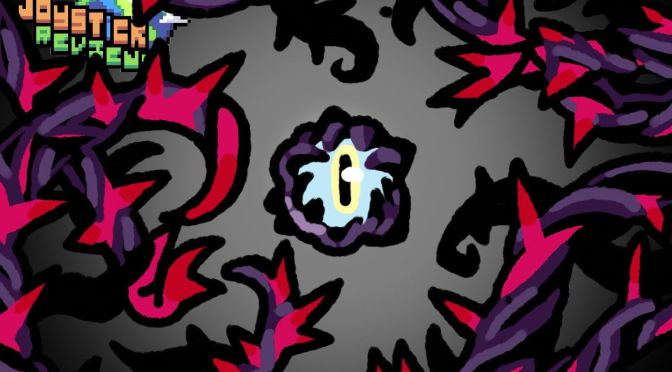
Hey gang, it’s me, Mr. Whatshisname, back again with another spine-strokin’ issue of JOYSTiCK Reviews. I’m ALSO back again in a, uh, cage.

Like the sound of clanging metal in a zebra enclosure, I’ve never been…oh, what’s the point? Ever since I was kidnapped in the last part of this review, I haven’t been able to string a metaphor together. It’s miserable! Writing this serial’s never been harder with these conditions; the wind’s cold, long nights, and all I can hear outside are… animals, frankly.

But what can I do? These hellish conditions are nothing short of permanent, I’m afraid. Even after around 2 months trapped in here, no amount of probing my cell’s given way to finding some kind of exit. Without any viable alternatives for escape, I suppose I’ll be staying here for the rest of my life.

Well, dear readers, this is it. With my paper supply running on fumes, I guess this is goodbye. Thank you for reading, and please keep me in your thoughts…

…is what I’d be saying if I didn’t have an escape plan! You shallow sheeple oughta know that, like clockwork, I’d already have formulated a masterful guide on how to ditch my concrete corral. Fret not: in the next 48 hours, I’ll have transformed from an innate inmate into a free spirit, wandering amongst the living once again.

Unfortunately, my plan requires a mailed device that’ll take another good half hour to arrive here. Until then, I might as well finish some junk on my to-do list – which is a perfect segue into today’s topic: ‘Super Smash Bros. Ultimate.’ Specifically, the “World of Light” campaign. It’s here I mention that if you haven’t read my previous article on this game, it’s advised you do so before reading this. Not only will it give context words to my current entanglement, but there’s a bunch of stuff I’ll mention here that was explained there.

World of Light functions as the game’s main campaign, a common part of many fighting games, let alone ‘Smash’ titles. In this game, the campaign revolves around a new addition to the series: Spirits!

Spirits are basically customizable upgrades for your fighters. Coming in the form of a video game character, each Spirit can be equipped, giving players special abilities and defenses in matches. Some are rarer than others, and with over 1,600 of them to obtain, this leads to a vast variety in potential team setups and builds.

Spirits are obtained through Spirit Battles, where you fight a CPU-controlled fighter that’s chosen to “embody” the character – really, this amounts to the fighter being picked if they look, act, or have moves reminiscent of the Spirit. Each battle has different effects that modify how the fight will play out. Lava floors, random debuffs, gravity-switching… Once again, there’s a wide array of different effects that Spirit Battles can have, making each unique to their own character.

This is what World of Light is all about: fighting in these battles to free Spirits, then using them to free more Spirits. This cycle has you free around 600 Spirits for a 100% save file, with the other thousand or so being obtainable through other side content in ‘Ultimate.’

You also go around freeing characters. These fights don’t have any special attributes, instead being simple brawls against the respective fighter. Once freed, they can be used in single player and multiplayer fights. These aren’t the only way to obtain characters, though – you can also occasionally have the chance to fight a character after exiting the campaign menu, after fulfilling certain requirements.

Honestly, I’m very mixed on Spirits overall. This was a very brief overview of the system, but I find the hardcore focus on these battles to become tepid after a while. In World of Light, you’re basically only doing these battles, only occasionally being interrupted by boss battles, mini-games, or Spirit training buildings. These brawls are fun, but become so monotonous that they eventually mix in with one-another, becoming amorphous memories. There weren’t many super memorable fights, with the whole of them being largely forgettable. Obviously, you can’t expect 1,600 fights to each be recognizable instantly, but my point still stands: this gameplay facet of ‘Ultimate’ largely remains forgettable in the long run.

I also think Spirit fights are flawed in a major way: their special attributes. See, when each Spirit Battle has unique conditions you must fight in, when you claim Spirits that basically negate these variables, it makes many fights somewhat dull and uninteresting. Furthermore, what was once a unique fight now becomes leveled, and pretty lame. This issue is definitely subjective, and I understand why it’d be hard to completely rethink the gameplay completely, but it’s such a large factor in my lukewarm reception of the campaign that I can’t ignore it. It’s definitely my least favorite piece of ‘Ultimate,’ for what it’s worth.

I still think World of Light is fun, however. Limiting the amount of fights to around a third of the total Spirit count was a smart move, in my opinion. While the fights are still somewhat-forgettable, the lowered total amount for completion is still an upside. Also, it’s very important to note that fighting opponents is still really fun, even if using your own Spirits negates a lot of the difficulty. I’m less annoyed at Spirits, but instead a bit disappointed, really.

Other than that, the story’s alright. Nothing crazy; basically, Galeem, a god of light, has taken over the universe, swallowing each ‘Smash’ fighter and creating duplicates of them that encompass miscellaneous video game characters, turning them into Spirits. These puppet fighters take up the mantles of the sea of characters, explaining why you’re ‘freeing’ each Spirit: you’re essentially liberating them from Galeem’s control.

Eventually Dharkon, a god of darkness, defeats Galeem himself and overtakes the world. These gods fight, with you caught in the middle. I won’t spoil the ending, but it’s a very fun time, and while nothing amazing, it’s a good time all-around. And that’s a good way to summarize World of Light: nothing spectacular, but certainly not a major detriment to ‘Ultimate.’ Instead, it’s, simply-put, good.

. . .

Hey guys, it’s me, Mr. Whatshisname, back again. You may be wondering what happened after I finished explaining the World of Light experience, and why I’m now sitting in a cozy living room, in front of a roaring fire.

(Sips cocoa)

I hope you’ve been enjoying these visual aids; my therapist recommended casual photography to me a while back. (Chuckles) Not yet sure how a Polaroid camera was supposed to aid my vehicular manslaughter PTSD, but hey, I eventually decided that yeah, it was time for a new hobby. And a new therapist.

Oh, right, my escape! Yeah, it wasn’t that complicated, honestly. I ordered this weird door I saw on Craigslist the other day with a glowing green eye on top. Once I walked through it, I was transported into this weird antimatter dimension, until being dropped back home again. How convenient! I currently have 13 different felony warrants for my arrest.

Anyways, I think that about sums up my thoughts on ‘Super Smash Bros. Ultimate.’ A fantastic game overall, with tons of fun to be had by all. With tight gameplay, fun side content, and an enjoyable, albeit disappointing story mode, I’ll be giving this game a 9/10.

And with that out of the way, that’s all the time I have with y’all today! Thanks for tuning into this episode of JOYSTiCK Reviews, and have a great week.

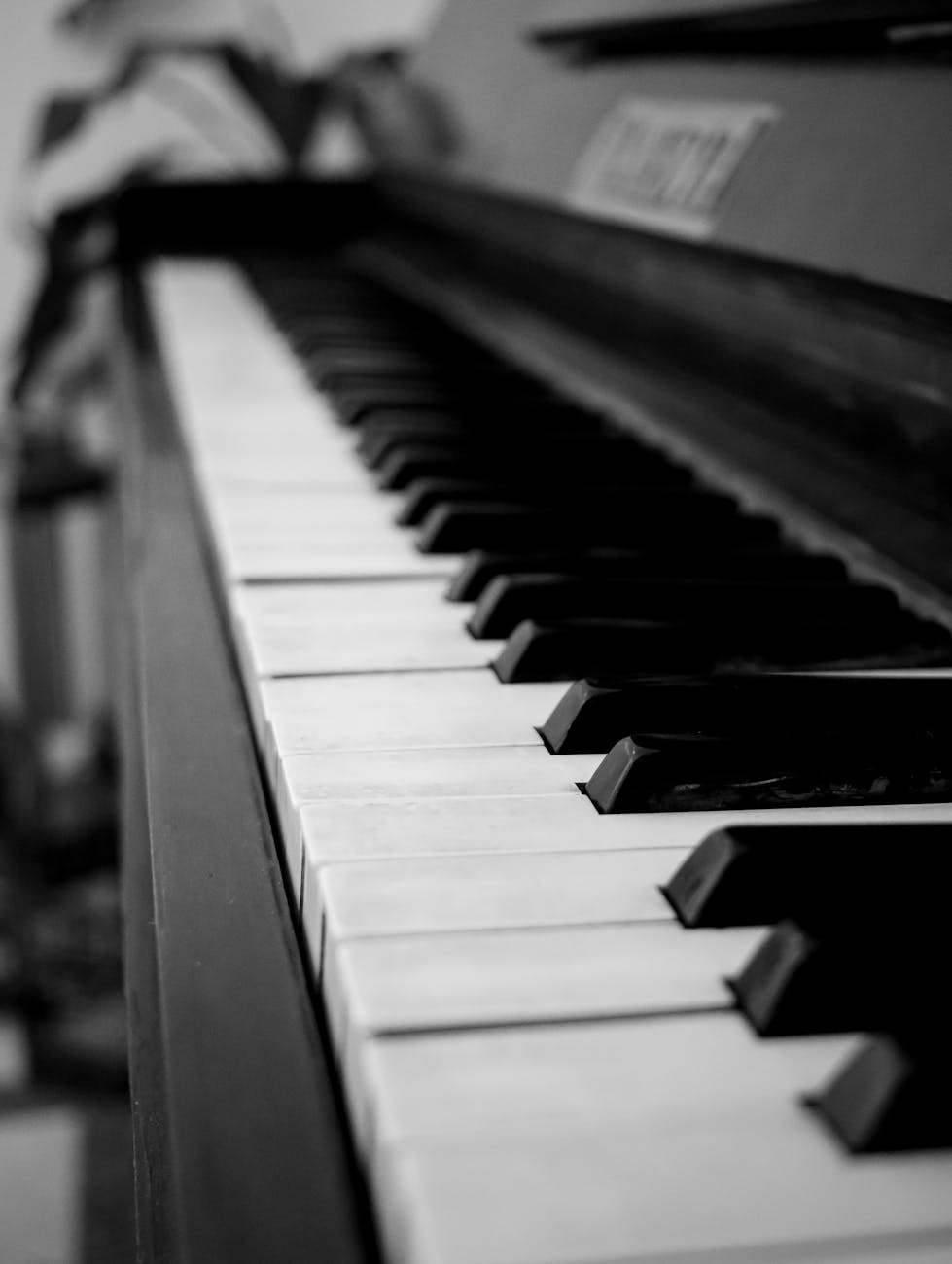
History of R&B music

By: Fletcher Pike

Photo by Nascimento Jr. on Pexels.com

Many might know about the popular music genre of R&B, popularized by several artists such as Lauryn Hill, Michael Jackson, and Whitney Houston. But some might not know of the history of this music genre and how it became so popular today. In this article, I plan to go over the basic history of R&B, and some notable figures who influenced this unique genre of music.

In the 1920s-1930s, a large number of African Americans migrated to urban cities and industrial areas such as Chicago, Los Angeles, and New York City, which created a brand new market for music such as jazz or blues music. “Race music” was the term that was used to initially describe music that was made by African Americans, but the term later acquired a racist interpretation.

In 1949, writer Jerry Wexler substituted the label “rhythm and blues” which would later become the title of R&B music, as R&B stands for rhythm and blues.

Ruth Brown (Jan. 12, 1928- Nov. 17, 2006), also known as “Miss Rhythm”, was a popular R&B singer who released music throughout the 1950s. After the release of her first recording, “So Long”, she became one of the most notable female R&B singers of the 1950s. She brought many pop genre elements to the R&B genres, which influenced many artists in the future.

In the 1960s, African American made music shifted from its primary theme of blues music and shifted to more gospel styled music. “Soul” was the title that many African Americans called this style of music in 1964, which captured the emotional value of this genre.

Since then, R&B has evolved to adapt more modern elements, especially in the 90s and 2000s, with artists such as Mary J. Blige, Aaliyah, Lauryn Hill, and Alicia Keys bringing modern-pop elements to the R&B genre.

The genre itself can be usually characterized by its combination of many different genres, such as blues, jazz, pop, and gospel, with slow rhythms and emotional lyrics. 

I hope that this article taught you about some of the history of the R&B genre as well as some of the different artists that popularized this genre. 

If you want to learn more about the history of R&B music, check out this link: https://www.britannica.com/art/rhythm-and-blues

The Northern Cities Vowel Shift

By: Maggie Hong

Image created using Canva AI

If you think the Midwest isn’t an important part of the English speaking world, think again. The largest change to the English language since the time of Shakespeare is happening right here, in the upper Midwest.

Think of a typical Minnesotan accent. Someone might say ‘bayg’ instead of ‘bag’, or ‘melk’ instead of ‘milk’. These aren’t just regional pronunciations; they are markers of a big change to the way we speak English.

When we pronounce words like ‘bag’, ‘milk’, ‘cat’, and ‘bit’, we form vowel sounds using a certain position of our mouth. All our vowel sounds, though they were in use for centuries before, were firmly established during the Great Vowel Shift throughout the 15th century. They’ve remained mostly the same since. Now, in cities surrounding the Great Lakes region, they are changing.

Vowels are organized in a sort of carousel, corresponding to where in the mouth they are pronounced. Vowels like the one in ‘bat’ are pronounced near the back of the mouth, while ‘bot’ is pronounced at the bottom of the mouth. When one vowel moves out of its spot, say from the back to the bottom of the mouth, the rest follow it. The vowel which was pronounced at the bottom of the mouth moves to the front, the one from the front moves to the top, and so on.

In the northern cities, this began with the vowel in ‘bat’, known as the trap vowel. The trap vowel, which was pronounced in the middle of the mouth, began to get longer, now sounding like the vowel in ‘yeah’ or ‘mia’ and resulting in the Midwestern pronunciation of ‘bayg’. As the trap vowel moves up, it occupies the space once held by the ‘kit’ vowel. ‘Kit’ moves down, now being pronounced with the vowel in ‘dress’, and resulting in the Midwestern pronunciation of ‘melk’. This continues until every vowel sound has shifted.

The resulting set of pronunciations defines the Midwestern accent. And although English speakers around the world have accents, the Midwestern accent is the most significant because it is a chain shift. In the British or Australian accent, vowels move one at a time. The change is small. In the Midwest, they shift in a chain reaction, each move prompting another. No such chain shift has occurred on a large scale since vowels were first established in the 15th century. So, the next time you hear someone say ‘melk’, you are witnessing a historic moment for the English speaking world: the Northern Cities Vowel Shift.

For more information, please visit:

Highland vs. Central student section and the team

By: Nereida Dominguez Remedios

“The St. Paul Central vs. Highland Park football rivalry known as the ‘musket game’, is one of the oldest and most storied high school football matchups in St. Paul. This rivalry began in 1964 and has been a staple of the local sports scene ever since.” – Greatamericanrivalry.com

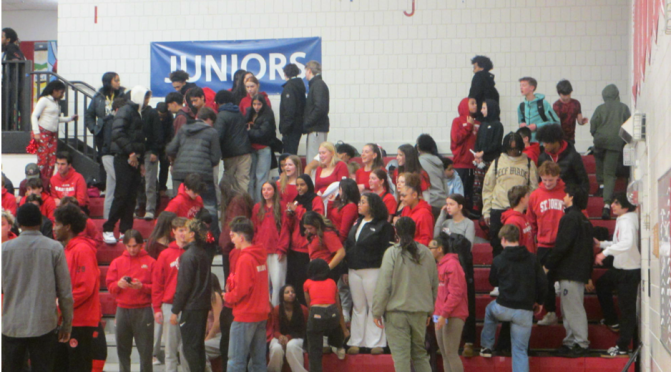
On February 11, 2025 Highland Park played Central at Highland Park Senior High School. Since the start of the game, more students from both schools came in and both student sections started to get more packed.

During the second half, Central’s student section started to chant for the Highland student section. One of the chants Highland was doing was “Overrated”, where they were yelling at the Central section 3 times. In response, the Central kids were yelling at the Highland section “We can’t hear you”. After that, it was just a war on who was louder. Even though there weren’t as many students from Central, there were still lots of arguments happening.

During the game, Central’s cheerleaders, who weren’t supposed to cheer, still came without uniforms to cheer against the Highland cheerleaders.

During halftime, the Highland cheerleaders had a show even though not a lot of the students stayed to watch them. I did watch it though and it was amazing. The cheers were high energy and you could tell the cheerleaders were passionate with what they were doing.

Even though Highland lost by 9, the final score was 67-76, the Highland players put up a good fight to try to win the game, but Central still won. Next year, we will play them again and hopefully win.

Within the game, Central’s players were a lot more aggressive and pushed the Highland players; the Central players were throwing the Highland players to the floor. Within the game, Highland had 9 fouls and Central had 7 fouls.