

By: Seng Yang
1950-

The 1950’s fashion was glamorous, elegant, and well-groomed, with a clear divide between men’s and women’s styles. New materials like nylon, polyester, and spandex were introduced, as well as designers like Christian Dior, Coco Chanel, and Cristóbal Balenciaga.
The women in the 1950’s usually wore their hair in a bouffant, which is one of the most iconic styles of the 50’s.
They had a variety of clothing, including dresses, skirts, pants, blouses, and sweaters but the most popular style for women in the 1950’s was the “New Look” characterized by a cinched waist, full skirt, and a feminine silhouette, often associated with the iconic gray felt poodle skirts that emerged with white Bobby socks and saddle shoes; a style that was popularized by Christian Dior.
1960-

The 1960’s fashion scene was diverse and broke many traditions, with styles influenced by youth culture, space exploration, and Eastern cultures. It was characterized by a variety of styles , including tailored skirts, mini skirts, and bold prints. The First Lady, Jacqueline Kennedy’s, style influenced early 1960’s fashion. Tailored skirts with stiletto heels, shift dresses which were simple, and geometric dresses were popular as well. Evening gowns, which were full-skirted gowns with low or boat necklines, worn for evening events, and capri pants were also popular options for women and girls.
Whether hair was curly, straight, or wavy, volume and height were the main goals making the hairstyle beehive the most popular updo.
1970-

In 1970’s the fashion was a mix of styles that included hippie, disco, and punk. The most popular style in the 1970’s was the disco look, characterized by tight, shiny clothing like spandex and jersey wrap dresses, platform heels, and bold accessories, particularly popular in the mid-to-late part of the decade. This style was embraced by both men and women.
Some of the popular hairstyles that were worn with the disco look were the shag an unstructured, layered, and textured style that was popular with actors and musicians. Also popular was feathered hair, a style that was made famous by Farrah Fawcett and features brushed-out hair on the sides to create volume.
1980-
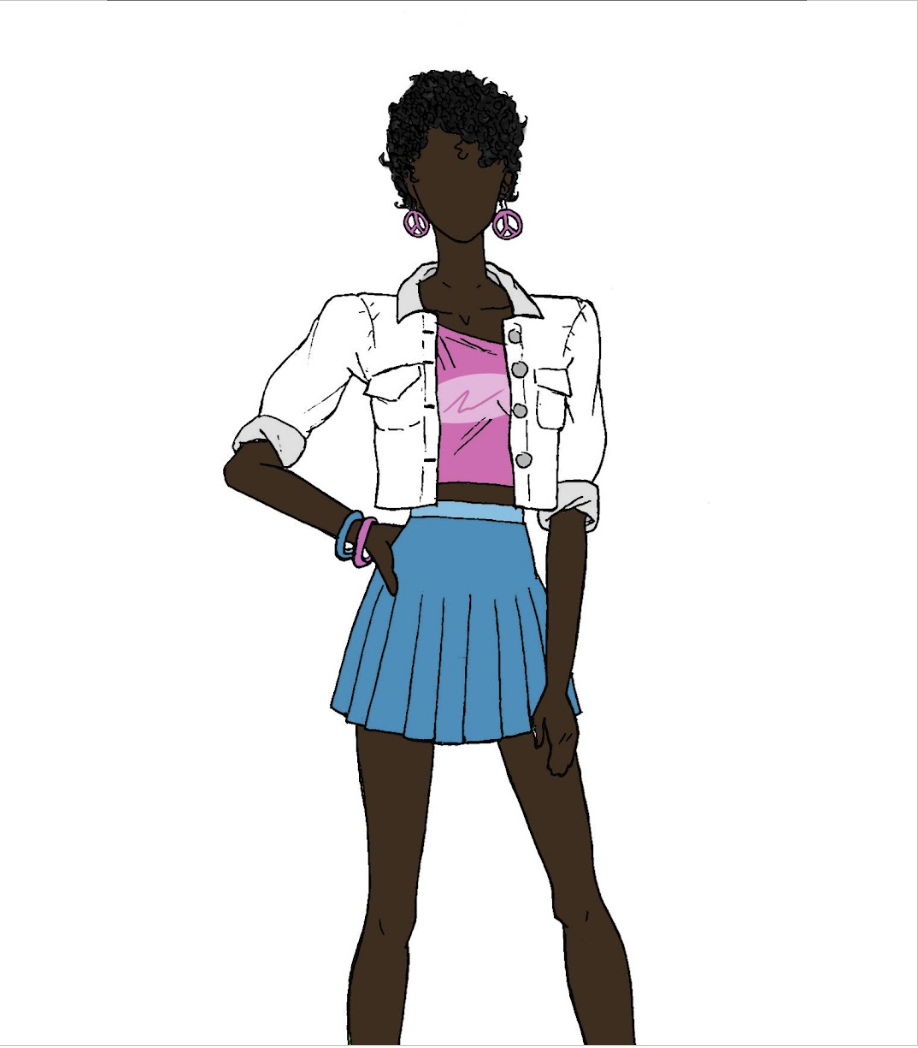
The 1980’s fashion scene was a decade of bold fashion including bold colors, volume, and experimental styles. The most popular style in the 80’s was a “bigger is better” aesthetic which was characterized by bold/neon colors like neon pink and lime green; these colors were popular in clothing and accessories. Big hair, shoulder pads, bright makeup and over-the-top silhouettes were also part of “bigger is better”.
Some other popular fashion trends were leather jackets, studded and spiked jackets inspired by punk rock; denim jackets which were often wore with patches and pins; mini skirts, often made from Lycra or leather; and leg warmers, made popular by the films Fame, Xanadu, and Flashdance.
The most popular hairstyles worn with these styles were big voluminous perms, mullets, Jheri curls, and high ponytails.
1990-
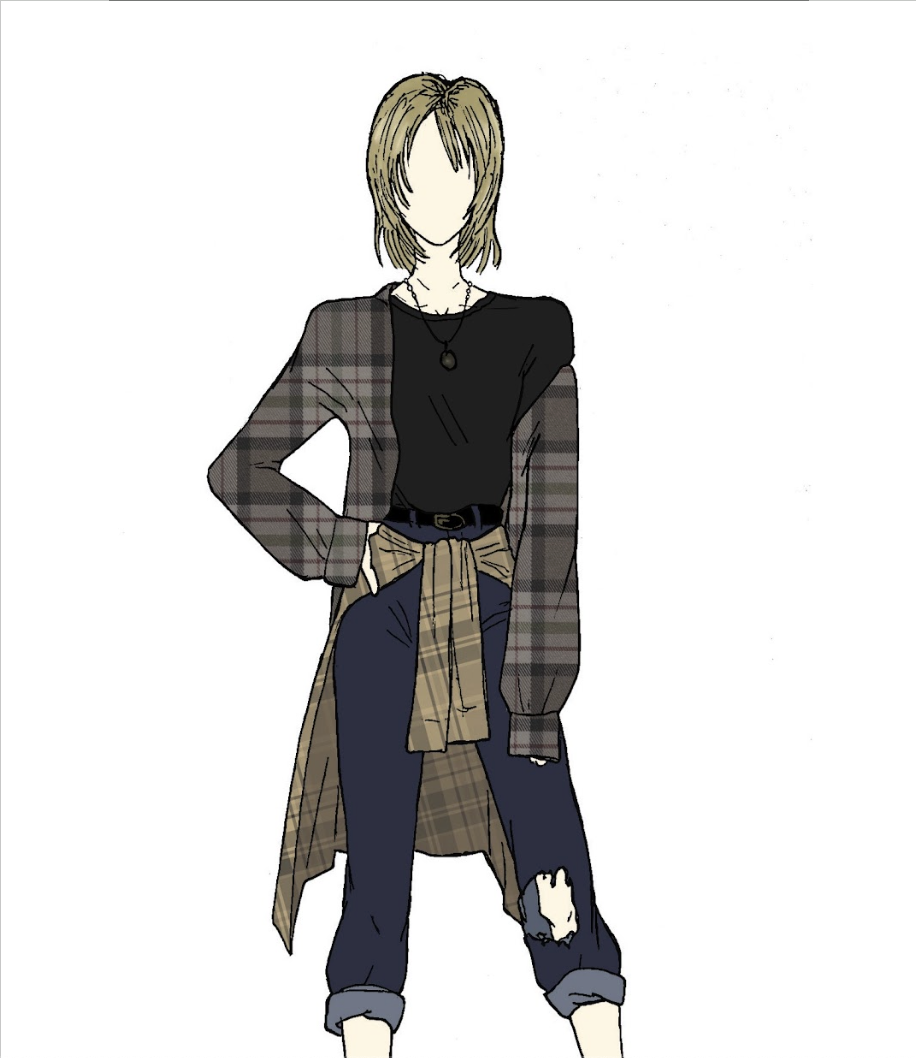
The 1990’s fashion was diverse and rebellious with many styles and trends. The most popular styles being grunge, influenced by bands like Nirvana and Pearl Jam leading to a casual chic look of flannel shirts, ripped jeans, and rugged boots and the minimalist look, which was marked by mini skirts, blazers, clean lines, and simple elegance that included preppy prints (for reference, see the movie ‘Clueless’ made in the mid 1990’s).
Lastly, Hip-hop culture influenced the style of the time, with baggy pants, baseball caps, and XXL T-shirts. This style was characterized by baggy clothing, sportswear, and sneakers. Hip-hop artists like Tupac Shakur and The Notorious B.I.G became style icons during this era, popularizing trends that influenced a generation of fans.
“The Rachel,” a layered, face framing haircut made famous by Jennifer Aniston’s character on the TV show ‘Friends’ was considered the most iconic 90’s hairstyle. Some other popular hairstyles were bouncy curls and hair accessories such as scrunches, butterfly clips, and hair beads.
2000-
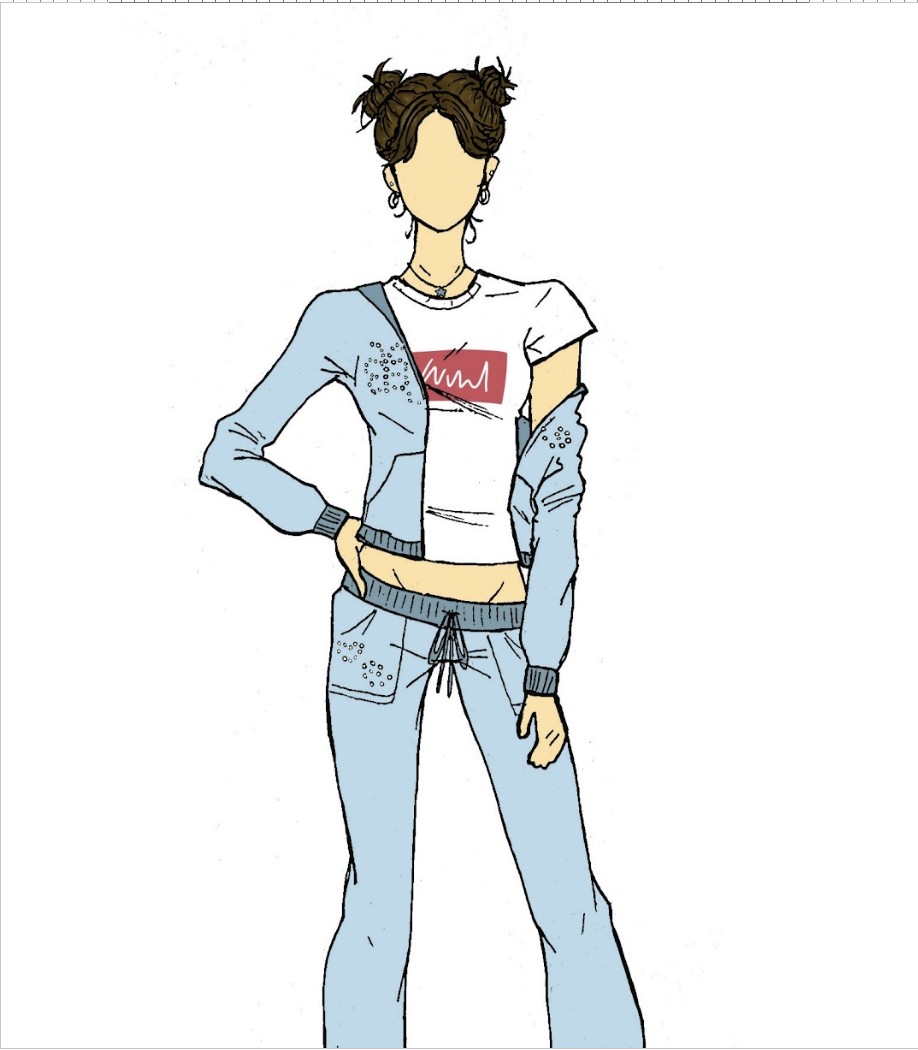
Fashion in the 2000’s was characterized by a mix of styles including prominent low-rise jeans, baggy clothing, graphic tees, hip-hop influenced looks, capri pants, trucker hats, dresses over jeans, velour tracksuits, a mix of bright colors and metallic accents, with a heavy emphasis on designer bags. Trends were often inspired by music subcultures and a global mashup of vintage styles making it widely recognized as the Y2K aesthetic.
Popular hairstyles in the 2000’s were zig-zag parts, spiky buns, side-swept bangs, and the most iconic one was the pouf hairstyle.
2025-
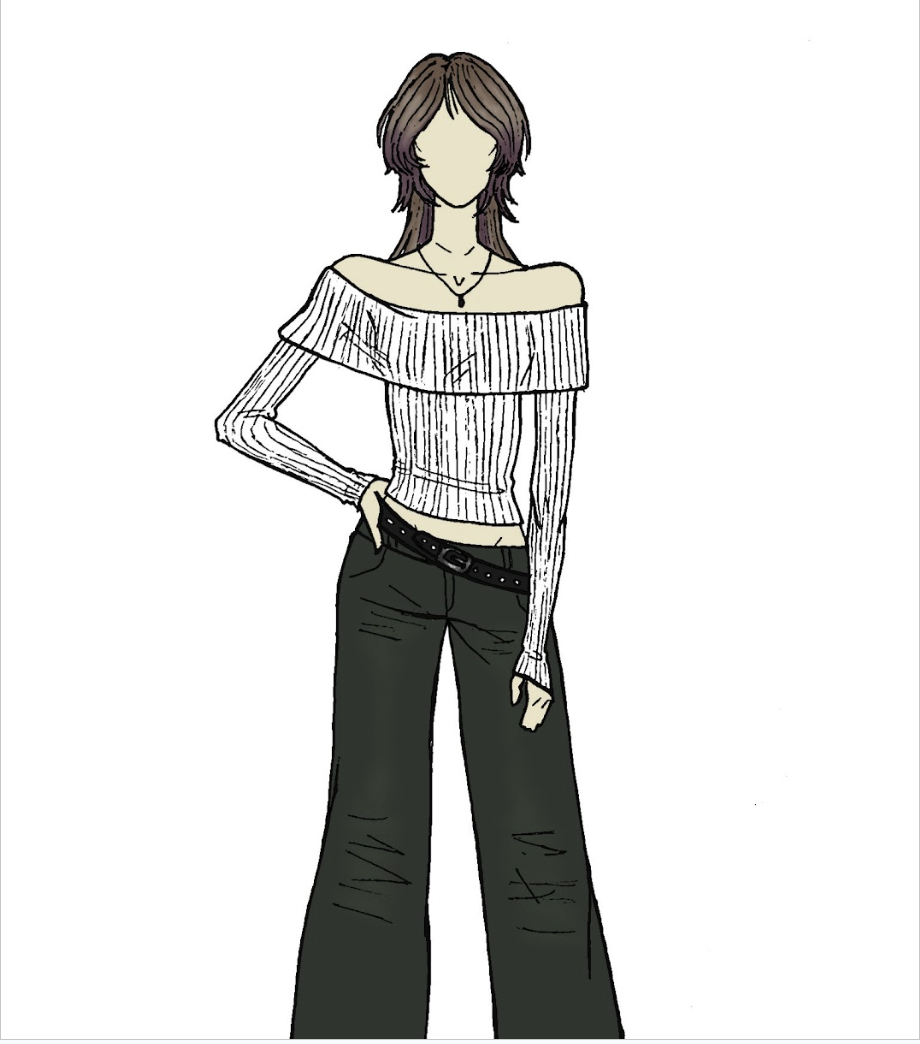
Fashion trends now haven’t changed much from the 2000’s except for being more modernized. Many popular fashion trends currently are baggy clothing, asymmetrical patterns, belts, bomber jackets, denim skirts, low-rise jeans, cargos, jerseys, and lots of accessories. Some of the most popular/well known styles are grudge, coquette/preppy, old money/quiet luxury a minimalist style creating an expensive look, acubi, and Y2K staples which include low-rise jeans, bubble skirts, and other Y2K styles which are popular with Gen Z.
There are many popular hairstyles but the most popular ones are curtain bangs, slick back hairstyles, butterfly cut, wolf cut, jellyfish cut, and layers.


 Plaid Line + PRIZM + Scottie News