
Climate change’s effects on Alaska

By: Siri David

Photo by Tomu00e1u0161 Malu00edk on Pexels.com

Alaska is a prime example of climate change and the effects from it. Alaska has been facing these effects for more than 50 years. The environment there is changing everyday and there is only so much time left to be able to save it.

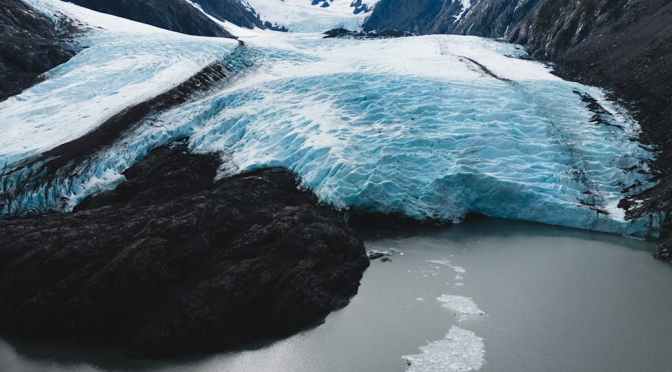
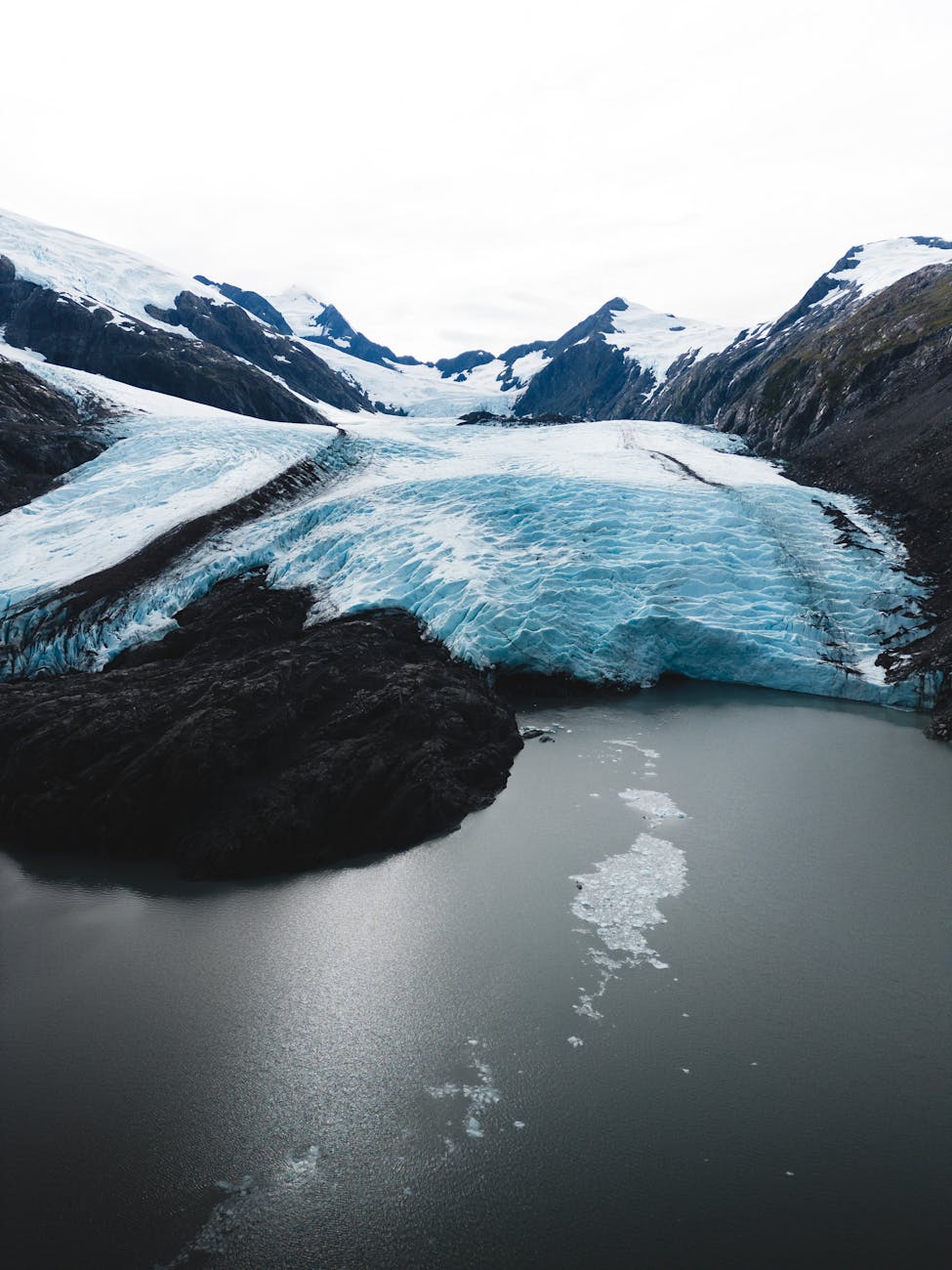
The state has warmed 3 degrees Fahrenheit, on average, in the summer and 6 degrees in the winter. This seems like a small change but it is actually a lot, and makes a big difference. The state has seen a lot of changes like glaciers shrinking, shores eroding, wildfires, and insects breaking out. These are all effects of climate change, and effects that are likely to continue rising.

These things are happening because of the earth getting warmer. Since the late 1700’s the amount of carbon dioxide that humans put into the atmosphere has increased by 40 percent. Along with that, heat trapping greenhouse gasses also increase at a fast rate. Both of these things cause humidity to increase which causes more rain in areas but can also cause droughts in other areas.

More carbon dioxide being put into the atmosphere also affects the oceans. Carbon dioxide mixed with water forms a carbonic acid which means that the ocean is more acidic. The ocean temperature has also been getting warmer which is why it feels like countries that are really cold face the most effects of climate change.

Whether it feels like it or not the world is suffering and we need to help it. There are a lot of big and little things we can do to help the environment and specifically Alaska. The smaller things include turning off lights when you leave a room, not letting your water run for longer than needed, and trying to walk/bike places more.

A larger thing you can do to make a difference is donating to organizations that work to clean up trash and the environment. If you don’t have the money for that you can personally work to clean up your community.

Something that I think really really does help is speaking up about it and staying updated on what is happening. Along with that, I think teaching people about what is happening to one of the most beautiful states in our country is so important and something we should all take action to fix.

For more information, please visit:

Minnesota’s oldest unsolved murder

By: Karl Salkowski

Fort Snelling

Two soldiers met at Fort Snelling in the late 1830s. One of which was Edward Phalen. He wasn’t known to be trustworthy and had a criminal past, but he was going to be discharged at the perfect time. The United States had just signed a treaty in 1837 allowing White settlers to occupy lands on the Mississippi River across from Fort Snelling. Phalen saw this opportunity, but was short on cash, so he enlisted his friend Hays.

Hays was the polar opposite of Phalen: affable, trustworthy, cordial. Hays however was slated to be discharged much later, and by that time all the best land would be taken. Thus, the two of them decided to work together. According to Minnpost.com “Phalen left the army on June 8, 1838. He then rushed to claim two land parcels in what later became downtown St. Paul, along the Mississippi from the foot of Eagle Street to the Robert Street Bridge.”

Once Hays was discharged on April 25th, 1839, he and Phalen decided to begin farming. Allegedly, multiple neighbors heard them get into many heated arguments throughout the next few months. Hays later disappeared in September of 1839. According to Phalen, he had left to find a lost calf. However, Hays was found dead, floating on the Mississippi River three weeks later.

According to Mprnews.org, Henry Sibley, who would later become the first governor of Minnesota, was tasked with investigating the case. Soon he came to the conclusion that Phalen was behind it. Phalen was soon arrested and tried for the murder, making it the first murder in Minnesota to make it to the US courts. Phalen lied in his testimony and his story contradicted what had happened, but against all odds he was found not-guilty due to a lack of evidence.

According to Mprnews.org, it was reported that a Native American had made a deathbed confession admitting to the murder of Hays a couple years later, but most people still believe Phalen was behind it.

Although Phalen was almost certainly a murderer, many things in the Saint Paul area were named after him due to his early land claims. Some of these being: St. Paul’s Lake Phalen, Phalen Creek, Phalen Boulevard, and the Payne-Phalen neighborhood. People have objected to these names since as early as 1876. Williams, the 19th century historian, wrote, “It is a disgrace that the name of this brutal murderer has been affixed to one of our most beautiful lakes.”

For more information, please go to: