Tag Archives: winter

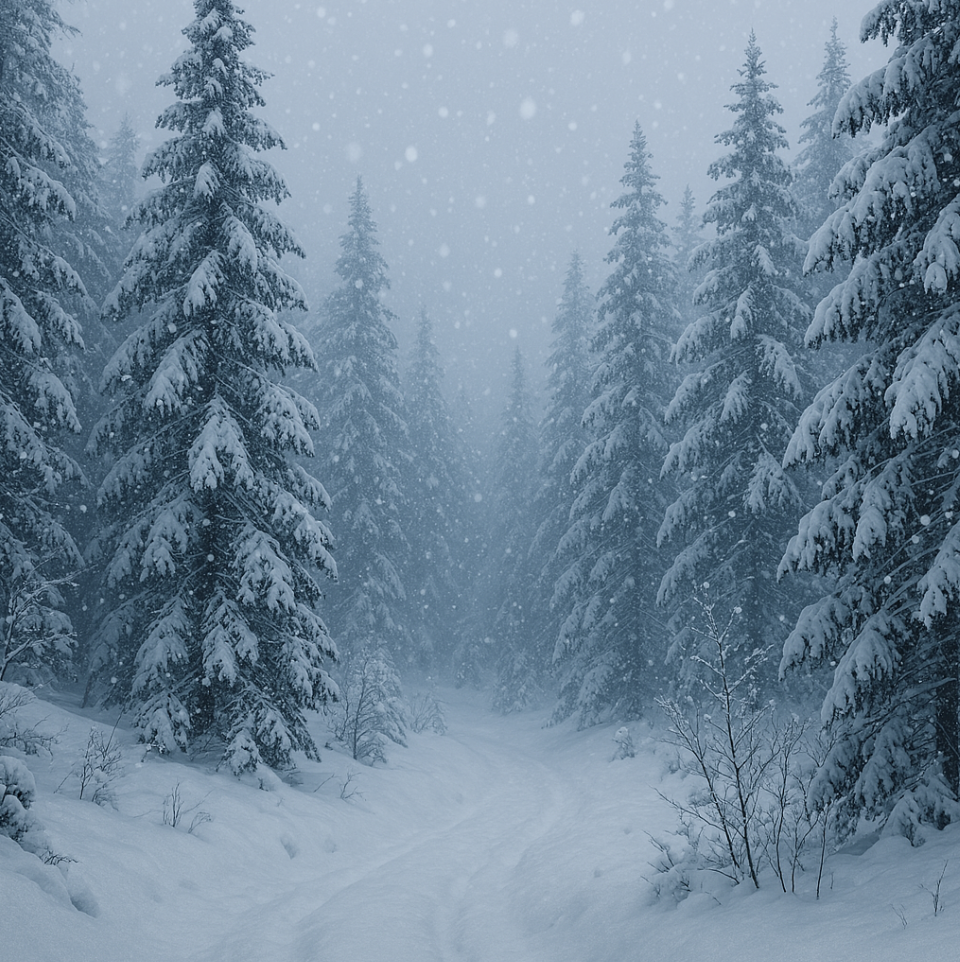
Minnesota snowfall

By: Simon Pluger

Scientists in Minnesota and around the world use WMI or the Winter Misery Index to show how severe that year’s winter season was after finding out how much it snowed and what the temperature was. Scientists give those certain categories a number ranking that determine where that year’s winter falls on a scale of moderate to severe.

Last year, the 2024/2025 winter season was called mild in the index chart. It was actually shown that it was one of the easiest and calmest winters that we’ve had in decades. The snow was very inconsistent. It would snow 7 inches one day and it would all melt and then it would be a 40° day for the next week and a half. 

But this year, the 2025/2026 winter is already a lot different. We have had snow, cold weather, and the snow has stayed making this winter a lot more wintry than last year’s. Even if we end up with only 10 or 15 more inches of snow than last year, the big difference is that the snow will have actually stayed and not just until January like last year when we had the weird 50° days that melted everything in January. We’re now in March and there’s still snow on the ground this year.

The weather has been so steady that the temperatures have stayed and the snow is piling up and not melting, which for some people could be really annoying because they like spring or for some people that could be really enjoyable because they like looking at the snow.

I like winter, but this just shows that Minnesota winters can be very unpredictable and just because last year’s winter wasn’t that cold, and there wasn’t that much snowfall, doesn’t mean the winter after that is the same.

For more information, please visit:
Why are our winters getting warmer?

By Hannan Mohammed

Image by Kenneth Allenvia Wikimedia Commons

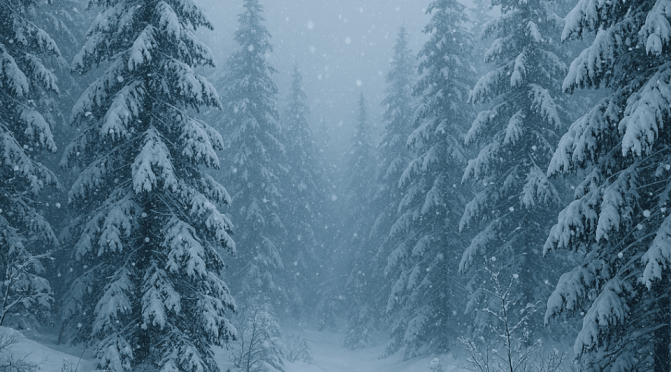
In recent years, you may have noticed that our fall season has become much warmer, and so has our winter season as well—snow comes later in the year, and according to an article by NPR, the 2023-24 winter season saw the 48 lower states in the U.S. had their warmest winter in 130 recorded years. And in the U.S., winter is the season that’s warming faster than any other. However, why is this change occurring?

The main cause of these warmer seasons is climate change, and in particular, global warming. While Earth’s climate has changed across time, with ice ages and warmer periods, this current global warming is caused by human activity; specifically, how we add heat-trapping gasses to the atmosphere. When we do this, we produce gases such as carbon dioxide that come into the atmosphere and trap more of the Sun’s energy on Earth, which is warming up the planet. According to NASA, Earth’s average surface temperature has increased by 2 degrees Fahrenheit since the late 19th century, caused mostly by carbon dioxide emissions.

As these average temperatures rise, the coldest season is being affected the most. According to the Climate Reality Project, average winter temperatures across the 48 contiguous states have increased by 3 degrees Fahrenheit since the pre-industrial era. Because of this, many areas are beginning to see warmer winters overall. But how else is climate change affecting winter weather?

One of the other effects of climate change on winter, besides warmer overall temperatures, is that there’s more precipitation during the season, which can either be rain or snow. This happens because a warmer atmosphere can hold more moisture within; this excess moisture is released from the atmosphere as precipitation.

Another effect of climate change on winter is that severe winter storms, such as ice storms and blizzards, are becoming both more frequent and more powerful. This happens because there’s increased energy in the atmosphere from the Earth’s general warming, which can make these events more volatile. Furthermore, a powerful air current called the jet stream is starting to change easier. Because it can influence weather patterns, its shifts may lead to sudden changes in both temperature and precipitation.

For more information, please visit:
Things to do to make the most of Winter Break

By: Kumari Wijetunge

A view of the Mississippi River from the trails in Crosby Farm Regional Park in Saint Paul, Minnesota, United States, February 3, 2016. By: National Park Service-courtesy of Wikimedia Commons 

During winter break many people will leave town or even the country to see family and friends or just for a vacation, but some people will stay home during break. And since many places are closed and friends are out of town, winter break can seem boring or lonely, so here are five things you can do during break to keep yourself busy and make the most of it.

Visit a local Christmas market:

Christmas markets are a great way to take in local Minnesota traditions and Christmas spirit. Here are some options: European Christmas market in St. Paul, which is held in Union Depot, has over 70 different vendors, holiday themed activities, and live entertainment. Another notable option is Dayton’s Holiday Market in Minneapolis. Located in the Nicollet Mall this market has a mix of festive decor, holiday treats, and local artisans. These markets are great places to visit during break.

Visit a llama farm:

There are a few great llama farms in Minnesota and many of these locations let you feed, pet, and take photos with them. Places like Carlsons’s Llovable Llama in Waconia and Pauley Alpaca company in Rochester are awesome places to hang out with some llamas!

Ice castles:

Minnesota Ice Castles have super impressive ice structures, the location changes every year and prices vary depending on what day you go. But no matter what, it’s a super fun experience with ice slides, caverns, tunnels, and many more exciting adventures in ice.

Art Shanty Projects:

The Art Shanty Projects is an immersive art program that takes place on the frozen surface of Minneapolis’ Bdé Umán/Lake Harriet.

Saint Paul Winter Carnival:

The Saint Paul Winter Carnival invites a great lineup of events to experience in Saint Paul. It is the oldest winter festival in the United States. Many events that the carnival offers are free, both traditional favorites and new attractions, that cater to all ages.

Minnesotan winter activities and climate change

By: Gabriella Bell

Minnesota is most commonly recognized for its drastic weather changes, harsh summers and winters alike. It’s also known for its diverse range of winter activities such as hockey, skiing, ice fishing, and more. Although in order to partake in these recreational hobbies, the most important factor is for there to be cold enough weather, and most importantly snowfall. In Minnesota this would normally never be much of a problem, however as of recent years, data is demonstrating that climate change is having a severe impact on not only these winter sports, but also local wildlife as well as our environment.

According to the Minnesota Pollution Control Agency, worldwide climate change is also leading to a warmer Minnesota. Their stats represent an increase in the daily minimum temperature of 7.3f in the northern regions of Minnesota, 6f in the central regions, and 4.9f in the southern regions (per data from 1895-2021).

Another major impact that climate change has is in our ice cover, with an observed 10-15 days less as of these past few years. With these changes, it is ultimately impacting Minnesota fish as well, considering they are losing necessary days of ice cover, which protect them from the harsh winters. With the lack of ice, it is also contributing to the inability to begin and prolong ice fishing, ice skating and other ice-related activities that many people participate in during our Minnesota winters. Along with this unpredictable ice cover, it’s affecting the amount of flooding that the state receives, as the ice forms and then melts soon after. It then continues to follow this repeating cycle throughout the winter months until late spring.

Another factor is the inconsistent snowfalls that have been recently scattered across the winters. One of Minnesota’s most notable aspects is their snow! Not only does this affect the ability to play certain winter sports such as skiing or snowmobiling, but it also impacts the enjoyment of participating in them as well.

Per stats from the EPA, carbon dioxide levels across the world have risen over 40% since the late 1700’s, which is what’s contributing to the immense amount of climate changes worldwide, as well as in Minnesota. Not only is this a serious issue which is affecting our environment, but Minnesota’s winters are progressively growing to be much shorter, warmer and unpredictable than ever before.

As a unified community I believe that we can make changes in our lives, even small ones, in order to begin to help the restoration and conservation of our Minnesota winters, as well as the environmental health of our world.

For more information, please visit: