
Tag Archives: travel

Top 5 things to do during fall in Minnesota

By: Kumari Mia Wijetunge

Highway 61 in Fall, Minnesota by: Sharon Mollerus courtesy of Wikimedia Commons

Fall is a very colorful and festive time of  year in Minnesota. Whether you enjoy the local festivals, hiking through the vibrant landscapes, or picking pumpkins, Minnesota offers something for everybody!

  1. Seeing the colorful leaves by the North Shore

One of the best ways to experience Minnesota’s fall scenery is to go up to the North Shore of Lake Superior. The scenic drive across Highway 61 offers breathtaking views of the colorful trees against the sparkling lake. Popular spots like Split Rock Lighthouse and Tettegouche State Park provide many hiking trails and lookout points, perfect for spotting all of the beautiful colored trees and the wildlife Minnesota has to offer.

2. Visit a Pumpkin Patch

Fall in Minnesota wouldn’t be complete without a trip to a pumpkin patch. Many farms in Minnesota open their fields for pumpkin picking and offer a fun experience for the whole family to enjoy. Places like Afton Apple Orchard and the more northern, charming Pine Tree Apple Orchard not only provide pumpkins but also corn mazes, hayrides, and plenty of freshly baked goods.

3. Explore State Parks

Minnesota is home to many state parks that come alive with fall colors. Parks like Gooseberry Falls and Itasca State Park offer amazing views, animal sightings, and hiking trails. If you’re looking to hike, bike, or enjoy a picnic surrounded by the colorful leaves, these parks can provide the perfect day to experience the fall weather.

4. Attend a Fall Festival

Fall festivals in Minnesota are an awesome way to take in the fall season, celebrating everything from harvests to the local arts. The Minnesota Harvest Festival & Ghost Stories, in the Twin Cities, is a highlight, varying from farm activities to crafts and live music. Other festivals, like Applefest, in La Cresent, which mainly focuses is apples, also has everything from arts and crafts to pie eating contests. These events are a great way to immerse yourself in the local culture.

5. Experience State Fair’s Fall Activities

Though the Minnesota State Fair is mostly known for its end of summer fun, many of its attractions and vendors continue to celebrate during  fall. Keep and eye out for events at the fairgrounds, like apple and pumpkin-themed dishes to local crafts. The fair’s iconic food vendors often showcase seasonal flavors.

Iditarod

By: Kara Fini

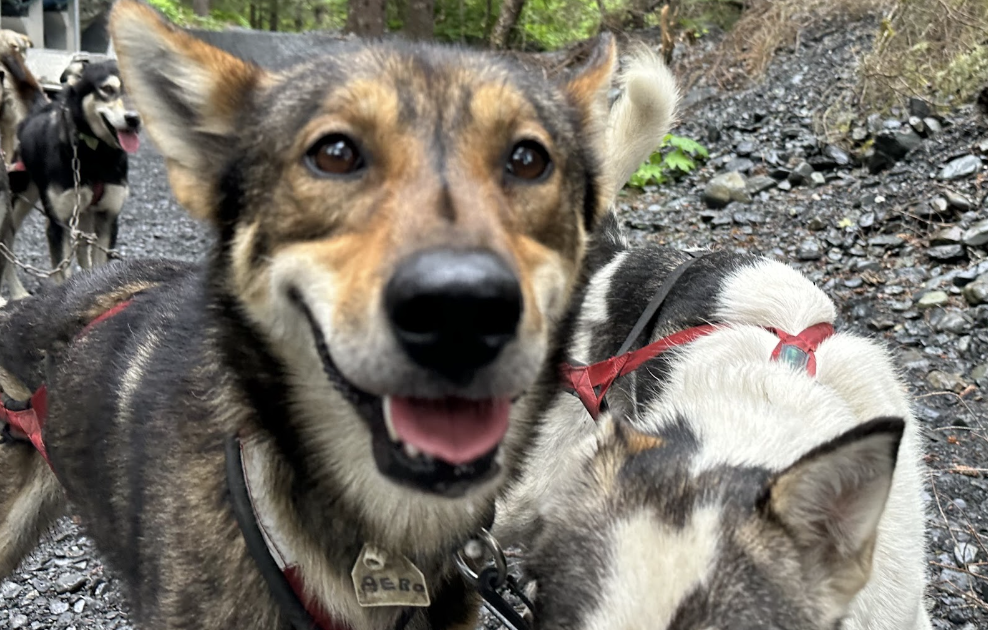
The Iditarod Race is an annual Alaskan sled dog race held early March. It starts in Anchorage and travails nearly 1,000 miles through the Alaskan terrain all the way to Nome, Alaska. Each team starts with 14-16 dogs, a musher and sled. A musher is the human who directs and helps the dogs throughout the race. There are 3 required stops, one 24 hour stop and two 8 hour stops. During these the dogs get medical care and a check to make sure they can keep going.

Before Alaska was settled by Russia, Native Alaskans found that sled dogs were the most efficient way to get to places because of the harsh climates and rough terrain. Russia settled in Alaska in the early 1800s and found native sled dog trails. They decided it would be a good place to set up a fur trading post.

When Alaska was bought by the US from Russia, most of inland Alaska had not been explored except by the Natives currently living there, but once gold was discovered, people came rushing in from all over in hopes to become rich off of their finds. The three major places where gold was found were in Hope, Nome and Iditarod.

As miners and traders spread across Alaska they realized that the Natives’ way of using sled dogs was the easiest way to transport mail and tools to the miners in the areas. They created a path leading from Skagway up to Nome that later changed to be Seward to Nome because many people reported it was less dangerous. Along the trail up to Nome there were road houses where mushers could sleep and get food for them and their dog.

In 1925 a diphtheria epidemic broke out in Nome causing many people to fall ill. Being a small secluded town, there was no serum to help there, but in Anchorage there was a serum. They needed to get it to Nome quickly. They were able to send it partially there by train but there was still quite a way to go, so they used mushers and sled dogs on the Iditarod trail to send it the rest of the way to Nome. It took only 5 days after departing Anchorage to arrive at Nome. This run is the most historic part of the Iditarod Trail.

Throughout the next several decades, the trail saw little to no use with the gold industry declining, and airplanes being able to deliver mail.

In 1973 a race along the Iditarod started to honor the history of the gold rush and bring awareness to the Iditarod Trail. This race has continued every year since then with tons of people coming every year.