Tag Archives: pets

The impact of owning pets

By: Sylvia Yannsdottir

In the United States today, an estimated 90 million families own some kind of pet. This is nearly 70 percent of households in the country. This included a wide variety of animals, the most popular being dogs, followed by cats, fish, and birds. The number of pet-owning households in the United States has been steadily increasing over the past few years.

The most popular pets in the world are dogs. There are endless options of diverse breeds of dogs, and they are commonly referred to as “man’s best friend.” Dogs have always been known for their loyalty, and playfulness. Aside from that, cats are another very popular pet, which are known for their calmer energy and self sufficiency.

When it comes to the impact of owning pets, I think it’s more of a personal topic rather than a general topic. Almost everybody you know probably has some connection to a pet, and each in their own way. For some people, they may recall gentle memories from their childhood with their first dog, others may look forward to laying with their cat after a long day, some people might even think of their last hamster from time to time.

If one thing is for certain, it’s the fact that the connection you have with a pet is an irreplaceable bond. It varies from person to person, but overall I’d say that having a pet is a very special thing that can be super beneficial for emotional wellbeing, and brings you to inevitably practice better habits. For example, learning how to be patient with your pet, taking care of them, or going out of your way to take them out for a walk can be ways that you practice better habits without even realizing it.

Overall, I believe that owning a pet has a very good lasting impact on someone’s life, and it’s honestly irreplaceable. I also believe that it’s a great thing how popular it’s become to have a pet as part of a family now, and would hope that it stays that way.

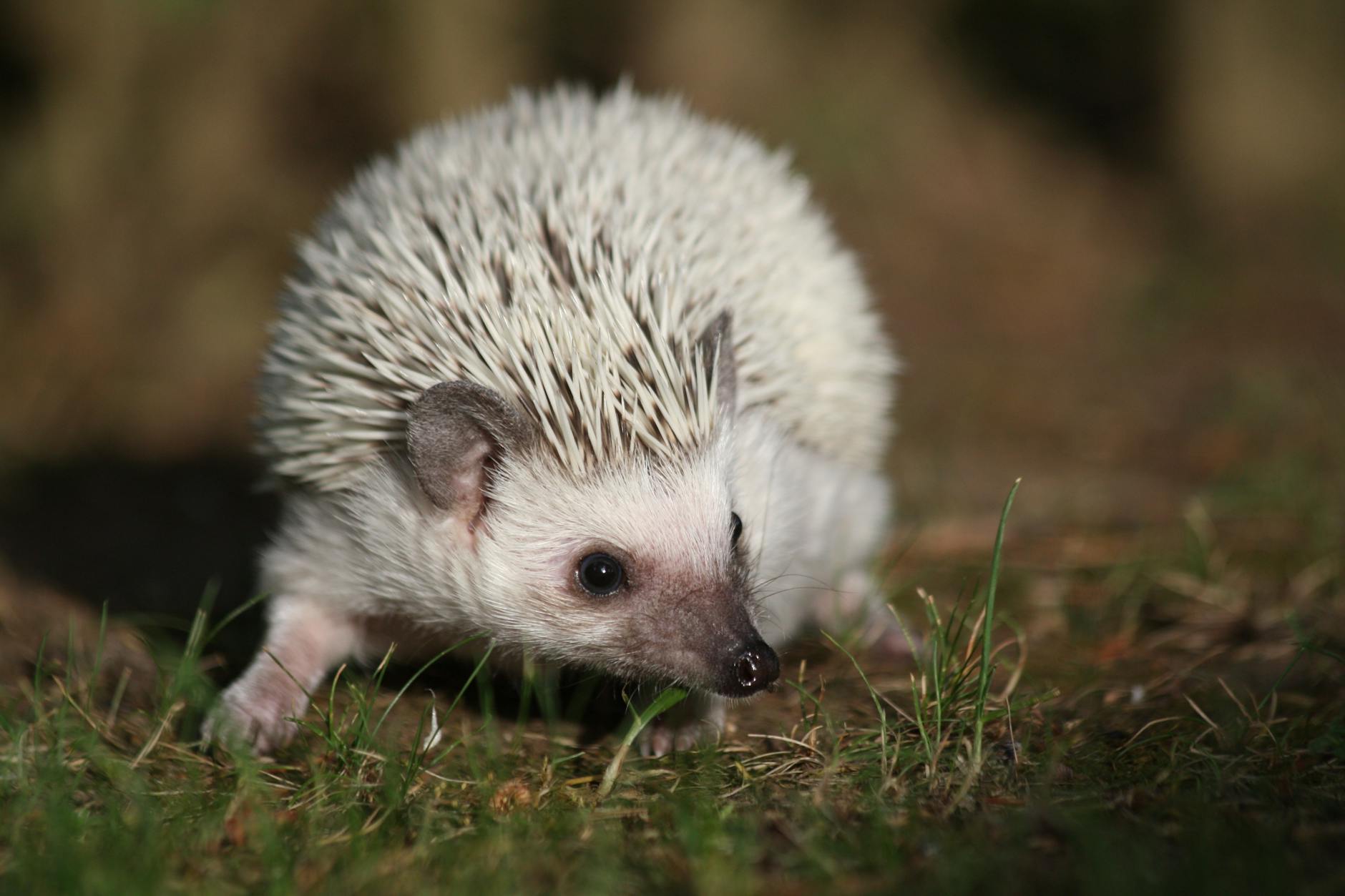
How to care for hedgehogs

By: Maya Song

Photo by Pixabay on Pexels.com

Hedgehogs are considered to be exotic pets, thus the care for them needs to be understood before purchasing one. A pet hedgehog’s life span is usually 4-6 years but they can live up to over 8 years. Most hedgehogs are nocturnal so when you’re awake they’ll most likely be sleeping but there are a few species of hedgehogs that are diurnal.

Can hedgehogs even be house pets? While most of the United States thinks that is completely fine, the few states and areas that disagree are: Georgia, Hawaii, California, Pennsylvania, Washington D.C., and the five boroughs of New York City. Even though hedgehogs are not native to North America they have been becoming more popular as pets.

If you keep a pet hedgehog you need to make sure they have plenty of things to do to occupy themselves such as toys; items like balls, stuffed animals, and small cars are very common. Hedgehogs are naturally very curious animals and love to explore, so things like tunnels and tubes would also be a good idea. It must also be kept in mind that hedgehogs need exercise so a pet exercise wheel is highly recommended.

The hedgehog’s diet is very large so you need to be making sure everything you give your hedgehog is safe and healthy for them. A few examples of food for your hedgehog would be things like: cat food, dog food, meats, mice, insects, caterpillars, mealworms, earthworms, eggs, bananas, cherries, watermelon, fruit, berry, peaches, kiwi, vegetables, apple, broccoli, leafy greens, pears, and papaya. These foods are examples of what to feed your hedgehog on a daily basis. It is recommended that hedgehogs eat at least once a day with 3-4 teaspoons per serving.

If you choose to own a hedgehog you must be prepared in order to be successful. Making sure that the hedgehog has items to occupy itself with, food to eat, and making sure that it’s legal to own it should be considered. That being said, they are adorable, and worth the effort.

Some things to know before getting a cat 

By: Jooney Freddieson & Aalovely Lor

Planning on getting a cat? Here are some important things you should know before adopting.

Before owning a cat there are several things you should consider like: financial cost, health care, environment, and whether you want to keep it indoors or outdoors.

Initial Cost

First you should consider adopting from a local shelter or a rescue organization instead of choosing a breeder which costs a lot more money.

When adopting from a shelter there are options for vaccinations, microchips, and spaying/neutering.

The average cost of vaccinations for cats usually falls under 10$-50$ per shot depending on what type of vaccines.

Microchips are a small device that’s injected into a cat’s skin that links to their owners. This helps you identify where your cat might be if they get lost or run away from home. These usually cost 20$.

Spaying/Neutering is a surgical procedure that removes a female cat’s uterus and a male cat’s testicles to prevent them from reproducing. When I (Jooney) got my male cat neutered the cost came to about 115$. It depends on what clinic/vet you go to but the average cost falls between 100$-200$.

This is useful if you don’t plan on having more cats or to prevent your male cats from aggression and female cats from mammary cancer.

Initial Needs

Cats require essential needs like food, water, litter box, toys, and scratching posts. This is an ongoing cost and a financial investment that is required when owning a cat.

Since cats are independent they often require lots of space. They need room for their food/water bowls, litter box, and vertical space for them to climb.

According to Cats.org.uk, it’s important for cats to have something to scratch. Scratching is natural behavior, so they’ll consistently need a place to go to when they need to get their claws into something. This could be a scratch post or allowing them to go outside and cling onto trees.

You should be committed, having time dedicated out of your day to tend to them. Despite their independence, they still require interaction and attention daily.

Another thing to take into consideration about commitment is that healthy cats live up to 12-18 years, some even go up to 20. If you’re only willing to dedicate 3 years or less to that cat you should rethink your decision. 

Indoor Cat vs Outdoor Cat

Indoor cats and outdoor cats each have their own pros and cons.

Indoor cats have a longer lifespan than outdoor cats. Their lifespan is around 12-18 years while outdoor cats fall between 5-10 years, which is a huge difference.

Another thing to consider with indoor cats, according to Sfspca.org, they could suffer from boredom which leads to stress and behavioral problems. Cats need to be able to roam around and consistently have things to do or focus on.

Although outdoor cats have their freedom, this allows them to be at a higher risk for diseases, injuries, and getting lost.

Vaccinations play an important role in your cat’s life, whether they’re an indoor or outdoor cat. If your cat is actively outside, you’ll want to go into the vet for regular deworming and checkups.

If you’re planning on allowing your cat to be an outdoor cat, it’s important to consider installing a fence in which they can’t escape your area and other cats can’t roam in.

If you’re planning on keeping an indoors cat, offer them plenty of enrichment and play time. It’s important to make sure your cat stays healthy by keeping them stimulated and going.

In the end, your cat could be an indoor cat who loves going outside. It’s up to you to decide whether or not it’s what you want.

Final decision

After reading this article and you feel positive about your decision, go for it! There are many cats looking for a place to call home and that could be yours.

If you’re having doubts, take more time to think about it. Not everything listed should affect your decision, but they’re important things to consider.


Top 5 animals to have as pets

By: Cleo Newton

Photo by Gilberto Reyes on Pexels.com

If you plan on getting a pet, I think the following animals would make good pets.

Dog

Dogs are one of the most common pets to have. They’re known to be very loyal and smart. Dogs are also easier to train compared to certain other animals. Dogs can be brought into certain workplaces as long as they’re properly trained. Some of the most popular dog breeds include the Siberian Husky, Golden Retriever, German Shepherd, and a poodle.

Cat

Cats are the other most commonly owned pet. According to Helpguide.org, cats serve as a good outlet for fun and play. They can also be calming to be around. Cats are pretty affectionate and loving towards their owners and/or people they trust. 46.5 million households in the United States own cats. Cats that live indoors by their owners live longer than those that are allowed to wander outside. Keeping your cat inside protects them from dangers such as large birds and traffic.

Betta Fish

If you want to let your kid take care of a pet, Betta fish are an easy pet to take care of. They don’t need much attention other than feeding them and cleaning the bowl daily. They are very pretty and come in many different colors. According to Animals.howthingswork.com, putting two male betta fish together isn’t something you should do as they could end up fighting.

Rabbit

Rabbits are social animals and are smart enough to be trained how to use the litter box. Rabbits may enjoy playing with and sitting next to their owners, but they prefer not to be hugged or snuggled with. Some rabbit breeds include Polish rabbits, Netherland Dwarf rabbit, and the American Fuzzy Lop.

Hamster

Hamsters aren’t considered domestic animals like dogs, cats, rabbits, and Guinea pigs. Just keeping one hamster is fine because like the ones that still live out in nature, they are also solitary creatures.

After reading this article, I hope you’ve learned a bit more about which animals make good pets.

Most popular pet names

By: Karl Salkowski

Photo by Chevanon Photography on Pexels.com

Pets have lived alongside humans for millennia. Pets provide a variety of mental and physical benefits. According to Health.ucdavis.edu pets have been found to help lower stress and anxiety, ease feelings of loneliness, and give a sense of purpose to pet owners. That’s not all. Pets have also been proven to help owners establish healthy routines. 60% of dog owners meet the recommended weekly amount of exercise compared to 31% of people without a dog.

Names are very important for how we go about our lives. They contribute to how our communities see us and how we see ourselves. According to Students.ubc.ca names carry deep personal, cultural, familial, and historical connections. Because of how important they are, lots of thought is often put into assigning them.

Human names often follow patterns or trends. This is why you may associate some names with older or younger people. The same is true for pets. Name popularity rises and falls over time.

According to various sources including Akc.org, Amcny.org, and Embarkvet.com, these are the top dog and cat names in 2024:

Female dog names:

  1. Bella
  2. Chloe
  3. Luna
  4. Daisy
  5. Lucy

Male dog names:

  1. Milo
  2. Charlie
  3. Buddy
  4. Leo
  5. Max

Female cat names:

  1. Luna
  2. Nala
  3. Lola
  4. Willow
  5. Coco

Male cat names:

  1. Milo
  2. Oliver
  3. Charlie
  4. Loki
  5. Oreo

There are many similarities between the most popular dog and cat names. Milo and Luna seem to be the most popular pet names overall, but not very far behind them are the names Lucy and Charlie.

Although the most popular pet names are very different from the most popular human names, there are still some similarities. Pet names and human names tend to stay popular for similar amounts of time. For example, according to Amcny.org the name Max has been one of the most popular male dog names for over a decade from between 2013 and 2023. Overall, names are extremely important to how we perceive and connect with our pets.

Why Greyhound racing is bad

By: Cleo Newton

Greyhound racing is a sport that is harmful towards the dogs that are racing. People gamble money on the dogs.

According to Bluecross.org.uk, the living space for greyhounds is very poor. They live in kennels most of the day if they aren’t training or racing, there aren’t any enriching activities for the greyhound to do in these kennels. The quality of the food they eat is also poor, many of them starve to death or die of dehydration. Welfare standards when transporting greyhounds from track to track also impact these dogs negatively. They are transported in trucks that can hold up to 60 greyhounds in crates, each crate holds 2-3 greyhounds.

Greyhounds are expected to compete in races no matter how hot or cold it is out. They have been forced to race in subzero weather and on days when the weather reaches above 100 degrees (Farenheit). This is another health liability that greyhounds face when on the track, as greyhounds naturally lack thick fur and have thin skin. Greyhounds may also be drugged to improve their performance.

Many greyhounds are injured during training or while racing. Between 2018 and 2023, there have been over 26,000 injuries recorded by industry officials. 2,700 dogs have died or have been put down since 2018. Aside from this, there are also many puppies and dogs that haven’t been accounted for in records, these missing dogs are called “wastage” by the industry.

According to Humanesociety.org and Peta.org, a racing greyhound dies every three days in Florida. These greyhounds are also denied medical care. One greyhound in Florida named Kiowa Dutch Girl had a broken leg. It was described as “dangling” and bleeding. She was left in her cage like that for four days.

When greyhounds don’t win, they’re either put up for adoption or sent to breeding farms. Some greyhounds are sent to blood banks for their blood to be taken routinely and sold. 150 of them were found in a filthy, old turkey shed that belonged to The Pet Blood Bank in Texas. Fortunately, The Pet Blood Bank has been closed and all the dogs have been transferred to adoption programs.

After reading this article, I hope you’ve learned a bit more about greyhound racing and have maybe even considered adopting rescued  greyhounds or donating to a greyhound rescue such as MNGR (Minnesota Greyhound Rescue). 

Pros and cons of mutts

By: Kara Fini

Mutts are dogs that are a mix of different types of breeds. Many people don’t know about all of the wonderful things that come with owning a mutt, so here’s some pros and cons of owning a mutt.

To start off, mutts are less likely to develop health problems. This is because purebreds have a history of genetic diseases that have developed. This makes mutts less likely to develop spinal disease, heart disease and cancer. Overall, they are stronger and healthier and have longer lifespans.

The next reason that can make a lot of difference for many people, is they are more affordable than purebreds. The initial cost of purebreds usually cost from $500 to $3000 dollars while mutts are generally only about $0 to $250 since most of the time they come from shelters and rescues.

If you want to help save a dog’s life then try adopting a mutt! Most mutts come from shelters or rescues. This means you are providing a home for these dogs in need. Around 75-90% of dogs in shelters are mutts.

The last pro for mutts, is they are not trained to perform certain tasks. Purebred dogs have been bred for years to create a nearly perfect dog for certain tasks, for example shepherd dogs are specifically designed for herding cattle and hounds are designed for hunting. While this is useful when performing these tasks it can become hard to handle in a household environment, especially with children. In mutts these instincts can still exist, but the severity of the traits are a lot lower.

Even though there are so many great things about mutts, here are some cons to consider.

The first is that because they are not a specific breed, if you adopt a mutt as a puppy there little chance you will know how big it will get. This can be difficult for families who need or want a specific sized dog to fit in their life. It can also be more difficult to guess the age of the dog if they didn’t come into a shelter or rescue, not as a young puppy.

The next con is that many mutts come from a background of trauma. This can make it difficult to train, especially if they are in this traumatic event around the age of 8-12 weeks, as this is the time they are most impressionable.

The last reason a mutt might not be for you is that they are most likely not hypoallergenic. Even if a mutt has poodle or other types of hypoallergenic breeds in it, it’s hard to know if they are 100% hypoallergenic.

History of Greyhounds

By: Cleo Newton

Greyhounds have been around for a very long time. They have around 8000 years worth of history.

According to Gapsa.org.au, Greyhounds are the oldest purebred dog breed dating back to the time of Pharaohs. They have shown up in the ‘Bible’, and in Greek and Roman mythology. This breed was very much admired and respected, and only royalty and people of noble status were allowed to have them.

Many famous historical people have owned this breed of dog such as Queen Elizabeth I and Christopher Columbus. Even Shakespeare wrote about them in ‘Henry V’.

Greyhounds almost went extinct in the Middle Ages during times of famine. Luckily, they were protected and saved by clergymen who bred them for nobility. King Howel of Wales made killing a Greyhound punishable by death in the 10th century. If commoners were found owning a Greyhound, they would be severely punished and unfortunately for the dog, it would get its toes lawed, which would include removing the middle toes, to stop it from hunting.

Greyhounds have a high prey drive which is why people use them hunting (unfortunately even today). Greyhounds are the fastest domesticated dog and based on Dailypaws.com, they can run at speeds up to 40-45 mph. Those who hunt with Greyhounds prefer to own ones with brindle, fawn, red, or black fur.

It’s the complete opposite for nobles though. They favored the ones with white and spotted fur. This was so that if their dog was to ever escape, it would be easier to spot it in a forest.

It wasn’t until around the 1700s that Greyhounds became a dog that not only nobility were allowed to own. Did you know that every purebred greyhound can be traced back to just one dog back in the late 1930s, King Cob? King Cob was born in England in 1839. He was the first dog available for public stud service as stated by Racecourse.co.uk.

According to Ngap.org, Greyhounds started being used for racing in 1919. I think that Greyhound racing is not a sport that should be supported, many of them die in the process.

After reading this article, I hope you’ve learned a few things about my favorite breed of dog and maybe even considered adopting one yourself.

Why are dogs a good pet to have?

By: Isabel Strack

There are many benefits to owning a dog. Here are some of the health benefits that a person may get from having a dog as a pet.

Dogs are good pets to have because they can help you feel less alone. Dogs can help a lot with your mental and physical health and they can help you even when other people can’t. Owning a dog can lower your chance of feeling socially isolated, which can reduce the risks of heart attacks. When someone is socially isolated it can affect your mental health.

Dogs encourage you to move and get out of the house. Owners spend almost 300 minutes every week walking their dog. That is 200 more minutes of walking than for people who aren’t pet owners. When walking your dog, it can make you look more approachable and give someone a good conversation starter. Researchers found that about 40% of dog owners have a easier time meeting new people and making new friends. Dog owners can interact with more people like other dog owners they encounter on their daily walks.

Dogs can help lower your stress level. Many studies have shown that dogs can help relieve stress and anxiety. Just petting a dog that you may know can help lower your blood pressure, slow your breathing, and help relax tense muscles. Research has shown that a bond between humans and dogs can lower your stress levels, which is a big cause of cardiovascular problems.

Dogs help you increase your activities. They give you reasons to go outside and get physical activity everyday. Dogs force you to get up and move. A research study has found that people who own dogs are more likely to do regular physical activities, then for people that don’t own any dogs. They require daily exercise. Over time this exercise can help strengthen your muscles, bones and joints. You might notice that your usual walk or run with your dog will start to feel easier.

For more information, please visit:

Benefits of owning an aquatic animal

By: Bailey Glime

Photo by MART PRODUCTION on Pexels.com

Aquatic pets are very popular for lots of families but did you know all the benefits it holds as well? Aquatic animals can be very therapeutic for lots of people. This helps regulate mood and stress even if just a little. Examples of all the ways an aquatic animal can be therapeutic are listed below:

  • Improving mood: By owning an aquatic animal our mood is overall happier.
  • Relaxation: Relaxation is another big factor fish contribute to humans. By watching your aquatic animal it brings you to a relaxed state.
  • Productivity: In some cases your aquatic animal might make you feel like you should be more productive and do more activities.
  • Blood Pressure: Aquatic animals can help reduce blood pressure just by watching them.
  • Mental health: Overall all these help to contribute to your mental health and having a good mental health is important to have every day.

Other benefits of aquatic animals are that they don’t need to be as tended to as mammals; this would give some people the feeling of having more time and still having a pet.

Aquatic animals are not a necessary pet to have in your home but they do provide benefits of relaxation and positive mental health.

For more information, please visit: