Tag Archives: global-warming

Why are our winters getting warmer?

By Hannan Mohammed

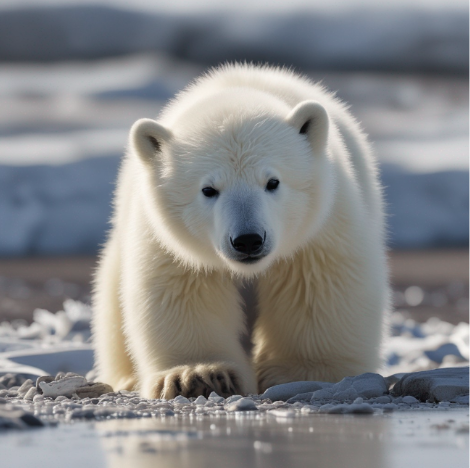
Image by Kenneth Allenvia Wikimedia Commons

In recent years, you may have noticed that our fall season has become much warmer, and so has our winter season as well—snow comes later in the year, and according to an article by NPR, the 2023-24 winter season saw the 48 lower states in the U.S. had their warmest winter in 130 recorded years. And in the U.S., winter is the season that’s warming faster than any other. However, why is this change occurring?

The main cause of these warmer seasons is climate change, and in particular, global warming. While Earth’s climate has changed across time, with ice ages and warmer periods, this current global warming is caused by human activity; specifically, how we add heat-trapping gasses to the atmosphere. When we do this, we produce gases such as carbon dioxide that come into the atmosphere and trap more of the Sun’s energy on Earth, which is warming up the planet. According to NASA, Earth’s average surface temperature has increased by 2 degrees Fahrenheit since the late 19th century, caused mostly by carbon dioxide emissions.

As these average temperatures rise, the coldest season is being affected the most. According to the Climate Reality Project, average winter temperatures across the 48 contiguous states have increased by 3 degrees Fahrenheit since the pre-industrial era. Because of this, many areas are beginning to see warmer winters overall. But how else is climate change affecting winter weather?

One of the other effects of climate change on winter, besides warmer overall temperatures, is that there’s more precipitation during the season, which can either be rain or snow. This happens because a warmer atmosphere can hold more moisture within; this excess moisture is released from the atmosphere as precipitation.

Another effect of climate change on winter is that severe winter storms, such as ice storms and blizzards, are becoming both more frequent and more powerful. This happens because there’s increased energy in the atmosphere from the Earth’s general warming, which can make these events more volatile. Furthermore, a powerful air current called the jet stream is starting to change easier. Because it can influence weather patterns, its shifts may lead to sudden changes in both temperature and precipitation.

For more information, please visit:
Glaciers

By: Samson Belihu

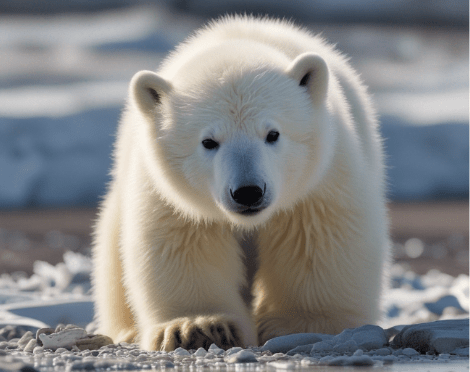
Image created with AskAI

Glaciers – they are massive, slow moving bodies of ice that form over centuries from accumulated snow.
They are vital indicators of climate change, as they respond sensitively to temperature variation. Unfortunately, global warming has led to significant glacial decline, impacting ecosystems, sea level, and global water patterns.

Causes of Glacier Melting

Rising global temperatures are causing glacial melting. Average global temperatures have increased due to greenhouse gas emission from human activities, such as burning fossil fuels and industrial progress. This warming accelerates the melting of glaciers, particularly in the polar and mountain regions.

Warmer ocean waters also contribute to the melting of glaciers. This is mostly happening in Greenland and Antarctica, which could potentially lead to flooding.

Consequences of Glacier Melting

Melting glaciers contribute to sea level rise, which threatens coastal communities and ecosystems. The increased glacial melting also impacts water supplies. Many regions rely on glacial meltwater for drinking water. As glaciers shrink, communities soon will face water shortages impacting agriculture.

Restoration Efforts

There are several organizations and companies that are focused on restoring glaciers, and the oceans temperature such as: Arctic Ice Project, Greennova Foundation, Mountain Wilderness, etc.

These groups are trying to slow glacial retreat through active intervention. For instance, some projects involve the application of reflective materials on glaciers to increase their albedo and reduce melting. Albedo is a measure of how much sunlight is reflected off of a surface, and it is important for glaciers because it helps regulate the earth’s temperature.

Some companies also research and monitor the changes of glaciers over time. There are also organizations that are working to raise awareness about the importance of glaciers and the big impact they have on climate change.

The melting of glaciers is a massive issue that is caused by climate change, with high consequences for our ecosystems, communities, and global sea levels. Many companies and organizations have stepped up to help with the restoration and conserve these glaciers, which hold many histories that many scientists have not gotten their hands on. There is hope to negate some of the impact of climate change on glaciers, and preserve them for the future generations.

For more information, please visit: