Tag Archives: energy drinks

The effects of energy drinks

By: Ruby Anderson and Priya Anderson
Energy drinks have begun to rise in popularity, especially among younger people, often replacing coffee as a new popular form of caffeine intake. These drinks can contain dangerous amounts of caffeine and other chemicals that can be unsafe to consume, especially to those who drink them on a regular basis. According to the ‘National Center for Complementary and Integrative Health’, energy drinks are the second most popular dietary supplement for American teens and young adults and almost one third of teens ages 12-17 drink them regularly.

While caffeine can be safe in limited amounts, too much caffeine can cause side effects. The most common side effects of energy drinks are short term effects such as shaking, rapid heart beat, increased blood pressure, anxiety, and restlessness. The recommended caffeine intake is up to 400 milligrams per day for adults and 100 milligrams for adolescents. Sticking to these amounts or less per day can prevent you from experiencing serious health issues.

Energy drinks contain ingredients like taurine, caffeine, and lots of sugar which when consumed daily can cause many long term health issues. Some include insomnia, dehydration, digestive problems, heart palpitations and can even cause problems as serious as cardiovascular disease and heart attacks. Long term use of caffeinated beverages can make you dependent on caffeine and without it can cause you to experience withdrawal symptoms like headaches, fatigue, difficulty concentrating, a depressed mood, and many more symptoms.

Energy drinks have become very popular recently and many of the most popular drinks contain the highest amounts of caffeine. A few of these drinks are: Redbull, Monster Energy, Bang, and tons of other drinks which can contain dangerously high amounts of caffeine. These energy drinks are available to almost anyone, being sold mostly at grocery stores, gas stations, and in vending machines.

Even though energy drinks are so easy to access, there are many groups of people which energy drinks can be especially dangerous to. Children and adolescents, pregnant people, those who have conditions like heart or kidney disease, and anyone who takes medications regularly can be more negatively affected by energy drinks than others.

Even with all of these negative effects from energy drinks, these beverages can actually be beneficial for certain people. If you consume energy drinks in a safe amount, a few of the benefits you can get include increased energy, concentration, mental alertness, and enhanced physical performance. Many people, especially athletes or those who participate in other strenuous activities, use energy drinks to enhance their abilities. Energy drinks can also contain vitamins and minerals. The majority of energy drinks contain B vitamins, most commonly biotin.

For those who still would like a caffeine boost in the morning without drinking energy drinks or coffee, there are many alternatives that are much more healthy. Green tea is probably the most healthy alternative with typically 25-45 milligrams of caffeine per 8 ounces. Really, any tea is a good alternative and also includes many health benefits that energy drinks don’t contain. Fruit juice and smoothies are nutritious alternatives and even just simply drinking water can give you a boost of energy when you wake up.

For more information, please visit:

Energy drink review

By: Max Cahoon & Norah Hoglund

Energy drinks are a good way to boost your energy during the day, especially if you don’t like drinking coffee or tea. There is a very large variety of energy drinks that are made in the world, so we are reviewing some of them to decide which one is the best.

We only tried one flavor of each brand, so we are judging based on the quality of the brand and the flavor we chose. If you are looking for new flavors or new brands of energy drinks to try, then you should read this article and learn about these 5 brands of energy drinks: Bubbl’r, Alani, Celsius, Red Bull, Bloom, and Uptime.

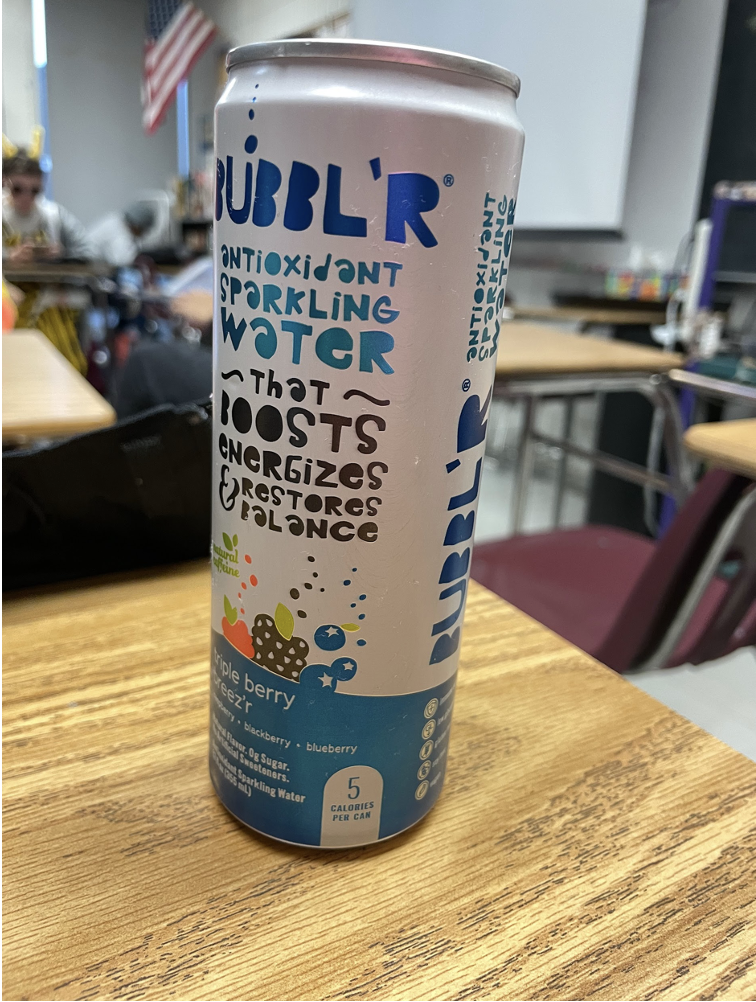
Bubbl’r: we tried the triple berry breez’r flavor. It’s a pretty mild taste, it tastes like sweet berries with a slight bit of tartness. Something we like about this brand is there isn’t too much caffeine in the drinks, only 69 mg per can. Also, it is all natural caffeine. This drink has no sugar, it is sweetened with erythritol, which has way less calories than sugar. Bubbl’rs are also vegan, soy free, gluten free, and immune boosting. Our rating is 8/10 considering the benefits of it and the middle grade taste.

Alani: the flavor we tried of the Alani was cosmic stardust. This flavor was very good, it tasted like a sweet candy, but it wasn’t too sweet. It wasn’t tart or acidic. An Alani has 200 mg of caffeine, which is quite a lot. There is no sugar because it is sweetened artificially, which gives it less than 15 calories. Our overall rating was a 8/10, it’s very good flavor wise but just wasn’t our favorite. 

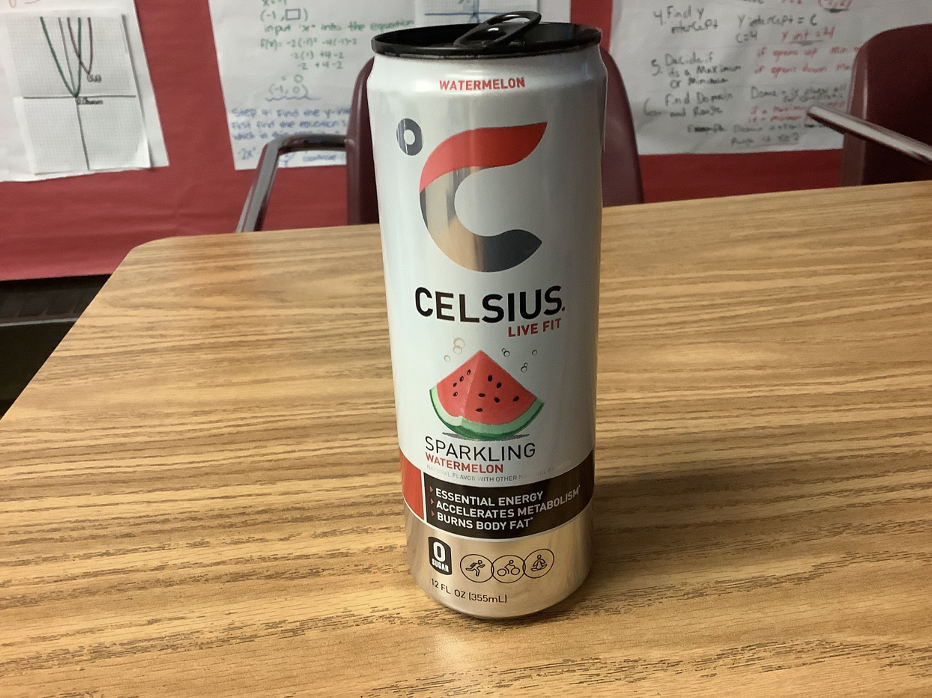
Celsius:the flavor we tried was Fuji apple pear. It tastes like apple and pear but with a little bit more sweetness. There is also a little bit of tartness. There is 200 mg of caffeine. It has a little bit of the same acid taste as the Red Bull, but it’s not nearly as powerful. It is sweetened with artificial sweeteners. Our rating is a 7/10.

Red Bull: we tried the original Red Bull flavor and it tastes like a fruity candy with battery acid in it. It is very pungent and strong flavor wise. The Red Bull has 80 mg of caffeine and 26 g of sugar, which makes sense because it’s an extremely high power energy drink. Putting sugar in an energy drink kind of defeats its purpose, though, because most people drink energy drinks to have energy without consuming a lot of calories. Our rating is a 2/10.

Bloom: the flavor we tried of bloom was raspberry lemonade. It tasted exactly like it was described, like sweet lemonade with a little bit of tartness from the raspberry. Bloom energy drinks are definitely on the healthier side for energy drinks, as they contain lots of vitamins and 180 mg of natural caffeine. There is no sugar, it is sweetened with sucralose which is a good alternative for sugar. We rate this one 8/10.

UpTime: the flavor we tried was white peach lemonade. It has 142 mg of natural caffeine. Uptime is different from the rest of these energy drinks as it has no sugar and is sweetened with natural sweeteners. Some people won’t understand how good and important that is for an energy drink to still taste really good without any artificial sweeteners or sugars. It tastes like sparkling lemonade with a hint of peach, and it’s actually really good while also being relatively good for you. Our rating is a 9/10 and for good reason. If you wanted to try a new energy drink we would recommend this one the most. This was the first time we’d ever heard of this brand and it is our favorite brand for energy drinks now.