

By: Ruby Anderson and Priya Anderson
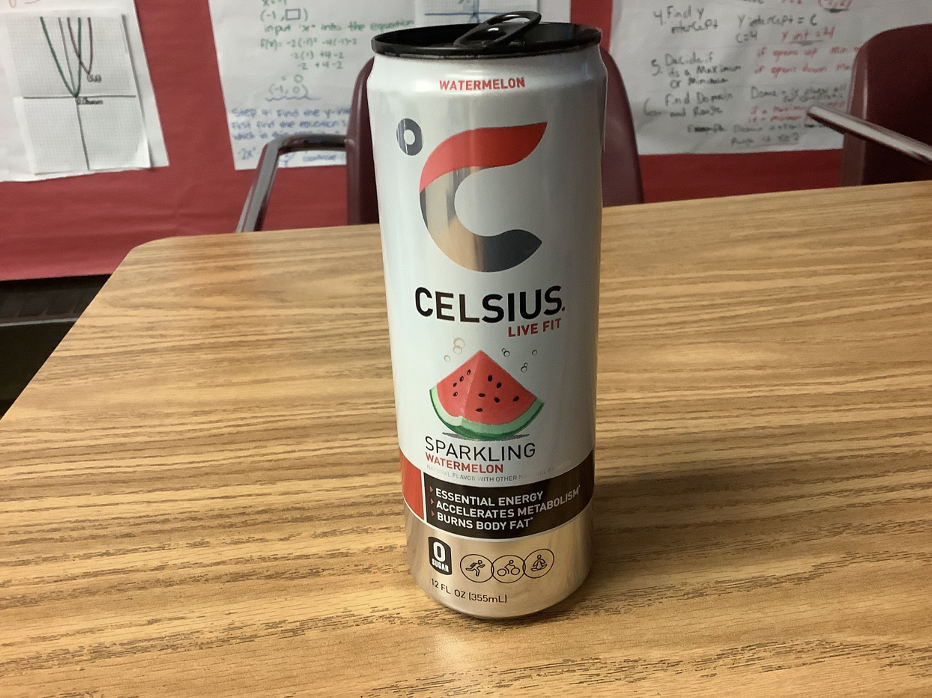
Energy drinks have begun to rise in popularity, especially among younger people, often replacing coffee as a new popular form of caffeine intake. These drinks can contain dangerous amounts of caffeine and other chemicals that can be unsafe to consume, especially to those who drink them on a regular basis. According to the ‘National Center for Complementary and Integrative Health’, energy drinks are the second most popular dietary supplement for American teens and young adults and almost one third of teens ages 12-17 drink them regularly.
While caffeine can be safe in limited amounts, too much caffeine can cause side effects. The most common side effects of energy drinks are short term effects such as shaking, rapid heart beat, increased blood pressure, anxiety, and restlessness. The recommended caffeine intake is up to 400 milligrams per day for adults and 100 milligrams for adolescents. Sticking to these amounts or less per day can prevent you from experiencing serious health issues.
Energy drinks contain ingredients like taurine, caffeine, and lots of sugar which when consumed daily can cause many long term health issues. Some include insomnia, dehydration, digestive problems, heart palpitations and can even cause problems as serious as cardiovascular disease and heart attacks. Long term use of caffeinated beverages can make you dependent on caffeine and without it can cause you to experience withdrawal symptoms like headaches, fatigue, difficulty concentrating, a depressed mood, and many more symptoms.
Energy drinks have become very popular recently and many of the most popular drinks contain the highest amounts of caffeine. A few of these drinks are: Redbull, Monster Energy, Bang, and tons of other drinks which can contain dangerously high amounts of caffeine. These energy drinks are available to almost anyone, being sold mostly at grocery stores, gas stations, and in vending machines.
Even though energy drinks are so easy to access, there are many groups of people which energy drinks can be especially dangerous to. Children and adolescents, pregnant people, those who have conditions like heart or kidney disease, and anyone who takes medications regularly can be more negatively affected by energy drinks than others.
Even with all of these negative effects from energy drinks, these beverages can actually be beneficial for certain people. If you consume energy drinks in a safe amount, a few of the benefits you can get include increased energy, concentration, mental alertness, and enhanced physical performance. Many people, especially athletes or those who participate in other strenuous activities, use energy drinks to enhance their abilities. Energy drinks can also contain vitamins and minerals. The majority of energy drinks contain B vitamins, most commonly biotin.
For those who still would like a caffeine boost in the morning without drinking energy drinks or coffee, there are many alternatives that are much more healthy. Green tea is probably the most healthy alternative with typically 25-45 milligrams of caffeine per 8 ounces. Really, any tea is a good alternative and also includes many health benefits that energy drinks don’t contain. Fruit juice and smoothies are nutritious alternatives and even just simply drinking water can give you a boost of energy when you wake up.
For more information, please visit:
 Plaid Line + PRIZM + Scottie News