
Tag Archives: australia

Senator Thorpe’s pledge scandal

By: Baarika Suresh

Note: This is the third article in a series that looks at ethics.
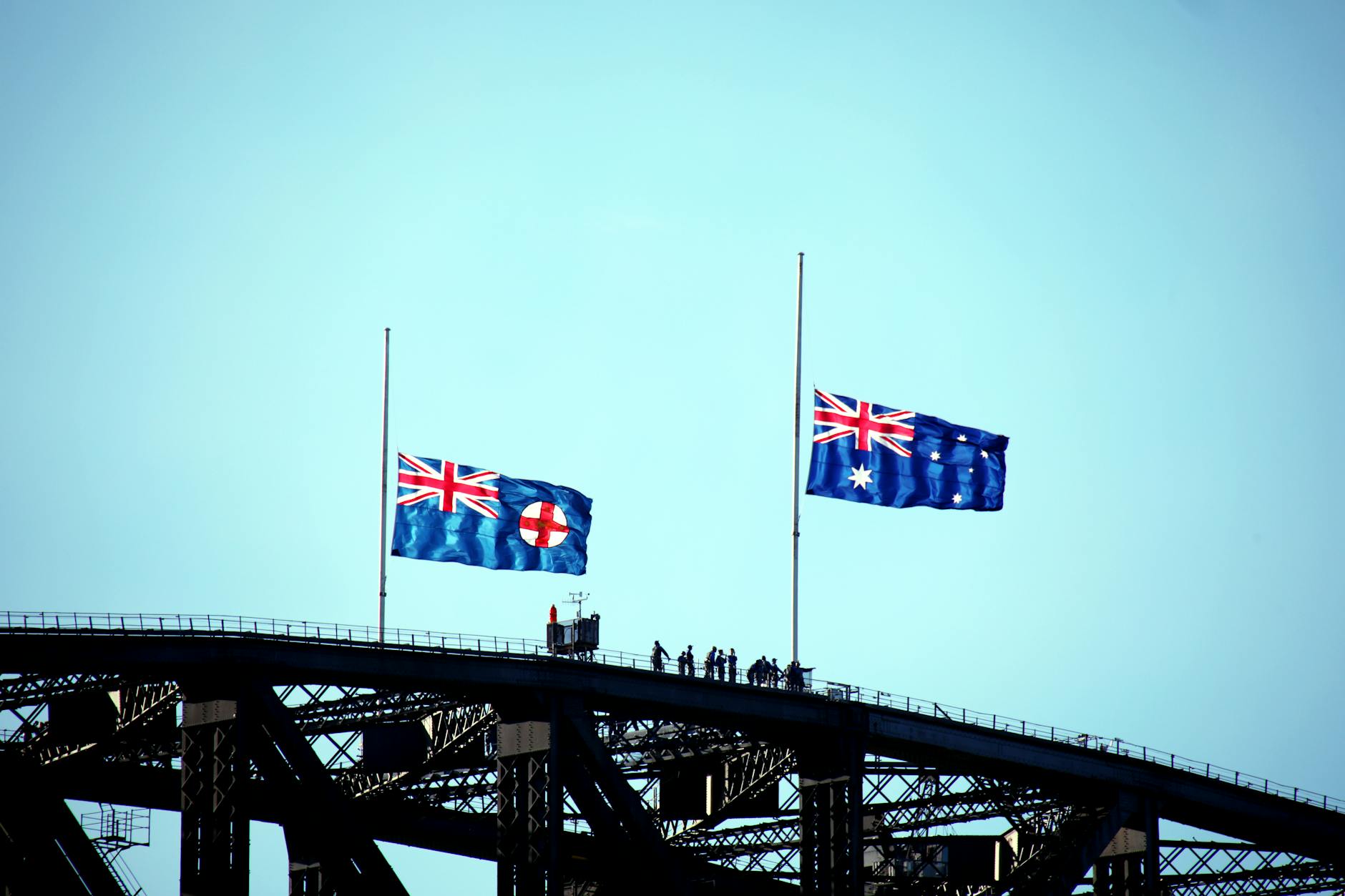
Photo by deep Bhullar on Pexels.com

Australia’s Senator Thorpe’s pledge scandal has shocked the world as she claims to have sworn to the “queen’s hairs” not the queen’s heirs after her confrontation with King Charles The Third. She claimed this after she allegedly broke the pledge into parliament as a Senator by shouting out “You are not our king” to King Charles The Third. Senator Lydia Thorpe, the former Greens Senator for the state of Victoria, made the pledge when Queen Elizabeth was still alive and reigning.

The Parliamentary Oath of Allegiance is as follows; “I (full name) do swear that I will be faithful and bear full allegiance to Her majesty Queen Elizabeth The Second, Her heirs and successors according to law. So help me god.” Senator Thorpe took two tries to say her pledge. The first try she said, “I bear true allegiance to – the colonizing – her majesty Queen Elizabeth The Second” before the senate president made her start again. In her second attempt she did seem to say “hairs” and was sarcastically laughing. She also had an outburst at the King and Queen on their visit to Australia.

“Give us back what you stole from us: our bones, our skulls, our people. You destroyed our land. Give us a treaty. We want a treaty in this country,” she said. She continued with, “You are not my King. You are not our King… F*** the colony, F*** the colony, F*** the colony.”

These outbursts have resulted in many people in parliament calling for her to resign, including the opposition minister Peter Dutton. He claims that someone who doesn’t believe in the system should “rest in principle.”

I think that this whole situation is very interesting in the eyes of the law. Senator Thorpe is an aboriginal person whose people have faced many hardships due to the colonization of the British empire and Thorpe is obviously very angry about this. That is understandable as aboriginal people had their rights taken away and were treated extremely bad. Thorpe wants a treaty Republic of Australia and says that King Charles is not the king of the First Nations people of Australia.

Lawyer X

By: Baarika Suresh

In an effort to try to bring certain legal cases to light, this is the 1st of a possible series of articles on cases that deal with legal ethics.

Cover of a book that was written about this case

A scandal like no other, Lawyer X was a royal commission in Victoria, Australia created to examine the actions of Nicola Gobbo and the Victorian police working as a lawyer and acting as a registered informer. The police fought hard to keep Gobbo’s identity a secret and she was a target for the clients she defended, but also did not want to jeopardize their high profile convictions. The scandal took many years to play out, and left the premier of the time, Daniel Andrews, with no choice but to call a royal commission into the events.

In response to the royal commission judgment by Ms. Margaret McMurdo it was revealed that Lawyer X received 3 million dollars plus other payments from Victoria Police for providing information about her clients whilst she was representing them. McMurdo found that police “tolerated bending the rules to help solve serious crime” and that the police claimed that the reason they waited to get legal advice on Gobbo was because “they did not want to be told they could not use Gobbo the way they intended”.

The fact that Gobbo was representing her clients while also informing about them clearly violates attorney client privilege, making most of the cases an unfair trial. She made a name for herself during the Melbourne gangland killings, but was first registered as an informer when she was just a law student, giving the police information about her drug dealer boyfriend/housemate. She was also a registered informer on a colleague who she claimed was laundering money.

This brings the question of ethics to mind: Where is the bar set that violating attorney client privilege is ok? In response to the royal commission, policies were discussed requiring those who might come into the possession of legally privileged information, to be approved by the Victoria Police ethics committee before being registered as an informer.

In total, the royal commission heard from 82 witnesses, including over 50 police officers during the 129 days of hearings. The full transcripts of the royal commission are available online.

For more information, please visit: