
By: Cleo Newton
Poisonous plants can look like any other plant if you don’t know which is which. According to Britannica.com, the following are considered to be the world’s most poisonous plants.
Water Hemlock
This plant looks a lot like the Water Parsnip (Sium suave), they’re both made up of clusters of small, white flowers. The Water Hemlock (Cicuta maculata) is the deadliest plant in North America and is closely related to the Poison Hemlock. What makes this plant so deadly is the cicutoxin it’s infused with, especially so in the roots. If you eat this plant, the poison will rapidly generate symptoms that are potentially fatal. Symptoms such as abdominal cramps, nausea, convulsions and death are common. Those who survive eating a Water Hemlock usually have lasting tremors or amnesia.
Deadly Nightshade (Atropa belladonna)
The Deadly Nightshade has shiny black berries and dull green leaves. The sweet berries this plant produces are very poisonous and it’s usually children and unknowing adults that eat these berries. The leaves, roots and berries of this plant contain atropine and scopolamine. Consuming this plant will cause the involuntary muscles in the body to be paralyzed, including the heart. Touching this plant can cause skin irritation.
White Snakeroot
Like the Water Hemlock, this plant has a cluster of small white flowers. These flowers contain a toxic alcohol called trematol. Directly ingesting this plant causes death. You can even die if this poison indirectly makes its way into your body. Eating the meat and/or drinking the milk from poisoned livestock can pass the toxin onto the consumer. Symptoms include nausea, loss of appetite, weakness, abnormal acidity of the blood and death.
Castor Bean (Ricinus communis)
The Castor Bean is widely grown as an ornamental plant; it’s an attractive plant to Africa. Castor oil comes from processed Castor seeds, which naturally contain the poison ricin. Ricin is so deadly that it only takes one or two seeds to kill a child. It takes up to eight to kill an adult. What ricin does is that it impedes the synthesis of proteins in cells, and can cause severe vomiting, seizures, diarrhea, and death. Most of these deaths are caused by the accidental consumption by kids and pets.

Oleander (Nerium oleander)
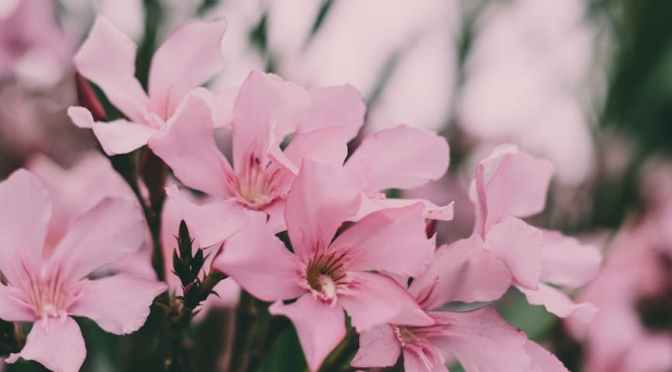
Like the Castor Bean, this plant is also grown as an ornamental plant. All parts of this plant are poisonous. Oleander contain cardiac glycosides called oleandrin and neriine. Eating this plant can cause diarrhea, erratic pulse, vomiting, coma, seizures, and death, while coming into contact with the sap or leaves of Oleander can irritate the skin. Like the White Snakeroot, this plant is so toxic that people have fallen ill from indirectly ingesting the poison. People have become sick from eating the honey made from bees that visited this flower. Luckily, Oleander isn’t as commonly consumed as it’s very bitter.
After reading this article, I hope you’ve learned a bit more about poisonous plants.
 Plaid Line + PRIZM + Scottie News