

By: Kara Fini
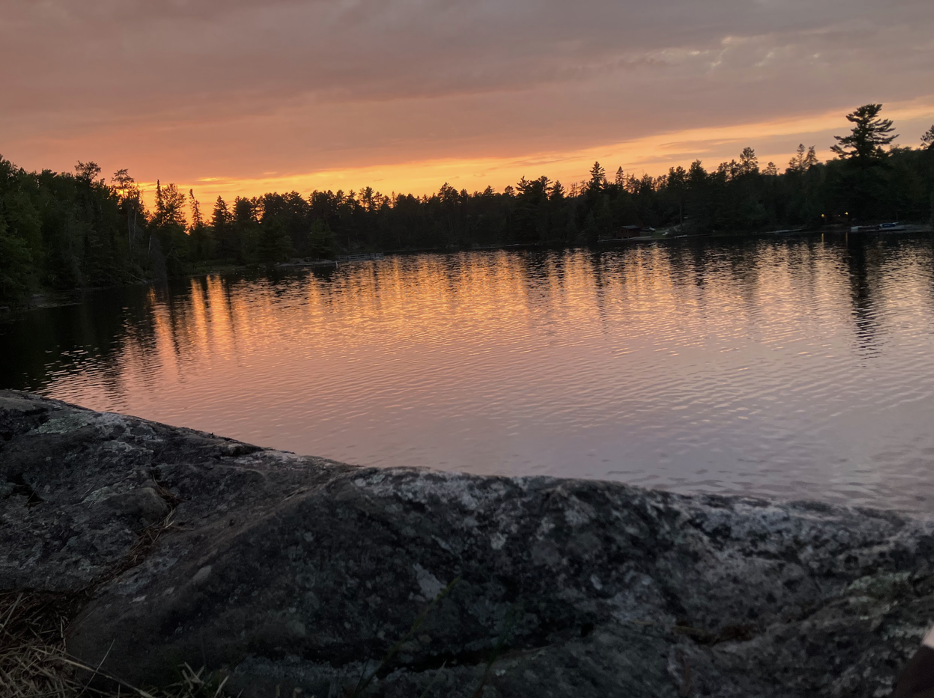
Minnesota has beautiful wildlife and nature which means it also has amazing places to go camping. Here’s a list of 3 of my personal favorite places to go camp.
Jay Cooke State Park is located in Carlton Country about 20 miles southwest of Duluth. Like most campgrounds they offer tent, RV, and camper cabin sites for a variety of ways to camp. They all Include a fire pit and you are able to buy firewood on-site. Why Jay Cooke stands out against other campgrounds is because of their famous swinging bridge which is now 100 years old. This bridge has stunning views over the St. Louis River and leads you to a bunch of amazing hiking trails. In total, there are 50 miles of hiking trails to explore and 34 miles of Nordic skiing trails in the winter. I would recommend Jay Cooke as a nice family camping trip or first time camper because of the variety of ways to camp and because of the many activities they provide.
If you are looking for a more secluded campground, Fenske is in my opinion the best place to go camping. Fenske Lake Campground is a small remote campground up in Ely, Minnesota. The campground has 16 campsites with 11 being RV accessible. The nicer sites have a walk in style meaning there is a small trail about 60 meters leading down to the campsite. This makes it harder to set up tents and bring stuff down, but it’s worth it when you’re in your own secluded campsite. Some campsites are connected to the lake. This means you can canoe, kayak, paddleboard or go swimming straight from your campsite. There are hiking trails, but they require a bit of a drive to get to. Overall, I would recommend Fenske for non-first time campers because it’s a bit rougher compared to other campgrounds like Jay Cooke.
The Boundary Waters 4.3 million acres of interconnected lakes and rivers with beautiful forests that are home to much wildlife including moose, loons, bears, deer and many other animals. Camping in the Boundary Waters is a much different experience than a state park campground. First of all, there are no motorized vehicles allowed in the Boundary Waters area. The only ways to get into the Boundary Waters is by portaging, canoeing or hiking. Inside the Boundary Waters there are 2,000 campsites, most accessible from the lakeside. These campsites have an area to set up a tent, a small pit toilet and sometimes have a fire pit. The Boundary Waters can be difficult to plan and hard to navigate, but the memories and experiences of them make it worth going.
 Plaid Line + PRIZM + Scottie News