
By: Seng Yang
Background information:
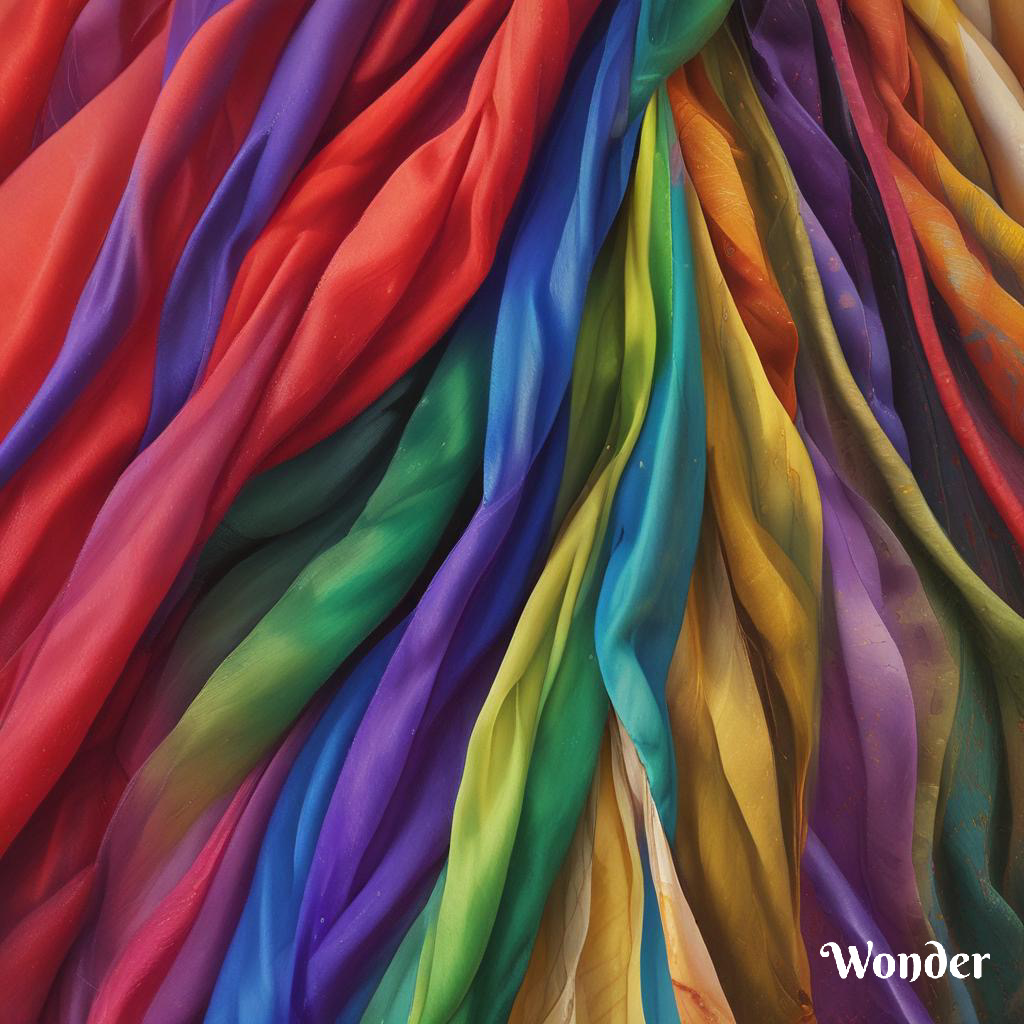
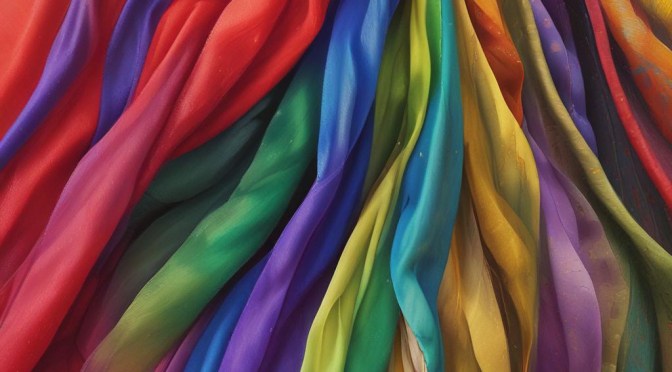
In Hmong culture, shamans will use veils for different purposes. Different colors have different purposes. Back in Laos and Thailand, there weren’t many color options, meaning there was only black and red, and even now the most common three veil colors are red, black, and white, while other veil colors aren’t as common or aren’t used as much as today.
Red:
The red veils are commonly linked to modern-day shamans who have spirit guides from various cultures beyond their ancestral ones. Many of them collaborate with angels and ascended masters. The color red is a powerful color often associated with protection and vitality. Wearing a red veil is often a way to feed off evil spirits or negative energies. Red is believed to be a color that repels negative forces, providing a strong shield of spiritual protection.
Black:
The black veils symbolize the ancestral shaman lineage. The color black signifies protection, secrecy, and a connection to the spirit world. In various shamanic customs, black is considered a safeguarding hue that conceals the shaman’s identity. Shamans with the black veil aid in soul retrieval and prevent souls from transitioning into another realm.
White:
The white veils are associated with the psychic shaman who can foresee into the future. Shamans who wear the white veils may seem more experienced or skilled with a stronger connection to the spiritual realm. They perform divination readings and they generally symbolize purity, peace, and protection. The color white is often used in rituals for its association with clarity, spiritual cleanliness, and to guide the souls of the deceased safely to the afterlife. The color is often associated with death and the afterlife.
Green:
The green veils are typically associated with growth, healing, nature, and balance. In shamanic practices green represents life and renewal and is often connected with the natural world and plant spirits. Shamans may wear the green veils in healing ceremonies or rituals intended to bring physical or emotional healing. It can also be seeking guidance or blessings from nature spirits or when emphasizing balance and harmony.
Orange:
The orange veil symbolizes enlightenment, wisdom, and spiritual authority. They are associated with divine beings, higher spiritual knowledge, and ancestors who possess deep wisdom. The veil could be worn in ceremonies focused on seeking wisdom, guidance, or blessings from ancestors or spiritual beings. They represent connection to higher knowledge and spiritual insight.
Purple:
The purple veil is not commonly used in the Hmong traditions. The color purple can symbolize a higher spiritual calling or the ability to communicate with powerful ancestors. It symbolizes transformation and spiritual enlightenment, bridging the gap between earthly and spiritual dimensions. Additionally, the purple veil signifies a connection to the divine, spiritual authority, and elevated consciousness.
Yellow:
The yellow veil is associated with earth and life. It symbolizes protection, healing, and guidance during rituals; it’s also sometimes linked to enlightenment or wisdom. The shaman wearing a yellow veil often guides lost souls back to their rightful place, whether in the world of the living or the afterlife.
Blue:
The blue veil is associated with wisdom, calmness, and communication with spiritual guides. It could be used during ceremonies that involve seeking wisdom or communicating with ancestors or spirit guides for insight. Blue could also represent healing, particularly emotional or spiritual healing. A shaman wearing a blue veil may be conducting rituals focused on restoring balance, bringing peace to troubled souls or calming energies in situations of unrest.
 Plaid Line + PRIZM + Scottie News
Seng,
Thank you for this wonderful article about Hmong shamanism. The purpose of veils and the meaning of the colors was so interesting!