
By: Persephone Pond
The lack of mental health services in schools is a problem that has an immediate impact on youth and their overall mental wellbeing. Ever since the COVID-19 shutdown, we’ve been in a mental health crisis where diagnoses for mental health disorders have skyrocketed in younger generations. The lack of awareness of this issue can lead to these mental health conditions in youth growing worse and leading to problems later in life and even increased suicide rates. This article will cover how this problem came to be and ways we can help prevent it.
According to Pewresearch.org, just over 55% of public schools in the U.S. provided students with mental health services during the 2019–2020 school year, and that number barely increased in the following 2020–2021 school year. Even fewer schools in this time frame offered any treatment for mental health disorders, with only 42% of public schools offering any services in or outside of school.
Since the COVID-19 pandemic, many psychology professionals have stated we’re in the middle of a mental health crisis. Since returning to school in the 2021–2022 school year, prevalence of anxiety and depression in teens and youth increased by a whole 25% according to the World Health Organization.
Along with these devastating facts, so few youth who really suffer from mental health problems don’t seek help at all, since mental health isn’t talked about or discussed much in school curriculums and there’s so much stigmatism around this topic.
The stigmatism of mental health has been a problem in our society for generations, and we’re just starting to release some of that now. This stigmatism often stems from the belief that mental health disorders are overdiagnosed and the people who suffer from them are just being dramatic or are seeking attention. This is most commonly seen in older generations, as growing up, mental health wasn’t a talked about issue, and psychology was just first starting to emerge as its own valid science.
This stigma of mental health is very invalidating and hurtful to those who really do suffer, and spreading awareness of these inaccuracies can help release some of that stigma and help us understand what others may be dealing with so we can empathize with them and find ways to help them through it.
With the massive increase in mental illness comes the desire to see it treated and for youth affected by these illnesses to thrive again, which sort of forces some of this stigmatism to be pushed back. It’s not a very big step in eliminating the stigmatism around mental health, but understanding how youth are being affected is the first step to change.
Schools not providing enough services and resources to youth is a big problem, but even within those schools that do offer those services, there are many factors that still lead to youth not receiving the help they need and deserve.
Many of these services provided in schools aren’t always known to the students or sometimes they just don’t feel comfortable going to the counselors or professionals. One of the biggest problems within having counseling services is that the professionals often don’t do enough to reach out to youth who are struggling, or they don’t do enough to make meaningful connections so youth feel comfortable coming to them for help. This is one of the leading factors contributing to the uproar in mental illness, as so much goes unseen.
Youth who actively seek help and reach out for themselves are the ones who receive the services provided, but a major aspect of having a mental illness is not understanding how it affects you and not understanding the symptoms fully, which makes it significantly harder for some youth who don’t know or understand their conditions to reach out. Having counselors reach out to youth and try to form connections is a better strategy for helping those kids, as connection with a trusted adult may be just the thing that will help them receive the help they need.
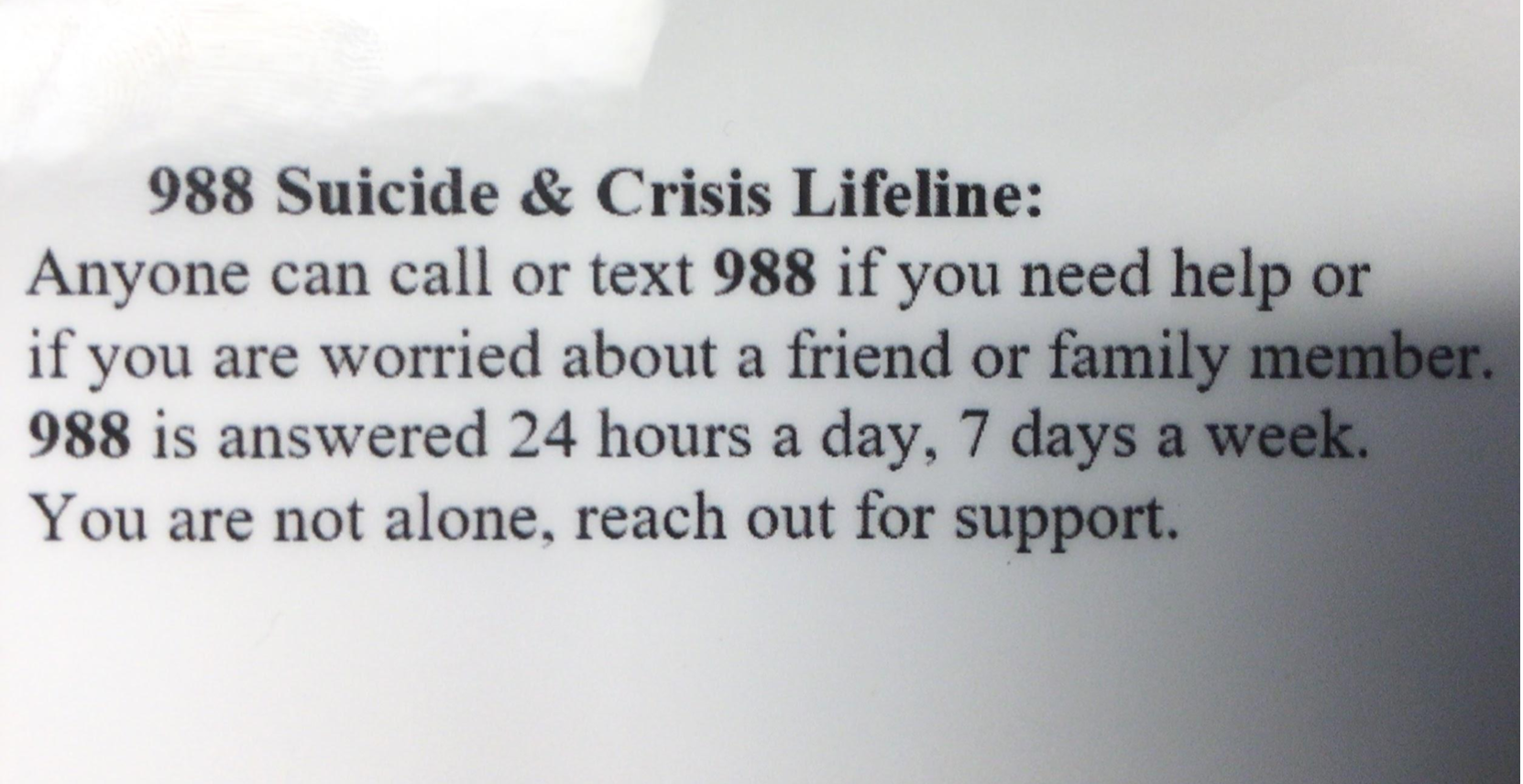
The lack of awareness and available resources to youth who suffer with mental illness is astounding, especially in these years following a global pandemic. If you or someone you know is struggling with mental health issues, put yourself or the other person first. Find ways to help relieve some of yours or their pain, and reach out to someone.
And remember: Mental health matters.
 Plaid Line + PRIZM + Scottie News