
By: Jocelyn Knorr
Post-traumatic stress disorder is a mental disorder stemming from major trauma. The brain is unable to process the event or events all at once, and stores it subconsciously, processing the event in small bits when reminded of it, called “flashbacks.” These are all things we know now—and yet war, one of the most common factors that lead to the development of PTSD has existed at least since we’ve had the written word. So, how did we get here?
Many people think of PTSD as first being discovered around the First World War, but we have records of it going back as far as Ancient Greece; there is an account by Herodotus of a young soldier at the Battle of Marathon going completely blind after witnessing the slaughter of one of his comrades. This matches up with several other accounts in later years, up to the Vietnam War.
In the 1850s and 1860s, “soldier’s heart,” became a concept off the back of the Crimean War and the American Civil War. It was characterized by difficulty breathing, elevated heart rate, and high blood pressure, but psychological symptoms have also been reported. The doctor pioneering this research, Jacob Da Costa, believed that the body affected the brain, however, so this line of inquiry was not seriously pursued. This condition had some of the textbook effects, such as nightmares and irritability, but it was blamed on “hard service;” the rough conditions soldiers worked in, going for long stretches of time without adequate food or proper sleep.
The first serious look at PTSD from a psychological perspective came about in 1915, with the carnage of the First World War. This was the largest war fought in human history so far, and the scale of human suffering increased accordingly—millions of soldiers and officers were sent back from the front lines because of the symptoms they had developed, deemed “unfit for service.” The medical consensus at the time was that being near the artillery guns, a terrifying new piece of weaponry, was disrupting the “circulation of the nervous system.” Officers were sent to “convalescent hospitals” to regain their strength through rest, before being sent out into the carnage once again. Enlisted men, deemed lesser, were given no support at all.
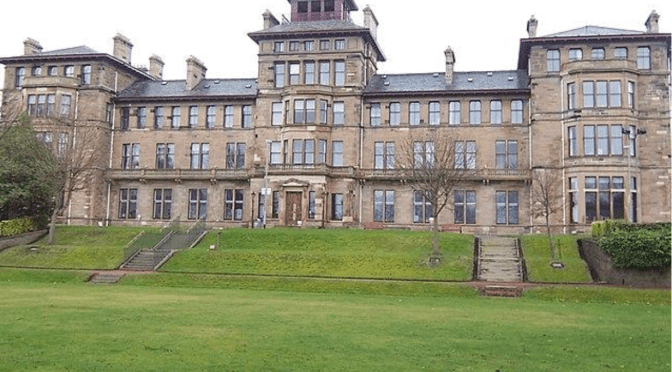
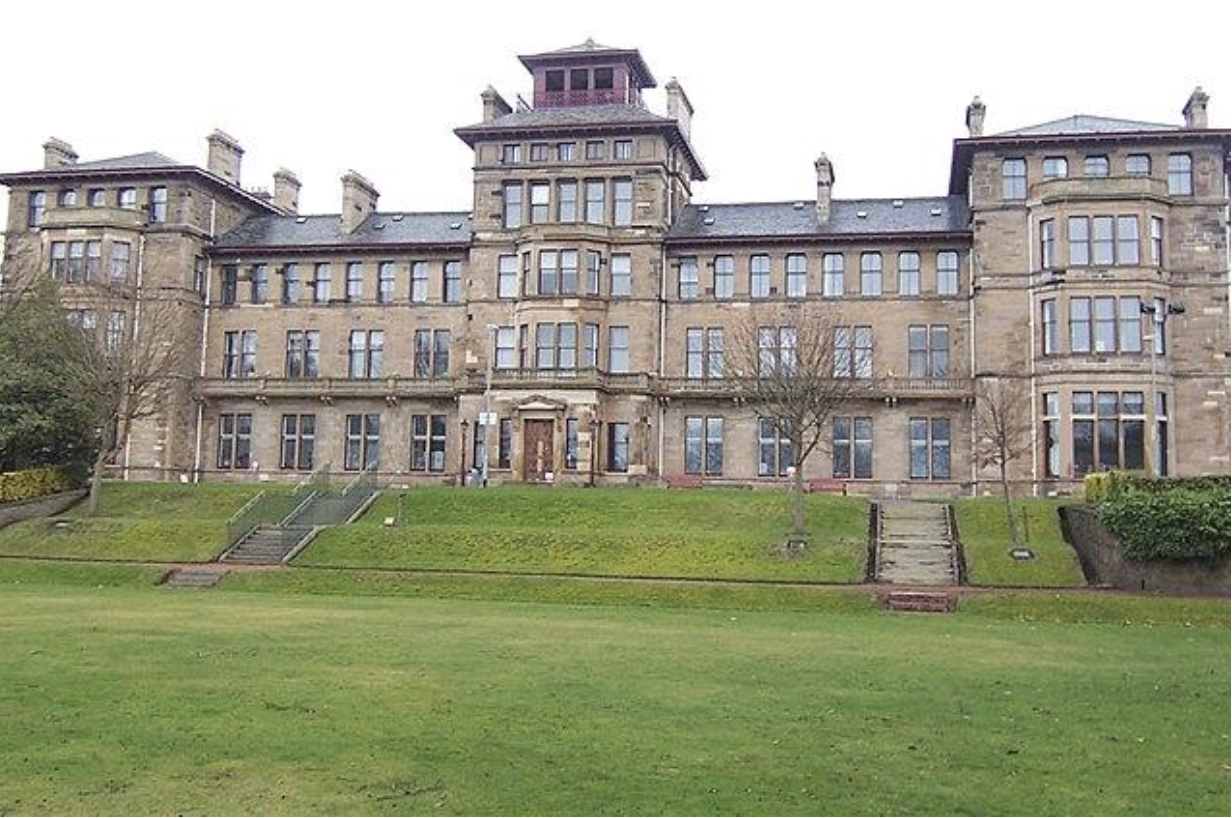
However, W.H.R. Rivers, a respected psychologist, had a different idea. He gained control of Craiglockhart Hospital in 1915 and began putting his own treatment regimen in action—he spoke with the officers there about the events that had caused their distress, remarkably similar to talk therapy utilized today. He also allowed the men to explore the city and encouraged recreational pursuits. This allowed the affected officers to build a conception of life and themselves outside of their trauma, another vital part of modern PTSD treatment.
In the modern day, various methods of treatment have been used to aid in recovery, but the most common and successful are built off of Dr. Rivers’ body of work. Cognitive behavioral therapy and group discussion therapy seek to give the people affected an outlet for their emotions and discourage unhealthy beliefs about themselves, and narrative therapy is used to help people process the inciting event within the greater context of their lives.
However, medical ideas have evolved since the Great War—we now understand that war is not the sole risk factor, and indeed any trauma can lead someone to be affected by PTSD. SSRIs, most commonly used to alleviate the symptoms of depression, have also shown promise when applied in the treatment of people with PTSD.
Trauma can be unpredictable, and for a very long time it left people’s lives burnt to the ground. But modern medicine has made great strides in helping people pick up the pieces.
For more information, please read:
- ‘Soldiers Don’t Go Mad’ by Charles Glass
- “Irritable Heart and Coping with the Trauma of War”
 Plaid Line + PRIZM + Scottie News