
By: Hermekay Dehaney
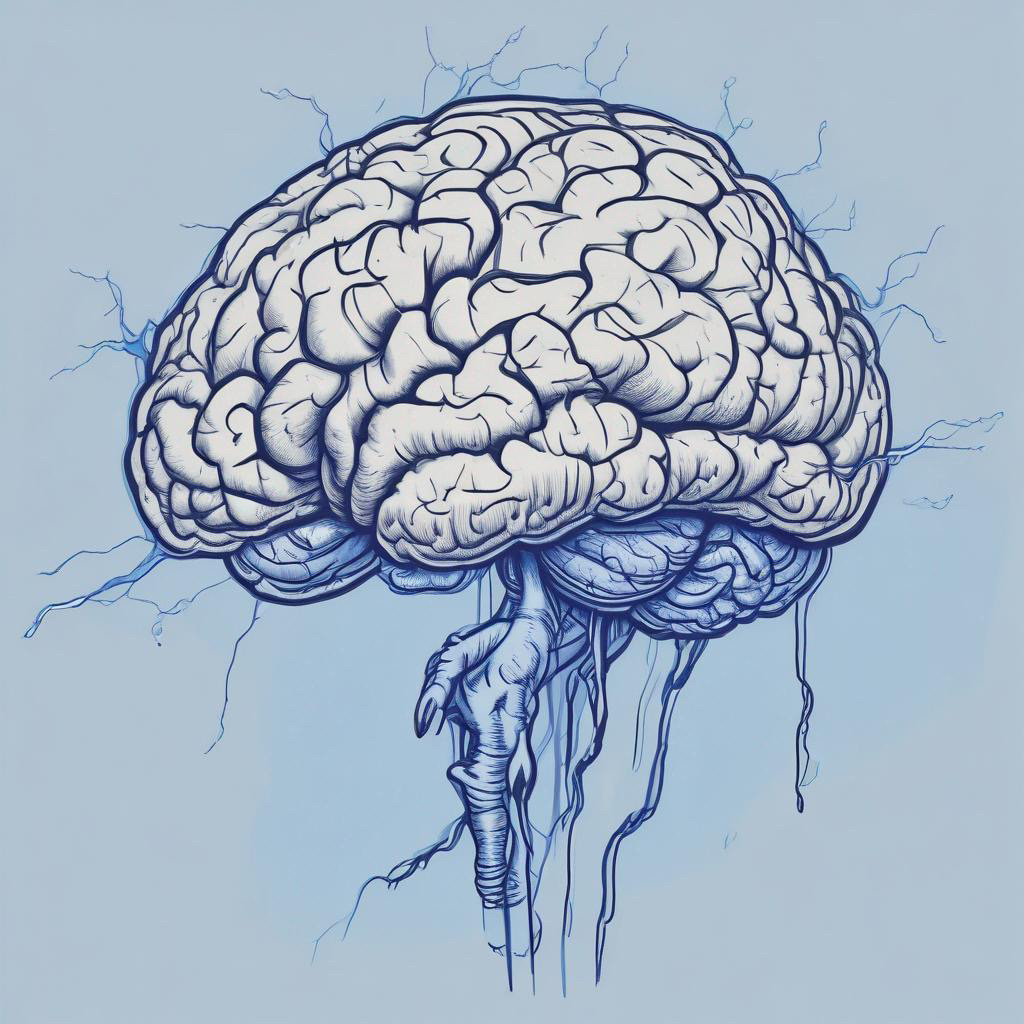
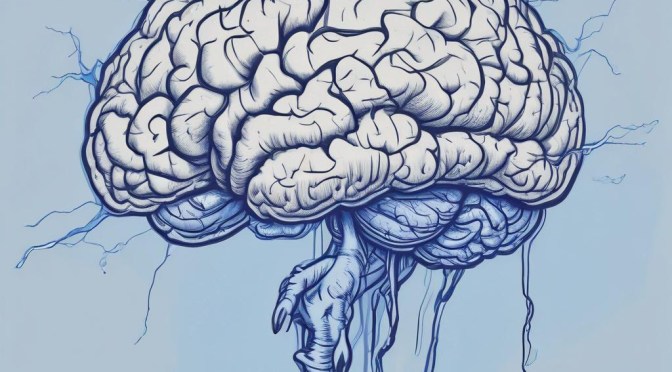
The human brain is very complex and fascinating, it is capable of numerous cognitive processes that shape how we think and how we act. One fascinating thing about our mental function is the inner monologue, also known as the “voice inside your head,” or “inner voice, ” it’s where we can hear our thoughts and have conversations within our mind with ourselves.
We might see a lot of depictions of inner monologues when reading first-perspective books, or when a show/movie shows a character thinking to themselves.
However, some reports show that about 30 – 50% of people don’t have an internal monologue. The absence of an inner monologue, known as “aphantasia” can lead to various questions surrounding the complexity of the human mind, and why some people don’t have an inner monologue.
While the exact reasons are not fully known, research has found many factors that may contribute to it. A potential factor could be a correlation between the dorsal stream and the ventral stream, The dorsal and ventral are two language tracks that help form sounds. A research conducted in 2019, shows that the development of inner speech is based on how your dorsal stream is developed.
Cultural and environmental factors can influence how your brain processes different information in your early years. People who don’t develop a strong inner monologue in childhood may simply never get it later in life.
Genetics also play a role in the lack of an inner monologue. Research found that aphantasia can run in a family. This implies that there are some hereditary factors that lead to the lack of an inner monologue.
Having no internal monologue doesn’t indicate a person having mental challenges. People with aphantasia have no issues with their memory, nor do they have trouble thinking and problem solving, they simply just view the world differently.
Even though the reasons for not having an inner monologue are not fully understood yet, factors such as the brain cognitive function, environmental factors, and genetics appear to play a role.
For more information, please visit:
- https://irisreading.com/is-it-normal-to-not-have-an-internal-monologue/#:~:text=But%20it%20turns%20out%20there,for%20example%2C%20by%20using%20pictures.
- http://www.frontiersin.org/journals/psychology/articles/10.3389/fpsyg.2019.01708/full
- https://www.healthline.com/health/mental-health/internal-monologue#people-without-an-internal-monologue
 Plaid Line + PRIZM + Scottie News