


‘Found Heaven’ album review

By: Sophia Elmstrom

‘Found Heaven’ by Conan Gray is Conan’s third album and most recent one. This album came out April 5th, 2024 and is brand new. This album has 13 songs and is a total of 36 minutes long.

This new album is very out of Conan Gray’s comfort zone, most of his music is slow paced whereas these songs are more funky and amped up. Many of the songs on this new album are inspired by popular 80’s and 90’s music. For example, a song on this album is called
“Eye of the Night” inspired by “Eye of the Tiger”.

The song titles are:

  • Found Heaven
  • Never Ending Song
  • Fainted Love
  • Lonely Dancers
  • Alley Rose
  • The Final Flight
  • Miss You
  • Bourgeoisieses
  • Forever With Me
  • Eye Of The Night
  • Boys & Girls
  • Killing Me
  • Winner

My top three songs on this album are “Alley Rose”, “Bourgeoisieses”, and “Lonely Dancers”. Both “Alley Rose” and “Lonely Dancers” were released as singles before this album came out on April 5th.

“Alley Rose” is inspired by the album ‘Abbey Road’ which was by the Beatles. Conan wrote this while he was on his way home from London after getting his heart broken there. “Alley Rose” is one of my favorites on the album because the lyricism is truly beautiful as well as the music. 10/10

“Bourgeoisieses” is a very upbeat song about the rich. This song is unlike anything Conan has written and I like it very much for that reason. This song is intentionally misspelled and is the “plural” of bourgeoisie. ‘Bourgeoisieses’ makes fun of rich people and Conan says that this whole song is just supposed to be funny. I really enjoy it and it is very very catchy. 7/10

“Lonely Dancers” was a single off of this album and is about getting ghosted and being confused. I like “Lonely Dancers” because of its upbeat and catchy music. I believe that this is the best song off of the album with the best music while “Alley Rose” has the best lyrics. 10/10

Overall, I give this album an 8/10 because it took me a while to get used to the new style of music. If you enjoy 80’s music I would definitely recommend this album because it is a modernized version of 80s music.
Why some people don’t have an internal monologue

By: Hermekay Dehaney

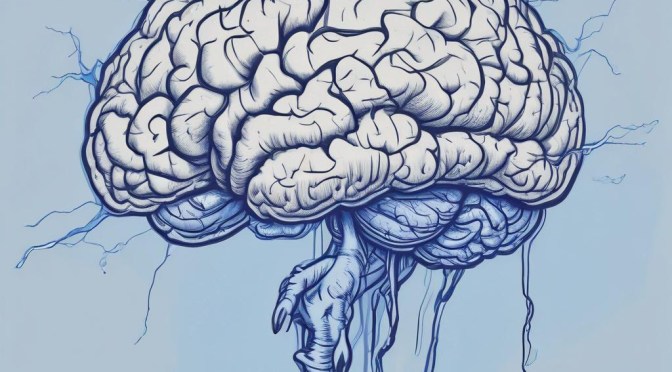
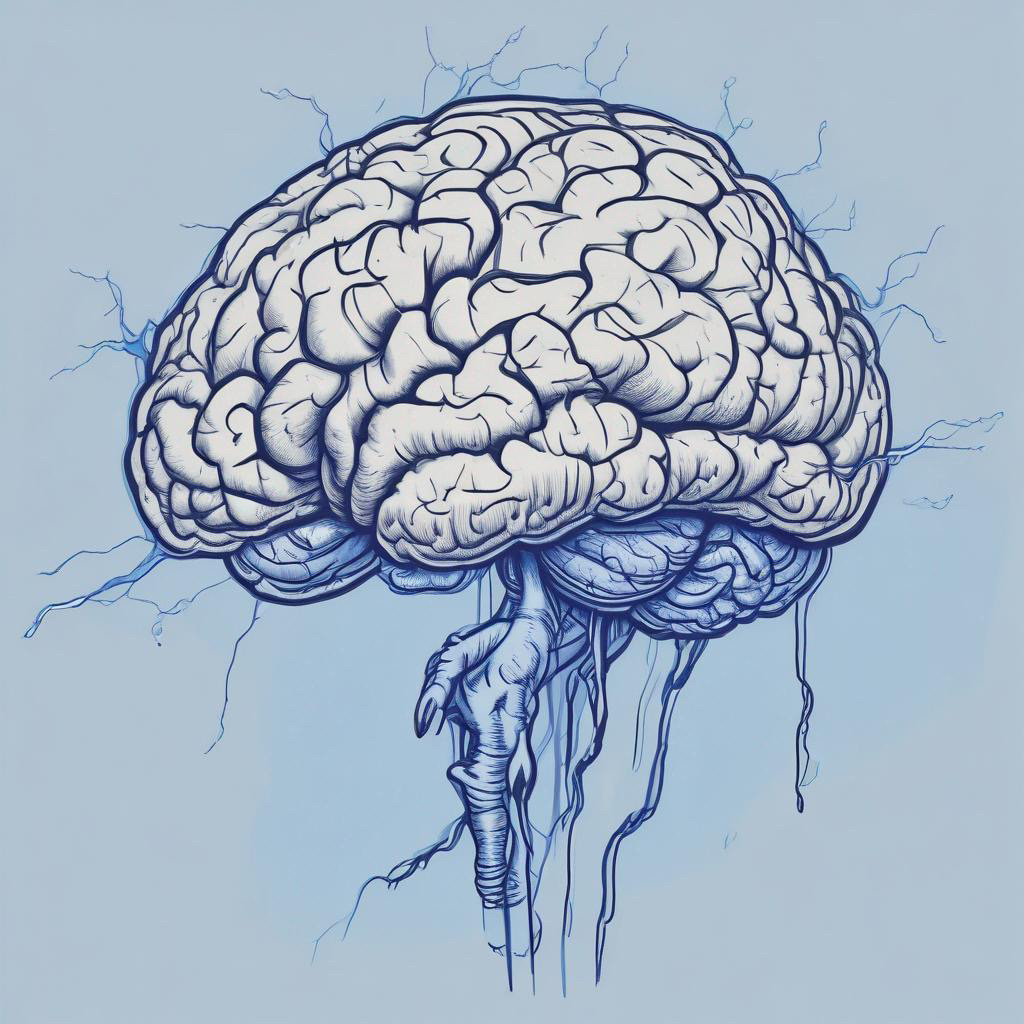
Image created with Wonder

The human brain is very complex and fascinating, it is capable of numerous cognitive processes that shape how we think and how we act. One fascinating thing about our mental function is the inner monologue, also known as the “voice inside your head,” or “inner voice, ” it’s where we can hear our thoughts and have conversations within our mind with ourselves.

We might see a lot of depictions of inner monologues when reading first-perspective books, or when a show/movie shows a character thinking to themselves.

However, some reports show that about  30 – 50% of people don’t have an internal monologue. The absence of an inner monologue, known as “aphantasia”  can lead to various questions surrounding the complexity of the human mind, and why some people don’t have an inner monologue. 

While the exact reasons are not fully known, research has found many factors that may contribute to it. A potential factor  could be a correlation between the dorsal stream and the ventral stream, The dorsal and ventral are two language tracks that help form sounds. A research conducted in 2019, shows that the development of inner speech is based on how your dorsal stream is developed.

Cultural and environmental factors can influence how your brain processes different information in your early years. People who don’t develop a strong inner monologue in childhood may simply never get it later in life.

Genetics also play a role in the lack of an inner monologue. Research found that aphantasia can run in a family. This implies that there are some hereditary factors that lead to the lack of an inner monologue.

Having no internal monologue doesn’t indicate a person having mental challenges.  People with aphantasia have no issues with their memory, nor do they have trouble thinking and problem solving, they simply just view the world differently.

Even though the reasons for not having an inner monologue are not fully understood yet, factors such as the brain cognitive function, environmental factors, and genetics appear to play a role.

For more information, please visit: