

By: Trump Vang
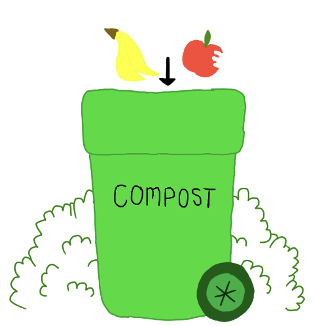
In our world today, trash is a substantial part of our lives. Just in the United States alone, according to Trashcansunlimited.com, there is 146.1 million tons of waste in landfills, which is equivalent to the weight of 24 Great Pyramids of Giza. It’s an enormous problem in our lives, as it continues to pollute and spread into our environments and systems.
There are a few ways that trash can be mitigated. You’ve most definitely heard of recycling before, which is the process of converting waste and garbage into new materials and objects. One other common method is composting.
What is Composting?
If you didn’t know, composting is the process of recycling organic matter into a nutrient-rich soil or mulch through decomposition. You may see it in your school or at a local dump but its ability to turn food waste into compost is unmatched and integral in diminishing waste.
What Can I Compost?
Just like recycling, you can compost at home too! Though it’s important to know what you can compost. Put simply, try to only compost fruit and vegetable scraps. This can be anything from fresh, cooked, or moldy. Alongside this, it also accounts for leaves, coffee grounds, and grass cuttings.
There are other things that you can compost, but it’s often not recommended to do so. These items include meat and dairy products, which can spoil and attract pests, as well as lawn trimmings which may contain pesticides.
How Can I Compost?
You can either place your compost at a drop off center, or you can compost yourself in a compost bin. To compost, there are four different things that you need to create, and you need a proper combination of these elements to create a good compost: nitrogen, carbon, air, and water.
To achieve these individual elements you need specific things: Greens for Nitrogen, Browns for Carbon, and Oxygen and Water. Often greens, such as grass clippings and food scraps have proper nitrogen for the mix. Browns such as dead leaves, twigs and paper can be added to achieve a proper amount of carbon. For those last two elements, it’s integral to keep proper aeration and moisture within the environment.
Placing all of the materials in a compost bin, you would always want 3 parts brown to 2 parts green to get a proper combination. Make sure to place your compost bin within a dry area for the best growth.
It can often take 2 weeks to a few months for the compost to be ready. When ready, you can use compost for your garden and properly give your plants a nutritious start in their soils.
Going out of your way to compost your waste can go a long way in the big scheme of things. If everyone just decided to limit their trash going into landfills, we all could have a healthier lifestyle on Earth, saving the planet one piece of trash at a time.
 Plaid Line + PRIZM + Scottie News