
By: Persephone Pond
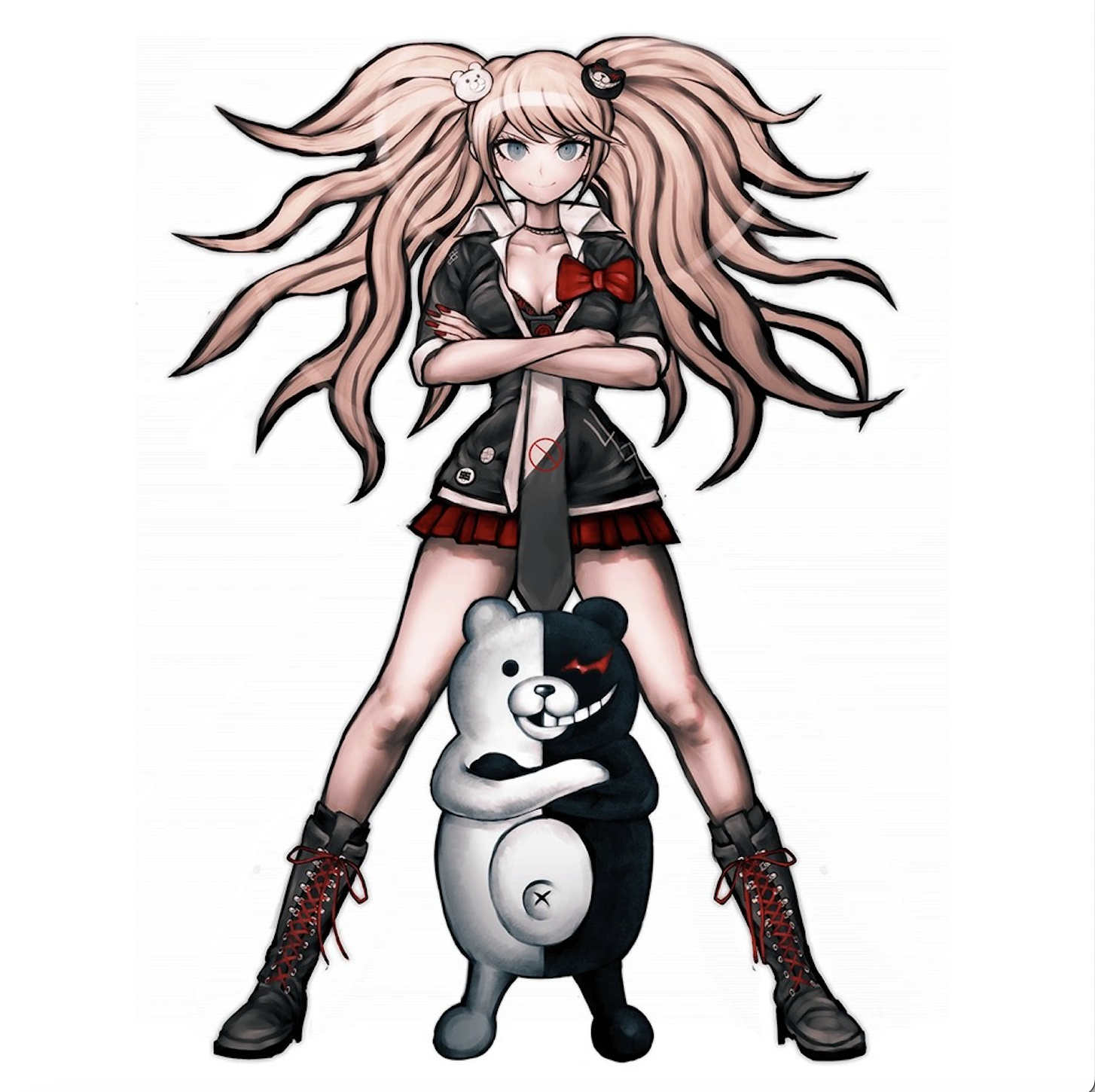
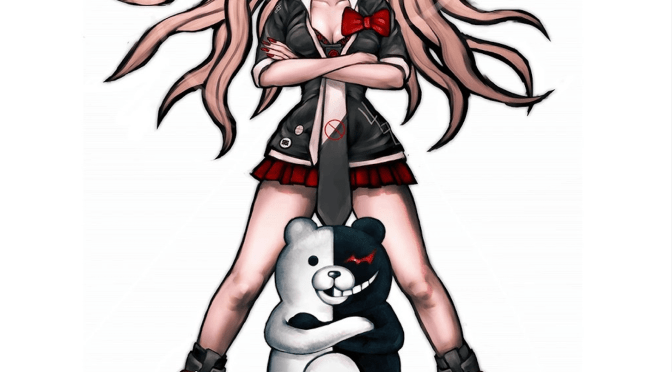
Villains are what makes a story a story. An opposing force always gets in the way of the hero, creating endless opportunities for character development and fun plots. But what happens when a villain is poorly written? In this article, I’ll be highlighting some of the best and worst ways you can write a villain and some examples of both.
Humanization is a very important factor for a complex villain. A lot of antagonists in children’s media aren’t very humanized because having things clean cut as “good” and “bad” is what is typically done for children, but to really have another level of character for a villain, humanization is essential. This brings the aspect of humanity to a person who’s only really been seen as evil for the length of the game or show and can help the viewer to understand and empathize with this person, or just gain an understanding that the villain is still on the same level as the hero or protagonist.
Motives and backstory are important aspects of any character, but in my eyes, especially villains. Regardless of if the villain is going to have redemption, there needs to be a reason that this person is doing what they’re doing. Often, in villains, the thing that draws them apart from the hero is their outlook on the world and their ideals or philosophy, which impacts their perspective on the world. This determines their actions, which are often viewed as evil or bad. This aspect of a villain is vital to understand why this person does what they do.
And on the topic of philosophy, personally I think if a villain makes you think about another aspect of a common societal, or some other problem, then the writers did a good job. Villains aren’t necessarily only there to oppose the protagonist, but to provide another outlook and challenge the hero’s ideas and try to impose change, even if their methods aren’t the best. This is my favorite part of any villain and I strongly believe having a philosophy makes all the difference in characters of all kinds.
Redemption arcs are very iffy parts of villian stories. There’s nothing wrong with redeeming your villain, oftentimes it makes for a wonderful addition to the story, but there are quite a few ways to screw a redemption arc up. One of the biggest ways is the justification of the villain and their actions through trauma to create this redemption.
Trauma isn’t inherently bad, it often creates a complex backstory for a villain and gives them a good motive, but when the audience is expected to forgive a morally wrong person who’s done bad things just because they had a hard life, it’s a deal breaker. You can write a villain with trauma and have them reveal it, but when we, as an audience, excuse things like murder because one person went through something is just bad writing, and I personally think it’s one of the biggest red flags in a show. This is a very touchy spot in writing any piece of media, but it can, and has been, done very well, and it’s very rewarding to watch a show or play a game with a well written villain.
These are all aspects of writing a character that are incredibly important, and as there are badly written villains all over the place, a well written one is worth the find.














 Plaid Line + PRIZM + Scottie News