
By: Mira Kaufman
When were you society’s “beautiful”?
When we look in the mirror we see ourselves through the eyes of society whether we like it or not. We see ourselves with beauty and insecurity, but what if I told you, the person you see in the mirror is quite in fact the high end of beauty standards. Maybe not in 2023 but perspectives change. So if I don’t feel beautiful in society now, then when?
According to Lila Esquivel, on Miami High News, “Today’s standards for women are small waists, long hair, and flawless skin. Girls are required to be this ‘perfect image’ when nobody is perfect.” This includes the expectation for women to wear makeup and stay “looking young”. These beauty standards are especially shared through social media and can lead to eating disorders, loss of confidence, depression, and more.
The average American modeling agencies hire skinny, tall, confident women, who are indeed beautiful but they raise standards for all women. Social media also gives the options of photoshopping, supporting the unhealthy beauty standards shared though society. And yet these standards have only been the case for a short period of time.
Even just 40 years ago the beauty standards in the US were entirely different. According to Amanda Cruz Mendoza, at Sonoma State University, in the 1980s, the stands were “big textured hair, toned body, and bright colored clothes”. In 1900, women were expected to have a thin waist, curvy hips, and to be voluptuous.
The 1800s the US standards changed immensely too. Women in 1860 were viewed as beautiful if they were pale, hairless, and clean. The 1800 beauty standards involved many facial features. They included pale skin, rosy cheeks, straight snap noise, and symmetry.
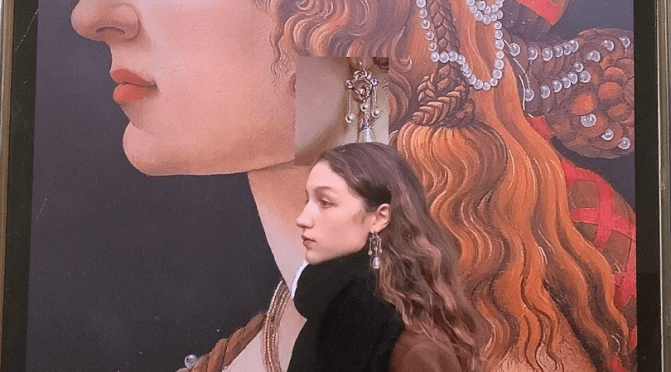
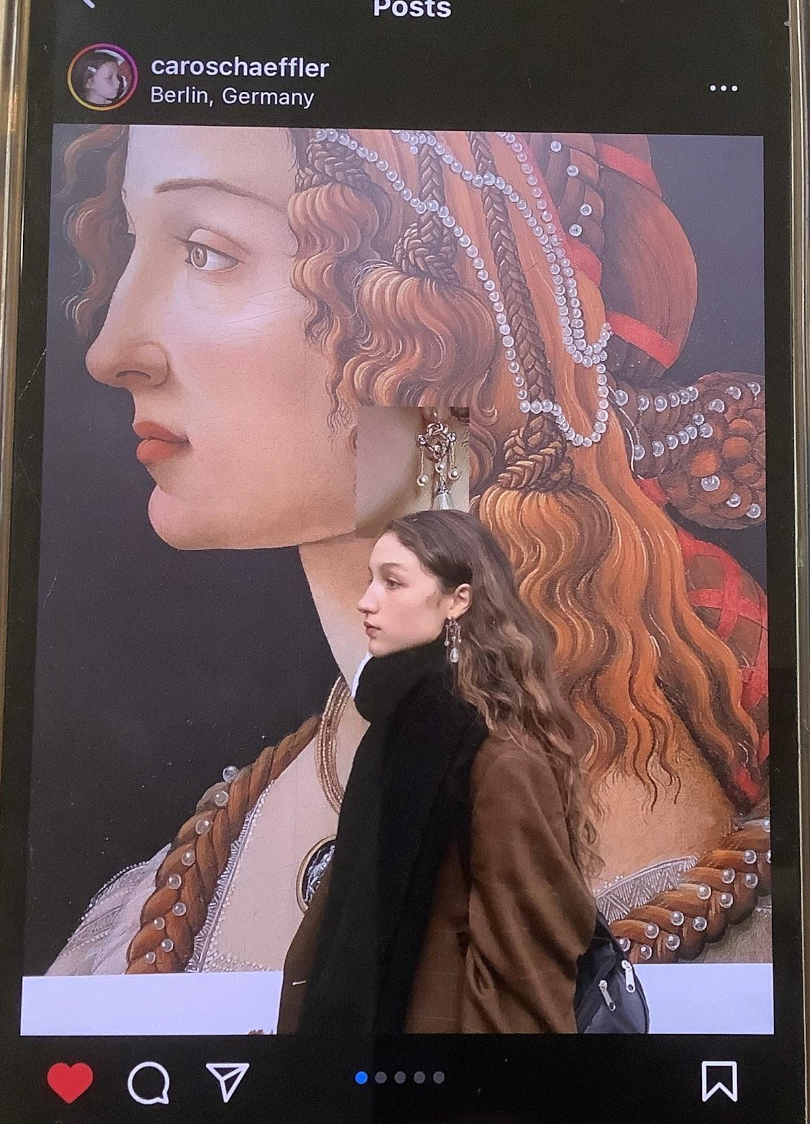
In the 1700s, women were expected to have round cheeks, blond hair, and broad buttocks with small breasts. This changed from the 1600 Renaissance beauty standards from being goldish red hair.
A common insecurity throughout society today is the size of one’s forehead. Today people cut bangs to cover them up due to the current beauty standard but in the 1500s, European women and men were viewed as beautiful the larger their forehead got. Large pale foreheads, rosy cheeks, and dark brown eyes added onto the 1500s beauty standards.
Throughout time, until quite recently, having fat or a less slim body was something to be proud of too. If you were not thin, it meant your family had money and were able to support themselves, their family and home. The word was called “Plump” and many were jealous of royalty who had the softer shape.
Many other cultures had beauty standards of their own. Starting in 1200, China formed a three inch foot also known as “Lotus feet” beauty standard. They used foot binding, starting as children, to reshape the feet to fit these standards. This is just one example of many and it shows proof of what people do to change themselves to society’s standards.
Next time you look in the mirror, think of all the people that have come before you who were labeled “beautiful” in their own time. Knowing this we can fight unreachable beauty standards together, and change society to a healthier fit for all people. You are beautiful, and if you don’t currently feel beautiful in society, you now know when.
 Plaid Line + PRIZM + Scottie News