
By: Jefferson Palma

Why did our ancestor fruits look so different? What did they look like? And what made ancient fruits transform into what we see and eat everyday?
When you go to the grocery store and you purchase some fruits for your next meal did you know that it took around 10,000 years of history to make it look like how it looks today? But how?
Selective cultivation has been a method to change our fruits to make them more tasty, colorful, and bigger.
For example, eggplant was named after the appearance of the egg shaped fruit when English speakers first discovered it, and it had more of a bitter flesh. But through selective breeding, it has transformed into a bright purple, less bitter, fleshy fruit.
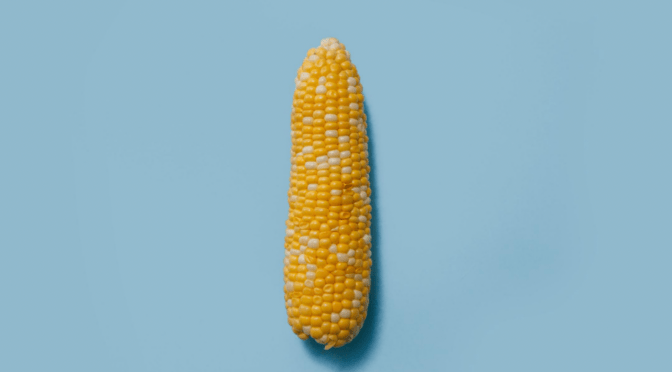
Photo by Charlesdeluvio on Unsplash
Did you know around 10,000 years ago in Mexico, people took the very first step to domesticate maize (corn). They did this by choosing which seeds to plant, and some were better than others, so they saved the better seeds for the next season’s harvest, and this is how corn has been selectively bred.
There has been a problem that occurred because fruits have been too sweet. For example, zookeepers have been feeding red-pandas and monkeys a fruit centric based diet to mimic their natural wild diet. But it has been discovered that the fruits were too sugary for their diets. The animals’ diet has been changed to a more healthier diet. But this implies that our fruits have been modified to the point that certain animals cannot eat them as they would damage their health.
“Some fruits, such as plums, have almost double the soluble sugar content than what they would have recorded 20 years ago,” said Ranadheera according to the Weather Channel. Which means that in this period of time fruits have been more modified because of improvements in technologies.
Fruits being modified have been the usual for us humans. It has been dated back to 8,000 BC. Today’s fruit have a very long history of small changes to make them bigger, tastier, and more colorful to satisfy our own pleasure.
As stated by Learn.Genetics, “Minor changes to influential genes can produce rapid evolutionary changes.”
For more information, please visit:


 Plaid Line + PRIZM + Scottie News