

By: Natalia Gercheva
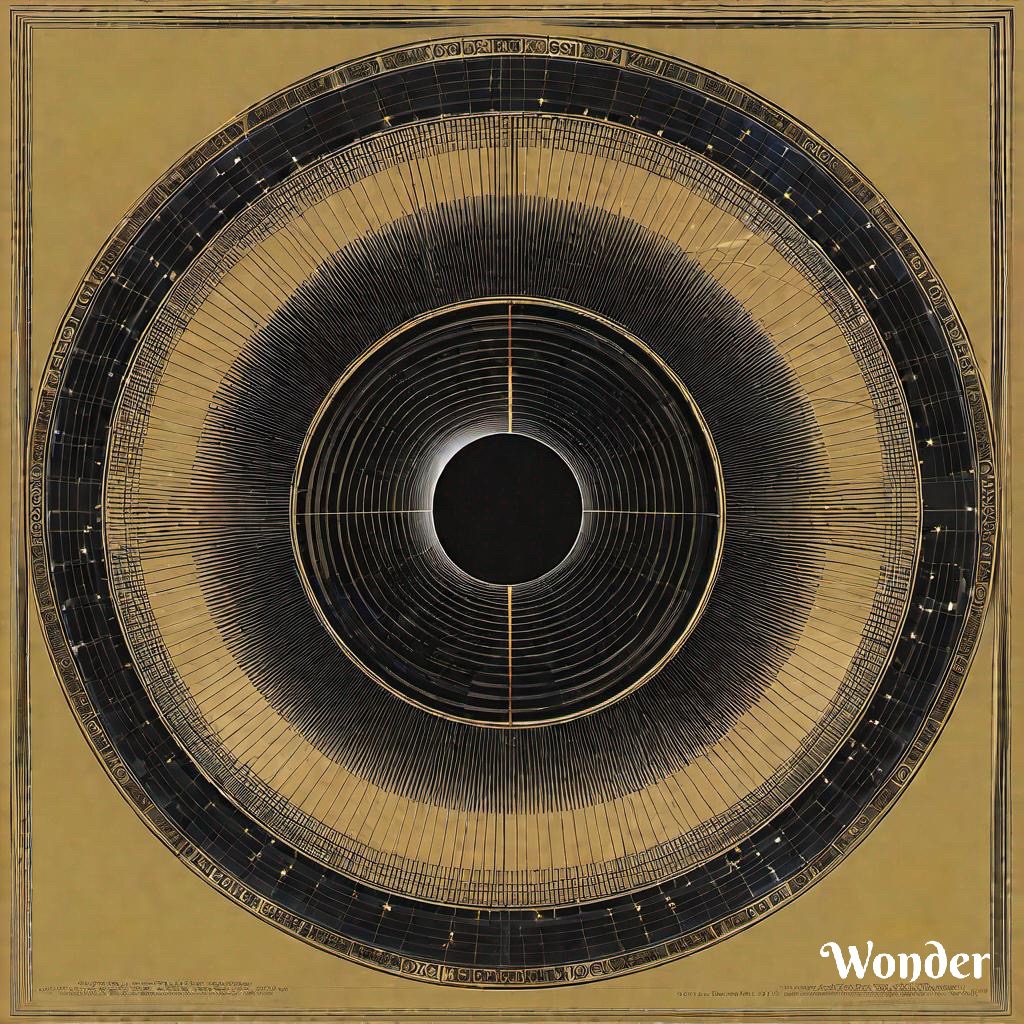
As many of you may know, on October 14, 2023, an annular solar eclipse occurred. In this article, I will be discussing what a solar eclipse is, the different types, the difference between a solar and lunar eclipse, and when the next one will be, so you have a chance at seeing it yourself!
A solar eclipse happens when the moon passes between the sun and Earth. This obscures the face of the sun either fully or partially, and casts a shadow on Earth. A total eclipse can last anywhere from 10 seconds to 7.5 minutes.
There are 4 different types of solar eclipses which are: total, annular, partial, and hybrid eclipses.
A total solar eclipse is when the moon is completely blocking the face of the sun. The sky will darken, as if it were dusk or dawn.
An annular solar eclipse happens when the moon is at or near its farthest point from Earth. The moon will appear smaller than the sun, and does not completely cover it. As a result, it creates what looks like a bright disk ring around the moon.
A partial solar eclipse happens when the sun, moon, and Earth are not perfectly lined up. Only a part of the sun will appear to be covered, giving it a crescent shape.
Lastly, one of the least common is the hybrid solar eclipse. This occurs because Earth’s surface is curved, and an eclipse can shift between annular and total as the moon’s shadow moves across the globe.
Solar eclipses can often be confused with a lunar eclipse, which is when Earth’s shadow falls upon the surface of the moon, turning it a striking red over the course of a few hours. Solar eclipses are only visible from a narrow strip of land over which the moon’s shadow passes.
Lunar eclipses are visible from the whole nighttime hemisphere due to Earth’s large shadow. Solar eclipses occur 2-5 times per year, but due to the moon’s small shadow being cast on Earth, the same spot only gets to see a total solar eclipse for a few minutes about every 375 years.
Lunar eclipses happen 0-3 times per year, and if you live on the nighttime half of Earth when the eclipse happens, you are much more likely to see it. Luckily, NASA can predict both solar and lunar eclipses for 1,000 years into the future.
It is extremely important to protect your eyes if you are looking directly at the sun while watching a solar eclipse. You can look through solar filters, like eclipse glass, or use handheld solar viewers.
Many of you may remember in August, 2017, there was a total solar eclipse. I remember watching it outside using the solar glasses, but I never understood exactly why the sky was going dark. On October 15th, this year, I was looking out my window trying to watch the annular solar eclipse. Unfortunately, it was an extremely cloudy day, so I was only able to view a small portion of it for a few seconds. The next annular eclipse will be October 2, 2024, and I hope to see it then!
I highly recommend checking the future eclipses website on NASA every few months so you can mark your calendars for the upcoming eclipses. On April 8, 2024, North America will experience a total solar eclipse! It truly is an incredible sight to see, where you get to view the solar system’s wonders through just your window or from your backyard!
TFor more information, please visit:
 Plaid Line + PRIZM + Scottie News